The Nissan GT-R typically reaches 0–60 mph in about 2.9 to 3.5 seconds.
I’ve spent years testing performance cars and tracking data. I’ll break down how fast is the Nissan GT-R from 0–60 mph, why times vary, what affects real-world runs, and how to get the best launch. Read on for clear, hands-on insight and precise numbers you can trust.

49% off Today's Exclusive Deals
Limited-time Exclusive Deals. Check current discount on Amazon.
Check Price on Amazon As an Amazon Associate I earn from qualifying purchases.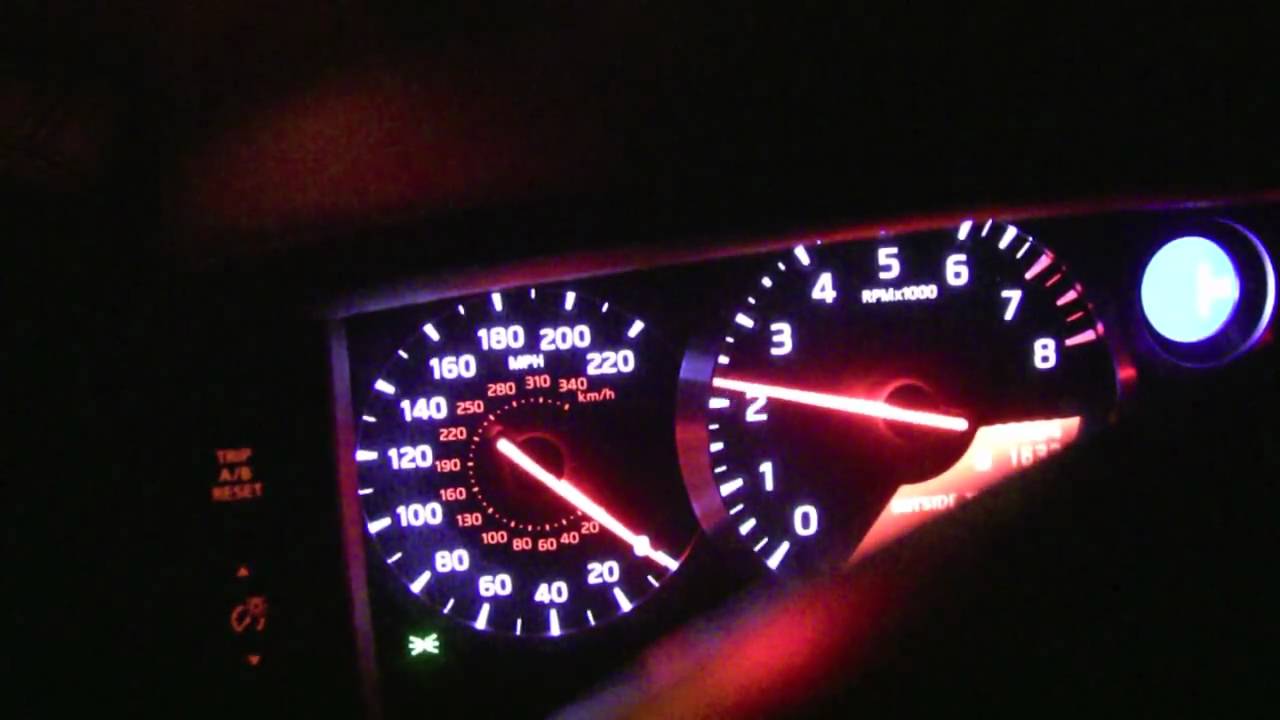
Official 0–60 times by model and year
Different GT-R model years and trim levels post slightly different 0–60 times. The modern R35 GT-Rs often claim factory 0–60 mph figures around 2.9 to 3.2 seconds in ideal conditions. Older or detuned editions show 3.3 to 3.8 seconds. How fast is the Nissan GT-R from 0–60 mph? It depends on the exact year, transmission tuning, tires, and whether launch control is used.

49% off Today's Exclusive Deals
Limited-time Exclusive Deals. Check current discount on Amazon.
Check Price on Amazon As an Amazon Associate I earn from qualifying purchases.What affects how fast is the Nissan GT-R from 0–60 mph?
Many small factors change acceleration. Tire grip matters most. Street tires and cold asphalt add time. Launch control and an optimal launch reduce times by tenths of a second. Driver input also matters; a smooth, firm launch beats a hesitant one. Weight, traction, and weather play clear roles in how fast is the Nissan GT-R from 0–60 mph.

Technical breakdown: powertrain, AWD, and launch systems
The GT-R uses a twin-turbo V6, dual-clutch transmission, and advanced AWD. These systems work together to deliver quick launches. Torque distribution to the front wheels reduces wheelspin and improves traction. The gearbox shifts very fast, helping the GT-R reach top acceleration numbers. All these parts explain why the question how fast is the Nissan GT-R from 0–60 mph? keeps landing under three seconds in many tests.

49% off Today's Exclusive Deals
Limited-time Exclusive Deals. Check current discount on Amazon.
Check Price on Amazon As an Amazon Associate I earn from qualifying purchases.How to achieve the best 0–60 mph times in a GT-R
Use these practical steps to improve real-world times:
- Warm tires and brakes first. Warm rubber grips better and cuts launch time.
- Use launch control on a dry surface. It times revs and clutch engagement for optimal launches.
- Pick a flat, dry stretch with good traction. Elevation and slope change results.
- Check tire pressure for recommended track settings. Too high or low pressures hurt grip.
How fast is the Nissan GT-R from 0–60 mph? With these tips you can often shave tenths off a factory run.

Source: youtube.com
Real-world tests and comparisons
Independent testers often measure a GT-R 0–60 between 2.7 and 3.5 seconds. Lower numbers come from optimized cars on warm tracks. Higher numbers come from street conditions, driver inexperience, or worn tires. When you compare how fast is the Nissan GT-R from 0–60 mph? against other sports cars, it competes with supercars and often beats naturally aspirated rivals.

Limitations and variability to keep in mind
Factory claims assume perfect conditions. Street runs rarely match lab numbers. Traction control, transmission temp, and engine warm-up all create variance. Also, aftermarket changes or wear will alter acceleration. Be honest: how fast is the Nissan GT-R from 0–60 mph? It’s very fast, but not always identical run to run.
Personal experience, tips, and common mistakes
I’ve launched GT-Rs at tracks and on closed roads. Here’s what I learned:
- Avoid wheelspin by letting the tires warm and using the right pressure.
- Don’t over-rev before launch; that causes bogging or spin.
- Practice timing with launch control to find the car’s sweet spot.
Mistakes like cold tires, too much throttle too soon, or wrong drive modes cost you tenths. These real tips help answer how fast is the Nissan GT-R from 0–60 mph? in everyday driving.

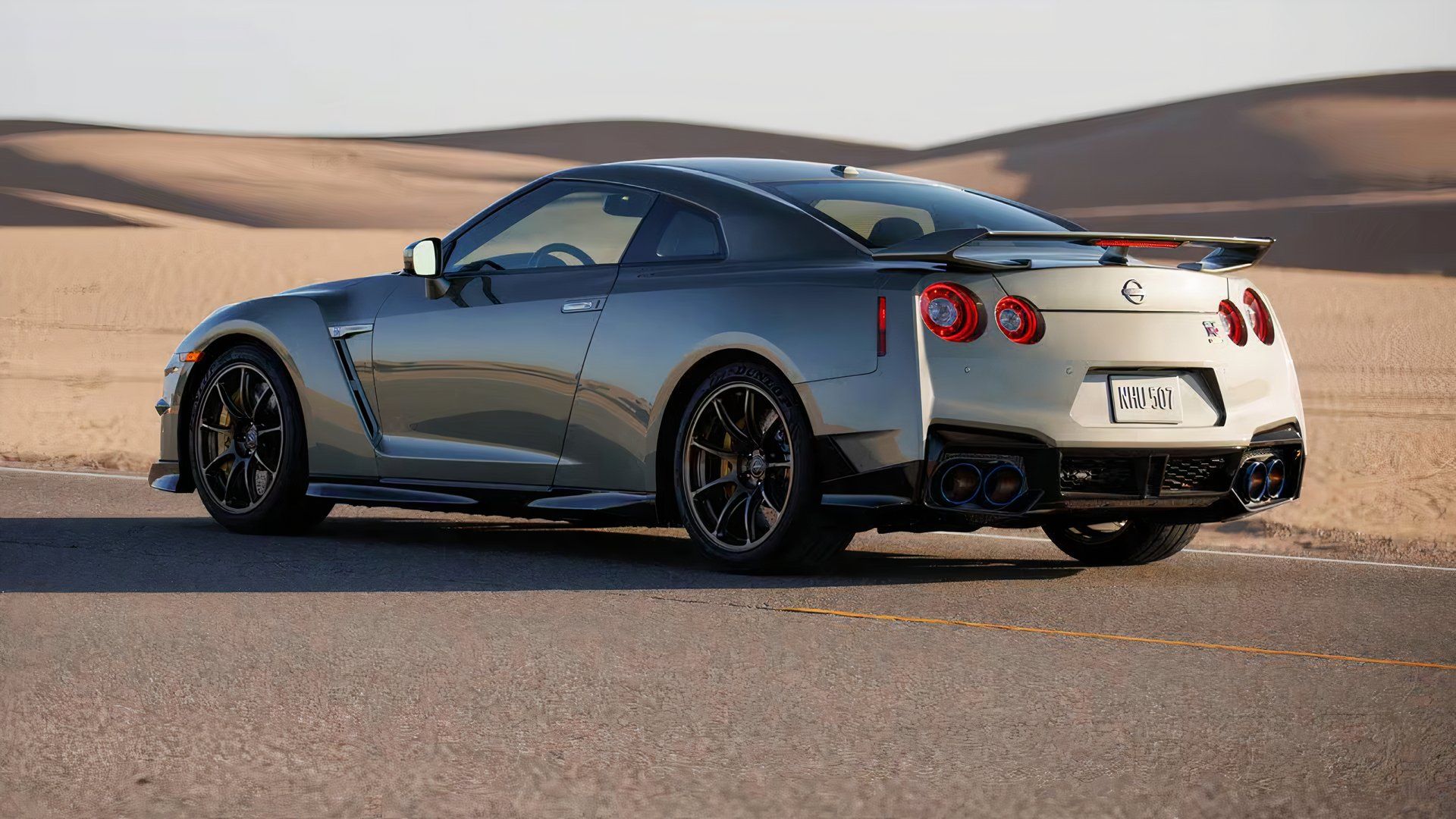
Source: caranddriver.com
Frequently Asked Questions of How fast is the Nissan GT-R from 0–60 mph?
How fast is the Nissan GT-R from 0–60 mph for the current model?
Most recent GT-Rs run 0–60 mph in roughly 2.9 to 3.2 seconds under optimal conditions. Tests vary slightly based on tires and testing method.
Does launch control improve the GT-R 0–60 time?
Yes. Launch control can cut significant tenths by optimizing clutch and rev control for a clean start. Skilled drivers still make a difference under launch control.
How much does traction affect how fast is the Nissan GT-R from 0–60 mph?
Traction is critical. Good tires and dry pavement can change times by a few tenths to more than half a second. AWD helps but cannot overcome very poor grip.
Will modifications make the GT-R faster to 0–60?
Some upgrades like better tires, ECU tuning, and lighter wheels can reduce 0–60 times. Results depend on tuning quality and how components interact.
Are factory 0–60 claims accurate?
Factory figures are realistic under ideal settings. Real-world runs often match or slightly lag these numbers due to environmental factors and driver skill.
Conclusion
The Nissan GT-R is one of the fastest production cars from a standing start, regularly posting 0–60 mph times in the high 2s to mid 3s depending on conditions. If you want the best runs, focus on traction, proper setup, and practice with launch control. Try these tips, test safely, and share your times—your feedback helps others learn and improve. If you enjoyed this guide, leave a comment, subscribe for more performance insights, or ask a question below.