Porsche 911 transmissions often suffer wear, syncro failures, leaks, and mechatronic malfunctions.
I’ve spent years working on and researching Porsche drivetrains, so I know the common transmission issues in the Porsche 911 inside and out. This guide walks through the typical problems, clear symptoms, realistic repair paths, and practical maintenance tips so you can spot trouble early and make smarter service decisions. Read on for hands-on advice, real costs, and steps you can take today to protect your 911’s gearbox.

49% off Today's Exclusive Deals
Limited-time Exclusive Deals. Check current discount on Amazon.
Check Price on Amazon As an Amazon Associate I earn from qualifying purchases.
Overview: why the transmission matters in the Porsche 911
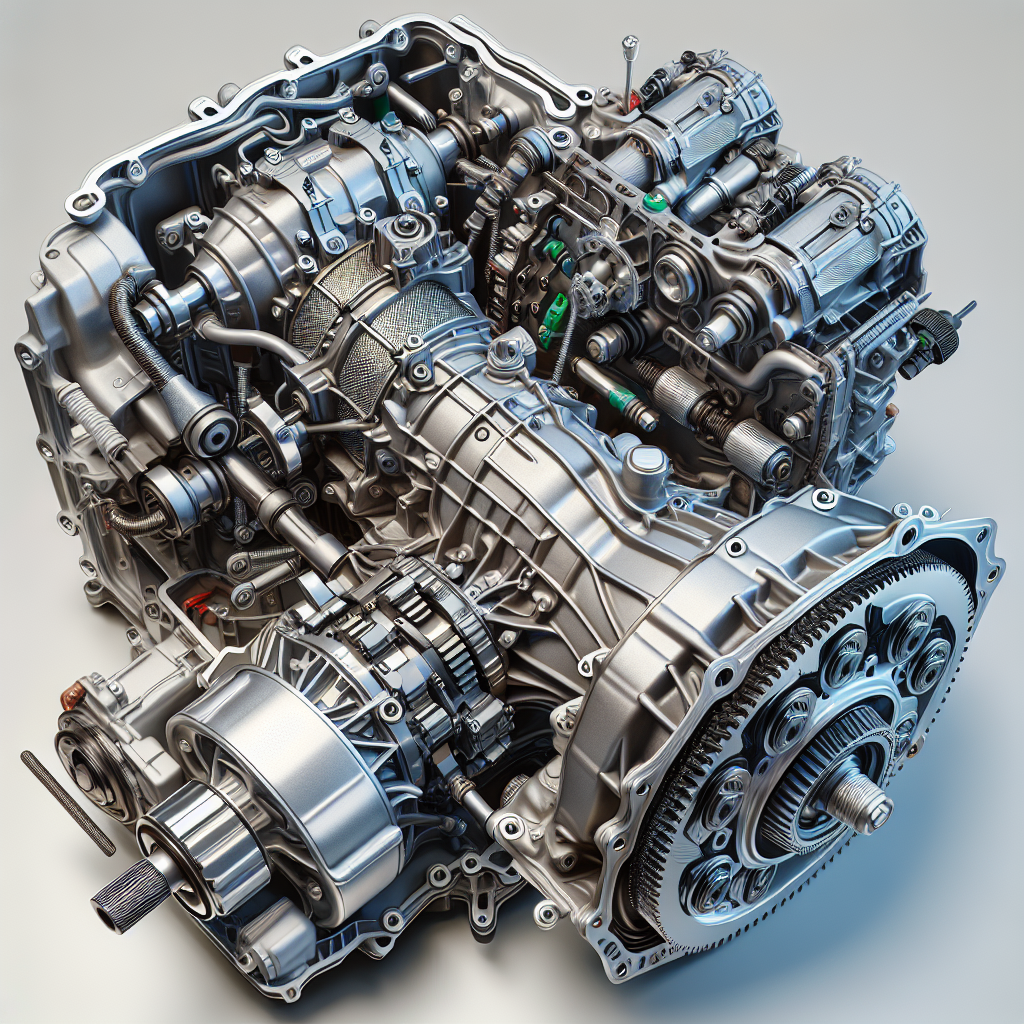
The transmission links the engine to the road. In the Porsche 911 the gearbox is a core part of the car’s character. Whether your 911 has a classic manual or a modern PDK dual-clutch unit, transmission issues change performance, safety, and resale value. Recognizing common transmission issues in the Porsche 911 helps you avoid big bills and lost driving pleasure. I’ll explain what to watch for and what steps to take when issues appear.
49% off Today's Exclusive Deals
Limited-time Exclusive Deals. Check current discount on Amazon.
Check Price on Amazon As an Amazon Associate I earn from qualifying purchases.Most common transmission issues in the Porsche 911
Below are the problems I see most often. For each, you’ll get causes, symptoms, and quick checks.
Worn or failing synchros (manual gearboxes)
Causes
- Age and hard shifting wear down synchro rings and cones.
- Aggressive downshifts, missed rev-matching, and long-term high mileage.
Symptoms
- Grinding when shifting into specific gears.
- Gears that pop out or are hard to engage.
Quick check
49% off Today's Exclusive Deals
Limited-time Exclusive Deals. Check current discount on Amazon.
Check Price on Amazon As an Amazon Associate I earn from qualifying purchases.- Try cold and hot shifts. If grinding is worse when cold, synchros are likely worn.
Clutch wear and hydraulic failures
Causes
- High mileage, sport driving, or oil contamination.
- Leaking master or slave cylinder in hydraulic systems.
Symptoms
- Soft or spongy clutch pedal.
- Slippage under load, burning smell after spirited driving.
Quick check
- Hold clutch at partial engagement on an incline; if engine revs climb, clutch slipping is present.
PDK mechatronic unit faults (dual-clutch)
Causes
- Software glitches, failing hydraulic actuators, or internal electronic faults.
- Fluid contamination and lack of service.
Symptoms
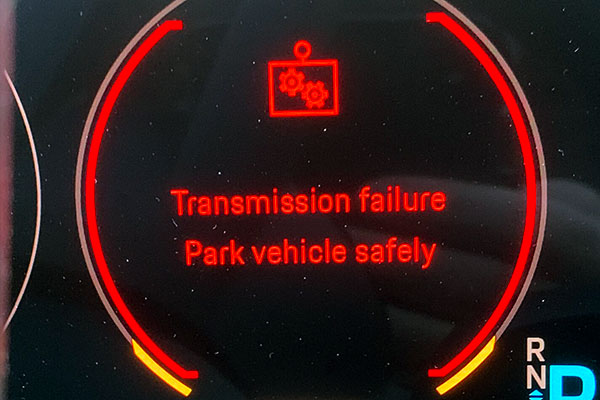
- Jerky shifts, limp-home mode, transmission warning lights.
- Delayed upshifts or downshifts that feel harsh.
Quick check
- Scan for transmission fault codes and watch for repeatable shift faults.
Transmission fluid leaks and seal failures
Causes
- Worn seals, degraded gaskets, or damaged lines and cooler fittings.
- Age and heat cycles reduce seal integrity.
Symptoms
- Low fluid levels, visible puddles, burning oil smell.
- Overheating transmission and poor shift quality.
Quick check
- Inspect under the car and around the case for fresh oil and damp spots.
Gear noise and bearing wear
Causes
- Worn bearings or gears from age, metal fatigue, or poor lubrication.
- Track use or neglected fluid changes accelerate wear.
Symptoms
- Whine, growl, or humming that changes with engine or road speed.
- Noise increases under load or at certain speeds.
Quick check
- Note when noise occurs—while coasting, accelerating, or at constant speed—to isolate the fault.
Shift linkage and selector mechanism problems
Causes
- Worn bushings, misadjusted linkage, or damaged cables in older cars.
- Corrosion or physical damage from collisions.
Symptoms
- Loose, vague, or failed gear selection.
- Shifter feel changes, stiff or jerky movement.
Quick check
- Visual inspection of linkage under the car and at the shifter base.
Mechatronic hydraulic leaks and fluid contamination (PDK)
Causes
- O-ring failure, cracked housings, or serviceable line degradation.
- Mixing incorrect fluids or neglecting scheduled changes.
Symptoms
- Transmission overheating, error lights, slipping clutches.
- Intermittent faults that clear after cooling.
Quick check
- Check transmission fluid level and clarity. Dark or burnt-smelling fluid is a red flag.
PAA-style questions
How long do Porsche 911 transmissions last?
A well-serviced 911 transmission can last 150,000+ miles, but life varies by use, care, and type of gearbox. Racing, neglected fluid service, and aggressive driving shorten lifespan.
Can PDK be rebuilt or must it be replaced?
PDK units can often be repaired or remanufactured by specialists, but costs vary. Small faults may be fixed cheaply; major mechatronic or clutch failures push costs higher.

Diagnosis, repair options, and expected costs
A clear diagnosis saves money. Start with simple checks and move to advanced diagnostics if needed.
Step-by-step diagnosis
- Visual inspection for fluid and external damage.
- Road test noting conditions, RPMs, and gear behavior.
- Scan for fault codes on electronic transmissions.
- Drain and inspect fluid for metal particles or contamination.
- Professionally inspect internal components if symptoms persist.
Repair options and cost ranges
- Clutch replacement (manual): moderate cost; expect price variation by model year and whether you replace flywheel or release bearing. Typical ranges are from mid-hundreds to a few thousand dollars.
- Synchro rebuild or gearbox overhaul: can be expensive for classic boxes due to parts scarcity.
- PDK mechatronic repair: moderate to high cost depending on the fault; software reflash is low-cost, actuator replacement or hydraulic repairs are pricier.
- Full transmission replacement or reman unit: highest cost but sometimes the most reliable fix.
When to DIY vs. go pro
- DIY tasks: visual checks, fluid top-up, basic linkage adjustment, and clutch pedal feel tests.
- Pro-only tasks: internal gearbox work, PDK electronic/hydraulic repairs, precision machining, and major reseals.
Personal note: I once diagnosed a 997 that had intermittent PDK faults traced to a clogged cooler line. A targeted fix saved the owner thousands versus a full rebuild.

Prevention and maintenance: protect your Porsche 911 transmission
Good care delays or prevents many common transmission issues in the Porsche 911. Here’s a concise maintenance plan you can use.
Routine maintenance checklist
- Change transmission fluid at recommended intervals. Use manufacturer-specified fluid.
- Replace clutch fluid and bleed hydraulic systems regularly.
- Inspect seals, lines, and cooler fittings for leaks during oil changes.
- Monitor shifting behavior and noises; address anomalies early.
- Keep software updated for PDK units during scheduled service visits.
Driving and storage habits to protect the gearbox
- Avoid prolonged slipping and aggressive launches in cold gearboxes.
- Warm the car before hard driving; cold oil means poor protection.
- If you track the car, plan for more frequent fluid and clutch service.
Parts and upgrades to consider
- OEM or high-quality reman units for long-term reliability.
- Performance clutches and reinforced synchros for track use.
- Upgraded coolers for high-heat or track applications.
Personal tip: I recommend keeping service records and receipts. They help spot patterns and support resale value when you sell a 911 with documented care.
Frequently Asked Questions of What are common transmission issues in the Porsche 911?
What are the signs my Porsche 911 transmission needs service?
Common signs include grinding gears, slipping clutch, jerky or delayed shifts on PDK, unusual noises, and visible fluid leaks. Any warning lights or limp modes should prompt immediate inspection.
How often should I change PDK fluid on a Porsche 911?
Follow Porsche’s schedule in the owner’s manual, but many owners change PDK fluid every 40,000 to 60,000 miles for peace of mind and to avoid contamination-related issues. Track use requires more frequent changes.
Can I drive a Porsche 911 with a transmission leak?
Short distances can be okay if you monitor fluid levels, but driving with a leak risks severe damage and should be avoided. Address leaks quickly to prevent overheating and internal wear.
Are manual transmissions in older 911s more reliable than PDK?
Manual gearboxes are simple and often robust, but they suffer syncro and clutch wear. PDK offers speed and convenience but adds complexity and electronics that can fail. Reliability depends on maintenance and driving style.
How much does a full transmission rebuild cost for a 911?
Costs vary widely by model and fault. Expect anywhere from a few thousand dollars for partial repairs to high five-figure sums for full rebuilds or replacements on specialty models. Get multiple quotes and consider reman options.
Conclusion
Transmission trouble can turn a beloved Porsche 911 from joy to worry fast. The key is early detection: listen for odd noises, watch for leaks, and follow a strict fluid and service schedule. With the right checks, timely repairs, and sensible driving, you can avoid many common transmission issues in the Porsche 911 and keep your car performing at its best. Take action now: inspect your 911, schedule a service if you notice symptoms, and keep a record of maintenance to protect value and performance. Leave a comment with your own 911 transmission story or question — I’d love to help.