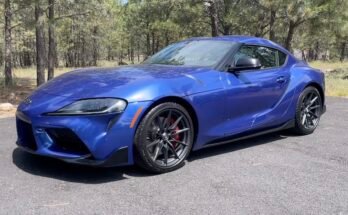
Nissan GT-R stock tire sizes are typically 255/40ZR20 front and 285/35ZR20 rear for the R35 generation.
I’ve spent years working on and driving Nissan GT‑Rs, from street builds to track days. This guide answers What tire sizes does the Nissan GT-R use? in detail, explains fitment choices, and shares tested tips so you can pick the right tires for daily driving, spirited runs, or serious track use. Read on for clear, practical guidance backed by hands‑on experience and industry best practices.

49% off Today's Exclusive Deals
Limited-time Exclusive Deals. Check current discount on Amazon.
Check Price on Amazon As an Amazon Associate I earn from qualifying purchases.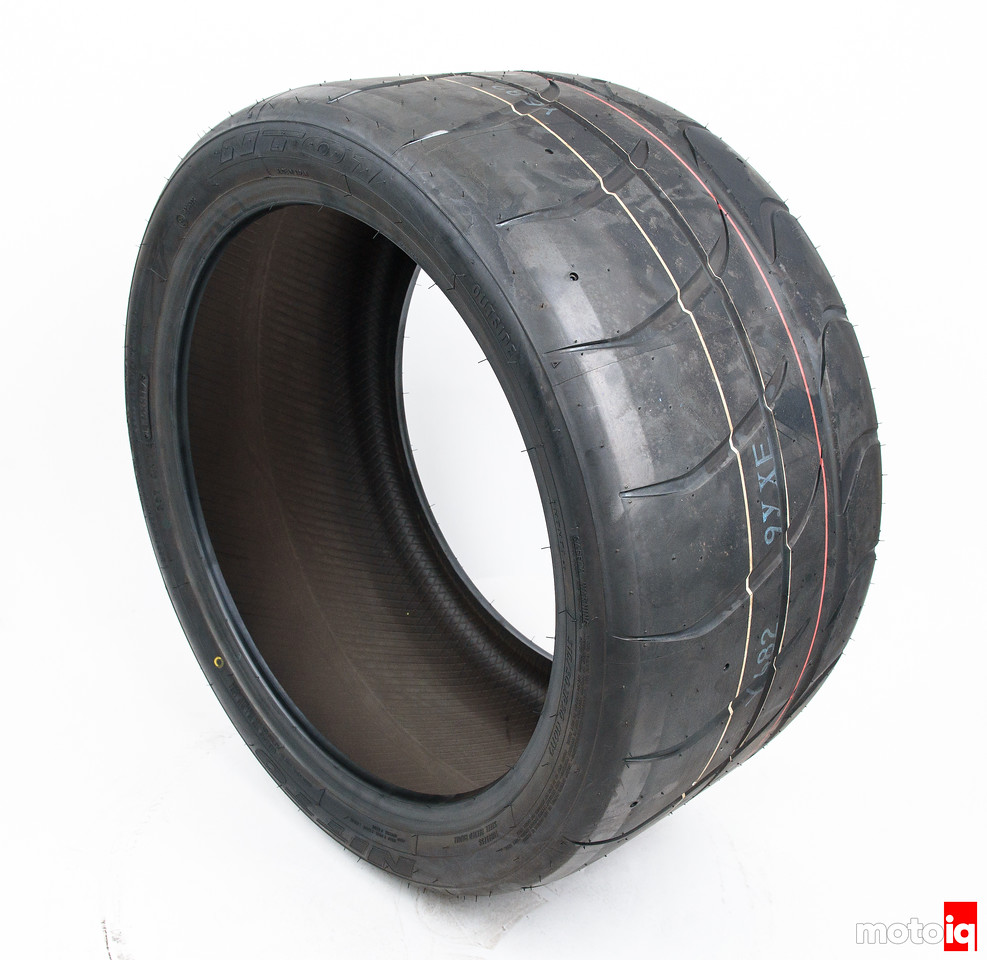
Stock sizes and what to expect
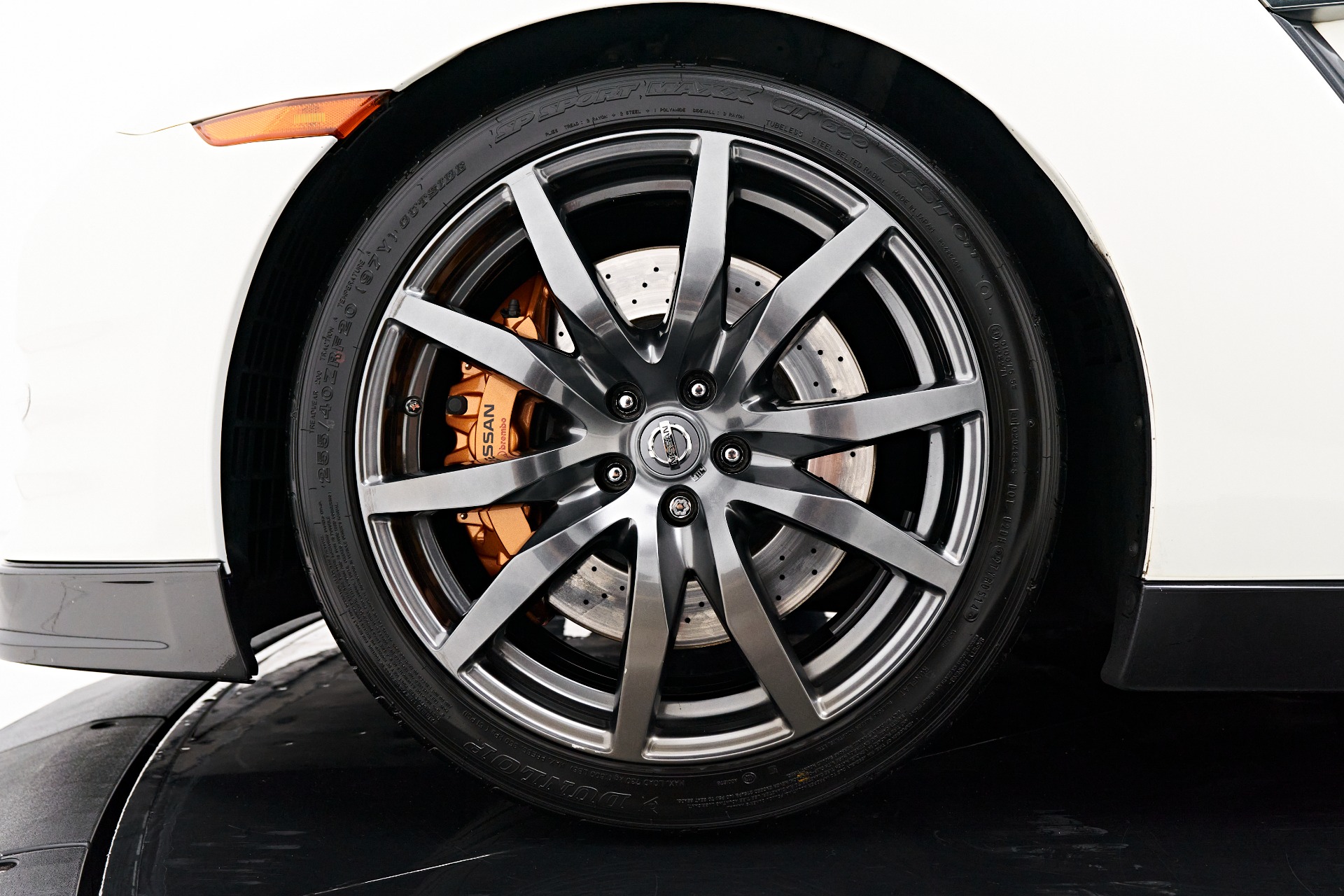
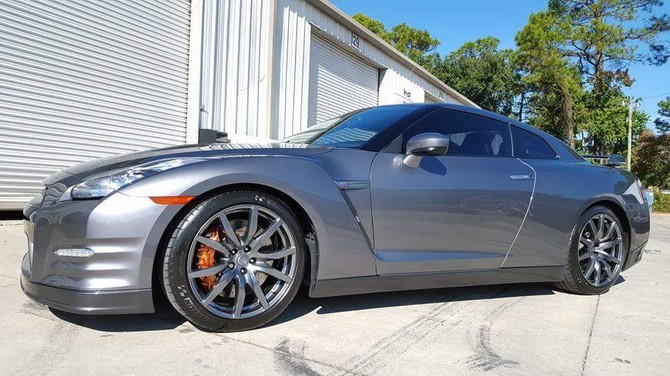
The most common answer to What tire sizes does the Nissan GT-R use? points to the R35 generation. The R35 GT‑R, produced from 2007 onward, ships with staggered 20‑inch tires. Stock sizes are usually 255/40ZR20 in front and 285/35ZR20 in the rear. These sizes balance grip, steering feel, and high‑speed stability.
Earlier Skyline GT‑R models use different sizes. R32, R33, and R34 models often ran 16‑ to 18‑inch wheels with tire widths that vary by trim and market. That means What tire sizes does the Nissan GT-R use? depends on which GT‑R generation you own.
49% off Today's Exclusive Deals
Limited-time Exclusive Deals. Check current discount on Amazon.
Check Price on Amazon As an Amazon Associate I earn from qualifying purchases.If you see an aftermarket GT‑R, expect other sizes. Owners often move to wider fronts or square setups for better rotation and track life. Always confirm your car’s OEM placard and wheel specs before buying tires.

Why the R35 uses staggered 255/40ZR20 and 285/35ZR20
Answering What tire sizes does the Nissan GT-R use? for the R35 requires looking at design goals. Nissan chose staggered fitment for these reasons:
- Improve rear traction under launch and hard acceleration.
- Provide a wider rear contact patch without changing wheel diameter.
- Maintain steering precision with narrower front tires.
Staggered setups help put power down and keep the car stable at speed. But they reduce tire-rotation flexibility. Understanding this tradeoff helps when you choose replacements or upgrades.
49% off Today's Exclusive Deals
Limited-time Exclusive Deals. Check current discount on Amazon.
Check Price on Amazon As an Amazon Associate I earn from qualifying purchases.
Variations by trim, model year, and special editions
What tire sizes does the Nissan GT-R use? changes slightly across trims. Common variations include:
- Base, Premium, Black Edition: typically 255/40ZR20 front and 285/35ZR20 rear.
- Nismo: same sizes but with performance-oriented OEM tires and often different wheel offsets.
- Track packages and aftermarket setups: some owners test 265/35 or 265/40 fronts for more front bite.
Model year changes mostly affect wheel design and factory tire brand, not the core sizes. Always check the sticker inside the driver door or the owner’s manual to confirm your specific car’s tire size.

Aftermarket fitment: safe changes and common swaps
Many GT‑R owners ask What tire sizes does the Nissan GT-R use? when planning upgrades. Here are safe and common options:
- Plus or minus one series: move from 255 to 265 front without changing wheel diameter for slightly more front grip.
- Square setup: running 285/35R20 on all four corners for even wear and easier rotations.
- Track pads: choose softer compound tires in the same size for more grip.
Fitment tips:
- Keep overall diameter within 2–3% of OEM to protect speedometer and stability control.
- Check wheel width and offset before increasing tire width.
- Confirm brake clearance and fender clearance for wider tires.

Source: litchfieldmotors.com
Tire construction, ratings, and what to match
When researching What tire sizes does the Nissan GT-R use?, you also need to match technical specs:
- Load index: Tires must meet or exceed the OEM load rating.
- Speed rating: GT‑R runs fast. Use tires with appropriate speed ratings, typically ZR or (Y) for high performance.
- Rolling circumference: Keep this close to OEM for stability and correct gear/ABS operation.
Choosing the right compound and tread pattern is as important as size. Street drivers benefit from high‑performance all‑season or summer tires. Track drivers want ultra‑high performance summer or semi‑slicks.
Seasonal and track recommendations
Answering What tire sizes does the Nissan GT-R use? is just the start. Choose tires for the season and use:
- Summer street driving: keep OEM sizes and pick a high‑performance summer tire for grip and steering feel.
- Wet or winter use: consider a square setup with high‑quality all‑season or winter tires and ensure adequate tread depth.
- Track work: use the same sizes but select softer compounds or move to purpose-built track tires and monitor pressures closely.
From my experience, a square winter setup improves rotation and wear. On track, a slightly wider front helps reduce understeer but may need fender clearance checks.
Maintenance, monitoring, and common mistakes
Many owners ask What tire sizes does the Nissan GT-R use? but then make fitment errors. Avoid these pitfalls:
- Don’t mix drastically different diameters across axles.
- Don’t ignore load and speed ratings—safety systems expect specific specs.
- Rotate when using square setups. Staggered setups limit rotation options.
Maintain correct pressures and alignments. I once ran slightly low front pressure at a track day and felt vague steering. It cost a lap time and taught me to always check pressures pre‑session.
Quick PAA-style questions
What tire sizes does the Nissan GT-R use? often leads to short, direct questions. Here are quick answers:
- Can I run 265 fronts on an R35 GT‑R?
- Yes. Many owners fit 265/35R20 fronts. Check wheel width and fender clearance first.
- Is a square tire setup better for a GT‑R?
- Square setups help with tire rotation and even wear. They can change handling balance.
- Do I need ZR speed-rated tires for a GT‑R?
- Use tires with speed ratings that match spirited driving. ZR or (Y) rated tires are common choices.
These short answers help you decide when you’re planning a swap or shopping for tires.
Personal experience and practical tips
I’ve fitted OEM replacement and aftermarket tires on several GT‑Rs. Lessons learned:
- Always measure clearance after a wheel or tire change. Small gaps matter.
- Track sessions need more tire care than street use. Monitor wear and pressures.
- Keep a service record of tire sizes, compounds, and pressures to learn what works best on your car.
If you ask What tire sizes does the Nissan GT-R use? for track builds, expect trial and error. I tested incremental changes and kept notes. That made optimizing setup faster and cheaper.
Buying checklist and final guidance
When deciding What tire sizes does the Nissan GT-R use? for your purchase, follow this checklist:
- Confirm OEM placard and current wheel specs.
- Match or exceed load and speed ratings.
- Keep overall diameter within 2–3% of stock.
- Decide between staggered or square based on use.
- Plan for alignment and possible fender work if going wider.
Make choices that fit your driving style. Street cars need durability and comfort. Track cars need grip and predictable wear.
Frequently Asked Questions of What tire sizes does the Nissan GT-R use?
What are the stock tire sizes for an R35 Nissan GT‑R?
Stock R35 sizes are typically 255/40ZR20 in front and 285/35ZR20 in the rear. Variations exist by trim and market.
Can I put the same tires on all four corners of my GT‑R?
Yes. A square setup with the same size on all corners is common and allows rotation. It can alter handling feel versus staggered OEM fitment.
Will wider front tires improve handling on a GT‑R?
Wider fronts can increase front grip and reduce understeer in some setups. However, they may require clearance checks and can change steering response.
Are there winter tire size recommendations for the GT‑R?
Winter setups often use slightly narrower tires for better traction in snow and to fit winter wheels. A square setup helps with rotation and tread life.
How do I pick a tire for track days on a GT‑R?
Choose a track compound in your current fitment or a slightly wider front for balance. Monitor pressures, and expect faster wear than street tires.
Conclusion
Choosing the right answer to What tire sizes does the Nissan GT-R use? starts with knowing your GT‑R generation, how you drive, and what tradeoffs you can accept. OEM R35 sizes are 255/40ZR20 front and 285/35ZR20 rear, but many owners tweak sizes for grip, rotation, or winter use. Test changes in small steps, confirm load and speed ratings, and check clearances before committing.
Take action: check your door placard, note your current tire specs, and decide whether you need an OEM match, a square setup, or a performance upgrade. If you found this useful, try one change at a time and share your experience or questions in the comments.