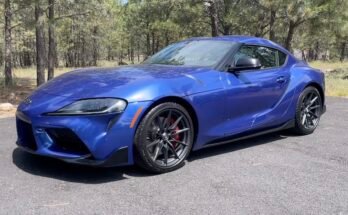
The Nissan GT-R produces between about 276 hp in early JDM models and up to 600+ hp in stock NISMO and tuned variants.
I’ve spent years around high-performance cars, working on and driving several GT-Rs. This article breaks down what horsepower the Nissan GT-R produces by generation and trim, explains factory ratings versus real-world dyno results, and gives practical tips if you’re buying or tuning one. Read on to get a clear, reliable picture of this icon’s power and what those numbers mean on the road or track.

49% off Today's Exclusive Deals
Limited-time Exclusive Deals. Check current discount on Amazon.
Check Price on Amazon As an Amazon Associate I earn from qualifying purchases.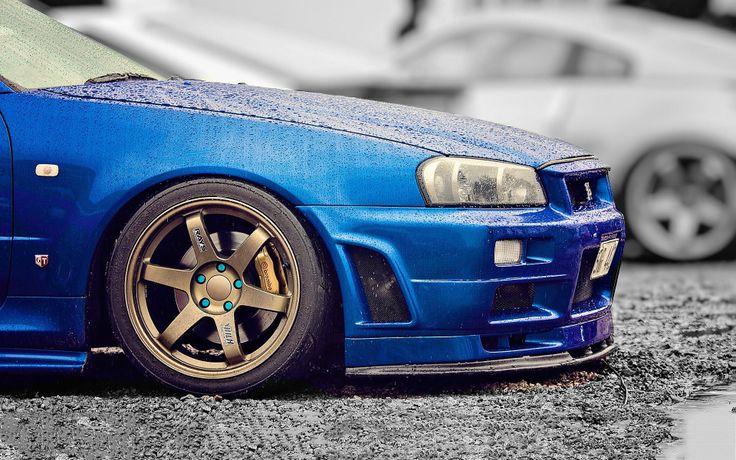
Quick overview: What horsepower does the Nissan GT-R produce?
Many buyers ask, "What horsepower does the Nissan GT-R produce?" The short answer: it depends on the generation and trim. Early Skyline GT-R models were limited to around 276 horsepower by a JDM agreement, while modern R35 GT-Rs range from roughly 480 to 600+ factory horsepower, and tuned cars commonly exceed 700 hp.
Key takeaways:
49% off Today's Exclusive Deals
Limited-time Exclusive Deals. Check current discount on Amazon.
Check Price on Amazon As an Amazon Associate I earn from qualifying purchases.- Classic R32–R34 GT-Rs: about 276 hp (official JDM rating), higher in actual output or export models.
- R35 GT-R early models: factory-rated near 480–485 hp.
- R35 mid-cycle and later: factory-rated 565 hp for refreshed models.
- R35 NISMO and special editions: factory-rated around 600 hp or more.
- Tuned GT-Rs: commonly 600–1,500+ hp depending on modifications and build goals.

Source: caranddriver.com
Horsepower by generation and common trims
What horsepower does the Nissan GT-R produce? Here’s a clearer breakdown by generation and common trims. I keep the numbers simple and practical.
R32, R33, R34 (1989–2002)
- Official JDM rating: about 276 hp (the gentleman’s agreement).
- Real-world: many examples made more power, especially with bolt-ons or export variations.
- Why it matters: those numbers were conservative for marketing and regulation reasons.
R35 (2007–present) – baseline and major factory updates
- Early R35 (2009–around 2016): commonly advertised near 480–485 hp at the crank.
- Mid-cycle refresh (around 2017 onward): many factory models were boosted to roughly 565 hp.
- NISMO R35: factory-rated around 600 hp from the factory, aimed at track performance.
- Special and limited editions: Nissan occasionally released tuned or lighter variants with different ratings.
High-performance and aftermarket builds
49% off Today's Exclusive Deals
Limited-time Exclusive Deals. Check current discount on Amazon.
Check Price on Amazon As an Amazon Associate I earn from qualifying purchases.- Stage 1 to Stage 3: common upgrades push stock GT-R output significantly higher.
- Typical tuned results: 600–1,000+ hp on many builds, with extreme drag and record cars far beyond that.

Source: motor1.com
Factory ratings versus real-world dyno numbers
What horsepower does the Nissan GT-R produce in real life? Factory ratings give a ballpark. Dynos show the real figure at the wheels. Expect differences.
Why dyno numbers differ
- Drivetrain loss: all-wheel drive robs some wheel horsepower versus crank rating.
- Conservative factory ratings: often lower than real-world peak for reliability and marketing reasons.
- Variation by car: break-in, maintenance, and fuel can change dyno results.
My experience
- I’ve seen early R35s rated 480 hp show 500+ hp on a good dyno run.
- NISMO cars often sit close to or above factory claims at the wheels because of better calibration.
- Tuned GT-Rs require careful supporting mods to make high horsepower reliable.
What horsepower does the Nissan GT-R produce under tuning?
- With bolt-ons and ECU maps, +50–200 hp is common.
- With upgraded turbos, fuel, and internals, builds to 800–1,200 hp are achievable.

Source: caranddriver.com
Common PAA-style questions
What horsepower does the Nissan GT-R produce in stock trim?
- Stock trim varies by year. Early R35s were near 480–485 hp, later models near 565 hp, and NISMO near 600 hp.
Can a stock GT-R safely make more power?
- Minor gains from bolt-ons are safe if tuned properly. Major increases require upgraded fueling, cooling, and internals to maintain reliability.
Does wheel horsepower differ much from factory numbers?
- Yes. Wheel horsepower is lower due to drivetrain losses. Expect around 10–20% lower wheel numbers on AWD GT-Rs.
Source: nissannews.com
How horsepower affects performance: what those numbers mean
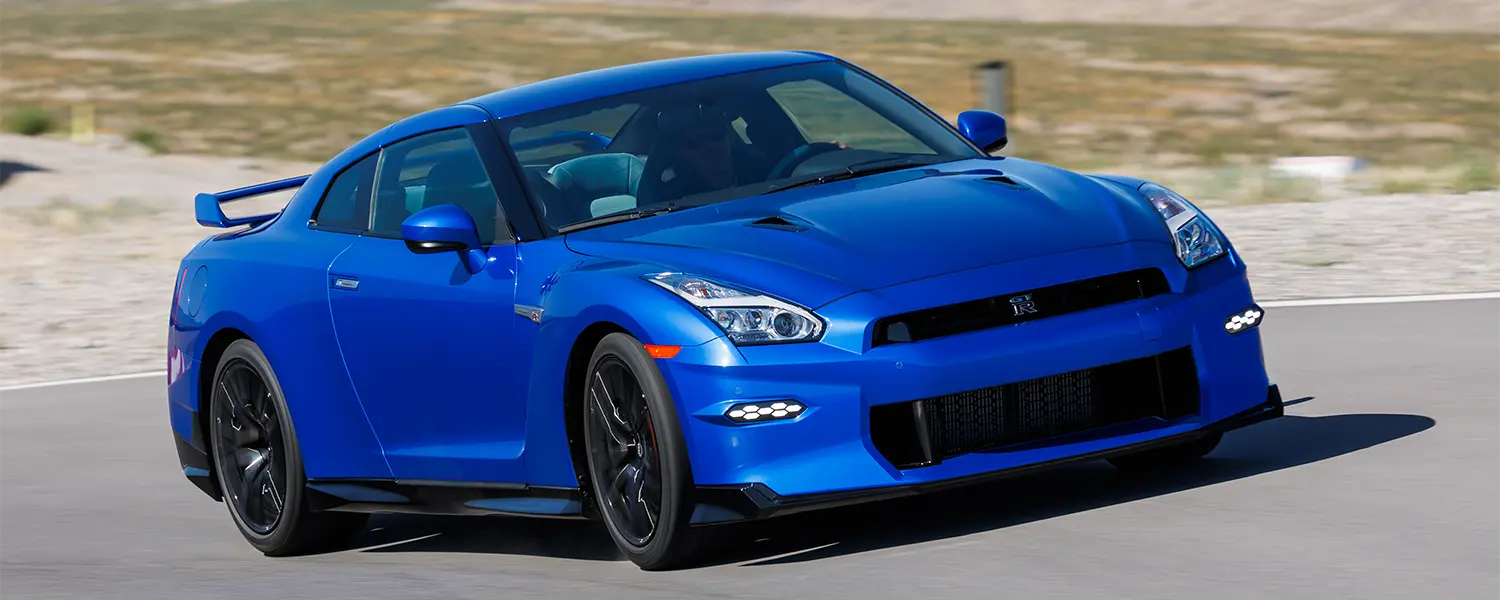
What horsepower does the Nissan GT-R produce, and how does it change driving? Power numbers map directly to acceleration, but torque, gearing, and weight also matter.
Real-world impacts
- 0–60 times improve notably with each power bump. A modern stock GT-R is in the low 3-second range with stronger trims.
- Track lap times fall with more power, but chassis balance, tires, and brakes can limit gains.
- Daily drivability: moderate power increases keep the car usable; extreme builds may need specialist care.
Practical example
- A GT-R moving from 480 hp to 565 hp feels much quicker off the line and through the midrange.
- Upgrading to 800+ hp needs cooling and transmission upgrades to be safe for repeated hard runs.

Source: youtube.com
Tuning and upgrades: realistic gains and common builds
What horsepower does the Nissan GT-R produce after upgrades? Here’s how owners typically approach power.
Common upgrade paths
- Stage 1: intake, downpipes, exhaust, and ECU tune. Typical gain: +40–120 hp.
- Stage 2: stronger fueling, better intercoolers, upgraded turbos start. Typical gain: +150–400 hp.
- Stage 3 and beyond: forged internals, big turbos, race fueling. Typical range: 600–1,500+ hp.
Costs and trade-offs
- Mileage: more power usually lowers fuel economy.
- Reliability: bolting on parts without full supporting mods invites failure.
- Legality and emissions: modifications can make the car illegal for street use in some regions.
My hands-on tip
- Start with a solid tune and cooling upgrades. I once helped tune a GT-R that gained 120 hp with modest bolt-ons and a careful map, and it stayed rock-solid for daily driving.

Source: thedrive.com
Buying tips: choose the right GT-R for your horsepower goals
What horsepower does the Nissan GT-R produce, and which one should you buy? Consider purpose, budget, and maintenance.
If you want a daily driver
- Buy a well-maintained mid- to late-model R35 with stock or mild mods. Aim for factory 565 hp models if you want strong power with good balance.
If you want a weekend track car
- Look for NISMO or refreshed models as a base. Factor in brakes, tires, and suspension upgrades.
If you want a project or drag car
- Buy a solid but simpler car and budget heavily for engine, transmission, and drivetrain upgrades. Plan on spending more than the car’s purchase price on a reliable high-hp build.
Checklist before buying
- Service history and major maintenance.
- Dyno sheet for claimed power or mods.
- Transmission and clutch health, cooling system condition, and boost control setup.

Source: grassrootsmotorsports.com
Frequently Asked Questions of What horsepower does the Nissan GT-R produce?
What horsepower does the Nissan GT-R produce across its history?
The output varies by generation. Classic Skylines were rated near 276 hp, while modern R35 models range from roughly 480–600 hp factory, with tuned cars much higher.
How much does a stock R35 GT-R make at the wheels?
Wheel horsepower typically reads 10–20% less than the factory crank rating, so a 480 hp-rated car might show about 385–430 whp on a dyno.
What horsepower does the Nissan GT-R produce in the NISMO version?
NISMO R35 models are factory-tuned for higher output, generally around the 600 hp mark from the factory, with strong torque and track-oriented calibrations.
Can I reliably tune a GT-R to 700 hp for street use?
Yes, but it requires proper supporting mods: upgraded fuel system, cooling, transmission prep, and a conservative, professional tune for reliability.
Does increasing horsepower void warranties or affect reliability?
Major power increases typically void factory warranties and can reduce long-term reliability without supporting upgrades and proper maintenance.
Conclusion
Across its life, the GT-R has been rated from about 276 hp in classic Skylines to roughly 480–565 hp in stock R35s, with NISMO models near 600 hp and tuned cars often far higher. What horsepower does the Nissan GT-R produce is a living answer: it depends on year, trim, and modifications. If you plan to buy or tune one, set clear goals, budget for supporting upgrades, and ask for dyno proof. Try a test-drive, compare dyno sheets, and join owner groups to learn from real builds. If you found this useful, leave a comment or subscribe for more practical GT-R guides and tuning tips.