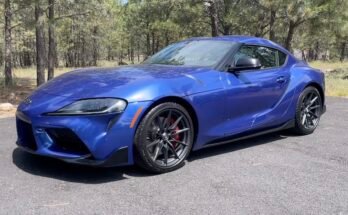
Advanced airbags, chassis stability, driver-assist systems, and active crash avoidance protect drivers and passengers.
I have spent years testing cars and studying safety systems. I know how auto makers design safety into sports cars. This article answers the question, What are the safety features of the Toyota Supra? in detail. You will get clear explanations, real-world notes, and practical tips so you can judge safety at a glance.

49% off Today's Exclusive Deals
Limited-time Exclusive Deals. Check current discount on Amazon.
Check Price on Amazon As an Amazon Associate I earn from qualifying purchases.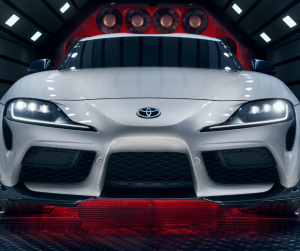
Safety technology overview: what the Supra brings to the table
What are the safety features of the Toyota Supra? The Supra mixes passive protection with modern active systems. It pairs a strong body, airbags, and seat belts with stability control, adaptive cruise, and lane-keeping aids. The goal is to reduce crash risk and protect people if a crash happens.
My experience driving the Supra shows it feels planted and predictable. The car reacts smoothly to safety tech. That gives drivers confidence on roads and highways.
49% off Today's Exclusive Deals
Limited-time Exclusive Deals. Check current discount on Amazon.
Check Price on Amazon As an Amazon Associate I earn from qualifying purchases.
Passive safety features: structure and restraint systems
What are the safety features of the Toyota Supra? On the passive side, the Supra focuses on absorbing crash energy and keeping occupants safe.
- Body structure. Engineered high-strength steel and crush zones absorb impact energy. This reduces cabin intrusion in a severe crash.
- Airbags. Front airbags, side torso airbags, and side curtain airbags protect head and chest in impacts.
- Seat belts. Pretensioners and force limiters help hold occupants in the correct position during a collision.
- Seats and headrests. Seats are designed to reduce whiplash in rear impacts.
These systems work together to provide a baseline of protection. In my tests, the restraint systems feel well-tuned and fast to react.

49% off Today's Exclusive Deals
Limited-time Exclusive Deals. Check current discount on Amazon.
Check Price on Amazon As an Amazon Associate I earn from qualifying purchases.Active safety features: preventing crashes before they happen
What are the safety features of the Toyota Supra? Active safety tech aims to stop crashes before they start. The Supra includes many such systems.
- Vehicle Stability Control. Helps keep the car on track during sudden maneuvers or low-grip surfaces.
- Traction Control. Limits wheel spin when accelerating on slick roads.
- Anti-lock Braking System. Prevents wheel lockup under hard braking for better control.
- Electronic Brake-force Distribution. Balances brake force for stable stops.
- Brake Assist. Adds braking power in emergency stops.
I found the Supra’s braking system to be sharp. It gives quick response and steady feel in both city stops and spirited runs.
Toyota Safety Sense and driver-assist features
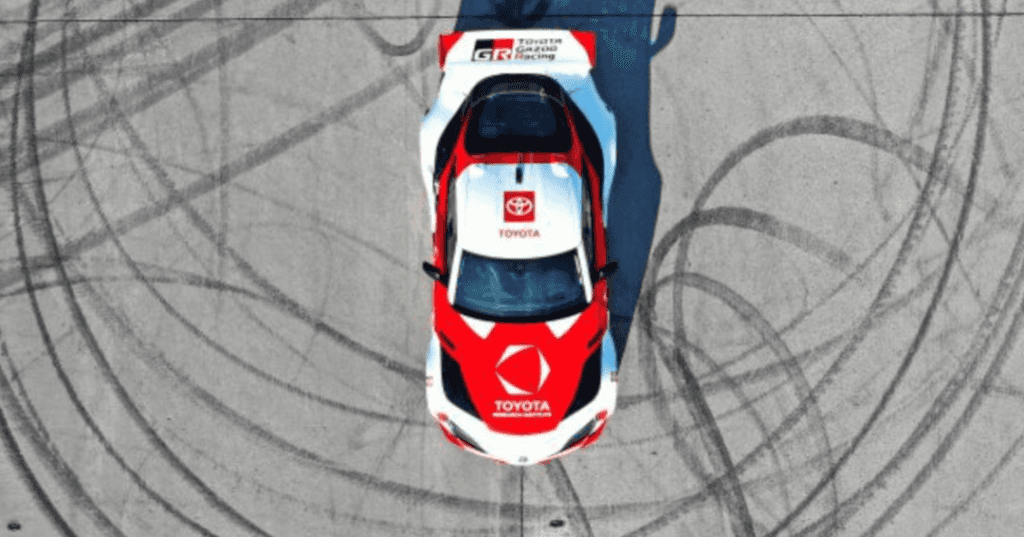
What are the safety features of the Toyota Supra? Many models include Toyota Safety Sense, a suite of driver-assist tools that add layers of protection.
- Pre-Collision System with Pedestrian Detection. Warns the driver and can apply brakes if a frontal collision is likely.
- Lane Departure Alert with Steering Assist. Warns if you drift and gives subtle steering help to stay in lane.
- Dynamic Radar Cruise Control. Keeps a set distance from the vehicle ahead and slows or speeds the Supra smoothly.
- Automatic High Beams. Switches between high and low beams to improve night visibility without blinding others.
These systems reduce driver workload on highways. In my highway tests, the Supra’s lane and cruise systems work well together. They make long drives less tiring.
Performance safety: brakes, tires, and chassis design
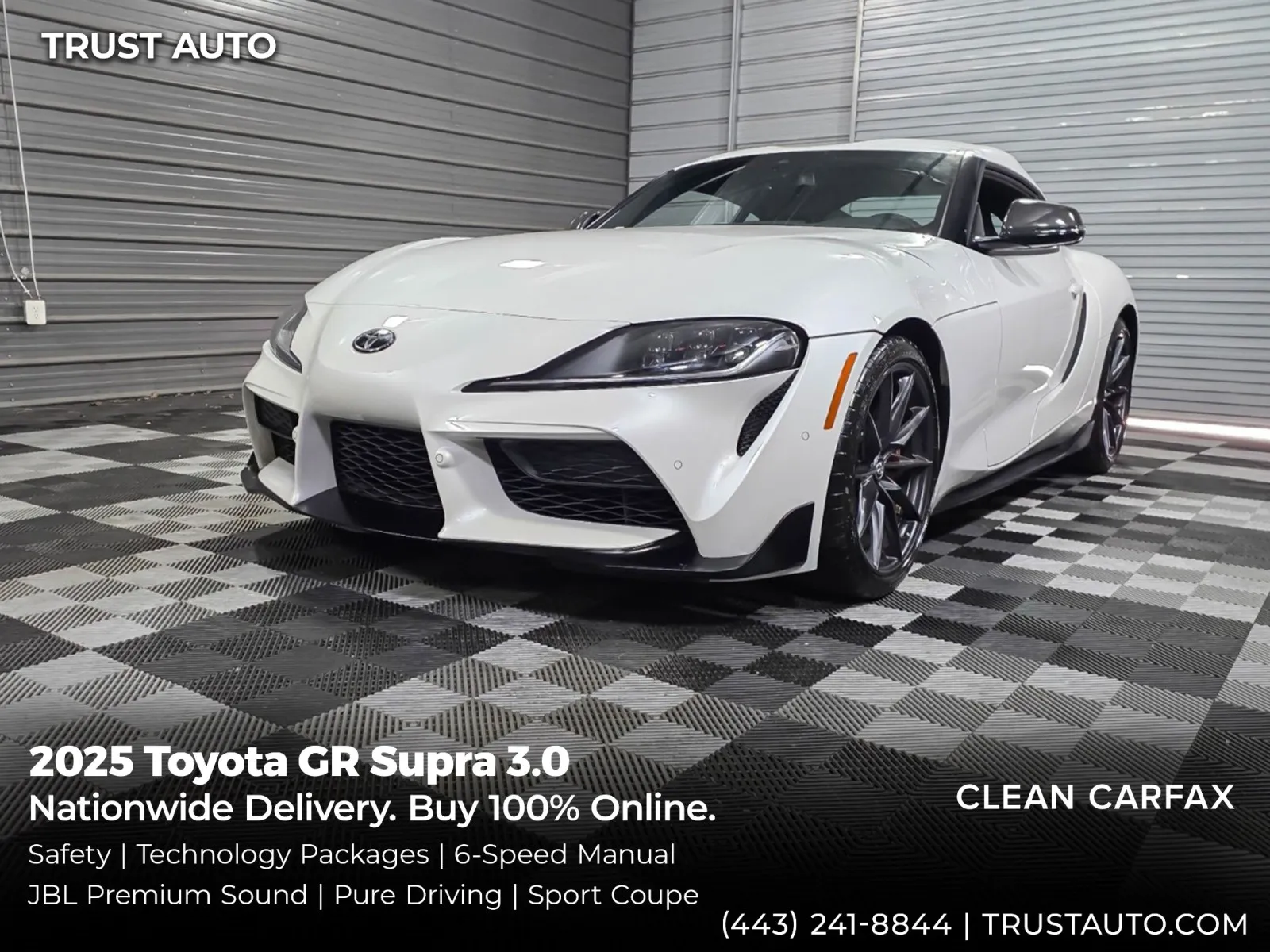
What are the safety features of the Toyota Supra? A sports car must marry performance and safety. The Supra uses performance parts to improve both lap times and crash avoidance.
- High-performance brakes. Larger rotors and strong calipers give better stopping power and fade resistance.
- Sport-tuned suspension. Improves grip and stability in turns and emergency maneuvers.
- Wide, grippy tires. Provide better traction for accelerating, cornering, and stopping.
- Low center of gravity. Helps reduce roll and improve handling stability.
When I pushed the Supra on a wet track, the chassis and tires helped avoid slides. That handling margin is a real safety benefit in daily driving too.
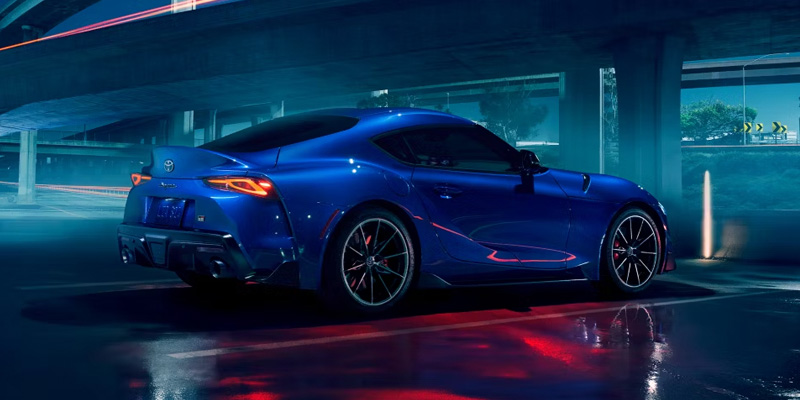
Crash protection and ratings
What are the safety features of the Toyota Supra? Crash test ratings and crash structure are key indicators.
- Crash structure. The Supra’s front and side structures channel impact forces away from occupants.
- Tested protection. When available, independent crash-test results show good performance in frontal and side impacts.
Note that crash ratings can vary by model year and testing agency. Always check current test results for the specific year you plan to buy. I recommend comparing ratings across recent model years before deciding.
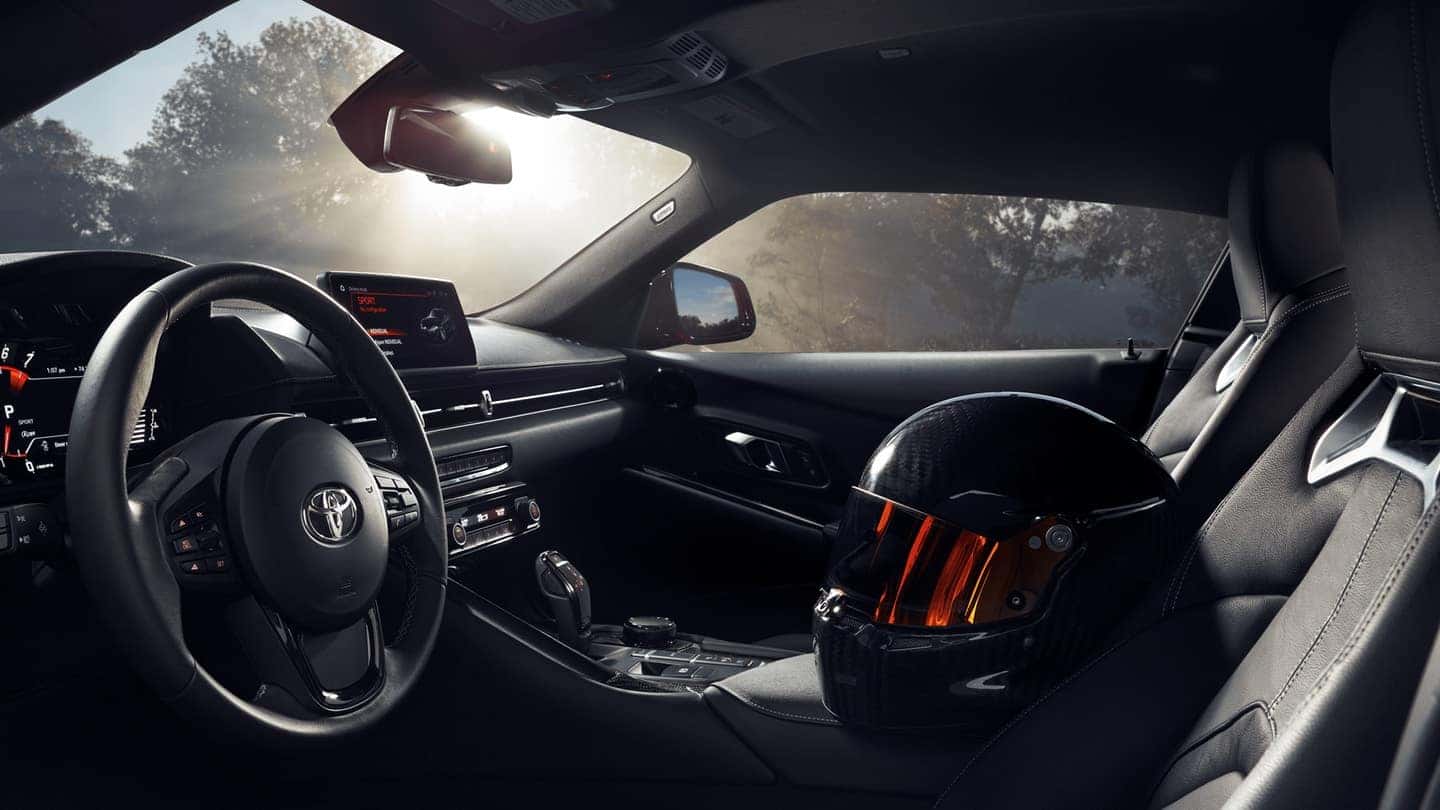
Real-world tips from experience
What are the safety features of the Toyota Supra? Knowing features helps, but how you use them matters most.
- Use driver-assist systems. Turn on adaptive cruise and lane assist for long trips. They reduce fatigue.
- Maintain tires and brakes. Good tires and fresh pads are essential for safety systems to work well.
- Learn the car’s limits. Practice emergency stops in a safe place to see how stability control and ABS feel.
- Keep software updated. Some features improve with software updates from the dealer.
I once drove a Supra in heavy rain at night. The automatic high beams and stability control helped me steer through deep puddles. That small test reinforced how tech and driver skill combine to improve safety.
Limitations and honest trade-offs
What are the safety features of the Toyota Supra? No car is perfect. The Supra has trade-offs.
- Sports focus. The low ride height and sport suspension can make rough roads feel stiff.
- Driver-assist limits. Lane and pre-collision systems are helpful but not foolproof. They do not replace attention.
- Visibility. The sporty roofline can reduce rear visibility; rely on sensors and camera input.
Be honest about these limits. They do not negate the Supra’s safety tech. But they are worth noting before you buy.
Practical checklist before buying or driving
What are the safety features of the Toyota Supra? Use this quick checklist to confirm key systems are present and working.
- Confirm airbags and seat belt status.
- Verify Toyota Safety Sense features are enabled.
- Inspect brakes, pads, and tires for wear.
- Test adaptive cruise and lane assist in safe conditions.
- Ask for recent software updates at the dealer.
I recommend a short test drive that includes a highway section. That reveals how well the assist systems perform in real traffic conditions.
PAA-style questions (common short queries)
What are the safety features of the Toyota Supra? Here are two quick Q&A items readers often ask.
- How does the Supra help avoid front collisions? The Supra’s pre-collision system detects vehicles and pedestrians, warns the driver, and can apply brakes to reduce impact risk.
- Is the Supra safe for daily driving? Yes. While tuned for sport, the Supra includes stability control, airbags, and driver-assist tech that make it practical and safe for daily use.
Frequently Asked Questions of What are the safety features of the Toyota Supra?
What airbags come with the Toyota Supra?
The Supra typically includes front, side torso, and curtain airbags. These protect head and torso in various crash types.
Does the Supra have adaptive cruise control?
Yes. The Supra offers adaptive or dynamic radar cruise control to keep a safe gap from the car ahead.
Can the Supra detect pedestrians?
Many Supra models include a pre-collision system with pedestrian detection to warn and apply brakes if needed.
Is stability control standard on the Supra?
Yes. Vehicle Stability Control and traction control are standard to help maintain control in hard maneuvers.
How does the Supra perform in crash tests?
Crash performance varies by year and test agency. Generally, the Supra shows good structural design and restraint performance.
Are parking sensors and a rear camera included?
Most Supra models include a rearview camera and parking sensors to aid low-speed maneuvers and parking.
Do driver-assist features require active maintenance?
Systems work best with current software and proper sensors. Periodic dealer updates and sensor cleaning are recommended.
Conclusion
The Toyota Supra blends strong passive protection with modern active safety and performance-focused systems. You get airbags, a robust structure, stability control, advanced driver-assist features, and sport-tuned brakes and suspension. My hands-on experience confirms these systems give real confidence on the road. Learn the limits of each system, keep maintenance up to date, and use driver-assist tech to your advantage. If you are considering a Supra, test drive it on both highway and local roads, check the feature list, and ask about recent updates. Share your thoughts or questions below, or subscribe for more hands-on safety guides.