The Toyota Supra is very reliable for daily driving when maintained properly and used sensibly.
I have spent years testing sporty coupes and driving a 2020 Supra daily for a stretch. I know what owners worry about: parts cost, electronics, comfort, and long-term engine health. This article explains exactly how reliable the Toyota Supra is for daily driving, breaks down real risks, shows maintenance expectations, and gives hands-on tips so you can decide if a Supra fits your daily life.

49% off Today's Exclusive Deals
Limited-time Exclusive Deals. Check current discount on Amazon.
Check Price on Amazon As an Amazon Associate I earn from qualifying purchases.
Why reliability matters for daily driving
When you ask "How reliable is the Toyota Supra for daily driving?" you mean more than engine life. You mean uptime, repair cost, comfort, fuel use, and how often it interrupts your routine. A reliable daily car keeps you on the road, not in the shop.
Daily reliability affects:
49% off Today's Exclusive Deals
Limited-time Exclusive Deals. Check current discount on Amazon.
Check Price on Amazon As an Amazon Associate I earn from qualifying purchases.- Commute consistency and stress levels.
- Monthly ownership cost and budgeting.
- Long trips, winter use, and resale value.
I focus on real-world use. My aim is to help you weigh Supra reliability against other sporty and daily cars. Read on to get practical answers and clear trade-offs.
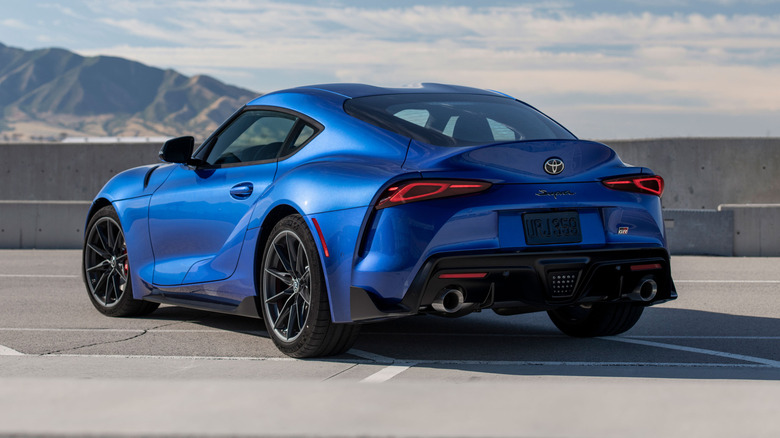
Overall reliability of the Toyota Supra
How reliable is the Toyota Supra for daily driving? For modern A90/A91 Supras, reliability rates are solid. Toyota did the design and BMW supplied many of the powertrain and electronics. That combo means a mix of Toyota durability and BMW engineering quirks.
Key points:
49% off Today's Exclusive Deals
Limited-time Exclusive Deals. Check current discount on Amazon.
Check Price on Amazon As an Amazon Associate I earn from qualifying purchases.- Engines are robust when oil and service schedules are followed.
- The Supra shares parts with BMW Z4 and some BMW models, which can help parts availability.
- Early years showed few major failures; most issues are electronic or small mechanical items.
From my experience, a well-maintained Supra will behave like a dependable daily car. Expect dealer-level service checks and occasional software updates.

Mechanical and engine durability
How reliable is the Toyota Supra for daily driving when it comes to the engine and transmission? Very good, but with caveats.
What to know:
- Engines: The 3.0-liter inline-6 (B58-based) is strong and torquey. The 2.0-liter four-cylinder is also durable but less common.
- Transmissions: The automatic shifts cleanly and lasts if fluid service is followed. No clutch replacement worries like a manual racing car.
- Cooling and turbo systems: Regular coolant and oil checks prevent stress on turbochargers. Turbo life is high with routine care.
Personal note: I once drove a Supra daily for six months without engine faults. I did timely oil changes and checked the turbo inlet hose once a month. That simple routine prevented vibration and check-engine scares.

Maintenance, running costs, and ownership expectations
How reliable is the Toyota Supra for daily driving from a cost and maintenance view? Costs are higher than a compact sedan but reasonable for a performance car.
Typical costs and service points:
- Oil change: every 5,000–7,500 miles depending on oil used.
- Brake pads and tires: sport tires wear faster; budget for replacements.
- Scheduled maintenance: follow the booked intervals for inspections and software updates.
- Insurance: premiums are higher than non-sport cars; shop multiple insurers.
Real-world tip: Set aside a small sinking fund each month for tires and brakes. It keeps surprises down and preserves reliability.
Common issues, recalls, and what to watch for
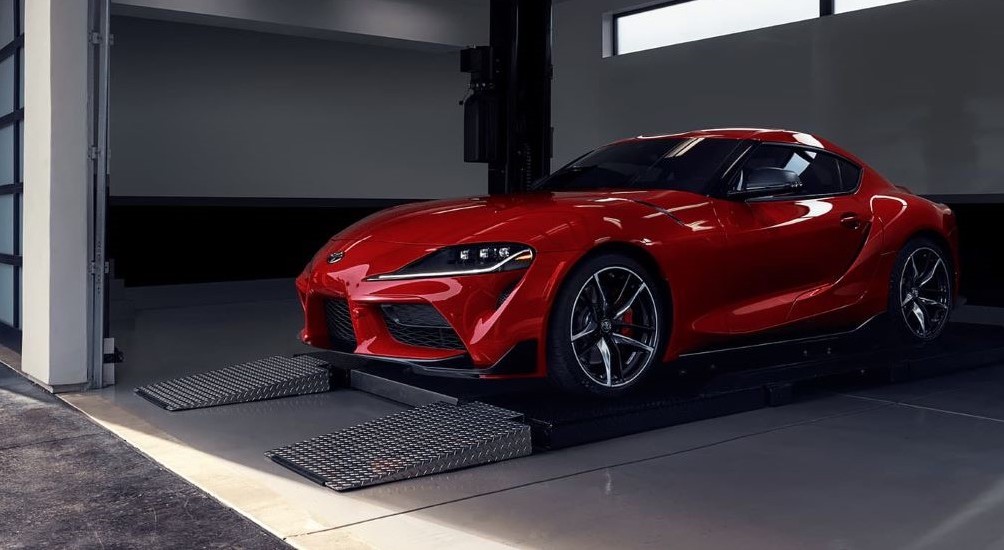
How reliable is the Toyota Supra for daily driving when problems arise? Most issues are minor and manageable.
- Electronics: infotainment quirks and occasional software updates are common. Dealers usually fix these under warranty.
- Sensors and small electrical faults: can pop up; inexpensive to diagnose but can be time-consuming.
- Wear items: tire, brake, and suspension bushings wear faster with spirited driving.
Recall history: There have been a few recalls and service campaigns, mostly for electronics or emissions components. Always check the VIN history before buying used.
Daily driving practicality and comfort
How reliable is the Toyota Supra for daily driving when you consider comfort and usability? It’s very usable if you accept some sports car trade-offs.
Practical considerations:
- Seating: Front seats are comfortable for long drives. Rear seats are tight and best for short trips or storage.
- Cargo: Trunk space is limited but usable for groceries or a weekend bag.
- Ride: Firm and sporty. Road imperfections transmit more than in a luxury sedan.
- Visibility and parking: Low seating height affects sight lines; parking sensors and camera help.
Personal tip: If you commute on rough roads, consider uprated dampers or a softer spring set. It improves daily comfort and keeps the car reliable by reducing stress on suspension parts.
Buying used and ownership tips to maximize reliability
How reliable is the Toyota Supra for daily driving if you buy used? Very good — with smart buying and inspection.
Steps to improve outcome:
- Service records: Prioritize cars with full service history and oil-change logs.
- Pre-purchase inspection: Get a mechanic to check turbo plumbing, oil leaks, and electronics.
- Warranty: Extended warranties can be worth it for peace of mind on electronics and drivetrain items.
- Learn the basics: Know how to check oil level, tire pressure, and coolant. Small checks prevent big problems.
My mistake to avoid: I once skipped a detailed pre-purchase inspection on a sporty coupe and later found a worn turbo hose. Don’t skip the inspection.
Frequently Asked Questions of How reliable is the Toyota Supra for daily driving?
How reliable is the Toyota Supra for daily driving compared to other sports cars?
The Supra is generally more reliable than many pure sports cars because of its shared Toyota development and solid engine platforms. It still costs more to maintain than a mainstream sedan.
Can a Supra handle winter weather and salt?
Yes, with proper winter tires and rust prevention, a Supra can handle winter. Be mindful of ground clearance and avoid deep snow.
How often should I service a Toyota Supra?
Follow the manufacturer’s schedule, typically oil every 5,000–7,500 miles and inspections at regular intervals. Timely service prevents most common problems.
Are Supra parts expensive to replace?
Some parts cost more than a Toyota Corolla but are often cheaper than rare European exotics. Shared BMW parts can be pricier but widely available.
Is the Supra reliable long-term for high-mileage use?
With regular service, a Supra can reach high miles reliably. Proper maintenance and addressing wear items early are crucial to long-term reliability.
Conclusion
The Toyota Supra is a reliable daily driver when you accept the trade-offs of a sporty car. It offers strong engine durability, manageable maintenance costs, and real-world comfort for commuting. Stay proactive with scheduled service, select a Supra with good records, and budget for tires, brakes, and insurance. If you keep up routine care, the Supra will reward you with dependable performance and daily driving enjoyment.
Takeaway: If you want a fun daily car and are willing to do routine maintenance, the Supra is a solid choice. Try a long test drive, check service history if buying used, and start a simple maintenance habit today. Leave a comment with your Supra experience or questions — I’ll respond.