When was the last time you thought about your vehicle’s engine oil? Changing engine oil in your first service is more important than you might realize.
This simple step can protect your engine, improve performance, and save you from costly repairs down the road. If you want your car to run smoothly and last longer, understanding why and how to change the oil early on is key.

49% off Today's Exclusive Deals
Limited-time Exclusive Deals. Check current discount on Amazon.
Check Price on Amazon As an Amazon Associate I earn from qualifying purchases.Keep reading to discover everything you need to know to keep your engine in top shape from the very start.
Importance Of First Oil Change
Changing engine oil during the first service is very important. It protects the engine and keeps the car running smoothly. New engines have small metal particles inside. These particles come from the engine parts rubbing together during the first use. Old oil collects these particles and removes them from the engine.
Using fresh oil after the first service helps the engine parts move freely. It reduces friction and prevents damage. Clean oil also improves the engine’s performance and fuel efficiency. Skipping the first oil change can cause engine wear and reduce its life.
49% off Today's Exclusive Deals
Limited-time Exclusive Deals. Check current discount on Amazon.
Check Price on Amazon As an Amazon Associate I earn from qualifying purchases.Removes Metal Particles And Debris
During the first few hundred miles, engine parts create tiny metal shavings. These shavings mix with the oil. Changing the oil removes these harmful particles. This protects the engine from scratches and damage.
Ensures Proper Lubrication
New oil keeps engine parts well-lubricated. It reduces friction between moving parts. This lowers heat and prevents engine wear. Proper lubrication helps the engine run quietly and efficiently.
Improves Engine Performance
Fresh oil helps the engine work better. It cleans the engine parts and reduces buildup. This allows the engine to use fuel more efficiently. Better performance means smoother rides and less fuel waste.
Extends Engine Life
Regular oil changes, starting with the first one, protect the engine. Clean oil prevents damage and wear. This helps the engine last longer. A well-maintained engine saves money on repairs.
49% off Today's Exclusive Deals
Limited-time Exclusive Deals. Check current discount on Amazon.
Check Price on Amazon As an Amazon Associate I earn from qualifying purchases.
When To Change Engine Oil
Changing engine oil in the first service is a key step to keep your vehicle healthy. Engine oil protects the engine parts and helps it run smoothly. Knowing the right time to change the oil can save you from costly repairs. It also keeps your car efficient and safe.
Recommended Mileage And Timeframe
Most car makers suggest changing the oil after 5,000 to 7,500 miles. This varies by vehicle type and oil used. Some newer cars with synthetic oil can go up to 10,000 miles. Changing oil every 6 months is good, even if you drive less. Oil breaks down over time, losing its power to protect the engine.
Signs Your Oil Needs Changing
Dark or dirty oil means it needs changing. Check the oil color with the dipstick. If it looks black or gritty, change it soon. Loud engine noise or knocking sounds show oil is not working well. Burning smell or smoke from the engine also signals a problem. Low oil level is a warning to top up or change the oil. Regular checks help spot these signs early.
Choosing The Right Oil
Choosing the right engine oil for the first service is very important. The oil protects the engine parts from wear and tear. It also helps the engine run smoothly and last longer. Using the correct oil keeps the engine clean and cool. This section explains the types of engine oils and the importance of viscosity and specifications.
Types Of Engine Oil
There are three main types of engine oil: mineral, synthetic, and semi-synthetic. Mineral oil is made from natural crude oil. It is cheaper but does not last very long. Synthetic oil is made in labs and offers better protection. It works well in extreme temperatures. Semi-synthetic oil is a mix of mineral and synthetic oils. It provides a balance between price and performance. Choose the type based on your vehicle’s needs and budget.
Viscosity And Specifications
Viscosity shows how thick or thin the oil is. The number on the oil label, like 10W-40, tells the viscosity. The first number with “W” means winter viscosity. The second number shows how thick the oil is at high temperature. The right viscosity helps the engine parts move easily. Always check your vehicle manual for the recommended viscosity.
Oil specifications ensure the oil meets industry standards. Look for certifications like API, ACEA, or manufacturer approvals. These labels guarantee the oil protects your engine well. Using oil that meets these specs keeps your engine healthy and improves its performance.
Tools And Materials Needed
Changing engine oil during the first service is important. Having the right tools and materials makes the job easier. It also helps avoid mistakes and saves time. Preparing everything before starting ensures a smooth process.
Oil Drain Pan
An oil drain pan catches old oil safely. It prevents spills on the floor. Use a pan that is large enough for your vehicle’s oil capacity.
Wrench Or Socket Set
A wrench or socket set removes the drain plug. Choose the correct size for your car. This tool helps loosen and tighten bolts easily.
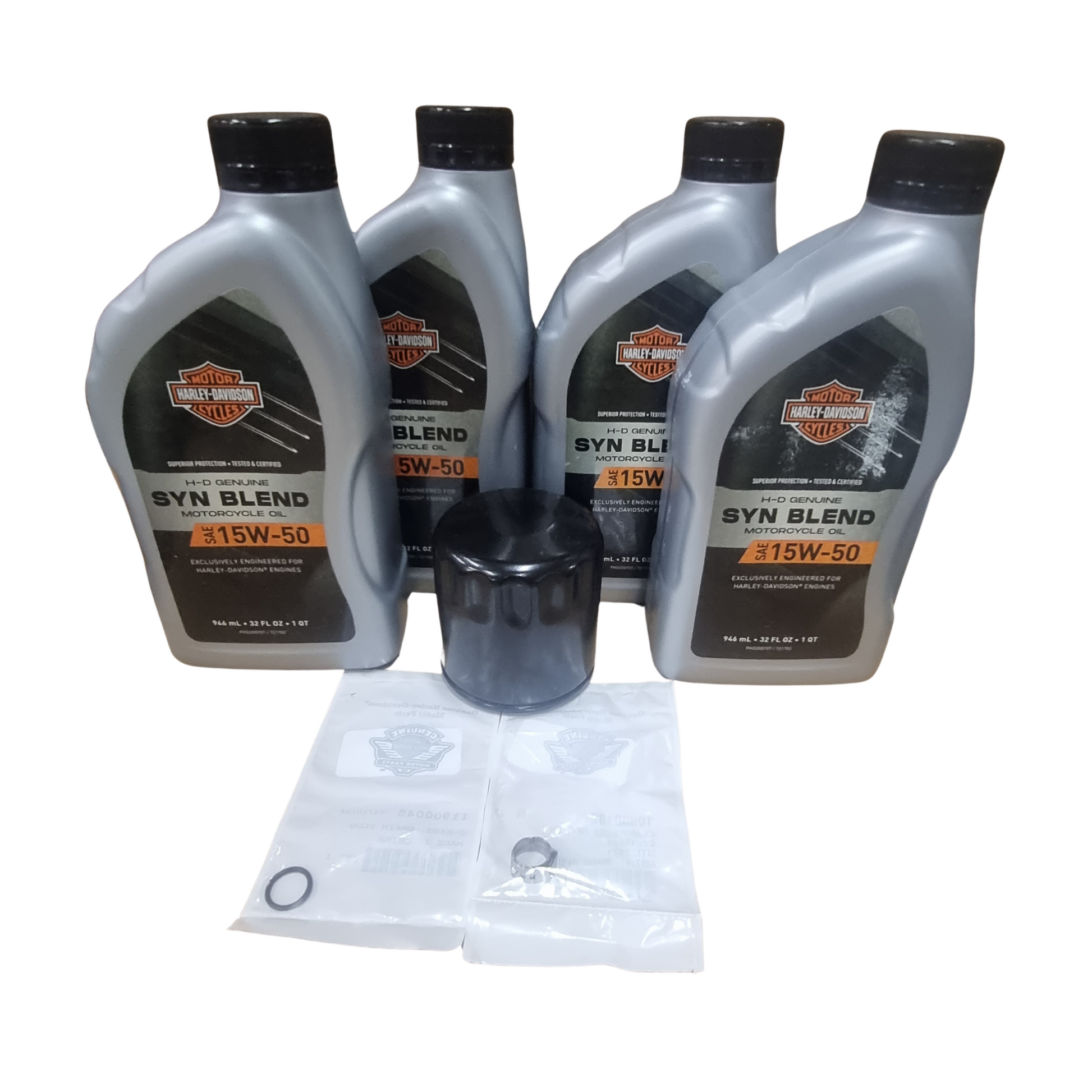
New Engine Oil
Select the right type and amount of engine oil. Check your vehicle’s manual for specifications. Use fresh oil for better engine performance.
Oil Filter
Replace the old oil filter with a new one. This keeps the engine clean and running well. Make sure the filter fits your vehicle model.
Oil Filter Wrench
An oil filter wrench helps remove the old filter. It fits around the filter for a firm grip. This tool makes the task less difficult.
Rags Or Paper Towels
Use rags or paper towels to clean spills. Wipe your hands and tools during the process. Keeping the workspace clean is important.
Gloves
Wear gloves to protect your hands from hot oil. Gloves also keep your skin clean. Choose gloves that fit well and allow movement.
Funnel
A funnel helps pour new oil without spills. It directs the oil into the engine smoothly. This tool reduces mess and waste.
Step-by-step Oil Change Process
Changing engine oil during the first service is vital for your vehicle’s health. This process keeps the engine clean and running smoothly. Follow these clear steps to change the oil safely and correctly. Each step ensures your car gets the care it needs.
Preparing The Vehicle
Park your car on a flat surface. Turn off the engine and let it cool for 10 minutes. Gather all tools: wrench, oil drain pan, new oil, and filter. Wear gloves to protect your hands. Make sure you have the right oil type for your car.
Draining Old Oil
Locate the oil drain plug under the car. Place the drain pan below the plug. Use a wrench to loosen the plug carefully. Let the old oil drain completely. Replace the drain plug and tighten it securely.
Replacing Oil Filter
Find the oil filter near the engine. Use an oil filter wrench to remove it. Prepare the new filter by applying a thin oil layer on its rubber seal. Screw the new filter in place by hand. Tighten it firmly but do not over-tighten.
Adding New Oil
Open the car’s hood and find the oil filler cap. Pour the new oil slowly into the engine. Use a funnel to avoid spills. Check the oil level with the dipstick. Add more oil if needed, but do not overfill.
Common Mistakes To Avoid
Changing engine oil during the first service is important for your vehicle’s health. Avoiding common mistakes can save you from costly repairs. Many car owners rush or miss steps, causing engine problems later. Knowing what not to do helps keep the engine running smoothly.
Not Using The Right Oil Type
Using the wrong oil can damage your engine. Always check the owner’s manual for the correct oil grade. Thicker or thinner oil than recommended affects engine performance and wear.
Skipping The Oil Filter Change
Changing the oil filter is as important as changing the oil. A dirty filter lets dirt enter the engine. This causes faster engine wear and poor efficiency.
Overfilling Or Underfilling Oil
Too much oil can cause pressure issues in the engine. Too little oil leads to poor lubrication. Use the dipstick to check oil levels after filling.
Not Draining Old Oil Completely
Old oil holds dirt and metal particles. If not fully drained, it mixes with new oil. This reduces the oil’s ability to protect the engine.
Ignoring Oil Change Intervals
Delaying the first oil change harms engine life. New engines need fresh oil to remove break-in debris. Stick to the service schedule for best results.
Benefits Of Regular Oil Changes
Changing engine oil regularly keeps your car running smoothly. Fresh oil reduces friction between engine parts. This prevents wear and tear, helping the engine last longer.
Clean oil also helps remove dirt and debris. These particles can cause damage if left inside the engine. Regular oil changes keep the engine clean and healthy.
Improved Engine Performance
New oil allows the engine to run efficiently. It ensures all parts move easily without sticking. This results in better power and smoother rides.
Enhanced Fuel Efficiency
Old, dirty oil makes the engine work harder. This burns more fuel. Changing oil regularly helps save fuel and lowers running costs.
Reduced Engine Wear
Oil acts as a lubricant, protecting engine parts. Fresh oil reduces friction and heat. This lowers the chance of engine breakdowns.
Prevention Of Engine Overheating
Oil helps cool the engine by reducing heat. Dirty oil loses this ability. Regular changes keep the engine cooler and safer.
Longer Engine Life
Consistent oil changes prevent damage and corrosion. This extends the overall life of your engine. It saves money on repairs and replacements.
Tips For Maintaining Engine Health
Keeping your engine healthy starts with simple daily care. Small steps can prevent big problems later. These tips help your engine run smoothly for a long time.
Changing engine oil in the first service is key. Clean oil reduces wear and keeps parts moving well. Following good habits protects your engine’s life.
Regular Inspections
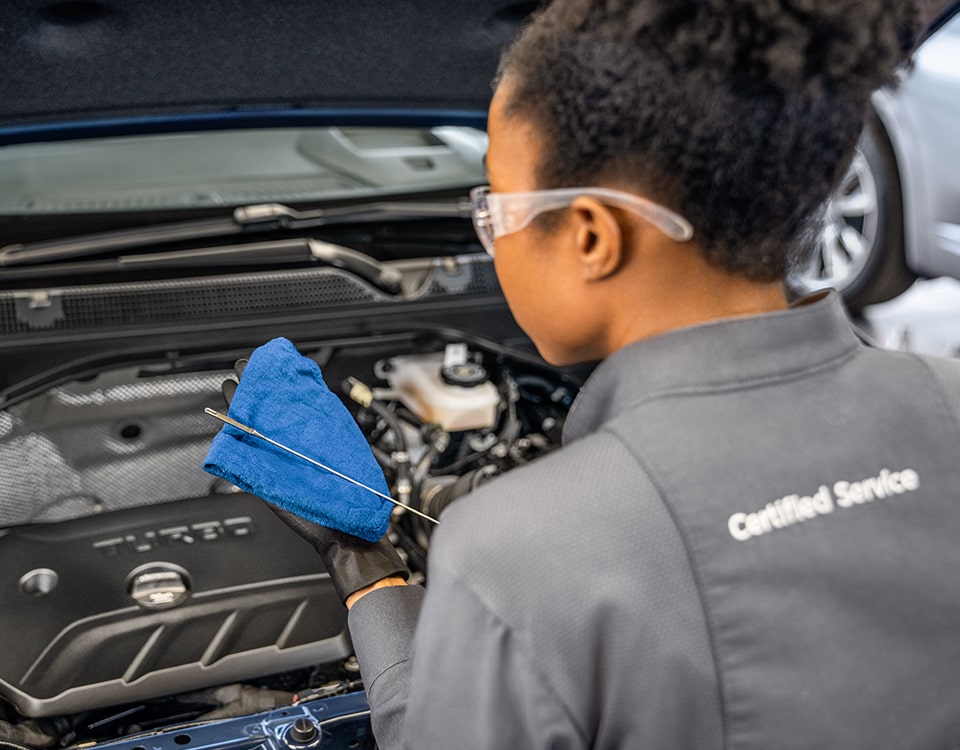
Check your engine often. Look for leaks, strange noises, or smoke. Early signs of trouble can save costly repairs. Use a checklist to avoid missing anything. A quick look under the hood helps catch problems early.
Inspect oil levels regularly. Low oil harms the engine fast. Top up or change oil as needed. Keep an eye on oil color and smell. Dark or burnt oil means change time.
Using Quality Parts
Always choose good oil and filters. Cheap parts may damage your engine. Quality oil protects against heat and friction. Filters keep dirt out and engine clean. Use parts that fit your engine model exactly.
Buying trusted brands is safer. They meet industry standards for engine care. Good parts improve your car’s performance. They also last longer, saving money over time.
Frequently Asked Questions
When Should I Change Engine Oil In First Service?
You should change engine oil during the first service, typically after 1,000 to 1,500 miles. Fresh oil ensures engine protection and smooth performance.
Why Is First Engine Oil Change Important?
The first oil change removes metal particles and impurities from initial engine wear. This prevents damage and extends engine life.
How Much Does First Engine Oil Change Cost?
The cost varies by vehicle and location but usually ranges from $30 to $70. It is a worthwhile investment for engine health.
Can I Skip Engine Oil Change In First Service?
Skipping the first oil change can lead to engine damage and reduced efficiency. It is crucial to follow manufacturer recommendations.
Conclusion
Changing engine oil during the first service keeps your car’s engine healthy. Clean oil helps the engine run smoothly and last longer. Old oil can cause parts to wear out faster. Regular oil changes protect your car’s performance. Always follow the service schedule for best results.
This small step saves money on repairs later. Take care of your car, and it will take care of you. Simple, easy maintenance makes a big difference. Don’t skip the first oil change—it matters a lot.


