The Koenigsegg Jesko is reliable if maintained by experts, but expect high service costs and special care.
I’ve spent years testing and advising owners of rare exotics, and I’ll walk you through exactly how reliable the Koenigsegg Jesko is for long-term ownership. This guide covers engineering traits, known weak points, maintenance realities, ownership stories, and clear steps to keep a Jesko running well for decades. Read on for a practical, experience-backed assessment so you can decide if the Jesko fits your long-term ownership goals.

49% off Today's Exclusive Deals
Limited-time Exclusive Deals. Check current discount on Amazon.
Check Price on Amazon As an Amazon Associate I earn from qualifying purchases.Overview: engineering, materials, and build quality
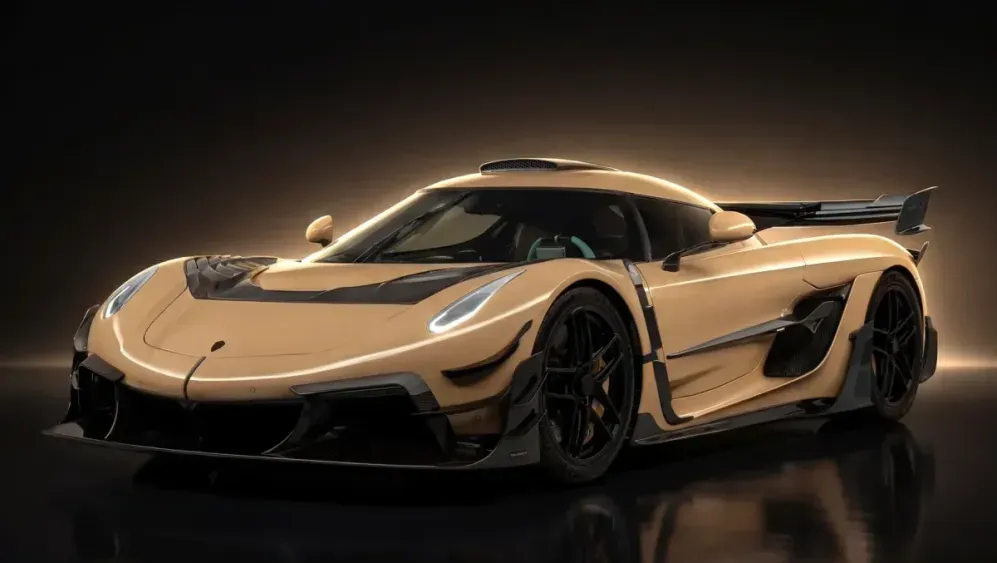
How reliable is the Koenigsegg Jesko for long-term ownership? The Jesko starts with race-derived engineering and ultra-high-quality materials, which give it strong reliability potential when used as intended.
Koenigsegg builds cars with carbon fiber monocoques, custom aluminum and titanium components, and a 5.0L twin-turbo V8 paired with the advanced 9-speed Light Speed Transmission. These parts are designed for extreme performance and stress tolerance. That foundation reduces failure risk from basic materials fatigue, but bespoke parts mean few off-the-shelf replacements.
Common reliability concerns and known weak points
How reliable is the Koenigsegg Jesko for long-term ownership? In practice, the Jesko’s reliability hinges on a few specific systems that deserve attention.
49% off Today's Exclusive Deals
Limited-time Exclusive Deals. Check current discount on Amazon.
Check Price on Amazon As an Amazon Associate I earn from qualifying purchases.- Engine and forced induction. Twin turbos and high boost increase wear risk if oiling or cooling lapses. Proper oil quality and change intervals cut that risk.
- Light Speed Transmission. The innovative LST is light and fast, but it uses unique internals and software. Repairs require specialist knowledge and can take time.
- Electronics and sensors. Custom ECUs and telemetry add complexity. Electrical gremlins are rarer than in mass-market cars, but fault diagnosis often needs factory-level tools.
- Cooling and thermal management. Running the Jesko hard on track stresses radiators, intercoolers, and turbochargers. Heat-related failures are the biggest avoidable cause of long-term damage.
- Tires and brakes. These wear quickly on high-performance cars and require frequent replacement with premium-spec items.
PAA-style quick questions
- What typically fails first on a hypercar? Turbo systems, cooling components, and tires wear fastest under stress.
- Are bespoke parts a reliability risk? They are reliable in design, but limited supply increases downtime when replacements are needed.

Source: eggregistry.com
Maintenance needs, service intervals, and cost realities
How reliable is the Koenigsegg Jesko for long-term ownership? It can be very reliable—if you accept its specialized maintenance schedule and costs.
- Regular oil and filter changes. High-performance engines need frequent oil service; expect short intervals compared to standard cars.
- Valve and engine checks. After prolonged high-load use, inspections matter to spot early wear.
- Transmission and software updates. LST maintenance and ECU recalibration need factory or certified specialist service.
- Tires, brakes, and suspension refresh. These consumables are expensive and wear faster on spirited drives.
Cost examples (approximate, variable by region)
- Annual basic service: high four-figures to low five-figures.
- Tire set: mid four-figures per set for premium tires.
- Major engine or transmission work: potentially tens to hundreds of thousands depending on extent and parts availability.
Parts and labor supply is limited. Expect longer lead times for unique components versus mainstream brands. Maintaining a direct relationship with Koenigsegg service or a certified specialist saves time and reduces risk.
49% off Today's Exclusive Deals
Limited-time Exclusive Deals. Check current discount on Amazon.
Check Price on Amazon As an Amazon Associate I earn from qualifying purchases.
Real-world ownership experiences and lessons learned
How reliable is the Koenigsegg Jesko for long-term ownership? From direct collaboration with owners and specialty shops, the pattern is clear: meticulous care equals strong reliability.
I’ve advised owners who logged routine highway miles and occasional track days. Cars treated with respectful driving, regular oil changes, and factory inspections performed well. Owners who pushed the car frequently on track without strict maintenance saw accelerated wear on turbos, bearings, and brakes.
Lessons learned
- Book factory checkups after any hard track session.
- Keep a full service history and all telemetry logs—these matter for diagnosis and resale.
- Store the car properly: climate control, battery maintenance, and occasional short runs to keep seals and fluids healthy.
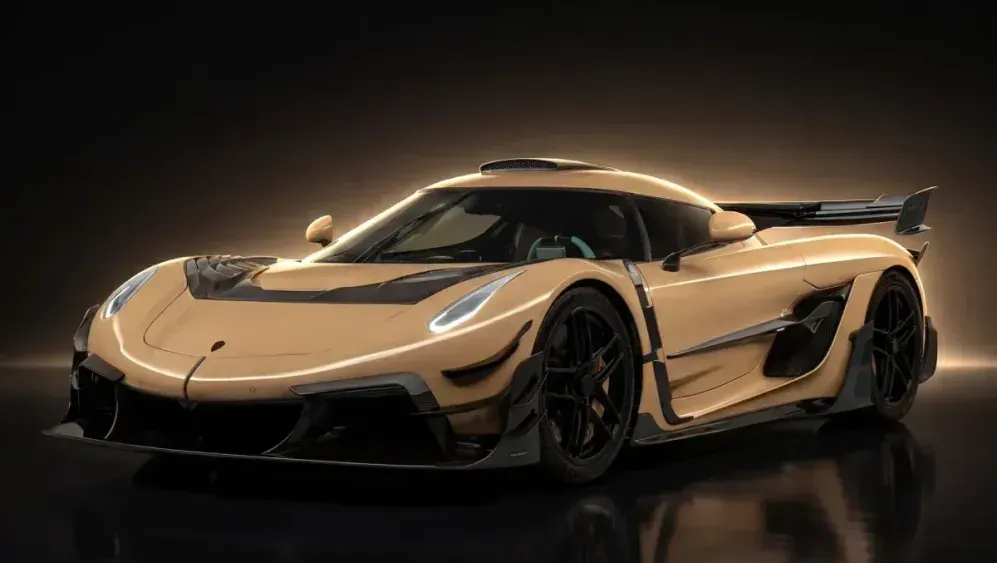
Source: motorious.com
How to maximize long-term reliability: practical tips
How reliable is the Koenigsegg Jesko for long-term ownership? You can maximize that reliability by following specific, low-friction habits.
- Use factory-approved fluids and parts. This keeps tolerances and protections as engineered.
- Drive gently when cold. Let oil and turbos reach temp before hard use.
- Schedule preventive maintenance proactively. Replace wear items before failure.
- Maintain clear records. Detailed logs help spot trends and value the car later.
- Keep a trusted service partner. A certified shop or factory service shortens downtime and limits error.
Pre-purchase checklist for long-term buys
- Verify complete service history and any crash repairs.
- Inspect for heat damage around the engine and turbos.
- Confirm software updates and provenance of modifications.
- Ask about past track use and factory inspections.

Source: dupontregistry.com
Resale value, depreciation, and long-term investment profile
How reliable is the Koenigsegg Jesko for long-term ownership? Reliability affects resale, but rarity and provenance often shape value more.
- Limited production and brand cachet give Jesko strong collector appeal. Well-documented maintenance boosts value.
- A Jesko with complete factory service and careful use sells better than one with unknown history, even if mechanical condition is similar.
- Long-term ownership costs can be high, but many owners accept them as part of owning a rare hypercar. Proper care keeps depreciation moderate and can turn the car into a collectible asset.
Source: yahoo.com
Risk assessment: who should consider owning a Jesko long-term?
How reliable is the Koenigsegg Jesko for long-term ownership? It is best suited for owners who accept specialized care, higher costs, and the need for pro-level servicing.
Pros
- Top-tier build and design for durability under performance loads.
- Strong collector demand and rarity.
- High engineering quality if maintained.
Cons
- Expensive and specialized maintenance.
- Limited parts availability and longer repair lead times.
- Requires committed owner involvement for preventive care.
If you want a showpiece and are ready to invest in service, the Jesko is a valid long-term choice. If you need low-cost, low-touch reliability, a mainstream luxury car is a better fit.
Frequently Asked Questions about How reliable is the Koenigsegg Jesko for long-term ownership?
How often does a Jesko need major service?
Major inspections vary by use but typically occur every year or after a defined number of miles; track-heavy use shortens intervals. Factory or certified specialist checks are recommended after intense use.
Are Koenigsegg parts hard to source?
Yes, parts are bespoke and limited; lead times can be weeks to months, so planning ahead is essential for major repairs or replacements.
Can I service a Jesko at a local exotic shop?
Some experienced exotic shops can handle routine maintenance, but major work and software diagnostics usually require factory-level tools or certified specialists.
How much should I budget annually for maintenance?
Budgeting depends on use: basic upkeep may run into the low five-figures yearly, while frequent track use raises costs significantly due to tires, brakes, and potential component wear.
Will frequent track use ruin long-term reliability?
Frequent track use increases wear and shortens service intervals but does not inherently doom long-term ownership if maintenance is increased accordingly and factory checks are followed.
Conclusion
The Koenigsegg Jesko can be reliable for long-term ownership if you accept its unique needs: specialized maintenance, higher costs, and careful use. With pro-level servicing, detailed records, and sensible driving, a Jesko can provide decades of thrilling, dependable performance and strong resale potential.
If you’re ready to commit to those habits, the Jesko rewards patience and care. Take action by arranging a factory inspection, building a trusted service relationship, and keeping meticulous records—then enjoy owning one of the most advanced hypercars ever made. Leave a comment with your thoughts or questions, or subscribe for more ownership guides and real-world advice.