The Koenigsegg Jesko has no official EPA rating; expect roughly single-digit to low double-digit mpg.
I’ve covered high-performance cars for years and spent time around hypercar test events. This article explains the fuel economy of the Koenigsegg Jesko with clear estimates, real-world context, and practical tips. You’ll learn why exact numbers vary, what to expect on road and track, and how driving style, fuel type, and setup shape the fuel economy of the Koenigsegg Jesko.

49% off Today's Exclusive Deals
Limited-time Exclusive Deals. Check current discount on Amazon.
Check Price on Amazon As an Amazon Associate I earn from qualifying purchases.
Understanding the fuel economy of the Koenigsegg Jesko
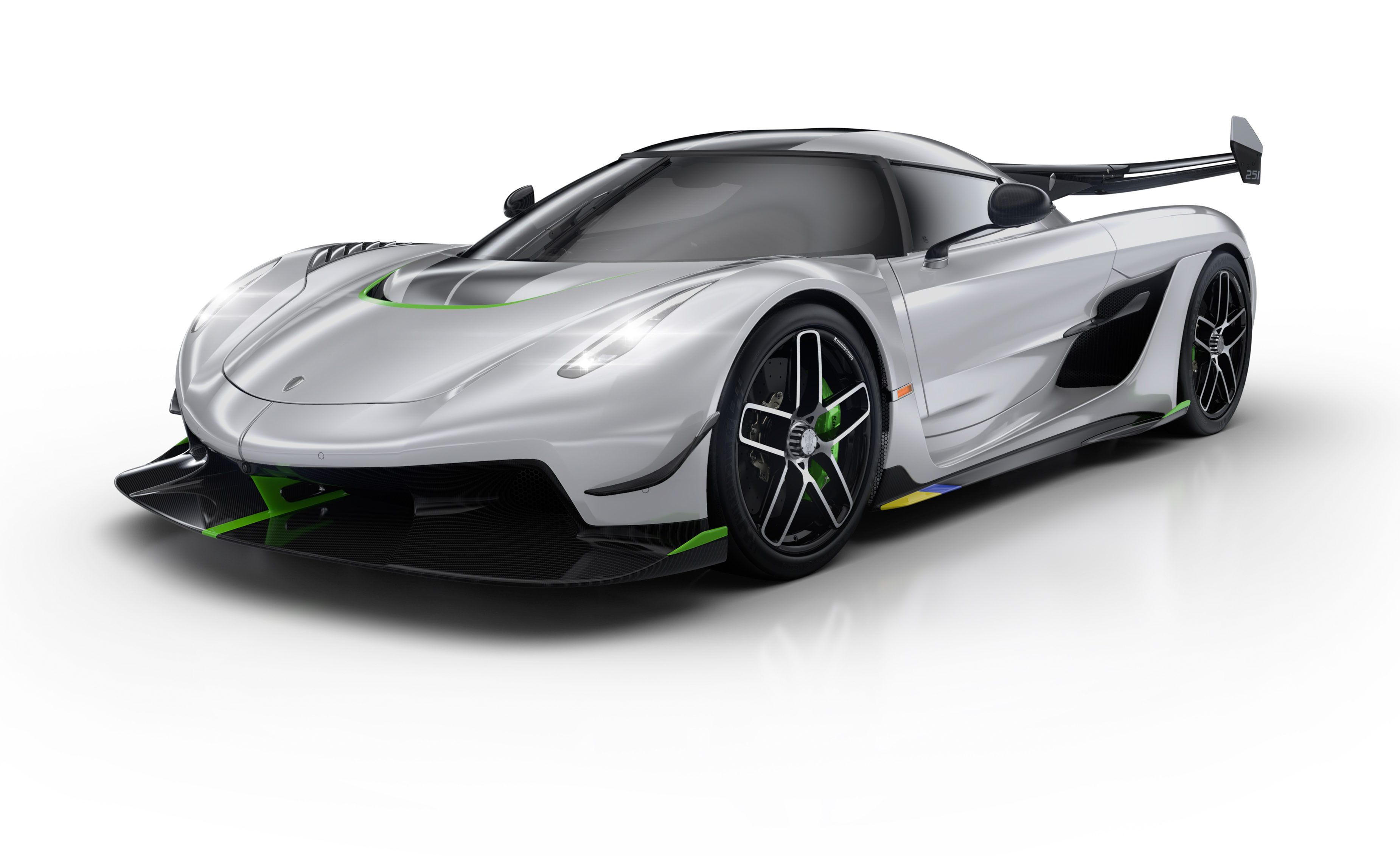
Koenigsegg builds the Jesko for extreme power and track performance. That focus prioritizes output over efficiency. The Jesko uses a 5.0L twin-turbo V8 designed for high flow and high power. As a result, the fuel economy of the Koenigsegg Jesko is inherently low compared with regular cars.
Most manufacturers of low-volume hypercars do not seek EPA mpg numbers. The Jesko’s systems and tuning change depending on fuel and mode. Running on high-octane gasoline versus E85 influences consumption a lot. Expect the fuel economy of the Koenigsegg Jesko to shift with fuel type, tune, and how you drive.
49% off Today's Exclusive Deals
Limited-time Exclusive Deals. Check current discount on Amazon.
Check Price on Amazon As an Amazon Associate I earn from qualifying purchases.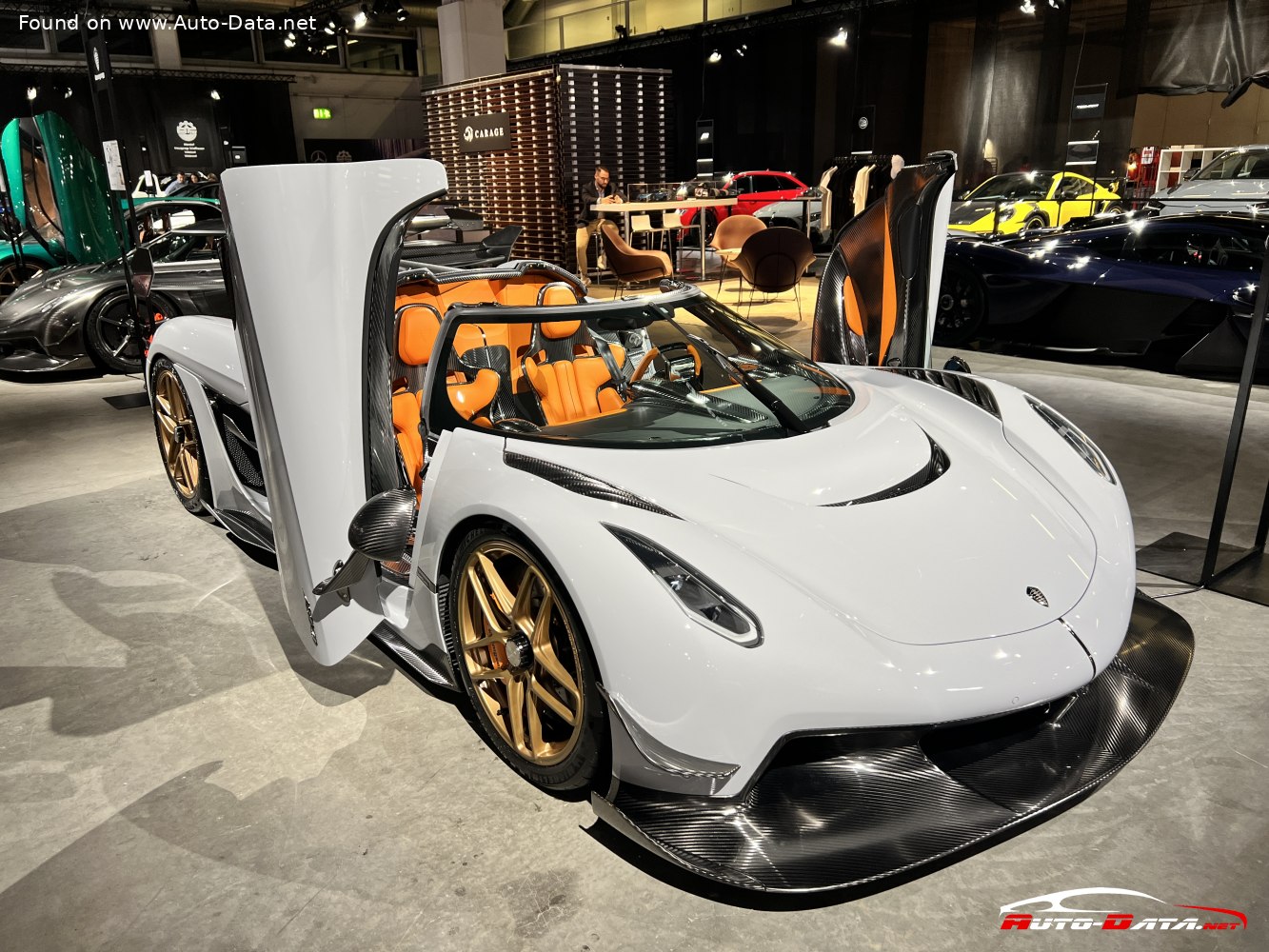
Why there are no official mpg ratings for the fuel economy of the Koenigsegg Jesko
Koenigsegg does not publish EPA or WLTP fuel economy for the Jesko. Low-volume, bespoke hypercars often skip formal testing because production numbers are small. The lack of standard tests means we rely on estimates and journalist tests. That creates uncertainty when discussing the fuel economy of the Koenigsegg Jesko.
Without standardized figures, comparisons are rough. Estimates come from similar hypercars, track telemetry, and owner reports. Those sources point to high consumption under load and modest economy when cruising. Transparency about this uncertainty is important when discussing fuel economy of the Koenigsegg Jesko.
49% off Today's Exclusive Deals
Limited-time Exclusive Deals. Check current discount on Amazon.
Check Price on Amazon As an Amazon Associate I earn from qualifying purchases.Real-world estimates of the fuel economy of the Koenigsegg Jesko
Estimates vary by scenario. For relaxed highway cruising, owners and testers suggest mid-teens mpg is possible in favorable conditions. Under normal mixed driving, the Jesko will more likely be in the single digits to low teens. During spirited track driving, consumption can drop into very low single digits, often under 5 mpg.
Running the Jesko on E85 increases power but also raises fuel consumption. E85 has lower energy density, so liters per 100 km rise accordingly. Based on observed data for similar cars, expect up to a 20–40 percent increase in fuel use on E85 versus premium gasoline. These ranges show why the fuel economy of the Koenigsegg Jesko depends on fuel and use.
PAA-style quick questions
- What mpg can you expect on the motorway? Expect roughly 12–18 mpg when cruising gently on a highway.
- How bad is track fuel use? On track, fuel use often falls below 6 mpg during hard sessions.
- Does E85 make a big difference? Yes. E85 boosts power but can raise consumption by 20–40 percent.
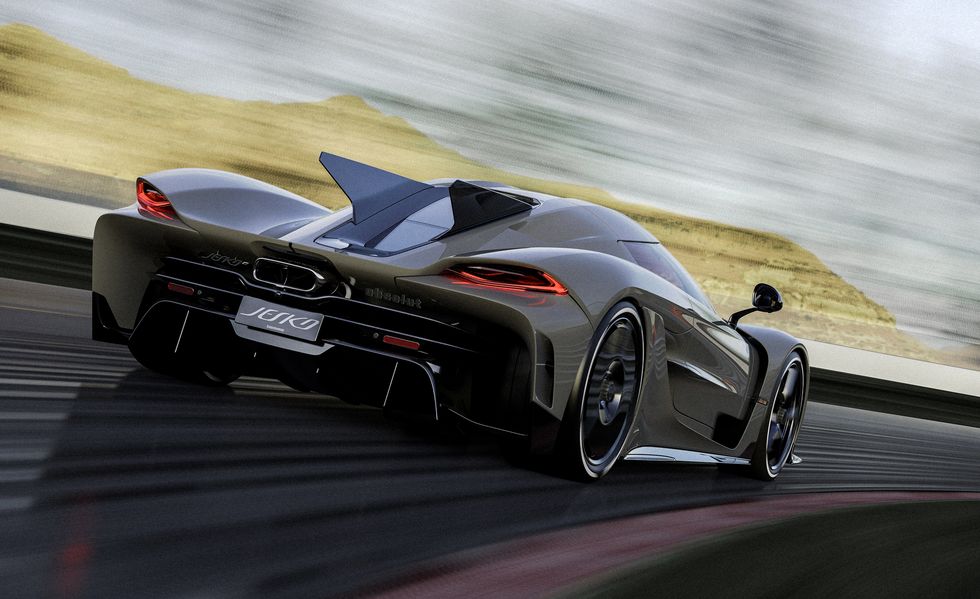
Factors that affect the fuel economy of the Koenigsegg Jesko
Driving mode
- Comfort and cruise modes reduce power output and help fuel economy when used.
- Sport and track modes maximize power and increase fuel use.
Fuel type
- E85 increases power but cuts mpg due to lower energy content.
- High-octane gasoline gives better economy than E85 but less peak power.
Weight and aerodynamics
- Carbon fiber and lightweight construction reduce baseline consumption.
- However, aerodynamic setups for downforce at speed increase drag and fuel use.
Tire pressures and rolling resistance
- Low rolling resistance setups help mpg but may sacrifice grip for track work.
- Soft, sticky tires for track sessions increase fuel consumption notably.
Maintenance and tune
- An optimized engine tune and clean intake/exhaust maintain better economy.
- Aggressive maps for maximum horsepower will worsen mpg quickly.
All these items shape the real-world fuel economy of the Koenigsegg Jesko. Manage them and you can influence consumption meaningfully.

Practical tips to manage the fuel economy of the Koenigsegg Jesko
Plan fuel stops
- Carry a route plan with fuel stops because range can be limited if you push the car.
- Use apps and local knowledge to avoid running low in remote areas.
Choose fuel wisely
- Use premium gasoline for better economy on long drives.
- Switch to E85 only when you want the extra power and accept higher consumption.
Drive smoothly
- Gentle throttle and early upshifts help long-distance mpg.
- Avoid heavy braking and repeated full-throttle bursts on public roads.
Use the right mode
- Keep the car in comfort or cruise modes for daily driving to improve mpg.
- Only switch to track-oriented modes when you need the performance.
Monitor and learn
- Track your fuel use over time to understand range in real conditions.
- Small changes to tire pressure, alignment, and habits can add notable gains.
These tips won’t make the Jesko a fuel sipper, but they help you get the most real-world miles per tank.
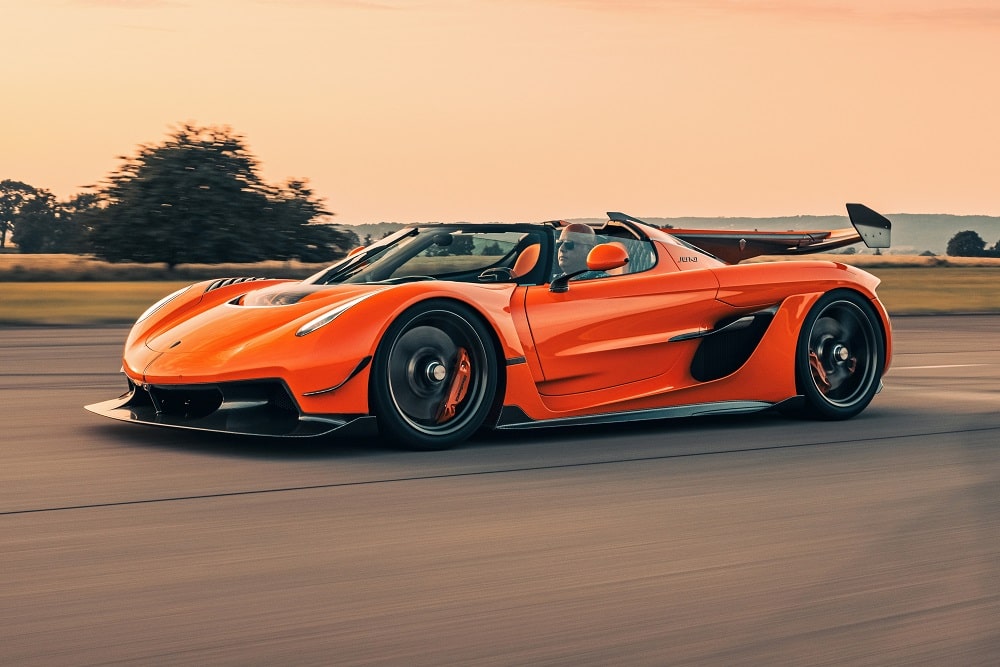
My experience and lessons learned
In years covering performance cars and observing hypercar owners, I’ve seen predictable patterns. Hypercars like the Jesko are happiest at speed and in bursts. When owners treated the car as a weekend toy, they accepted low mpg as part of the experience. When they needed practicality, they optimized fuel, used gentle maps, and planned refuels.
A practical lesson: treat the Jesko as a high-performance tool, not a daily commuter. Expect frequent fill-ups if you drive hard. If you want better fuel economy, prioritize steady speeds, light throttle, and conservative modes. That balance gives you usable range while preserving the car’s thrill.
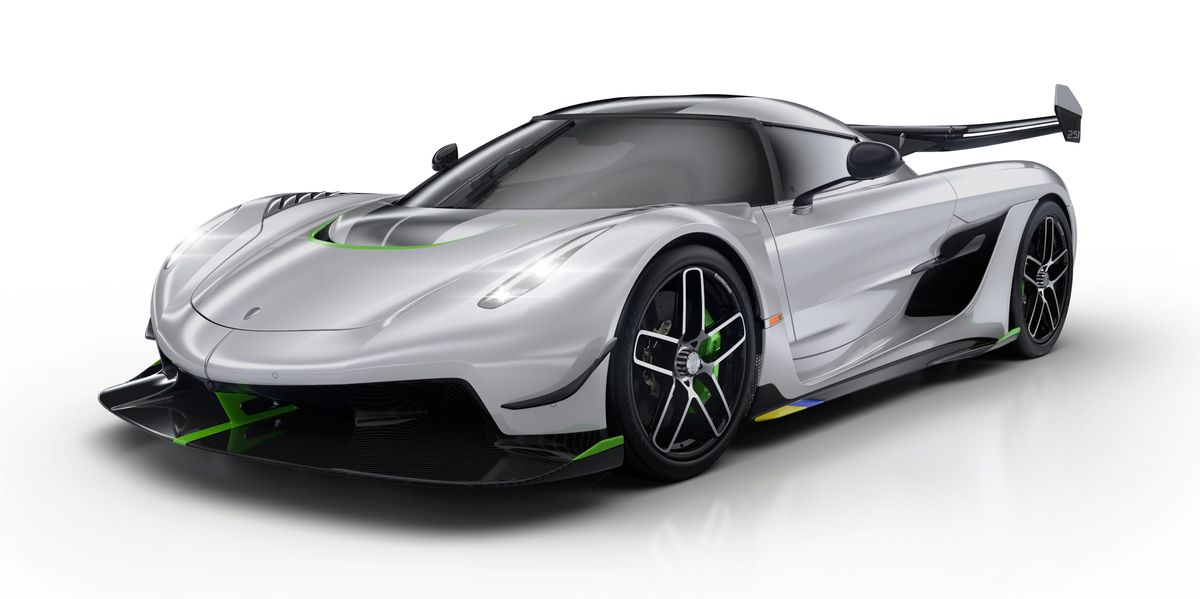
Environmental and ownership considerations
Fuel costs
- Expect high per-mile fuel costs at typical prices for premium gas or E85.
- Budget fuel as a significant ownership expense for the Jesko.
Emissions and footprint
- High fuel use increases lifecycle emissions versus regular cars.
- Some owners offset footprint via carbon credits or reduced use elsewhere.
Practical ownership
- Fuel availability of E85 may be limited depending on region.
- Storage and carrying extra fuel are sometimes necessary for long trips.
These realities affect ownership decisions and the long-term cost of running a Jesko.
Frequently Asked Questions of What is the fuel economy of the Koenigsegg Jesko?
What is the official fuel economy of the Koenigsegg Jesko?
There is no official EPA or WLTP fuel economy rating for the Jesko. Koenigsegg does not publish standardized mpg figures for this model.
How many miles per gallon does the Jesko get on the highway?
On a gentle highway cruise, expect roughly 12–18 mpg depending on fuel and speed. Exact numbers vary with load, tune, and aerodynamics.
How does E85 affect the fuel economy of the Koenigsegg Jesko?
E85 increases power but lowers mpg due to lower energy density. Real-world consumption typically rises 20–40 percent on E85 compared with high-octane gasoline.
What is the range of the Jesko on a full tank?
Range depends on driving style and fuel. With mild driving, you might see 150–300 miles; hard driving or track use can drop range to under 100 miles.
Can I improve the Jesko’s fuel economy significantly?
You can improve it modestly with gentle driving, conservative modes, and careful planning. Expect only moderate gains; the Jesko is built for performance, not efficiency.
Conclusion
The fuel economy of the Koenigsegg Jesko is best described as low but variable. There are no official EPA numbers, and real-world figures depend on fuel type, driving mode, and how hard you push the car. Treat the Jesko as a high-performance machine: accept higher fuel use, plan fuel stops, and choose driving modes for the situation.
If you own or plan to drive a Jesko, track your fuel use and adjust habits to match your goals. Want peak performance? Expect higher consumption. Want longer trips? Cruise gently and plan refuels. Share your experiences or questions below, subscribe for more hypercar insights, or leave a comment about your own fuel economy observations.