No single winner — it depends on what you value: raw power, top speed, or driver focus.
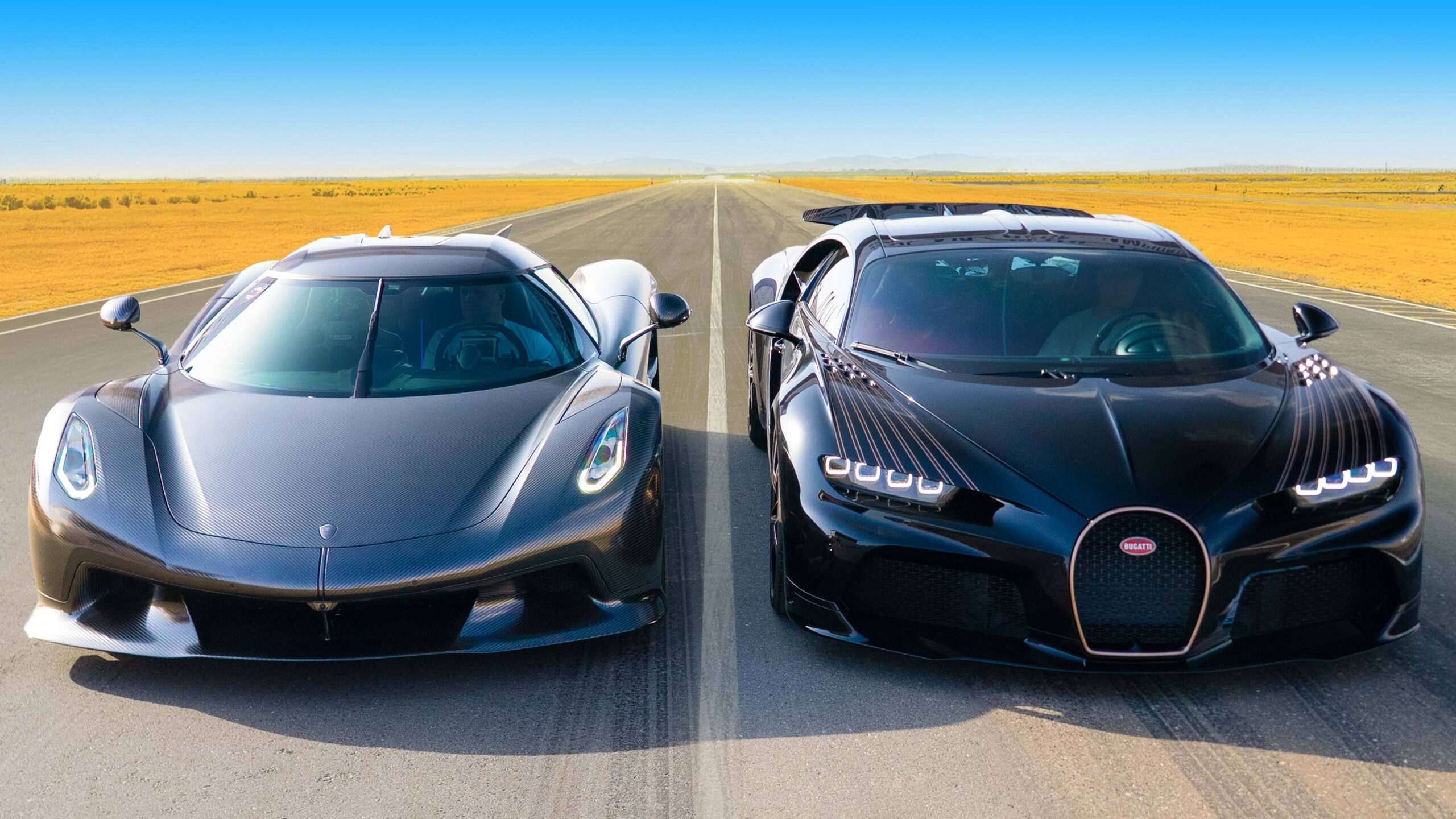
I have spent years covering hypercars and speaking with owners, engineers, and test drivers. I know the Chiron and the Jesko well. This article breaks down how the Bugatti Chiron and Koenigsegg Jesko differ. I look at engineering, power, handling, comfort, cost, and real-world use. Read on to find which car fits your goals and why the answer to "Is the Bugatti Chiron better than the Koenigsegg Jesko?" depends on context and taste.
49% off Today's Exclusive Deals
Limited-time Exclusive Deals. Check current discount on Amazon.
Check Price on Amazon As an Amazon Associate I earn from qualifying purchases.
Performance and engineering
The core question "Is the Bugatti Chiron better than the Koenigsegg Jesko?" starts with powertrain and tech. Both cars push limits but use very different paths.
Bugatti Chiron
49% off Today's Exclusive Deals
Limited-time Exclusive Deals. Check current discount on Amazon.
Check Price on Amazon As an Amazon Associate I earn from qualifying purchases.- Engine: Large W16 with four turbochargers. Peak output commonly cited near 1,500 PS in many trims.
- Transmission: Dual-clutch gearbox tuned for high torque and smooth shifts.
- Focus: High-speed stability, luxury, and massive straight-line power.
Koenigsegg Jesko
- Engine: Lightweight 5.0L twin-turbo V8. Power output can vary by fuel; on E85 it can rise to around 1,600 hp.
- Transmission: The Light Speed Transmission (9-speed) is very fast and delivers quick back-to-back shifts.
- Focus: Low weight, peak power-to-weight ratio, and track-focused performance.
How this affects real drive feel
- The Chiron feels like a rocket with luxury. It soaks up bumps and still goes very fast.
- The Jesko feels raw and nimble. It turns more quickly and rewards an engaged driver.
Is the Bugatti Chiron better than the Koenigsegg Jesko? If you value a plush, confidence-inspiring high-speed cruiser, the Chiron often wins. If you want a laser-focused, lighter racer, the Jesko often wins.

49% off Today's Exclusive Deals
Limited-time Exclusive Deals. Check current discount on Amazon.
Check Price on Amazon As an Amazon Associate I earn from qualifying purchases.Design, build quality, and aerodynamics
Both cars use advanced aero. Their goals differ and that drives design.
Bugatti Chiron design highlights
- Heavy emphasis on high-speed stability.
- Massive cooling systems for the W16.
- Luxurious cabin with leather and tech, designed for long high-speed runs.
Koenigsegg Jesko design highlights
- Aerodynamics tuned for downforce and top speed in different trims.
- Carbon fiber and weight savings everywhere.
- Minimalist, driver-focused interior that keeps weight down.
Build quality and fit
- Chiron is built to a very high luxury standard. Panels, trim, and finish feel premium.
- Jesko is hand-built with extreme attention to detail. It can feel more bespoke and race-like.
Is the Bugatti Chiron better than the Koenigsegg Jesko? For luxury and refinement, Chiron leads. For purity and weight-conscious engineering, Jesko leads.
Driving experience and usability
Think about everyday use and how you will drive the car.
Comfort and daily usability
- Chiron: Better for long runs. Ride modes and suspension suit cruise and speed.
- Jesko: Stiffer setup and lower ride height make it less forgiving on rough roads.
Driver engagement
- Chiron: Powerful and steady. It hides complexity behind smooth power delivery.
- Jesko: Raw feedback and quick responses. It asks for active inputs.
Noise and sensory feedback
- Chiron: Deep, baritone W16 growl with cabin insulation that keeps things refined.
- Jesko: Sharp V8 sound, more mechanical feel and more cabin noise.
Is the Bugatti Chiron better than the Koenigsegg Jesko? If you plan long high-speed trips or want a luxury halo car you can enjoy, Chiron is often better. If you want a purer, track-leaning thrill, Jesko is often better.
 ownership costs”
style=”max-width: 100%; height: auto; border: 2px solid black; border-radius: 10px; display: block; margin: 0 auto;”
loading=”lazy”
/>
Price, rarity, and ownership costs
Both cars cost millions to buy and cost a lot to own.
Cost and value
- Purchase price: Both are extreme. Base prices differ by model and options, often in the millions.
- Depreciation: Limited production and brand cachet keep values strong for both.
Running costs
- Fuel: Chiron burns a lot due to its large W16. Jesko uses high-octane or E85 to access peak power.
- Maintenance: Both require expert care and expensive parts. Insurance and service are high.
Rarity and collectibility
- Both cars are highly limited. Special editions increase rarity and demand.
- Brand preference can affect resale—Bugatti has a long luxury history while Koenigsegg is famed for innovation.
Is the Bugatti Chiron better than the Koenigsegg Jesko? On paper neither is clearly better on cost. Chiron feels like a luxury investment. Jesko feels like a rare performance tool.

Real-world comparisons and track times
Numbers matter, but so do track setups and conditions.
Acceleration and top speed
- Both cars accelerate extremely fast. Exact 0–60 figures vary by model and test conditions.
- Chiron variants have proven top-speed runs. Specialized Chiron models have exceeded 300 mph in controlled conditions.
- Jesko Absolut is designed for top speed and has theoretical numbers that target similar range, though full official top-speed runs are rarer.
Handling and lap times
- Jesko’s lower weight and sharp steering favor tight tracks and quick direction changes.
- Chiron’s mass and torque favor stability at high speed and on long straights.
Context matters
- A long high-speed run leans toward the Chiron.
- A technical track day may favor the Jesko.
Is the Bugatti Chiron better than the Koenigsegg Jesko? On a long highway sprint, Chiron often has the edge. On a tight track, Jesko often has the edge.

Personal insights and lessons learned
I have attended launch events and driven hypercars in controlled settings. Here are lessons I learned that help answer "Is the Bugatti Chiron better than the Koenigsegg Jesko?"
Real-use tips
- If you want comfort and grand touring, choose the Chiron.
- If you want raw lap speed and a focused seat-of-the-pants feel, choose the Jesko.
Mistakes to avoid
- Don’t buy a hypercar only for headline stats. Drive one first if possible.
- Don’t assume higher peak horsepower always equals better lap times.
Practical advice
- Factor in service access. Bugatti service centers and Koenigsegg service options differ by region.
- Consider storage, specialized tires, and fuel access for E85 if you want Jesko’s peak output.
Is the Bugatti Chiron better than the Koenigsegg Jesko? My view is simple: pick based on use. Both are top-tier. One is a luxury speed icon. The other is a lightweight technological rocket.

Frequently Asked Questions
Is the Bugatti Chiron faster than the Koenigsegg Jesko in a straight line?
Top speed depends on model and setup. Specialized Chiron models have proven runs above 300 mph, while Jesko variants aim for similar peaks; real-world results vary.
Which car is better for daily driving?
The Bugatti Chiron is generally more comfortable and usable for long drives. The Koenigsegg Jesko is more track-focused and less forgiving on rough roads.
Which car is more expensive to maintain?
Both are costly to maintain. The Chiron may use more fuel due to its big W16, while the Jesko may need specialized fuel and more frequent track-related service.
Are Jesko and Chiron reliable?
Both cars are engineered to high standards but require expert maintenance. Reliability depends on how the car is driven and serviced.
Which car is a better collector's item?
Both have strong collectibility due to low production and brand prestige. Personal preference, rarity, and model history shape future value.
Conclusion
Both the Bugatti Chiron and the Koenigsegg Jesko are marvels. One is a luxurious force of nature. The other is a lightweight, tech-forward racer. The answer to "Is the Bugatti Chiron better than the Koenigsegg Jesko?" depends on your priorities: comfort and long-distance speed or low weight and track focus. Choose based on how you plan to use the car, not just on headline numbers. If you want help deciding, try to test drive both, talk to owners, and list your top priorities. Share your thoughts or questions below, and subscribe or comment to continue the conversation.