Advanced active systems, carbon-fiber safety cell, multiple airbags, ABS, ESC, and bespoke crash engineering.
As someone who has studied hypercar engineering and spent time around high-performance testing, I’ll walk you through what are the safety features of the Bugatti Chiron?. This article breaks down the Chiron’s passive and active safety systems, chassis engineering, driver aids, crash protection, and real-world considerations. Expect clear explanations, practical examples, and hands-on insights to help you understand how a 300+ mph hypercar keeps driver and passenger safety front and center.

49% off Today's Exclusive Deals
Limited-time Exclusive Deals. Check current discount on Amazon.
Check Price on Amazon As an Amazon Associate I earn from qualifying purchases.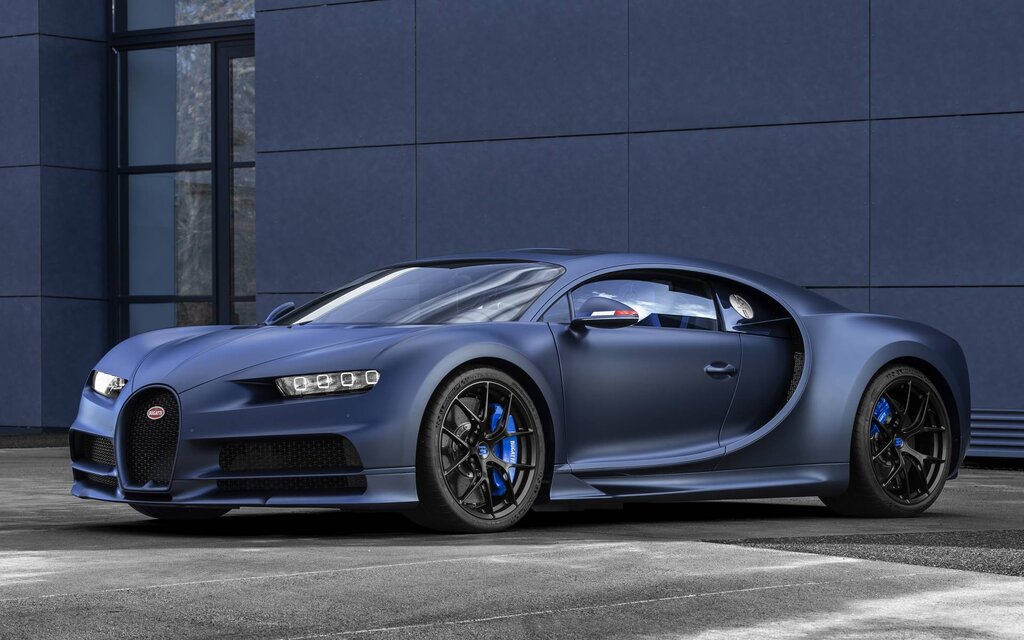
Design and passive safety: structure, materials, and crash engineering
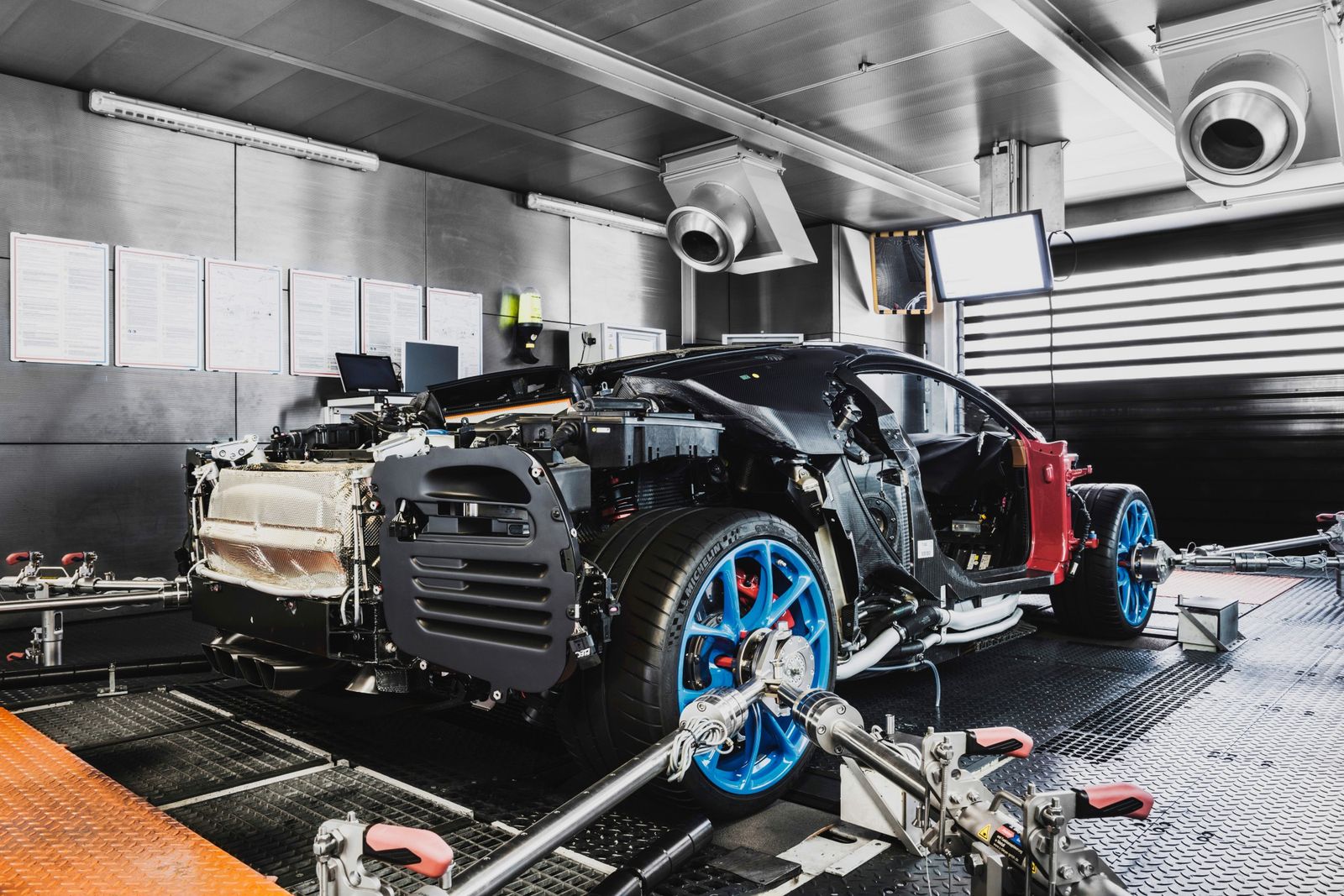
What are the safety features of the Bugatti Chiron? Start with the basics: the Chiron’s safety begins with its structure. The Chiron uses a carbon-fiber monocoque that is extremely stiff and light. This cell gives a strong survival space that resists intrusion in crashes and reduces deformation forces on occupants.
Additional passive elements include energy-absorbing aluminum crash structures front and rear. These sacrificial zones manage and dissipate crash energy before it reaches the occupants. The chassis layout places critical components to minimize passenger risk in common impact scenarios.
49% off Today's Exclusive Deals
Limited-time Exclusive Deals. Check current discount on Amazon.
Check Price on Amazon As an Amazon Associate I earn from qualifying purchases.Benefits of this approach:
- High stiffness improves handling and crash performance.
- Lightweight materials allow for heavy-duty passive systems without adding excessive mass.
- Engine and drivetrain placement reduce cabin intrusion risk in frontal impacts.
Active safety systems: electronics, braking, and stability control
What are the safety features of the Bugatti Chiron? Active safety is critical at high speeds and the Chiron uses advanced electronics to keep the car controllable. Systems include a multi-channel ABS, traction control, and a highly tuned electronic stability program (ESP) that intervene precisely when limits are approached.
Brake system highlights:
49% off Today's Exclusive Deals
Limited-time Exclusive Deals. Check current discount on Amazon.
Check Price on Amazon As an Amazon Associate I earn from qualifying purchases.- Carbon-ceramic brakes deliver exceptional fade resistance and short stopping distances.
- Electronic brake force distribution balances braking across wheels for stability.
- Regenerative safety features and redundancy in hydraulic circuits improve reliability.
These active controls let a skilled driver extract performance while staying safe, especially during emergency maneuvers or sudden grip loss.
Chassis, suspension, and aerodynamic safety
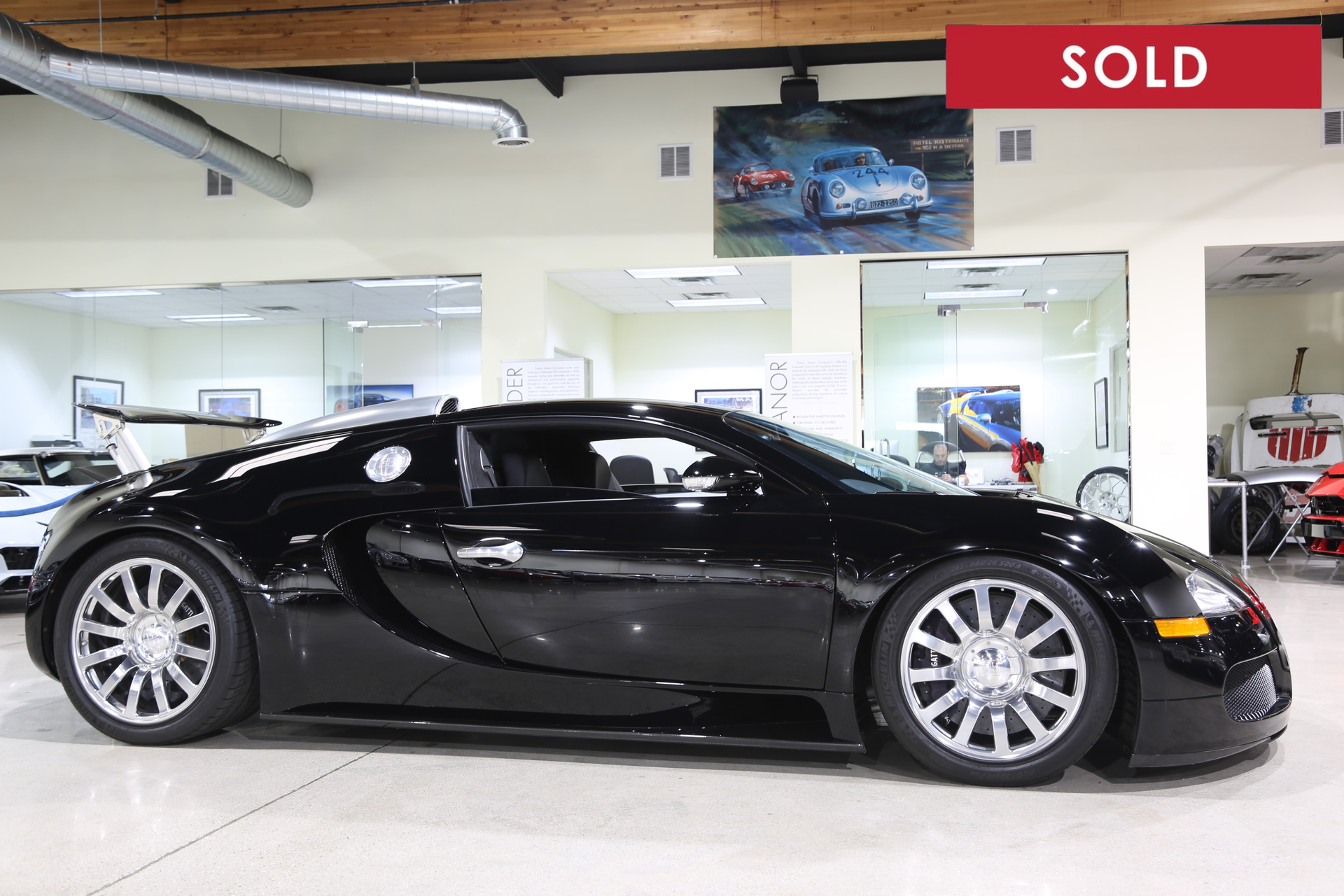
What are the safety features of the Bugatti Chiron? The chassis and aerodynamics work as safety systems at speed. The adaptive suspension and active aerodynamics keep the car stable across wide speed ranges. At high speed, the Chiron generates downforce that increases grip and stability.
Key features:
- Adaptive dampers adjust stiffness for handling and comfort.
- Active rear wing and underbody aerodynamics manage lift and airflow to maintain tire contact.
- Four-wheel steering improves low-speed maneuverability and high-speed stability.
These systems reduce the chance of losing control during sudden inputs or while cornering at speed.

Crash protection and occupant restraint systems
What are the safety features of the Bugatti Chiron? Occupant protection is multi-layered. The Chiron is equipped with a full complement of airbags, including front, side, and curtain systems tailored to fit the tight cabin. Seatbelt pre-tensioners and load limiters help manage occupant forces during impact.
Additional protections:
- Racing-style seats with strong anchorage for crash loads.
- Carefully routed and reinforced seatbelt mounts integrated into the carbon cell.
- Optional harness configurations for track use while retaining safety in road crashes.
Together, these systems protect occupants from direct contact with hard surfaces and reduce the risk of internal injuries.

Driver assistance and high-speed safety electronics
What are the safety features of the Bugatti Chiron? Beyond basic aids, the Chiron integrates driver-assistance features designed for a hypercar environment. While not a full-suite autonomous vehicle, it includes sensors and systems that support safe operation.
Common systems include:
- Precision ABS and traction control tuned for supercar performance.
- Tire pressure monitoring to alert of sudden losses that could be catastrophic at speed.
- High-performance telemetry and vehicle diagnostics to catch potential failures early.
These features help prevent incidents by alerting drivers and making the car more predictable at the limits.
Tires, brakes, and stopping power
What are the safety features of the Bugatti Chiron? Tires and brakes are safety items as much as performance items. The Chiron uses bespoke, ultra-high-speed-rated tires designed to handle extreme cornering and top speeds while resisting heat buildup.
Brake and tire safety highlights:
- Massive carbon-ceramic discs provide repeatable stopping power.
- Multi-piston calipers and advanced cooling minimize fade.
- Tires are specially developed with reinforced carcasses to survive sustained high-speed runs.
Good tires and brakes reduce stopping distances and maintain control during emergency braking or sustained hard driving.
Safety under extreme conditions: high-speed stability and cooling
What are the safety features of the Bugatti Chiron? At extreme speed, thermal and aerodynamic issues become safety risks. Bugatti engineers designed extensive cooling channels and robust aerodynamic balance to prevent overheating and instability.
Safety measures for extremes:
- Large radiators and oil coolers keep powertrain temperatures in safe ranges.
- Active aerodynamic surfaces shift to increase downforce when needed.
- Reinforced wheel and hub assemblies to handle stresses at top speed.
These systems reduce the chance of mechanical failure or aerodynamic loss of control at high velocity.
Real-world testing, validation, and limitations
What are the safety features of the Bugatti Chiron? The Chiron undergoes intense testing, including crash validation of the carbon monocoque and repeated high-speed runs for reliability. Engineers test both component durability and system redundancy.
Limitations to recognize:
- Safety systems are optimized for high-speed handling and may behave differently at low speeds or in off-road scenarios.
- The car’s performance envelope requires an experienced driver to exploit safely.
- Some advanced driver aids common in modern luxury cars are intentionally limited to preserve driver control.
Transparency about limits helps owners use the car safely and avoid pushing beyond intended conditions.
Ownership, maintenance, and safety best practices
What are the safety features of the Bugatti Chiron? Proper maintenance keeps those safety features working. Scheduled inspections, proper tire care, and following cooling and service intervals are essential.
Practical tips from experience:
- Use only approved tires and brakes; non-approved parts can reduce safety.
- Follow rigorous pre-run checks before high-speed driving days.
- Keep software and diagnostics up to date to ensure electronic safety systems operate correctly.
Routine care is as important as design for ensuring long-term safety.
Personal experience and lessons learned
What are the safety features of the Bugatti Chiron? From attending manufacturer demos and speaking with engineers, I learned that Bugatti approaches safety with a performance-first mindset that never ignores occupant protection. Watching high-speed test sessions showed me how active aerodynamics and electronic aids stabilize the car when conditions change rapidly.
Lessons I’ve picked up:
- Respect the car’s speed: even with advanced safety systems, human limits matter.
- Simulated track training or coaching vastly improves safe handling.
- Regular checks and staying informed about system updates prevent surprises.
Real-world practice combined with engineering excellence is the best route to safe enjoyment.
Common questions you might have
What makes the Chiron safer than other supercars?
The carbon-fiber monocoque and integrated crash zones provide exceptional rigidity and impact management. Combined with bespoke brakes, tires, and aerodynamics, the package reduces the risk of occupant injury at high speeds.
Does the Chiron have modern driver-assistance tech?
It includes advanced traction and stability systems and safety-oriented sensors, but it’s not focused on full autonomous features. The emphasis is on supporting driver control at extreme performance levels.
How does aerodynamics improve safety?
Active aero increases downforce and reduces lift, keeping tires planted and making handling more predictable. At very high speeds, this aerodynamic stability is a primary safety factor.
Are airbags and seatbelts standard and robust in the Chiron?
Yes. The Chiron features multiple airbags and strong seatbelt systems with pre-tensioners designed around the carbon monocoque. These systems are engineered for high-force events.
What maintenance keeps safety systems reliable?
Regular service by authorized technicians, using approved tires and brakes, and timely software updates keep safety systems functioning properly. Pre-run inspections before high-speed use are crucial.
Frequently Asked Questions of What are the safety features of the Bugatti Chiron?
What are the main passive safety features in the Chiron?
The Chiron’s passive safety centers on a carbon-fiber monocoque and aluminum crash structures. These provide a rigid survival cell and energy-absorbing zones to protect occupants.
Does the Chiron have advanced braking systems?
Yes. It uses carbon-ceramic brakes with multi-piston calipers and advanced ABS calibration for repeatable stopping power. This setup reduces fade during repeated high-speed braking.
How does the Chiron handle stability at high speeds?
Active aerodynamics, adaptive suspension, and four-wheel steering work together to maintain stability and grip at high speed. Electronic stability controls also intervene when limits are reached.
Are there occupant restraint systems designed for high-speed crashes?
The Chiron includes multiple airbags, seatbelt pre-tensioners, and robust anchorage points integrated into the carbon cell. These are tailored to protect occupants in severe impacts.
Can the Chiron’s safety features prevent all accidents?
No. The systems enhance control and protection but cannot prevent every accident. Safe operation, driver skill, and adherence to limits remain essential.
Conclusion
The Bugatti Chiron combines cutting-edge materials, precision electronics, and careful engineering to make safety part of its performance DNA. From a carbon-fiber safety cell to advanced braking, stability systems, and active aerodynamics, the Chiron’s safety features are built to protect occupants under extreme conditions. My advice: respect the car’s limits, maintain it meticulously, and consider training to match the vehicle’s capabilities. If you want to learn more or share your experiences, leave a comment or subscribe for deeper guides on hypercar safety and performance.