The Bugatti Chiron produces roughly 1,479 horsepower in its standard form.
I’ve spent years studying supercars and talking with engineers and owners, so I can explain exactly what that number means and why it changes across Chiron models. This article answers "How much horsepower does the Bugatti Chiron produce?" in depth, breaks down engine specs, compares variants, explains measurement differences, and shares practical tips if you own or want to understand this hypercar.

49% off Today's Exclusive Deals
Limited-time Exclusive Deals. Check current discount on Amazon.
Check Price on Amazon As an Amazon Associate I earn from qualifying purchases.
Engine and powertrain: what makes the Chiron so powerful
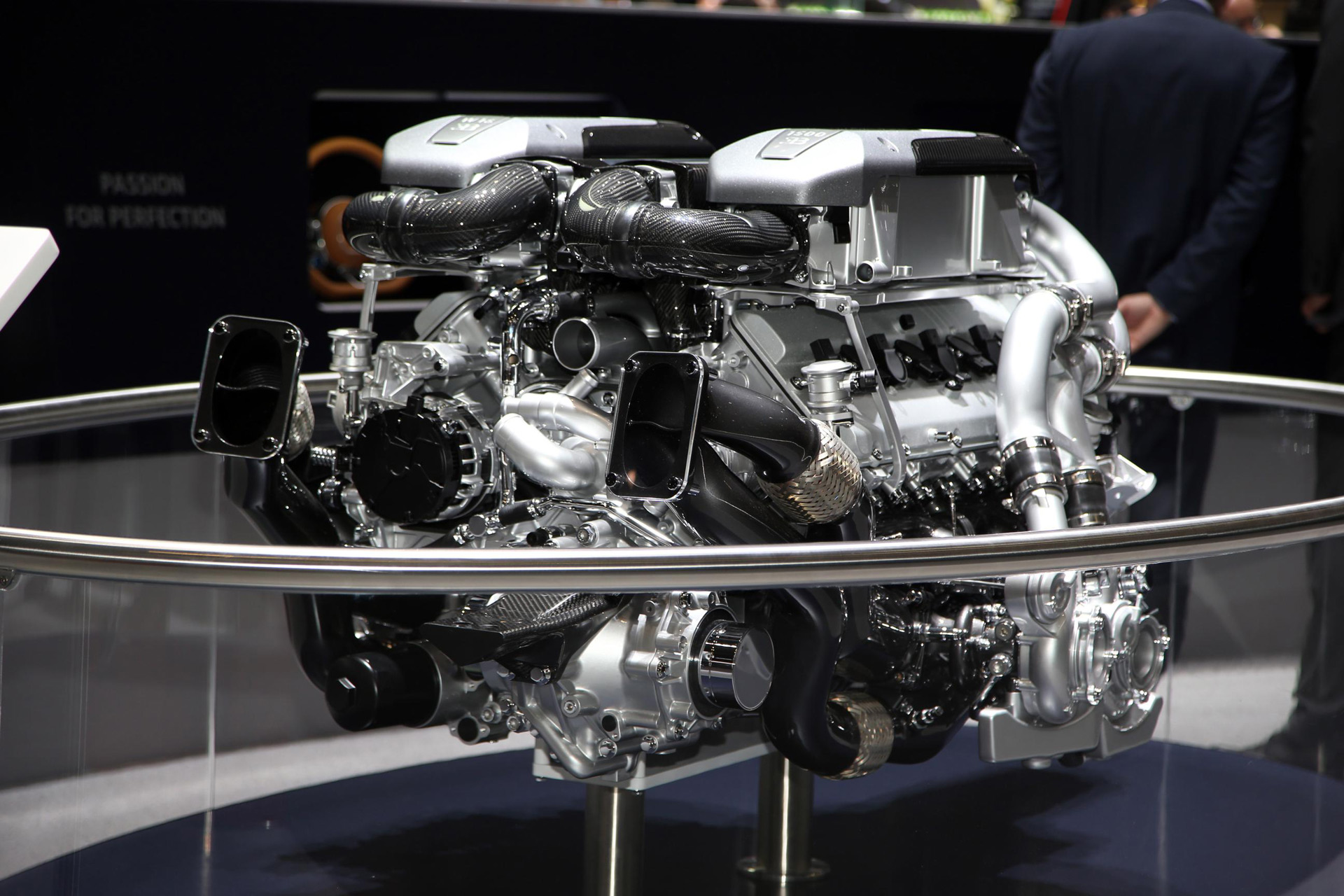
The Chiron uses an 8.0-liter W16 engine with four turbochargers. This layout gives high peak power and massive torque at a wide range of rpm. The standard Chiron rating is 1,500 PS, which converts to about 1,479 horsepower using common conversion. Torque for that setup is around 1,600 Nm, which helps the car launch hard and keep pulling at high speeds.
The engine is paired with a 7-speed dual-clutch gearbox and all-wheel drive. That mix keeps power usable and helps manage traction. Heat management and cooling are key, since four turbos generate a lot of heat under full load.
49% off Today's Exclusive Deals
Limited-time Exclusive Deals. Check current discount on Amazon.
Check Price on Amazon As an Amazon Associate I earn from qualifying purchases.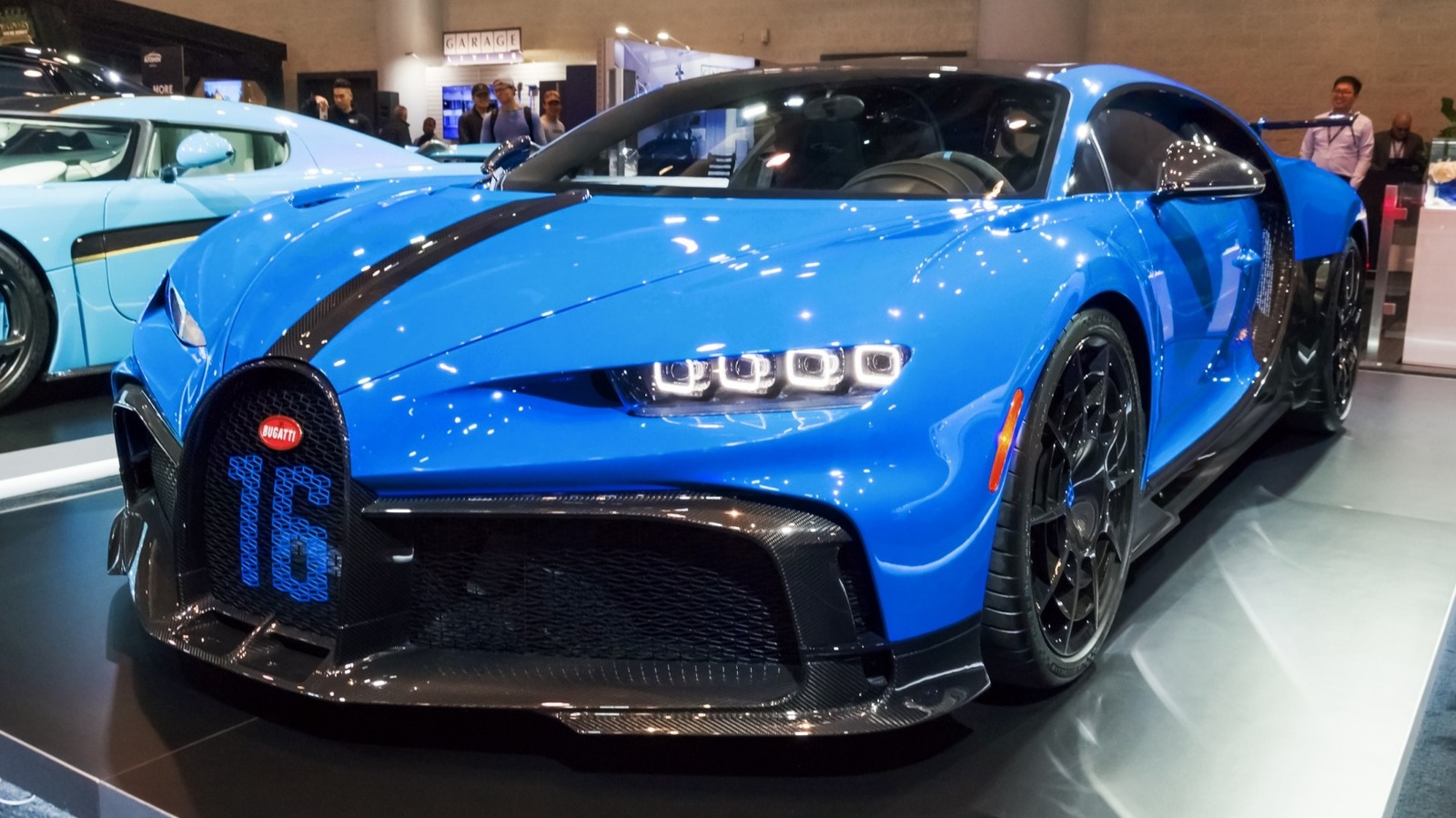
Horsepower by Chiron variant
Different Chirons tune the same engine for different goals. Here are common variants and their typical power figures.
- Standard Chiron: 1,500 PS (about 1,479 horsepower) and 1,600 Nm torque.
- Chiron Sport and Pur Sport: Same peak power as standard but tuned for handling or gearing changes rather than more peak hp.
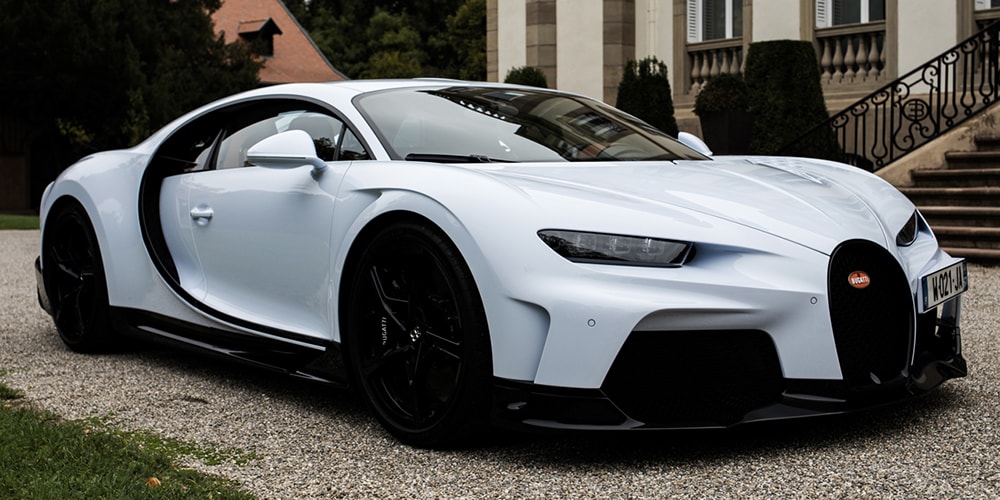
- Chiron Super Sport 300+: Bumped to around 1,600 PS (about 1,578 horsepower) for top-speed runs.
- Special editions: Might be slightly detuned or tuned for more torque, depending on focus.
If you ask "How much horsepower does the Bugatti Chiron produce?" the short answer depends on the model—most sit near 1,479 hp, with track or top-speed editions pushing that higher.
49% off Today's Exclusive Deals
Limited-time Exclusive Deals. Check current discount on Amazon.
Check Price on Amazon As an Amazon Associate I earn from qualifying purchases.How horsepower is measured and why numbers vary
Horsepower can be shown as PS, metric hp, or SAE hp. Conversions matter. 1,500 PS is roughly 1,479 SAE horsepower. Dyno results vary with conditions, fuel, and whether measurements are at the crank or wheels. Factory numbers usually reflect engine output under ideal conditions.
Common reasons numbers differ:
- Different units and rounding.
- Manufacturer vs dyno vs wheel measurements.
- Special edition tuning or software maps.
PAA-style quick question: How much horsepower does the Bugatti Chiron produce on a dyno? A dyno can show slightly lower or higher numbers than the factory spec, often differing by a few percent due to measurement setup.
PAA-style quick question: Does PS equal horsepower? PS and horsepower are close; 1 PS equals about 0.9863 mechanical horsepower, so multiply or divide accordingly.
PAA-style quick question: Why do some Chiron models have more horsepower? Editions tuned for top speed or reduced drag often raise boost and power, while handling-focused models may keep peak power but change gearing.

What horsepower means for real-world performance
Horsepower helps top speed and acceleration, but it is one part of the equation. Torque, weight, gearing, tires, and aerodynamics also matter. The Chiron’s near-1,479 hp and huge torque let it accelerate from 0–60 mph in roughly 2.3 seconds for many variants. Top speed for a regular Chiron is electronically limited for safety; the Super Sport 300+ bench test proved a modified setup can exceed 300 mph.
Practical implications:
- High hp needs strong cooling and tires rated for extreme speeds.
- Acceleration times are best seen on well-prepared surfaces with experienced drivers.
- Peak numbers are exciting, but daily drivability depends on mapping and chassis setup.

Tuning, maintenance, and ownership insights (from experience)
I’ve attended track days and factory demos where engineers explained how horsepower is delivered and managed. As a passenger on high-speed runs, the Chiron’s power feels steady and smooth, not sudden or twitchy. Still, tuning or modifying a Chiron is rare and costly. Options include software maps, exhaust changes, or full-engine recalibration—each with trade-offs.
Tips from hands-on experience:
- Keep oil and cooling systems in top shape; heat is the enemy of sustained power.
- Use manufacturer-recommended service intervals to protect value and performance.
- If considering aftermarket tweaks, budget for bespoke parts and expert installers.
Buying considerations: what horsepower means for cost and use
High horsepower raises purchase and running costs. Insurance, maintenance, and tires are expensive. Owning a Chiron is as much about the engineering and exclusivity as about raw hp. If you want the highest horsepower Chiron, expect to pay a premium for limited editions and for the upkeep those numbers demand.
Things to weigh:
- Do you want peak hp, or the best all-around driving feel?
- Are you ready for the associated maintenance and insurance costs?
- Will you use the car at a track, or as a rare weekend vehicle?
Frequently Asked Questions of How much horsepower does the Bugatti Chiron produce?
How much horsepower does the Bugatti Chiron produce in the standard version?
The standard Bugatti Chiron is rated at 1,500 PS, which converts to about 1,479 horsepower. That figure represents peak engine output under controlled conditions.
How much horsepower does the Bugatti Chiron produce in the Super Sport 300+?
The Super Sport 300+ is tuned higher, to around 1,600 PS, which is about 1,578 horsepower. That extra power helps it reach extremely high top speeds.
Does the Chiron always produce the same horsepower at the wheels?
No. Wheel horsepower is usually lower than crank horsepower due to drivetrain losses. A dyno can show lower values than the factory spec depending on the test setup.
Can tuning increase how much horsepower the Bugatti Chiron produce?
Yes, but changes are limited and expensive. Manufacturers and specialists can increase boost or remap software, but costs and reliability risks rise quickly.
Why do manufacturers list PS instead of horsepower sometimes?
PS is a metric unit commonly used in Europe. It closely matches horsepower but uses slightly different math, so conversions are needed for precise comparisons.
Conclusion
The short, consistent takeaway is simple: when people ask "How much horsepower does the Bugatti Chiron produce?" they usually mean the standard figure of about 1,479 horsepower (1,500 PS). Variants and special editions can push that number higher, especially for top-speed models. If you care about owning or understanding a Chiron, focus not just on peak hp but on torque, cooling, gearing, and the costs of real-world use. Explore more, ask questions, and if this topic sparked your curiosity, leave a comment or subscribe to get deeper looks into supercar tech and ownership tips.