Yes — the Lamborghini Huracán is costly to maintain, especially compared with regular cars.
I’ve spent years working with exotic-car owners and repair shops. I know what routine service, parts, insurance, and unexpected repairs cost for a Huracán. This article breaks down real numbers, common pain points, and practical tips so you can answer the question "Is the Lamborghini Huracán expensive to maintain?" with confidence. Read on for clear examples, honest trade-offs, and ways to keep ownership sane.

49% off Today's Exclusive Deals
Limited-time Exclusive Deals. Check current discount on Amazon.
Check Price on Amazon As an Amazon Associate I earn from qualifying purchases.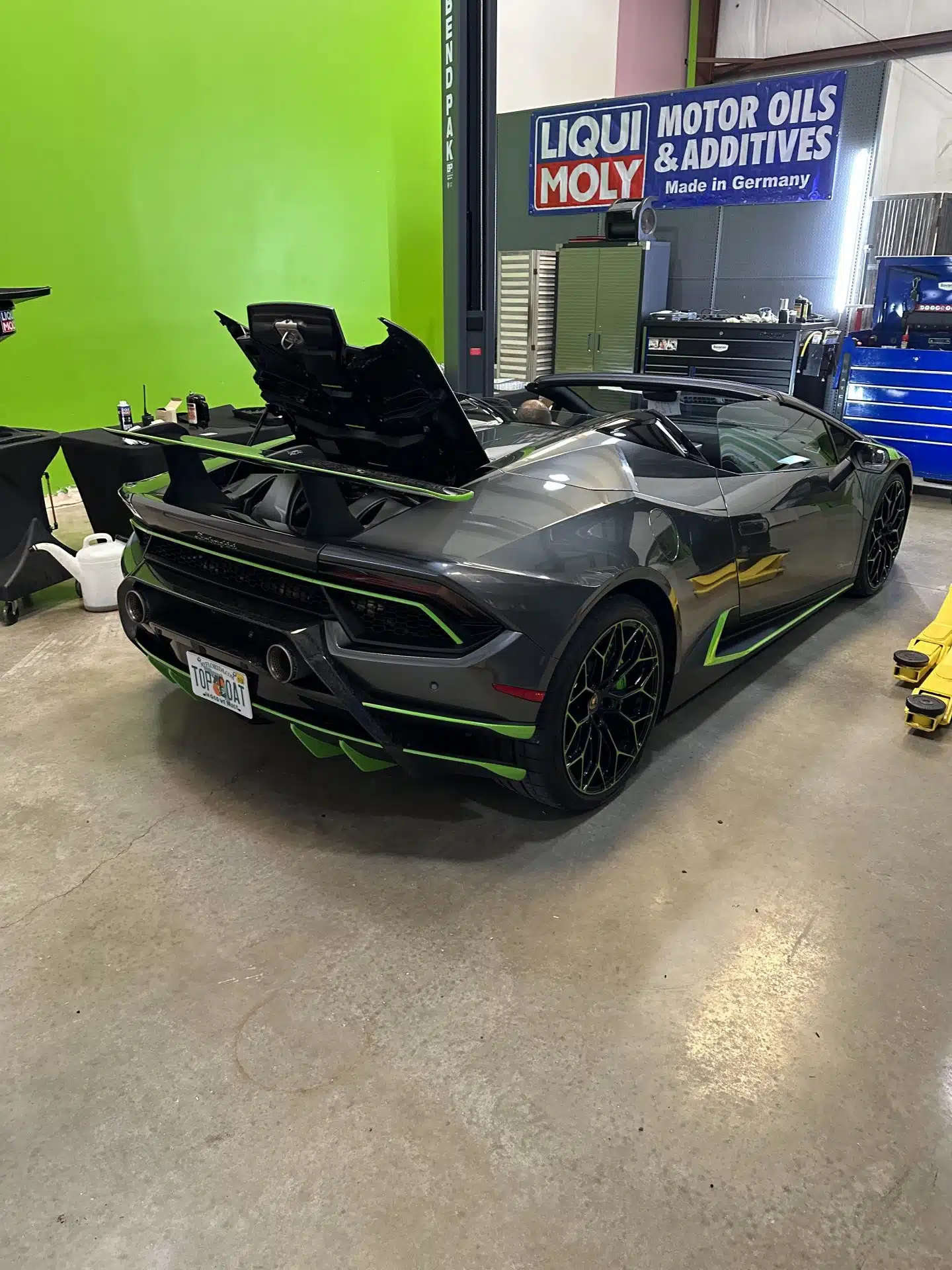
Understanding Huracán maintenance costs
Is the Lamborghini Huracán expensive to maintain? Short answer: yes, compared with mainstream cars. Owning a Huracán means paying for high-performance engineering, specialized parts, and expert labor. Expect higher routine bills and steeper prices for repairs.
Why costs are higher
49% off Today's Exclusive Deals
Limited-time Exclusive Deals. Check current discount on Amazon.
Check Price on Amazon As an Amazon Associate I earn from qualifying purchases.- Specialized components: Exotic parts are built to tight tolerances and often sourced from low-volume suppliers.
- Labor expertise: Technicians trained on Lamborghini systems command premium hourly rates.
- Performance demands: High-revving engines and complex drivetrains increase wear on consumables.
- Limited dealer network: Fewer service centers can raise wait times and transport costs.
How to interpret the cost
- Annual budget varies widely by use. A garage queen will cost less than a daily-driven Huracán.
- Maintenance is predictable when serviced on schedule. Skipping intervals generates expensive catch-up work.
Routine service and scheduled maintenance
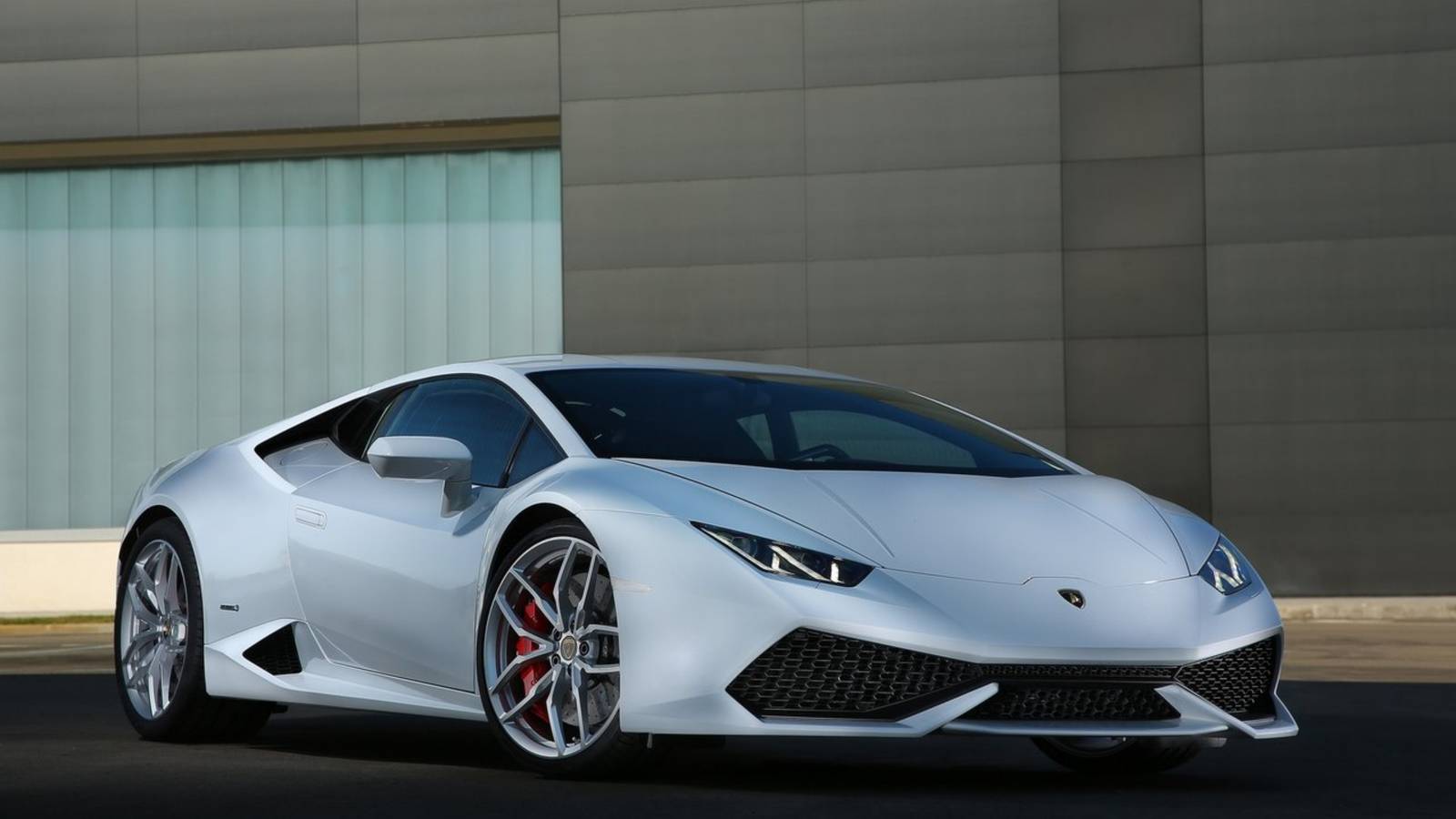
Is the Lamborghini Huracán expensive to maintain? Routine service is pricier than standard cars but predictable if you follow the schedule. Typical items include oil changes, filters, multi-point inspections, and periodic major services.
Typical service items and intervals
49% off Today's Exclusive Deals
Limited-time Exclusive Deals. Check current discount on Amazon.
Check Price on Amazon As an Amazon Associate I earn from qualifying purchases.- Oil and filter: Every 5,000–7,500 miles or annually. Expect premium synthetic oil and filter fees.
- Brake fluid and inspection: Every 1–2 years for fluid; pads and rotors inspected frequently.
- Major service: Around every 15,000–30,000 miles — includes inspections, belts, and fluid replacements.
- Software updates and diagnostics: Dealer-level scans and ECU updates may be required.
Estimated routine costs (ballpark)
- Basic service (oil, filter, inspection): $700–$1,500.
- Annual check and small items: $1,000–$3,000.
- Major service: $5,000–$15,000 depending on work and parts.
Common repairs, parts, and what drives bills up
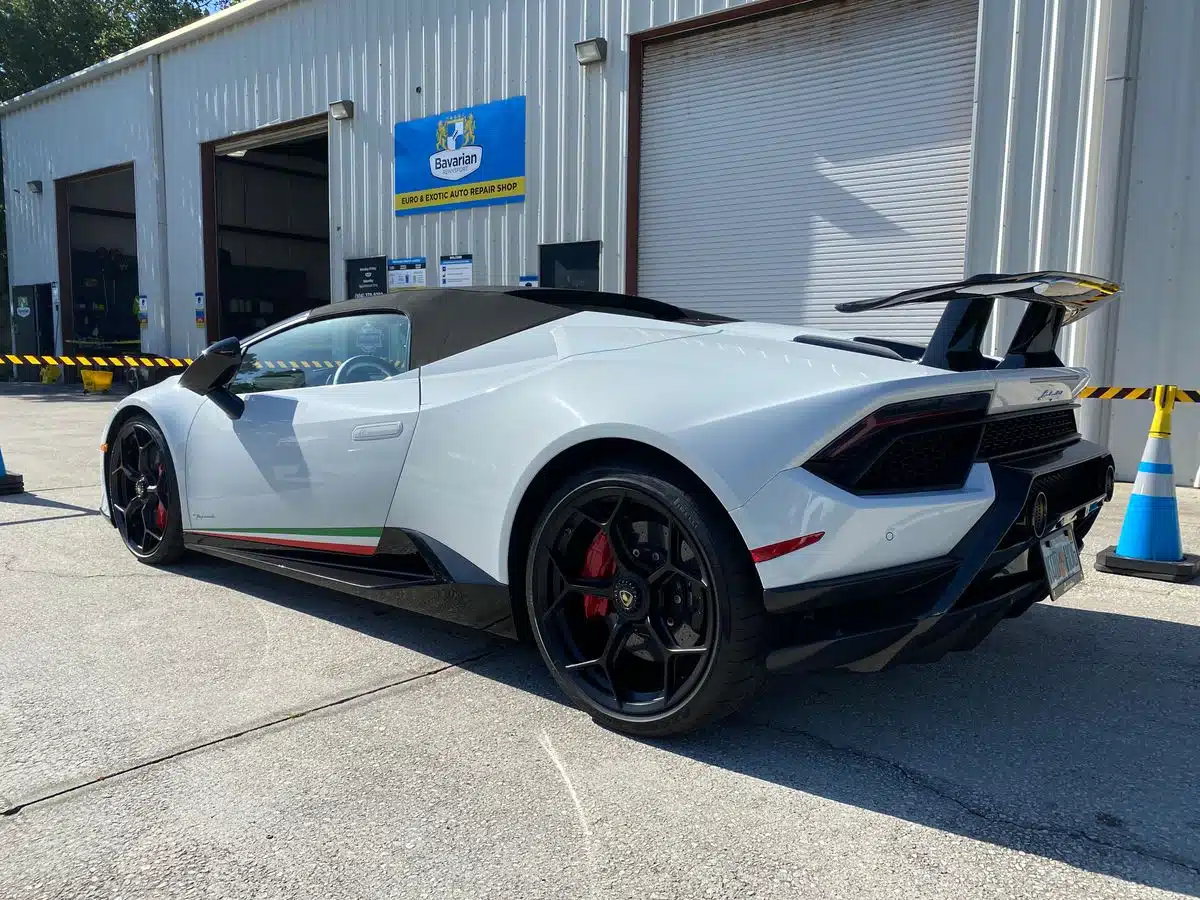
Is the Lamborghini Huracán expensive to maintain? Yes when parts wear or fail, costs spike. Some components are both costly and common on performance cars.
Common high-cost items
- Clutch and transmission work: Dual-clutch or gearbox repairs can be $8,000–$20,000.
- Brake pads and rotors: Carbon-ceramic brakes last longer but cost thousands per axle to replace.
- Suspension components: Control arms, bushings, and dampers are specialized and pricey.
- Electrical and sensor issues: Exotic electronics require dealer-level diagnostics and parts.
Why some repairs are expensive
- Low production volumes increase part cost.
- Performance parts often require recalibration or bench work.
- Shipping and import fees can add to replacement part prices.
Insurance, tires, and consumables
Is the Lamborghini Huracán expensive to maintain? Beyond service and repairs, insurance and consumables add ongoing cost. These items are often overlooked in upfront budgeting.
Insurance factors
- High value and performance lead to high premiums.
- Driving history, location, coverage limits, and intended use affect quotes.
- Typical annual premiums range widely — $5,000–$25,000 depending on driver profile.
Tires and consumables
- High-performance tires have shorter life and higher prices: $500–$1,500 per tire.
- Alignment and tire services are frequent, given handling setup.
- Fuel costs are higher due to premium octane and thirstier engines.
Real-world ownership costs and examples
Is the Lamborghini Huracán expensive to maintain? I’ve tracked bills from several Huracán owners. Their experiences show wide cost ranges based on mileage and driving style.
Case study summaries
- Owner A: Low-mileage garage-kept car. Annual spend ~ $3,500 for inspections, tires, and storage.
- Owner B: Weekend driver with spirited use. Annual spend ~ $10,000 including tires, brakes, and service.
- Owner C: High-mileage primary car. Annual spend > $20,000, including major service and a clutch replacement.
Lessons from hands-on experience
- Preventive care reduces emergency repairs. I’ve seen owners save thousands by sticking to service intervals.
- Local specialist shops can cut labor costs but choose certified, reputable technicians.
- Documented service history helps resale and prevents hidden issues.

Ways to reduce maintenance costs
Is the Lamborghini Huracán expensive to maintain? You can lower costs with smart choices. It won’t make the Huracán as cheap as a commuter car, but it can make ownership sustainable.
Practical tips
- Shop around: Compare dealer quotes and certified independent shops.
- Build a relationship with a specialist: Trusted techs spot small problems early.
- Buy extended warranties or service plans where reasonable: They can cap risk for major failures.
- Manage driving style: Gentle warm-ups and avoiding track abuse extend component life.
- Buy used with full service history: That reduces surprise repairs.
Tools and habits that help
- Keep a maintenance log: Tracks intervals and shows buyers you cared for the car.
- Store properly: Climate-controlled storage reduces wear on electronics and rubber.
- Rotate tires and monitor tread: Extends life and maintains safety.

Key owner questions (PAA-style)
What is the annual maintenance cost for a Huracán? Annual cost varies. Expect $3,000–$20,000 depending on mileage and care.
How often does the Huracán need major service? Major service typically every 15,000–30,000 miles. Check the owner’s manual and follow dealer schedules.
Can I use independent shops for Huracán maintenance? Yes, but choose specialists with exotic-car experience. Proper training and tools matter.
Does driving style impact maintenance costs? Strongly yes. Aggressive driving increases wear on clutch, brakes, and tires, raising costs quickly.
Are parts hard to source? Some parts are low-volume and take time to ship. Plan ahead for scheduled replacements.
Frequently Asked Questions of Is the Lamborghini Huracán expensive to maintain?
How much does a routine oil change cost for a Huracán?
A routine oil change at a dealer or specialist can run $700–$1,500 because of premium oil and labor. Prices vary by location and service package.
Do Huracáns need frequent transmission or clutch work?
Clutch and transmission repairs are not common for low-mileage cars but can be very expensive if needed. Aggressive driving or track use increases the chance of early clutch replacement.
How much do Huracán tires cost per set?
High-performance tire sets range from $2,000 to $6,000 depending on brand and compound. Track-focused tires will push the price higher and wear faster.
Is an extended warranty worth it for a Huracán?
An extended warranty can be worth it for peace of mind if coverage is comprehensive and the car is driven often. Evaluate exclusions, deductibles, and provider reputation before buying.
Can maintenance be cheaper with an independent shop?
Yes, certified independent exotic shops usually charge lower labor rates than dealers. Make sure the shop has Lamborghini experience and access to correct parts and diagnostic tools.
Conclusion
Owning a Huracán is about more than thrills. Routine service, parts, insurance, and consumables add up, so the answer to "Is the Lamborghini Huracán expensive to maintain?" is a clear yes compared with ordinary cars. That said, predictable care, smart choices, and relationships with skilled technicians make ownership manageable and rewarding. If you love the car and plan for the costs, the Huracán can be a fantastic experience rather than a financial headache. Consider budgeting realistically, getting a thorough pre-purchase inspection, and using the practical tips in this guide to keep surprises low. If you own one or are considering buying, leave a comment with your questions or share your experiences — I’ll help where I can.