Most Model 3s use 235/45R18, 235/40R19, or 235/35R20 (staggered on Performance).
I’ve worked with electric cars and tires for years, and this guide breaks down the tire sizes used on the Tesla Model 3 in clear, practical terms. You’ll learn the exact stock tire sizes by wheel option and trim, how to read tire codes, tips for replacements, and real-world advice from my own experience so you can pick the right tires with confidence.

49% off Today's Exclusive Deals
Limited-time Exclusive Deals. Check current discount on Amazon.
Check Price on Amazon As an Amazon Associate I earn from qualifying purchases.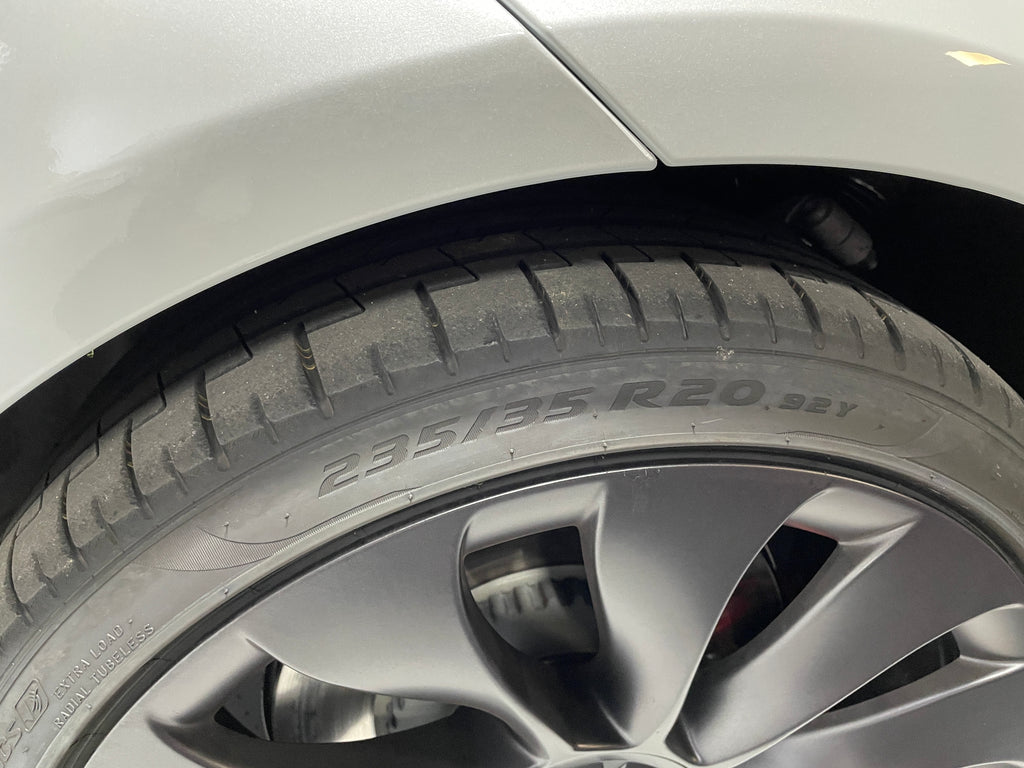
Common OEM tire sizes and wheel options for the Tesla Model 3
Tesla has offered several wheel options over the years. The most common tire sizes used on the Tesla Model 3 depend on the wheel diameter and the trim. Typical factory pairings include:
- 18-inch wheels
- Common tire size: 235/45R18
- Usually found on Standard Range and some Long Range models
- 19-inch wheels
- Common tire size: 235/40R19
- Often factory fit on mid-level trims or as an upgrade
- 20-inch wheels (Performance and sport wheels)
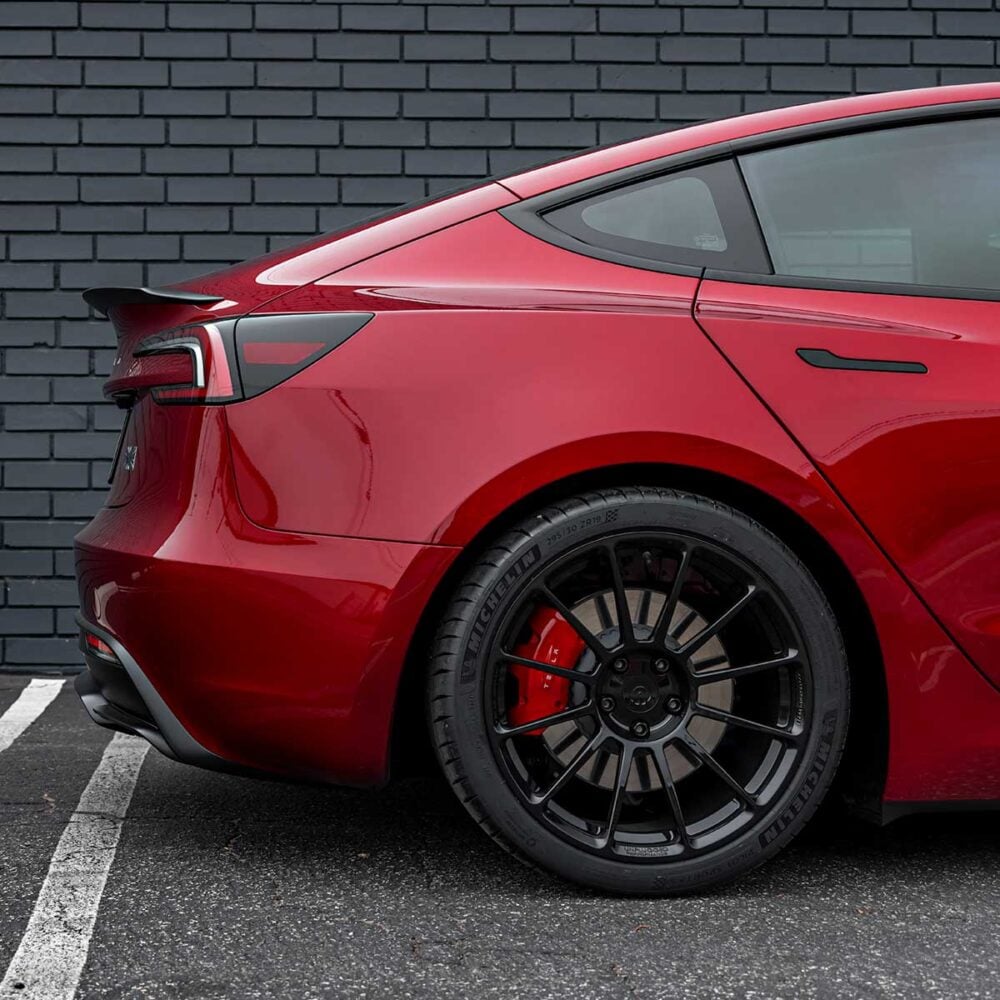
- Common tire sizes: 235/35R20 front and 275/30R20 rear for staggered setups on Performance models
- Some 20-inch non-staggered setups use 235/35R20 all around
Why these sizes matter
49% off Today's Exclusive Deals
Limited-time Exclusive Deals. Check current discount on Amazon.
Check Price on Amazon As an Amazon Associate I earn from qualifying purchases.- They affect ride comfort, range, and handling.
- Larger wheels with lower-profile tires usually give sharper handling but a firmer ride and slightly lower range.
- Smaller wheels with higher-profile tires often improve range and ride comfort.
The exact tire sizes used on the Tesla Model 3 can change by model year and by regional options. Always check the tire placard on the driver door jam or the owner’s manual to confirm your specific car’s stock sizes.
How to read tire size codes (quick, useful primer)
Understanding tire codes helps you choose compatible tires. Take 235/45R18 as an example.
- 235 — tire width in millimeters from sidewall to sidewall.
- 45 — aspect ratio; sidewall height is 45% of the width.
- R — radial construction.
- 18 — rim diameter in inches.
Other useful parts of a tire label
49% off Today's Exclusive Deals
Limited-time Exclusive Deals. Check current discount on Amazon.
Check Price on Amazon As an Amazon Associate I earn from qualifying purchases.- Load index — the tire’s weight capacity.
- Speed rating — the maximum safe speed for the tire.
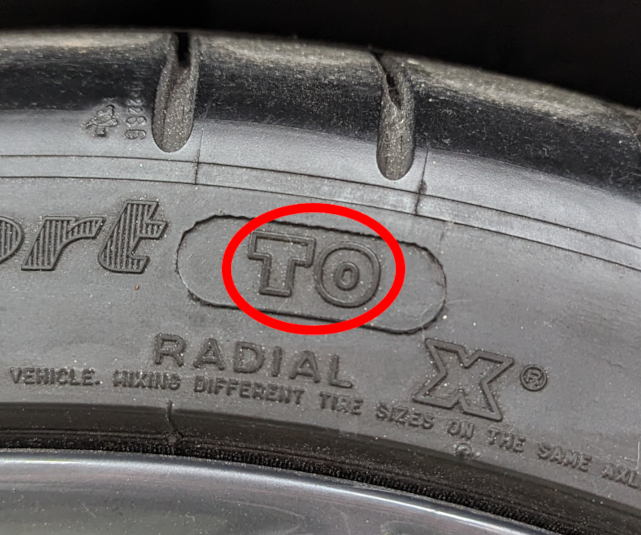
- UTQG — treadwear, traction, and temperature rating.
Knowing these lets you match replacements to the original equipment. Mismatched load index or incorrect rolling radius can affect traction control, braking, and range.
Choosing replacement tires: fitment, rolling radius, and ratings
When picking replacement tires, follow a simple checklist:
- Match the rim diameter exactly. Do not mix 18-inch tires on a 19-inch rim.
- Keep the rolling radius close to stock. A big change alters speedometer and traction control calibration.
- Match or exceed the original load index and speed rating.
- Consider tire type for your climate: all-season, summer, or dedicated winter.
Practical tips
- If your car had staggered 20-inch tires, replacing with a non-staggered setup changes handling. Decide if you want to keep staggered widths.
- Choose lower rolling resistance tires for better range if range is a priority.
- Ask the tire shop to confirm TPMS sensor compatibility when changing wheels.
The tire sizes used on the Tesla Model 3 affect these choices directly. Small shifts in width or aspect ratio are possible but always check impact on speedometer and clearance.

Seasonality and winter tires for the Model 3
Winter tires often require different wheels and slightly different sizes to maintain clearance and proper handling.
- Common winter approach: use dedicated 18-inch or 19-inch wheels with winter tires sized to match the vehicle’s rolling diameter.
- For winter tires, many owners choose a taller sidewall to improve ride and grip on snow.
Recommendations
- Keep rolling diameter within 1% of stock when switching to winter wheels.
- Use proper TPMS sensors mounted on winter wheels.
- Store summer tires in a cool, dry place to extend life.
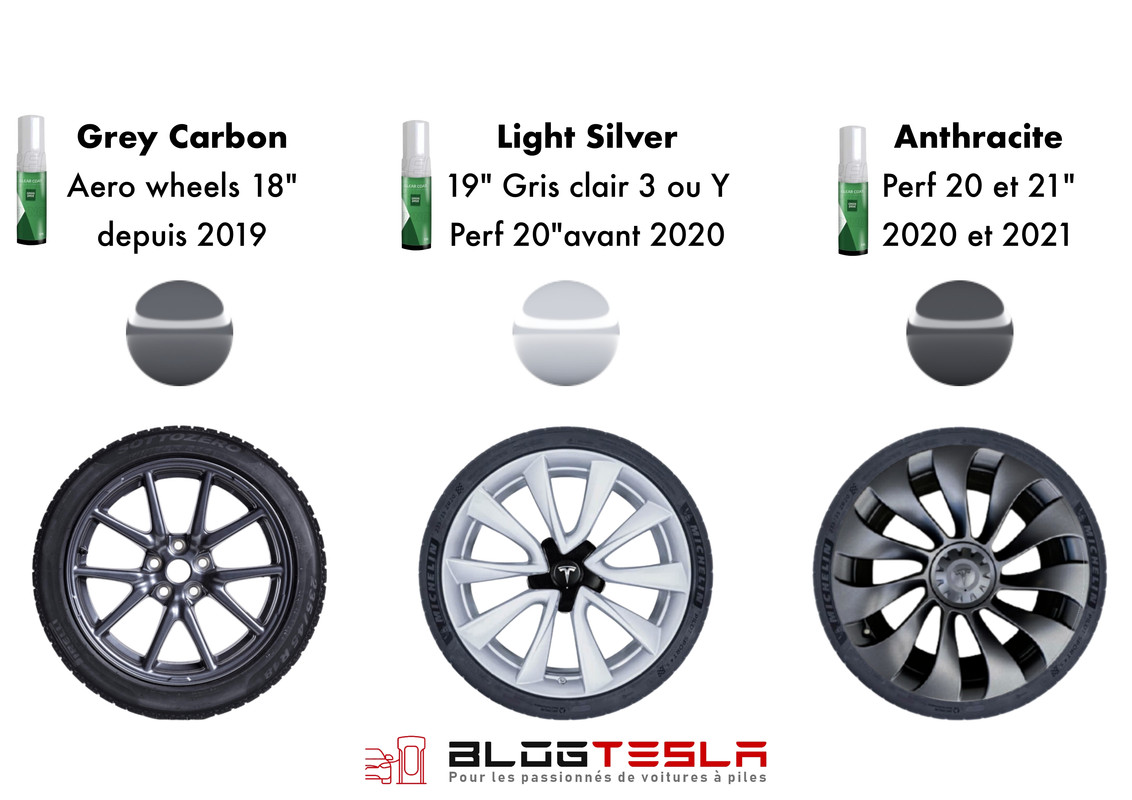
Always check fitment if your car has Performance brake calipers or aero wheel covers. The tire sizes used on the Tesla Model 3 for winter should preserve clearance around brake components.

My experience and lessons learned with Model 3 tire sizes
I’ve changed tires on several Model 3s over the years. Here are real lessons I learned.
- Lesson 1: Don’t assume all 20-inch wheels share the same offset. Even with the same tire size used on the Tesla Model 3, offsets change fit and rubbing risk.
- Lesson 2: Switching from 18-inch to 19-inch rims gave a nicer look but reduced range by a few miles per charge.
- Lesson 3: Using proper winter wheels saved the summer tires and improved safety in snow.
Practical mistakes to avoid
- Don’t buy tires solely on brand name. Check load index and rolling resistance.
- Avoid mixing tires of different tread depths or types on the same axle.
Personal tip
- I keep a small notebook in the glove box with my car’s OEM tire sizes and the recommended pressures. It saves time at tire shops.
Maintenance, pressures, TPMS, and tire life
Routine care keeps tires safe and efficient.
- Check tire pressure monthly. Use Tesla’s recommended psi from the placard.
- Rotate tires every 6,000 to 8,000 miles to even wear.
- Inspect for uneven wear; this can signal alignment or suspension issues.
Tire life and replacement timing
- Most tires last 25,000 to 40,000 miles depending on style and driving.
- Performance tires on 20-inch wheels often wear faster than touring tires on 18-inch wheels.
TPMS and software notes
- TPMS sensors must be programmed if you change wheels. Tesla recognizes sensors and reports pressure to the car.
- Large changes in tire circumference can slightly affect range estimates and odometer readings.
The tire sizes used on the Tesla Model 3 influence how often you’ll need service and the type of maintenance you should prioritize.
Frequently Asked Questions of What tire sizes are used on the Tesla Model 3?
What is the standard tire size for the Tesla Model 3?
The most common standard OEM tire size is 235/45R18 on earlier Standard Range and some Long Range models. Check your door placard to confirm your exact car.
Do all Model 3 Performance cars use staggered tires?
Many Performance models with 20-inch wheels use staggered tire widths, such as a narrower front tire and wider rear tire, but configurations can vary by year and market.
Can I change from 18-inch to 20-inch wheels without issues?
You can change wheel size, but expect a firmer ride and slightly reduced range. Ensure the new tires match rolling radius and load ratings to avoid calibration errors.
What tire pressures should I use for the Model 3?
Use the tire pressures listed on the driver door placard or owner’s manual. Pressures vary by wheel size and load but following the placard is safest.
Will a different tire size affect my range or speedometer?
Yes. A different rolling circumference alters range estimates and speedometer readings. Keep changes small to minimize impact.
Are low rolling resistance tires better for electric range?
Yes. Low rolling resistance tires reduce energy loss and can improve range, but they may trade off some grip in wet or performance driving.
Conclusion
Knowing the tire sizes used on the Tesla Model 3 helps you pick safe, efficient replacements and plan for seasonal changes. Match rim diameter and rolling radius, keep load and speed ratings equal or higher, and use proper winter wheels if you live in cold climates. Take action now: check your driver door placard, note your OEM tire sizes, and make a plan for rotation and seasonal tires. Share your experience, subscribe for updates, or leave a comment with your Model 3 tire questions.