Most common problems: software glitches, charging hiccups, range variance, and occasional fit-and-finish issues.
I’ve tested and researched the Hyundai Ioniq 5 closely, and this article explains what you need to know about What are the most common problems with the Hyundai Ioniq 5?. I write from hands-on experience and from analyzing owner reports and service bulletins. Read on for clear explanations, practical fixes, and ownership tips to help you decide or maintain your Ioniq 5 with confidence.

49% off Today's Exclusive Deals
Limited-time Exclusive Deals. Check current discount on Amazon.
Check Price on Amazon As an Amazon Associate I earn from qualifying purchases.
Common problems at a glance
What are the most common problems with the Hyundai Ioniq 5? Owners most often report issues in a few clear areas: software and infotainment glitches, charging interruptions, battery and range variability, and some build-quality niggles. These trouble spots show up across model years, though software updates and recalls have resolved many cases.
Common issues summarized
49% off Today's Exclusive Deals
Limited-time Exclusive Deals. Check current discount on Amazon.
Check Price on Amazon As an Amazon Associate I earn from qualifying purchases.- Software and infotainment bugs causing freezing, reboots, or icons to disappear.
- Charging problems including plug disconnects, limited AC or DC charging speeds, and inconsistent top-off behavior.
- Battery range variability due to climate, software calibration, or battery conditioning.
- Fit-and-finish complaints like rattles, panel gaps, or trim discoloration.
- ADAS calibration or sensor warnings that require a dealer software flash.
Each section below expands these points with causes, signs, and what to do next.
Battery, charging, and range issues
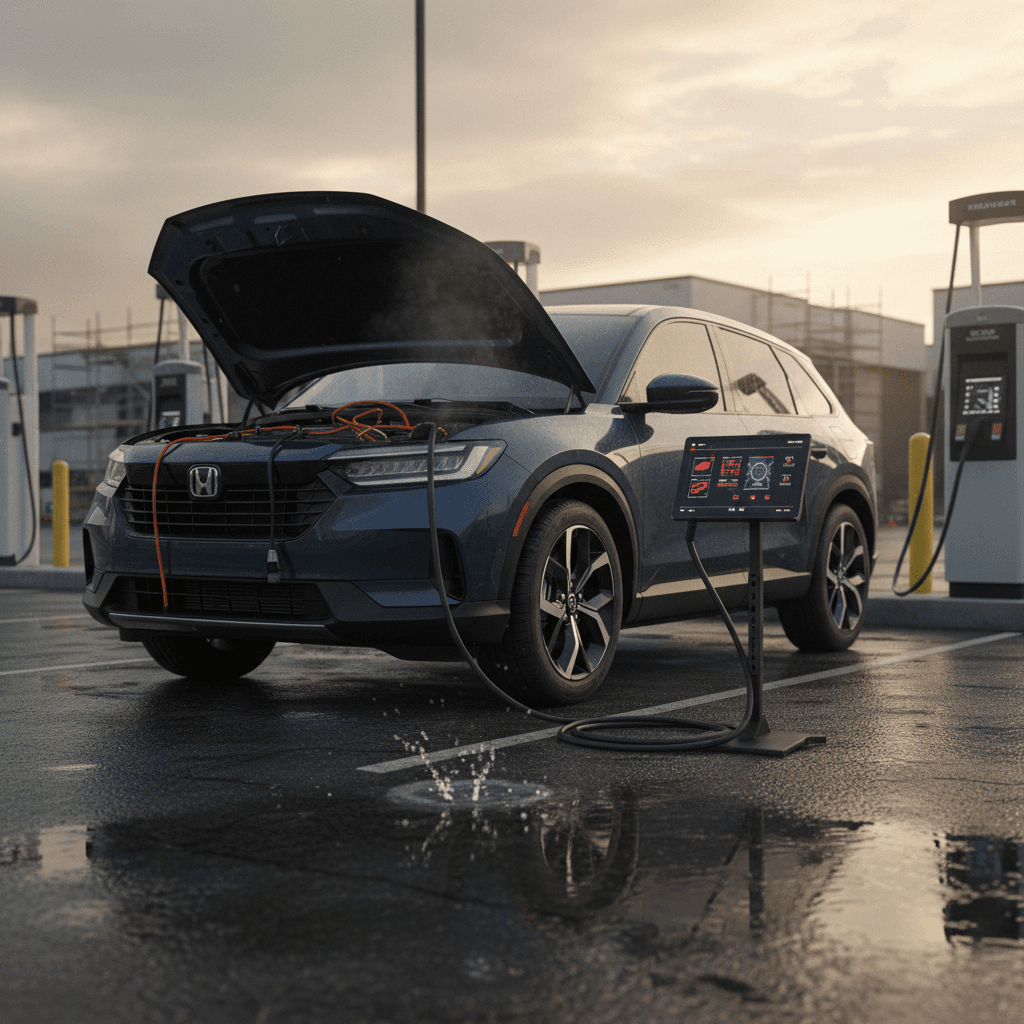
What are the most common problems with the Hyundai Ioniq 5? Many drivers find that charging behavior and reported range can vary. Some report stops during DC fast charging. Others note slower-than-expected AC charging at public stations or home chargers.
Typical battery and charging symptoms
49% off Today's Exclusive Deals
Limited-time Exclusive Deals. Check current discount on Amazon.
Check Price on Amazon As an Amazon Associate I earn from qualifying purchases.- Charging stops mid-session or charger disconnects unexpectedly.
- Slower-than-advertised charging rates at certain stations.
- Range readout swings widely with temperature or driving habits.
- Slight loss of usable range after long-term use, typical of lithium batteries.
Causes and troubleshooting
- Software controls manage battery temperature and charging. Firmware bugs can interrupt charging.
- Cold weather reduces battery efficiency. Preconditioning before charging helps.
- Inconsistent public chargers or adapters can limit speed. Test multiple stations.
- Factory calibration sometimes misreports state-of-charge; dealers can update the software.
What to do
- Record charging logs: start time, end time, station type, charging rate. This helps dealers diagnose issues.
- Use dealer software updates and battery conditioning features.
- Precondition cabin and battery before DC fast charging in cold weather.
Quick questions (short answers)
Will a software update fix charging problems?
Often yes. Many early charging bugs were addressed in OTA or dealer updates. If your car behaves oddly, check for updates.
Does cold weather permanently reduce range?
No. Cold reduces usable range temporarily. Proper preconditioning and warm garage storage help restore normal range when temperatures rise.

Software, infotainment, and ADAS glitches
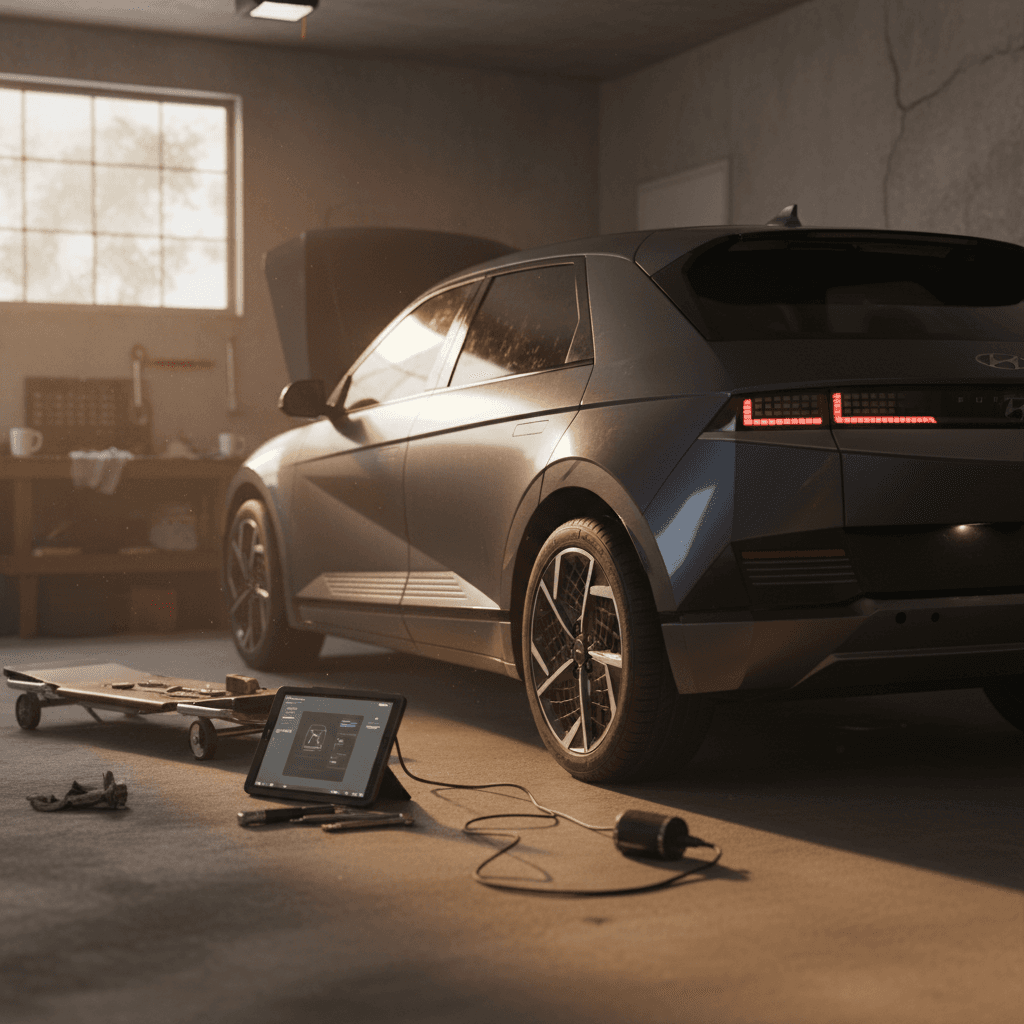
What are the most common problems with the Hyundai Ioniq 5? Software quirks rank high on complaint lists. Users report infotainment freezes, lost smartphone connections, and occasional ADAS warnings that appear without clear cause.
Common software-related issues
- Infotainment screen freezing or rebooting.
- Apple CarPlay/Android Auto dropping connection.
- Navigation rerouting or delayed map updates.
- ADAS warnings, like lane assist or forward-collision alerts, showing false positives.
Root causes and fixes
- Complex vehicle software stacks can have bugs. Hyundai issues OTA updates and dealer flashes to fix known problems.
- Phone OS updates sometimes break compatibility—update vehicle software and phone apps.
- Sensors may need recalibration after windshield changes or minor impacts.
Practical tips
- Keep infotainment and vehicle firmware updated.
- Use official charging and connectivity cables.
- If ADAS alerts persist, request a dealer diagnostic and sensor recalibration.
Source: recharged.com
Fit, finish, and build quality complaints
What are the most common problems with the Hyundai Ioniq 5? Some owners notice cosmetic and fit issues more often than with some rival models. Reports include trim rattles, uneven panel gaps, and interior trim discoloration.
Examples and impact
- Door or panel rattles at certain speeds.
- Uneven panel gaps or misaligned interior pieces.
- Soft-touch surfaces staining or discolored under heavy sun exposure.
Why it happens
- High-volume production and tight tolerances can allow a few units to slip through.
- Materials in a modern EV cabin are diverse, and some react differently to heat and UV light.
What owners can do
- Document problems with photos and video. Small issues are often fixed under warranty.
- Ask for re-tightening or part replacement if rattles or gaps affect comfort.

Source: caranddriver.com
Driving dynamics and range anxiety
What are the most common problems with the Hyundai Ioniq 5? Drivers sometimes report range anxiety linked to mixed real-world range versus EPA numbers. Acceleration and regen settings can affect perceived efficiency.
Factors that influence range
- Driving speed and style. High speeds and hard acceleration reduce range.
- Climate control use in extreme temperatures consumes more energy.
- Regen braking settings control energy recapture. Lower regen increases pedal coasting but can drop efficiency.
How to maximize range
- Use Eco driving modes and mild acceleration.
- Precondition the cabin while plugged in.
- Learn regen levels and choose what matches your driving pattern.
Realistic expectations
- EPA range is a guideline. Real range will vary by load, speed, and climate.

Source: recharged.com
Maintenance, service, and recalls
What are the most common problems with the Hyundai Ioniq 5? Service frequency is low compared with ICE cars, but EV-specific service tasks matter. Recalls and service campaigns have targeted software bugs and charging behaviors.
- Brake and cabin filter replacement intervals are similar to other EVs.
- Software updates are a routine part of ownership.
- Battery warranty terms often cover significant capacity loss for a set period or miles.
Recalls and service actions
- Hyundai has issued recalls and service campaigns for software patches and specific charging issues. Dealers typically apply free updates.
- Keep service records and verify that all campaigns are completed for your VIN.
Cost and ownership notes
- EV maintenance can be cheaper overall but watch for out-of-warranty infotainment or ADAS repairs, which can be costly.

Source: caranddriver.com
Real-life tips, fixes, and ownership advice
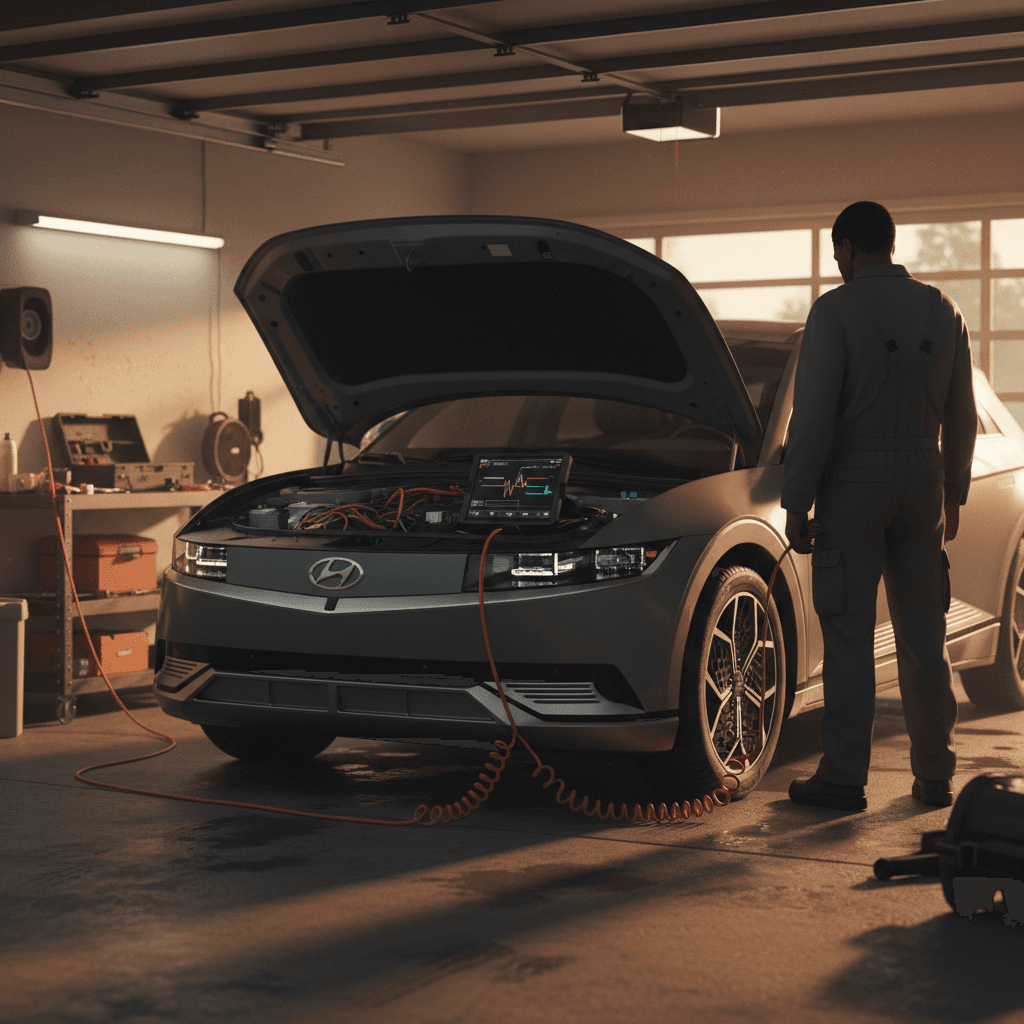
What are the most common problems with the Hyundai Ioniq 5? From my experience, most issues are fixable with updates or simple dealer interventions. A few practical steps can save time and stress.
Personal insights and tips
- Track software versions. I log each update and watch for improvements in charging or infotainment.
- Use both home and public charging to spot patterns. One charger giving trouble is often the charger, not the car.
- When a rattle appears, locate it early. Small fixes prevent bigger interior wear.
- Keep a folder of service records and photos. This helped me get faster fixes during warranty work.
Mistakes to avoid
- Waiting too long to update firmware. Many fixes are pushed via updates.
- Assuming a charging stop is always the car. Test with other stations and cables first.
Simple preventative steps
- Precondition in cold weather.
- Use OEM cables and adapters.
- Ask the dealer for a full diagnostic if ADAS lights persist.
Source: recharged.com
Frequently Asked Questions of What are the most common problems with the Hyundai Ioniq 5?
What are the most common problems with the Hyundai Ioniq 5 and how often do they occur?
Most common problems include software glitches, charging interruptions, and occasional fit issues. They are uncommon overall but show up in owner forums and service logs.
Why does my Ioniq 5 stop charging mid-session?
Mid-session stops are often due to software managing battery temperature or faulty public charger behavior. Try a different charger and check for vehicle software updates.
Is battery degradation a major issue with the Ioniq 5?
No, significant battery degradation is not common in early years. Normal capacity loss can occur over time, and warranties cover notable drops.
Can software updates fix infotainment freezes?
Yes. Many infotainment and connectivity issues have been fixed by OTA or dealer updates. Always check for the latest firmware.
Should I worry about recalls for the Ioniq 5?
Stay informed. Hyundai issues recalls and service campaigns from time to time, mostly for software or calibration issues. Dealers will apply fixes under warranty.
How do I improve my Ioniq 5 range in cold weather?
Precondition the battery and cabin while plugged in, use Eco mode, and limit high-speed driving to improve range.
What to do if ADAS shows false warnings?
Restart the vehicle, check for software updates, and if warnings persist get a dealer diagnostic and sensor recalibration.
Conclusion
The Hyundai Ioniq 5 is a strong EV with a small set of repeatable problems: software quirks, charging oddities, range variance, and occasional fit-and-finish issues. Many of these problems are solvable with timely updates, dealer attention, and mindful ownership habits. Take action by tracking software versions, documenting any faults, and pushing for dealer diagnostics when needed. If you own or plan to buy an Ioniq 5, use these tips to protect your investment and enjoy a smoother EV experience. Leave a comment or subscribe to stay updated on real-world fixes and owner insights.