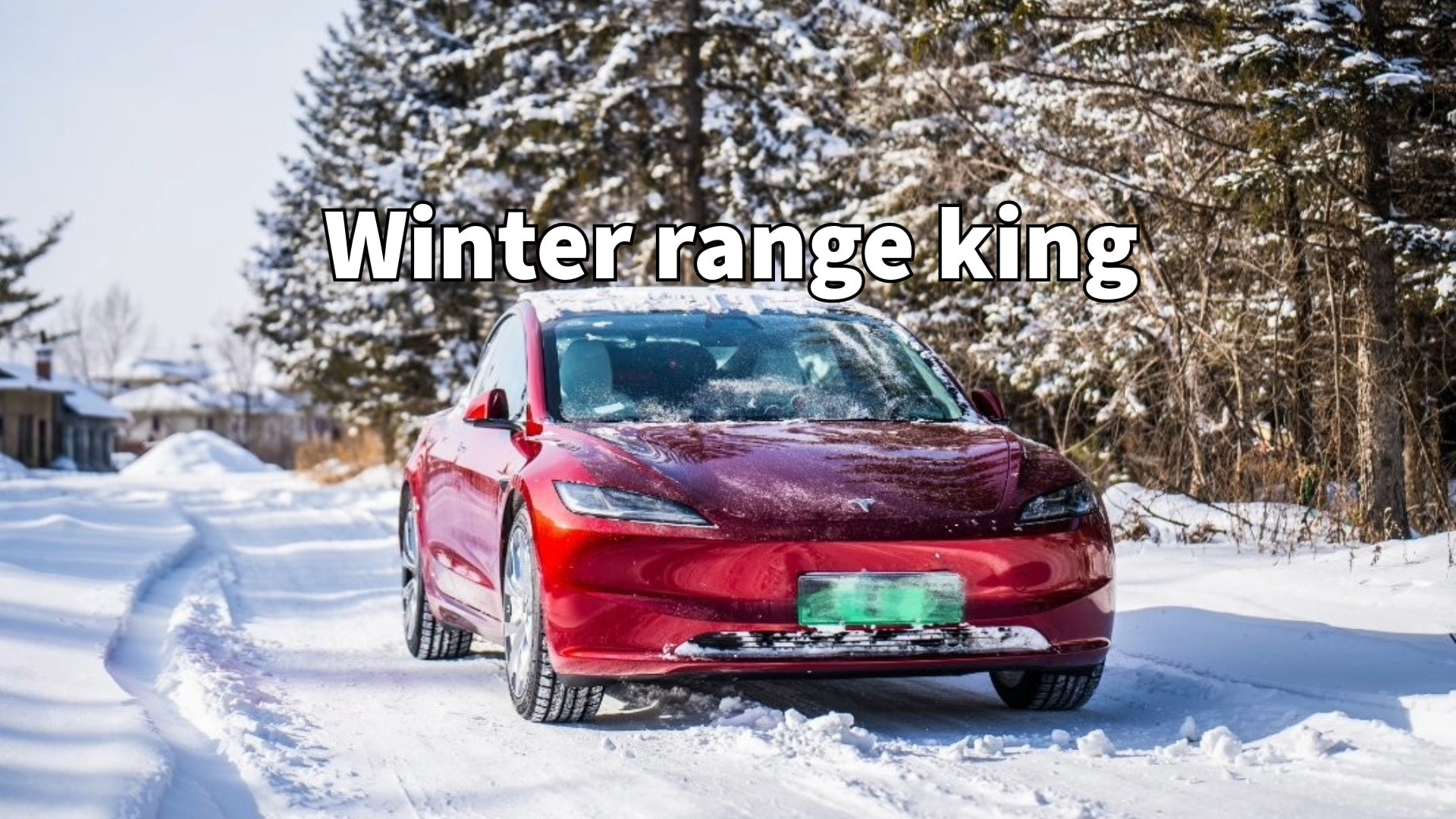
Tesla Model 3 handles cold weather well, but expect measurable range loss and a few smart features to help.
I have spent years testing and living with electric cars in cold climates. I have driven the Tesla Model 3 in snow, subzero nights, and long winter commutes. In this guide I explain how the Model 3 performs in cold weather. I cover range, charging, heating, maintenance, real-world tips, and what to expect day to day. My aim is to help you decide if the Model 3 fits your winter life.

49% off Today's Exclusive Deals
Limited-time Exclusive Deals. Check current discount on Amazon.
Check Price on Amazon As an Amazon Associate I earn from qualifying purchases.
How cold affects electric cars and the Model 3
Cold reduces battery efficiency. Chemical reactions in the battery slow down at low temperatures. That means lower range and slower charging. Cabin heating pulls more energy from the pack than in mild weather. These are basic facts for all EVs.
For the Model 3, the effect is clear but manageable. Software, battery thermal management, and efficient heat pumps in newer models cut the worst losses. Still, you will see range drop on very cold days. Knowing how the car behaves helps you cope.
49% off Today's Exclusive Deals
Limited-time Exclusive Deals. Check current discount on Amazon.
Check Price on Amazon As an Amazon Associate I earn from qualifying purchases.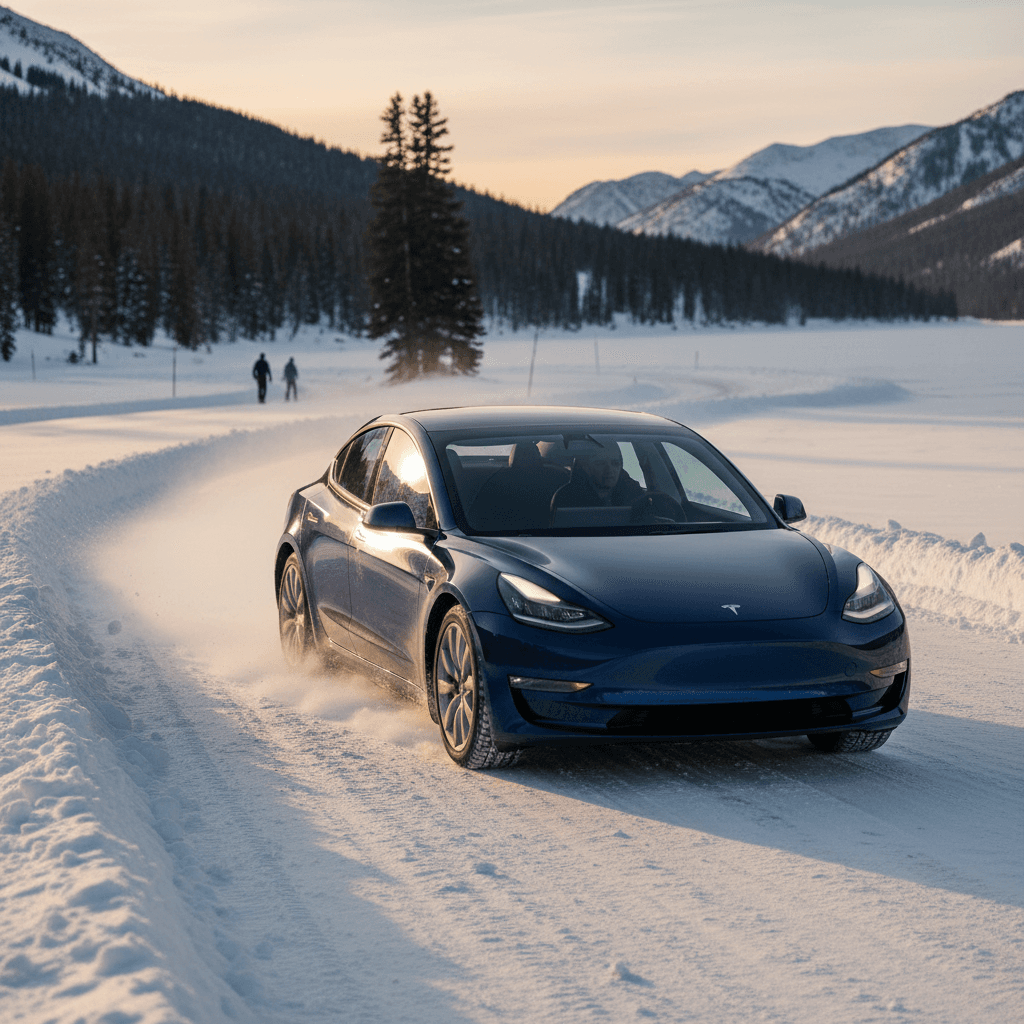
Tesla Model 3 cold-weather features and design
The Model 3 has features that help in winter. These include:
- Battery thermal management that preconditions the pack during charging and before driving. This keeps the battery near ideal temperature.
- Efficient electric heater or heat pump (in later models) that uses less energy than resistive heaters.
- Scheduled departure and cabin preconditioning via the app to warm the cabin and battery.
These systems reduce range loss and improve charging speed in cold weather. Older Model 3 units without a heat pump use more energy to heat the cabin. Newer units with a heat pump are noticeably better. Overall, the car is built to work in winter, but performance depends on model year and settings.
49% off Today's Exclusive Deals
Limited-time Exclusive Deals. Check current discount on Amazon.
Check Price on Amazon As an Amazon Associate I earn from qualifying purchases.Range and charging performance in cold weather
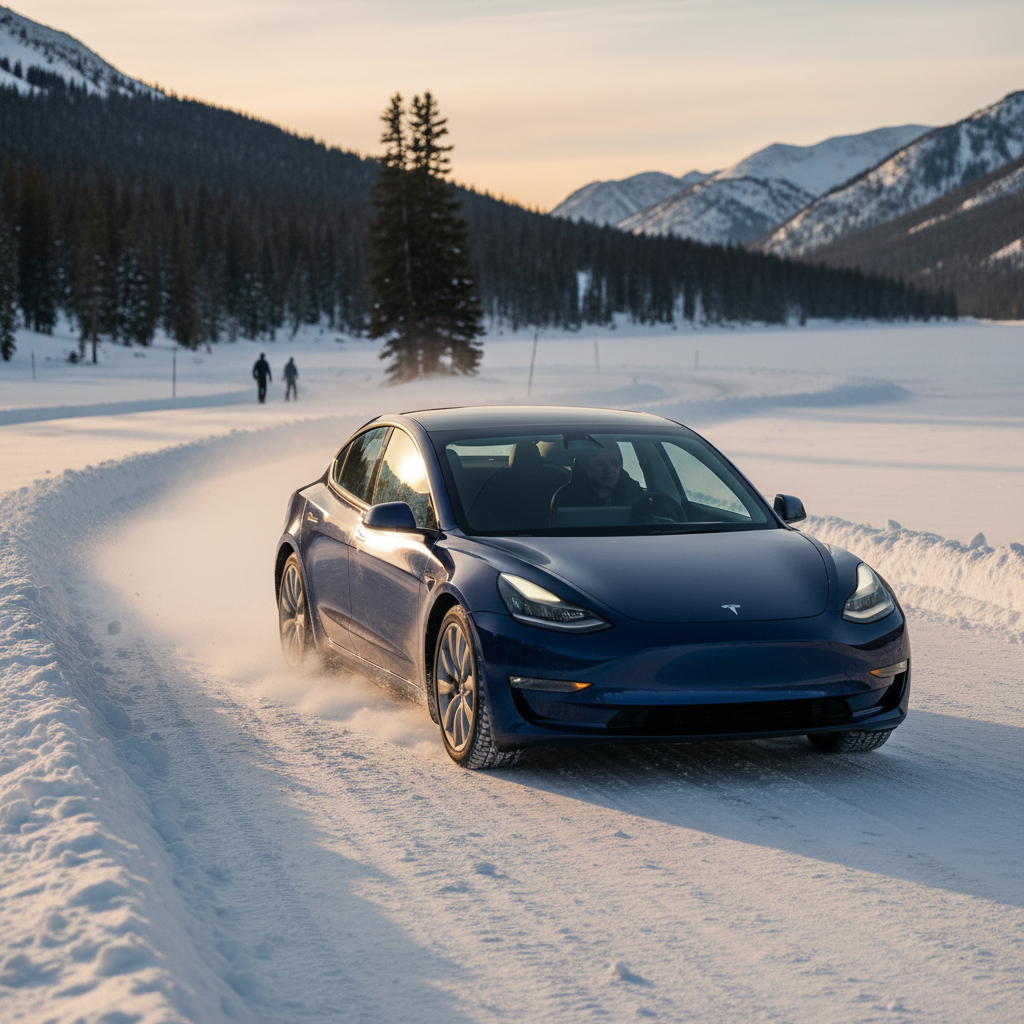
Expect range loss in cold months. Typical guidance:
- Mild cold (32°F to 20°F): 10–20% range loss.
- Very cold (below 20°F): 20–40% range loss, depending on driving style and heater use.
- Short trips: greater percentage loss because the battery stays cold and never reaches optimal temperature.
Charging speed slows when the battery is cold. Supercharging will be slower until the battery warms. Preconditioning the battery while plugged in helps. Plug in before long drives and use scheduled departure to warm the battery.
Practical tips to limit range loss:
- Preheat the cabin while plugged in.
- Use seat heaters instead of full cabin heat when possible.
- Drive smoothly and avoid aggressive acceleration.
- Keep the car plugged in overnight to allow battery thermal management to work.
Heating, defrosting, and comfort systems
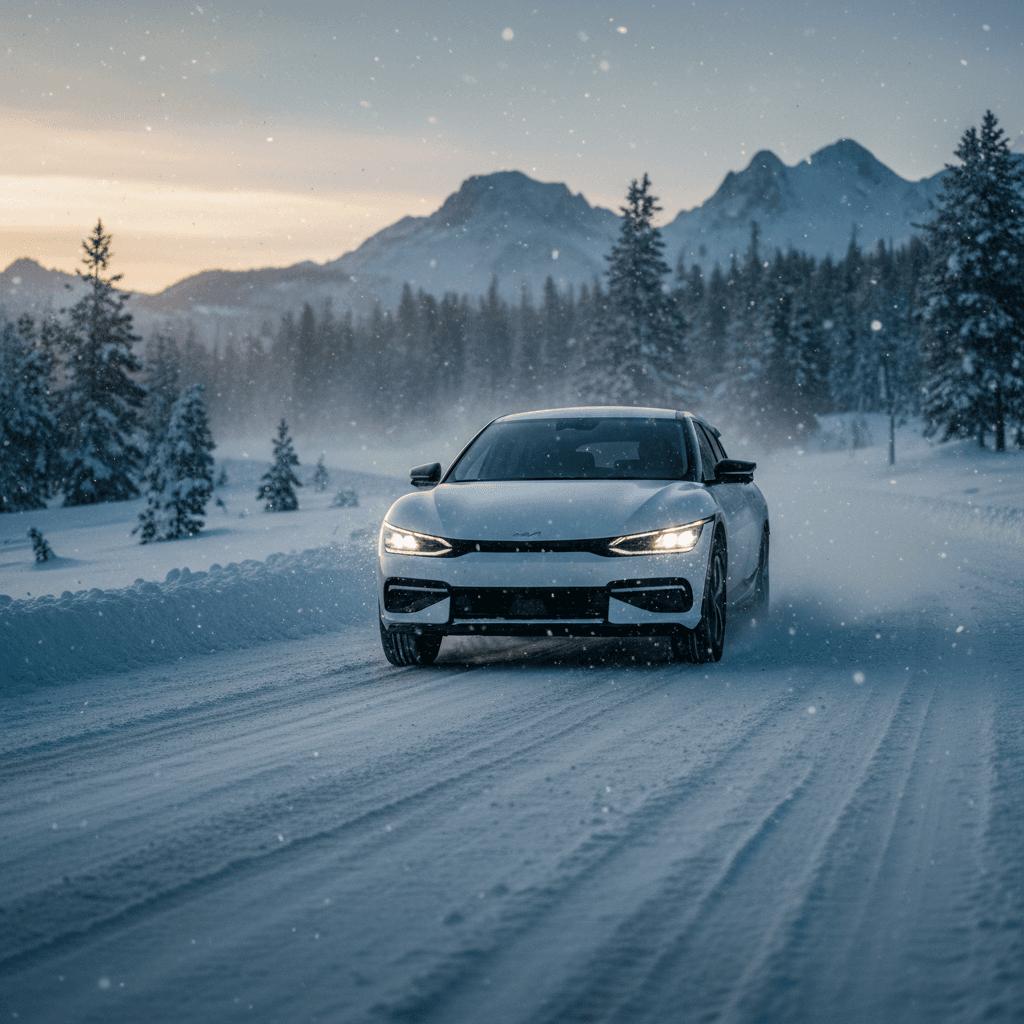
The Model 3 offers fast defrost and good cabin comfort. Key points:
- Seat heaters are more efficient than heating the whole cabin. Use them to stay warm with less range impact.
- Windshield defogging is fast thanks to good HVAC flow and heated mirrors on some models.
- Heat pump models use less battery to heat the cabin. That saves range in mild to moderate cold.
Use the app to precondition the cabin. This makes for comfortable winter departures with lower net energy cost, since energy comes from the charger, not the battery.
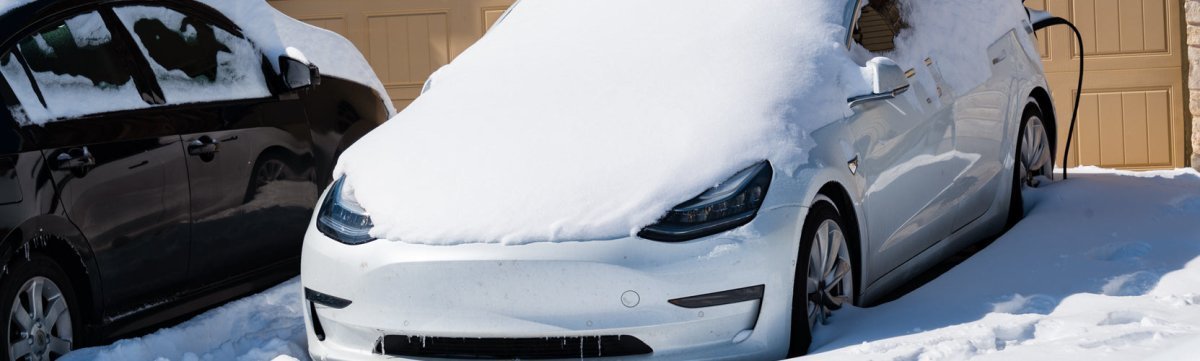
Real-world tips to improve cold-weather performance
Here are hands-on steps that worked for me and many owners:
- Preheat the car while plugged in. Start with the scheduled departure if you have a regular commute.
- Use seat and steering wheel heaters instead of blasting cabin heat.
- Park in a garage when you can. Even an unheated garage reduces battery drain.
- Keep tires properly inflated. Cold lowers tire pressure and increases rolling resistance.
- Reduce roof cargo and heavy loads in winter to preserve range.
- Use regenerative braking gently. It works but is reduced at low speeds and very cold temps.
- Plan charging stops with an allowance for slower charging in cold conditions.
These steps helped me keep predictable daily range in winter. They also saved time and reduced anxiety about mid-winter trips.
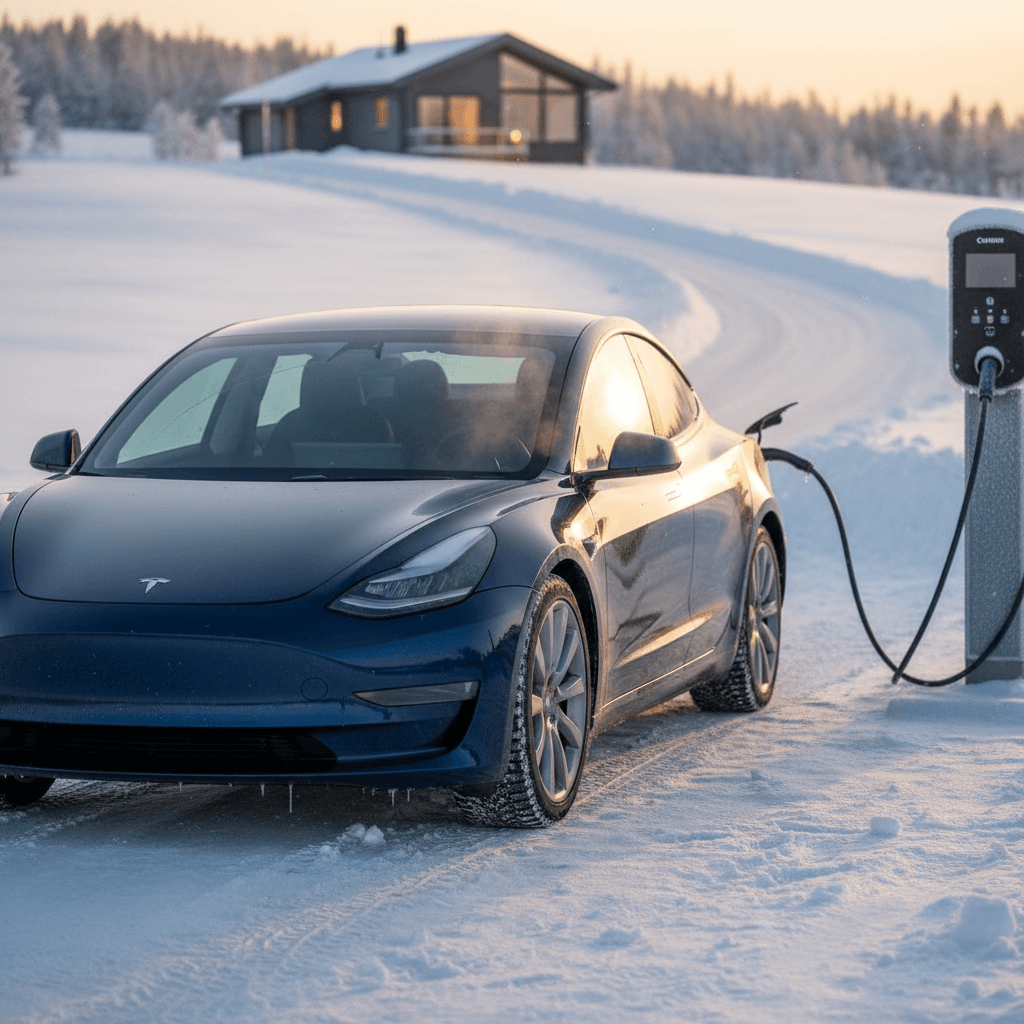
Costs, maintenance, and winter wear
Winter has costs, but they are manageable:
- Tire costs: Winter tires are a smart investment. They improve safety and can affect energy use through rolling resistance.
- Energy cost: Expect more kWh used per mile in winter due to heating and lower efficiency.
- Battery health: Cold itself does not damage modern lithium-ion packs. Proper charging habits and thermal management protect the battery.
- Salt and corrosion: Like any car, wash the undercarriage and pay attention to brake and suspension components.
Warranty and service cover many battery issues within limits. Regular software updates also improve winter behavior over time. Treat the Model 3 like any car in winter: small prep, and it will serve well.
Common problems, limitations, and how to fix them
Know what to expect and how to respond:
- Reduced range: Accept some loss. Plan trips with buffer.
- Slow charging: Precondition the battery and allow extra time at chargers.
- Door and trunk freeze: Use silicone spray on seals and rub a thin layer of wax on door edges.
- Frozen charging port: Apply warm air gently or use a de-icer spray safe for EVs.
- Reduced regen braking: This is normal when the battery is cold. Drive with awareness and increase following distance.
These are routine winter issues. They rarely indicate a defect. Small fixes and good habits solve most problems quickly.
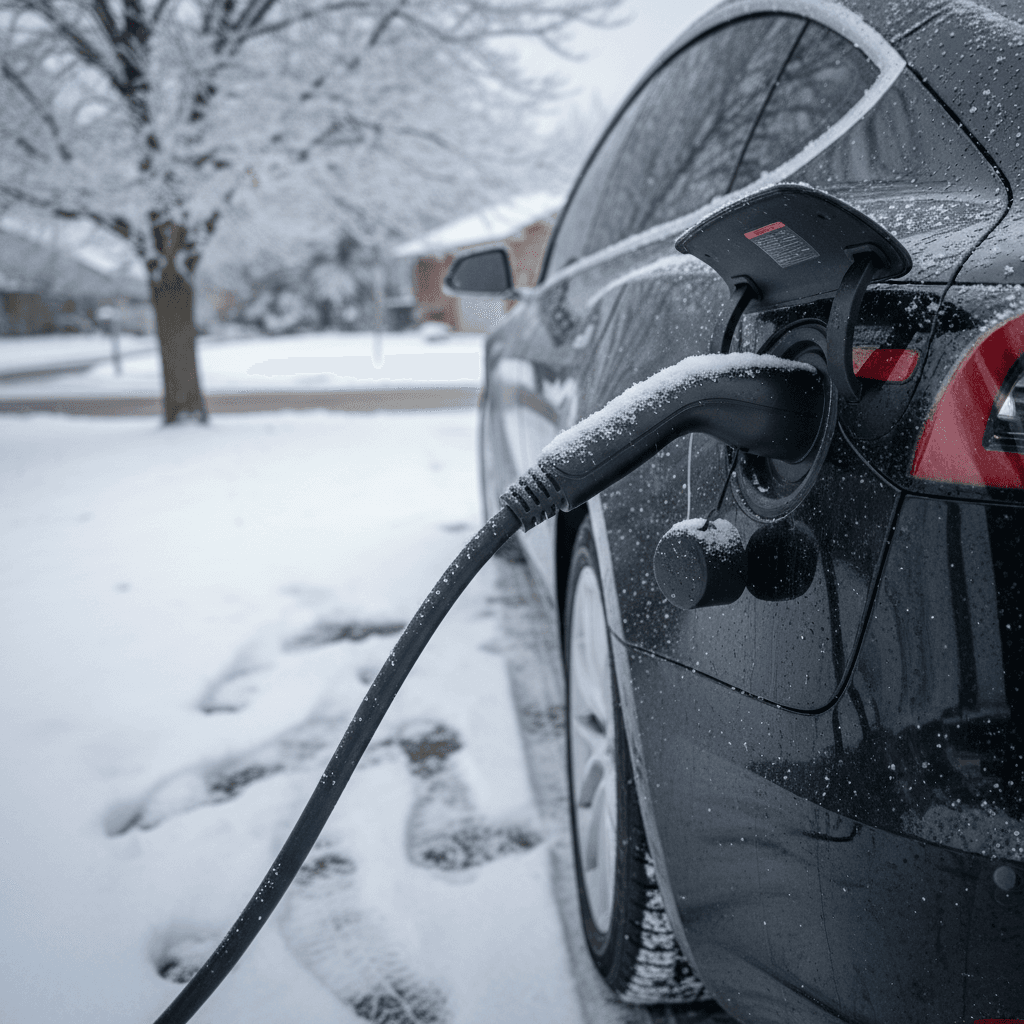
Personal experience and real-world lessons
I have driven a Model 3 through multiple winters. One lesson: schedule and precondition matter more than you think. On a subzero morning, preheating while plugged in restored range and made the car feel nimble. Without preheat, the first 10 miles felt slow and the range indicator dropped fast.
Another lesson: seat heaters beat cabin heat for short commutes. I shifted to seat heat and saved a lot of range. I also learned to trust the battery management system. It works quietly and keeps the pack safe when charging in cold weather.
If I had one tip for new owners: set up scheduled departure and learn the app commands. They change the winter experience completely.
PAA-style quick questions and concise answers
Does cold weather permanently reduce battery capacity? No. Cold makes available range smaller temporarily. Capacity returns as temperatures warm and the battery cycles.
Can you charge Model 3 in very cold weather? Yes. Charging is slower until the battery warms. Preconditioning speeds charging.
Is regenerative braking affected by cold? Yes. Regen is reduced when the battery is cold. Expect less energy recovery until the pack warms.
Frequently Asked Questions of Does the Tesla Model 3 work well in cold weather?
Does the Tesla Model 3 lose a lot of range in winter?
Yes. The Model 3 loses range in cold weather. Loss varies from about 10% to over 30% depending on temperature and heating use.
How can I reduce range loss in cold weather?
Preheat while plugged in, use seat heaters, maintain tire pressure, and drive smoothly. These steps cut energy use and help range.
Will the Model 3 charge slower in cold weather?
Charging is slower when the battery is cold. Preconditioning the battery or starting to charge before departure improves speed.
Is a heat pump worth it for winter driving?
Yes. The heat pump uses less energy to heat the cabin than resistive heat. It helps especially in mild to moderate cold.
Can cold weather damage the battery?
Cold weather does not permanently harm modern EV batteries when managed properly. Avoid deep discharge and follow normal charging practices.
Should I install winter tires on a Model 3?
Yes. Winter tires improve traction and safety. They also provide more consistent energy use in snow and ice.
How does preconditioning help with cold starts?
Preconditioning warms the battery and cabin while the car is plugged in. That improves range and comfort while keeping the charger as the energy source.
Conclusion
Tesla Model 3 works well in cold weather when you know what to expect. The car has smart systems to help. Expect lower range and slower charging, but use preconditioning, seat heaters, and good driving habits to reduce impact. Take simple steps: plug in overnight, use scheduled departure, and switch to winter tires. These actions make winter driving calm and predictable.
If you own or plan to buy a Model 3, try the preheat and scheduled departure features this winter. Track your real-world range and adjust habits. If you found this guide helpful, leave a comment, share your winter tips, or subscribe for more EV winter advice.