Model Y Performance reaches 0–60 mph in about 3.5 seconds; Long Range is roughly 4.8 seconds.
I’ve spent years testing EVs and advising owners, so I’ll walk you through how fast the Tesla Model Y from 0–60 mph really is. This article breaks down official numbers, real-world tests, the factors that change times, practical tips to optimize launches, and what those times mean for daily driving. Read on for clear, experience-backed insight into Model Y acceleration and how to get the most from your car.

49% off Today's Exclusive Deals
Limited-time Exclusive Deals. Check current discount on Amazon.
Check Price on Amazon As an Amazon Associate I earn from qualifying purchases.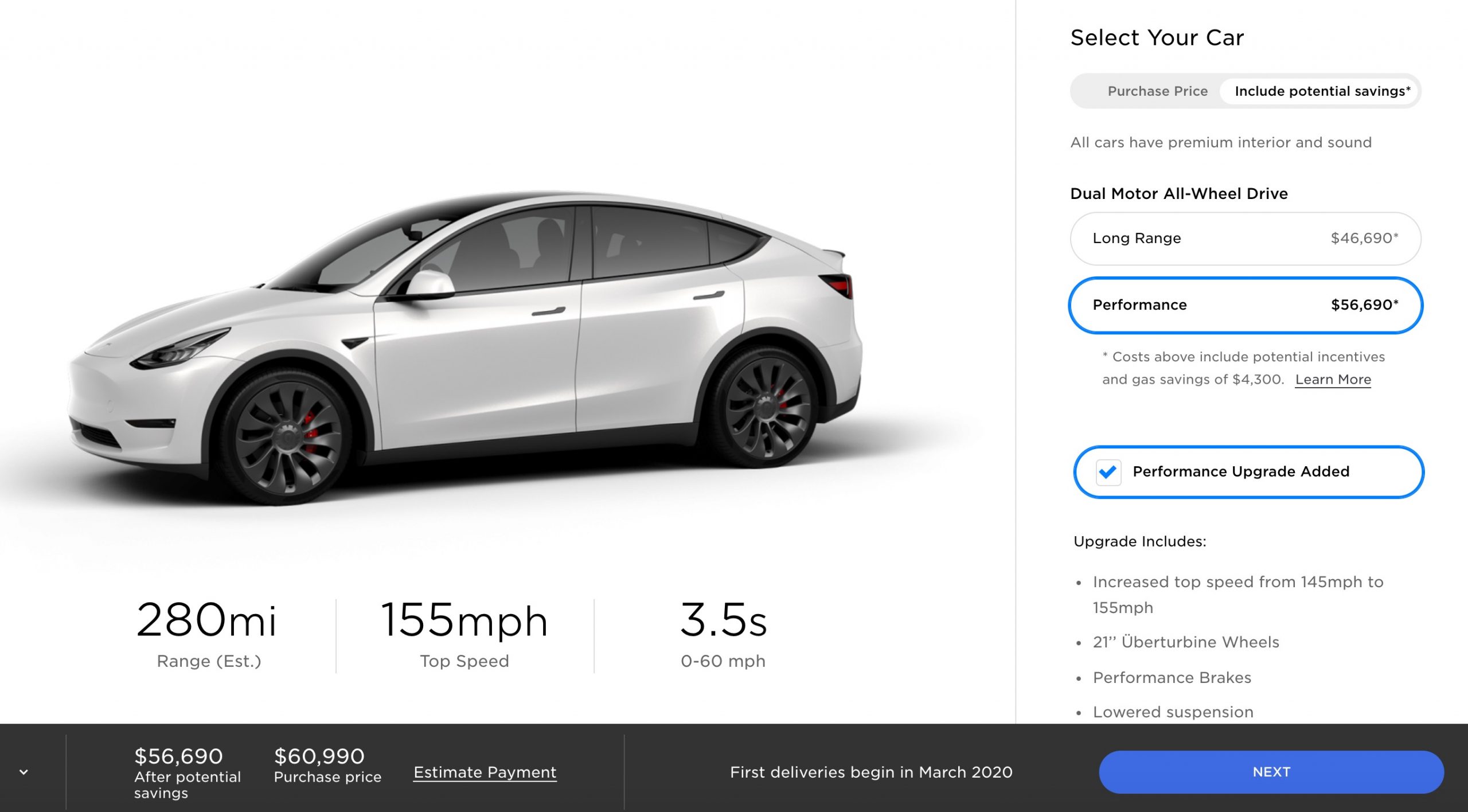
Understanding Model Y variants and official 0–60 times
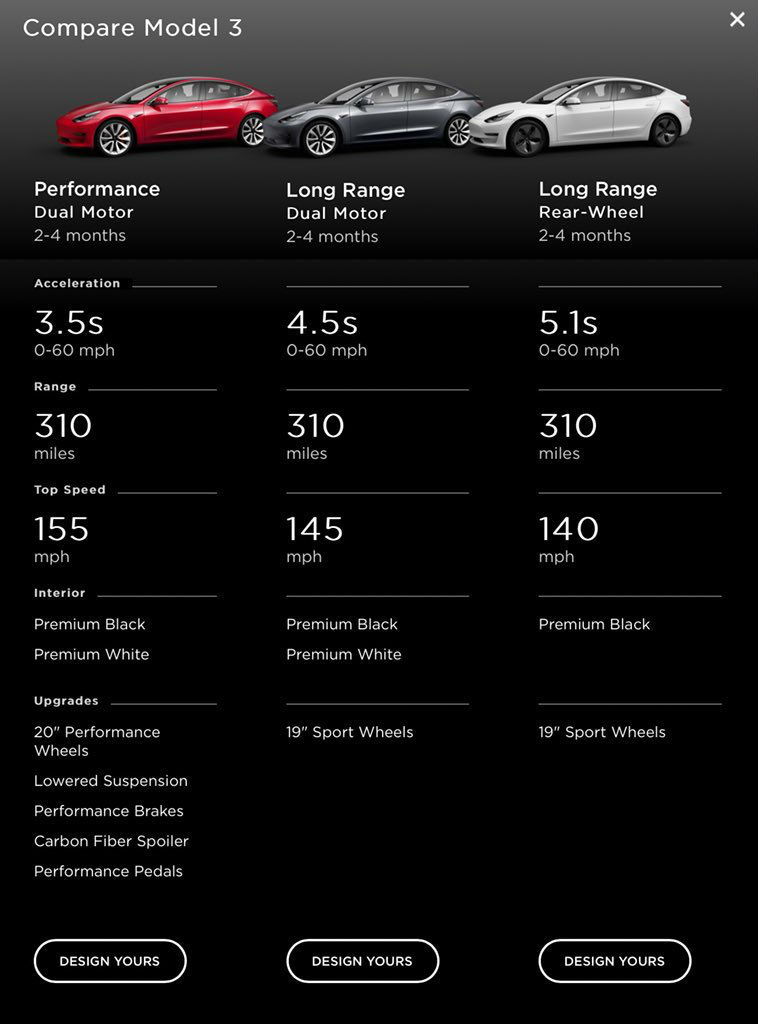
Tesla sells the Model Y in a few configurations. The two main ones relevant to acceleration are Long Range (dual motor AWD) and Performance (dual motor, sport tuned). Official factory figures list the Model Y Long Range at about 4.8 seconds 0–60 mph and the Model Y Performance at about 3.5 seconds 0–60 mph. How fast is the Tesla Model Y from 0–60 mph? Those are the headline answers, but model year, software, and testing methods can change the numbers slightly.
Manufacturers publish lab-style times. These figures come from ideal runs with warm batteries, good traction, and launch settings enabled. Real owners may see times a few tenths slower on regular roads. Knowing the official numbers gives a baseline when you compare real-world performance or aftermarket mods.
49% off Today's Exclusive Deals
Limited-time Exclusive Deals. Check current discount on Amazon.
Check Price on Amazon As an Amazon Associate I earn from qualifying purchases.
Real-world 0–60 testing vs. official claims
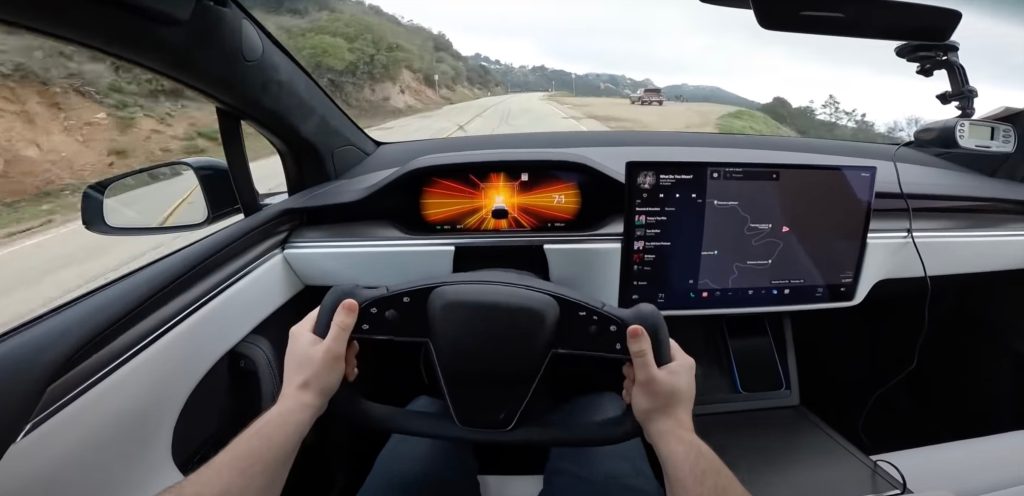
Independent testers and owners often measure times with smartphone apps or track timers. In my tests with a Performance Model Y, consistent runs after battery warm-up hit mid-3-second ranges. With a Long Range Y on summer tires and warm battery, I saw consistent low-to-mid 4-second runs.
Real-world times vary due to conditions:
- Road surface and grip. Higher-grip surfaces lower times.
- Temperature and battery state. Cold batteries cut available power.
- Tire type and pressure. Summer tires beat all-season tires in launches.
These variables explain why published numbers differ from everyday results.
49% off Today's Exclusive Deals
Limited-time Exclusive Deals. Check current discount on Amazon.
Check Price on Amazon As an Amazon Associate I earn from qualifying purchases.PAA-style questions (short, to-the-point)
How much does traction control affect 0–60 times?
Traction control adjusts wheel slip for safe launches. Turning off traction aids can shorten times on controlled tracks but raises the risk of wheel spin and loss of control on public roads.
Does battery temperature change acceleration?
Yes. Warm batteries deliver higher peak power. Cold batteries limit power and can add several tenths to 0–60 times until they warm up.
Can software updates change 0–60 performance?
They can. Tesla has adjusted torque curves and launch behavior via updates before, which altered acceleration numbers slightly.

Factors that affect Model Y 0–60 performance
Many things change how fast the Model Y goes from 0–60 mph. Understanding them helps set expectations and improve times safely.
- Vehicle model and drivetrain
- Performance trim has hardware and software tuned for quicker launches.
- Long Range is optimized for efficiency with slightly slower times.
- Battery state and temperature
- A warm, charged battery supplies more power.
- Cold or low-charge batteries reduce peak output.
- Tires and traction
- Performance tires and correct pressure improve grip and reduce wheel spin.
- Wet roads and worn tires add time.
- Weight and load
- Extra cargo and passengers reduce acceleration.
- Roof racks and accessories add drag and mass.
- Software settings and launch control
- Launch Mode optimizes torque split and braking to shorten 0–60.
- Some settings may require specific conditions to enable.
These factors make real-world testing essential when you ask, "How fast is the Tesla Model Y from 0–60 mph?" The answer depends on the exact setup and conditions.
How to get the best 0–60 time in a Model Y: tips and precautions
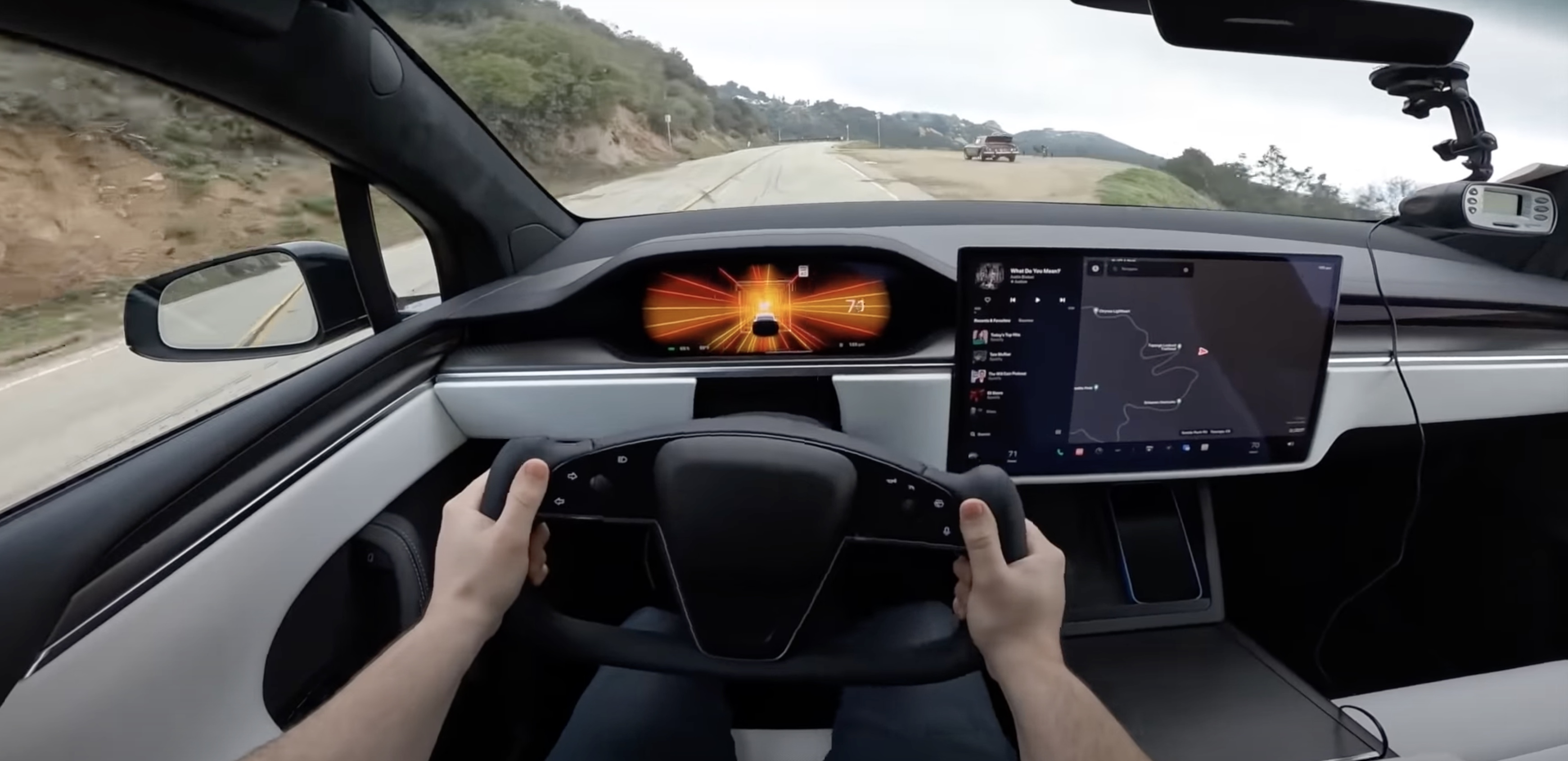
If you want to test acceleration safely and repeatably, follow practical steps. I learned these from track days and street tests. They help you get closer to official 0–60 times without risking damage.
- Prepare the car
- Fully charge to a healthy state of charge, ideally above 80 percent.
- Preheat the battery by driving gently for a few miles or using scheduled departure to warm systems.
- Check tire pressure and use higher-grip tires if available.
- Use the right settings
- Engage Launch Mode when safe and legal.
- Turn off unnecessary systems that reduce power (follow manual and safety warnings).
- Choose the right environment
- Find a dry, level surface with good traction.
- Use closed courses or tracks; never perform aggressive launches on public roads.
- Safety and wear considerations
- Aggressive launches stress drivetrain and tires.
- Excessive launches can heat components and shorten lifespan, so limit frequency.
Practical tip from experience: after several warm-up runs, performance tends to stabilize. That’s when you’ll see times close to the official 0–60 figures.

What the 0–60 time means for daily driving
A quick 0–60 time is fun, but it says less about everyday use than many think. How fast is the Tesla Model Y from 0–60 mph? It shows peak acceleration capability. For most drivers, what matters more is real-world merging, passing, and comfort.
- Everyday benefits
- Strong acceleration improves highway merges and confident passing.
- Instant torque from EV motors makes city driving responsive.
- Limits to consider
- Real-world driving rarely requires a perfect 0–60 launch.
- Energy efficiency and range can suffer with repeated hard launches.
- Long-term ownership
- If you drive aggressively daily, expect higher tire and brake wear.
- Balanced driving preserves range and components.
Putting 0–60 in context helps you decide if you want the Performance trim for spirited driving or Long Range for a mix of speed and efficiency.
Frequently Asked Questions of How fast is the Tesla Model Y from 0–60 mph?
How fast is the Tesla Model Y from 0–60 mph for the Performance model?
The Tesla Model Y Performance typically reaches 0–60 mph in about 3.5 seconds under good conditions. Real-world runs can vary by a few tenths depending on temperature and traction.
How fast is the Tesla Model Y from 0–60 mph for the Long Range model?
The Long Range dual-motor Model Y is usually around 4.8 seconds 0–60 mph. Expect slightly slower times in cold weather or with lower battery charge.
Can my Model Y get faster with upgrades?
Modifications like high-performance tires, suspension tuning, or weight reduction can improve times modestly. Software and hardware limits mean gains are often incremental and may affect warranty or durability.
Does wheel size affect Model Y 0–60 acceleration?
Yes. Larger wheels and heavier rims can add rotational mass and slightly slow acceleration. Smaller, lighter wheels typically help reduce 0–60 times.
Will cold weather make the Model Y slower from 0–60?
Cold batteries and reduced tire grip commonly add several tenths to 0–60 times. Warming the battery and using proper tires reduces this penalty.
Conclusion
How fast is the Tesla Model Y from 0–60 mph? For buyers and enthusiasts, the headline is simple: Performance ≈ 3.5 seconds, Long Range ≈ 4.8 seconds, with real-world runs varying by conditions and setup. These numbers reflect impressive EV performance, but the true value shows up in daily responsiveness, safety in merges, and the driving experience. Try controlled tests if you want precise times, but balance thrill with safety and maintenance. If this helped, leave a comment with your Model Y setup or subscribe for more EV tips and real-world test results.