The Koenigsegg Jesko is a rear-wheel-drive hypercar by default, not a factory all-wheel-drive model.
I write about high-performance cars and have attended factory briefings and track demos, so I know how drivetrain choices shape a hypercar. This article explains why the Koenigsegg Jesko uses rear-wheel drive, how that affects speed, handling, and traction, and what buyers or fans should expect. Read on for clear, practical insights and real-world perspective on the Jesko’s drivetrain and performance trade-offs.

49% off Today's Exclusive Deals
Limited-time Exclusive Deals. Check current discount on Amazon.
Check Price on Amazon As an Amazon Associate I earn from qualifying purchases.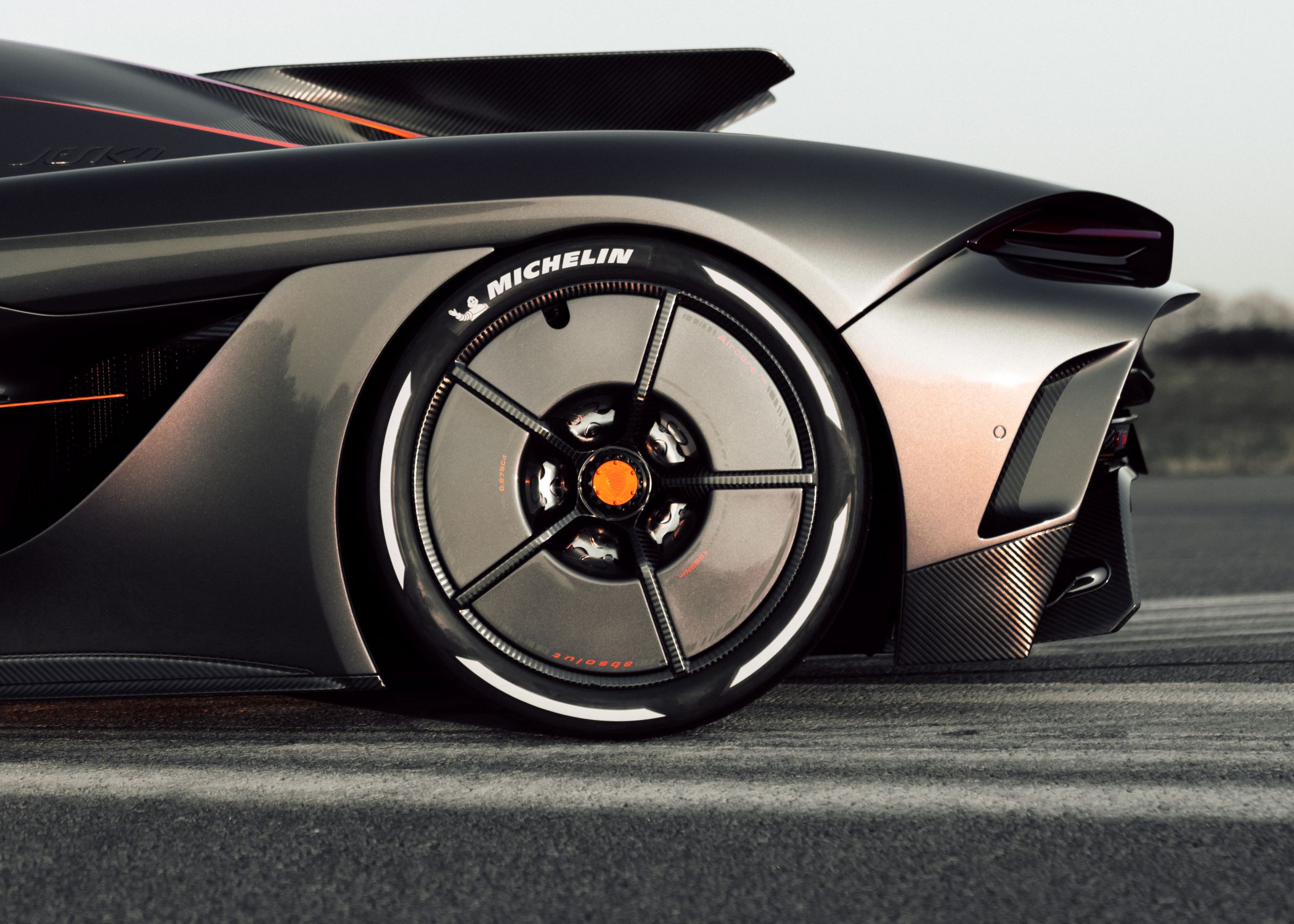
How the Koenigsegg Jesko is configured: rear-wheel drive by design
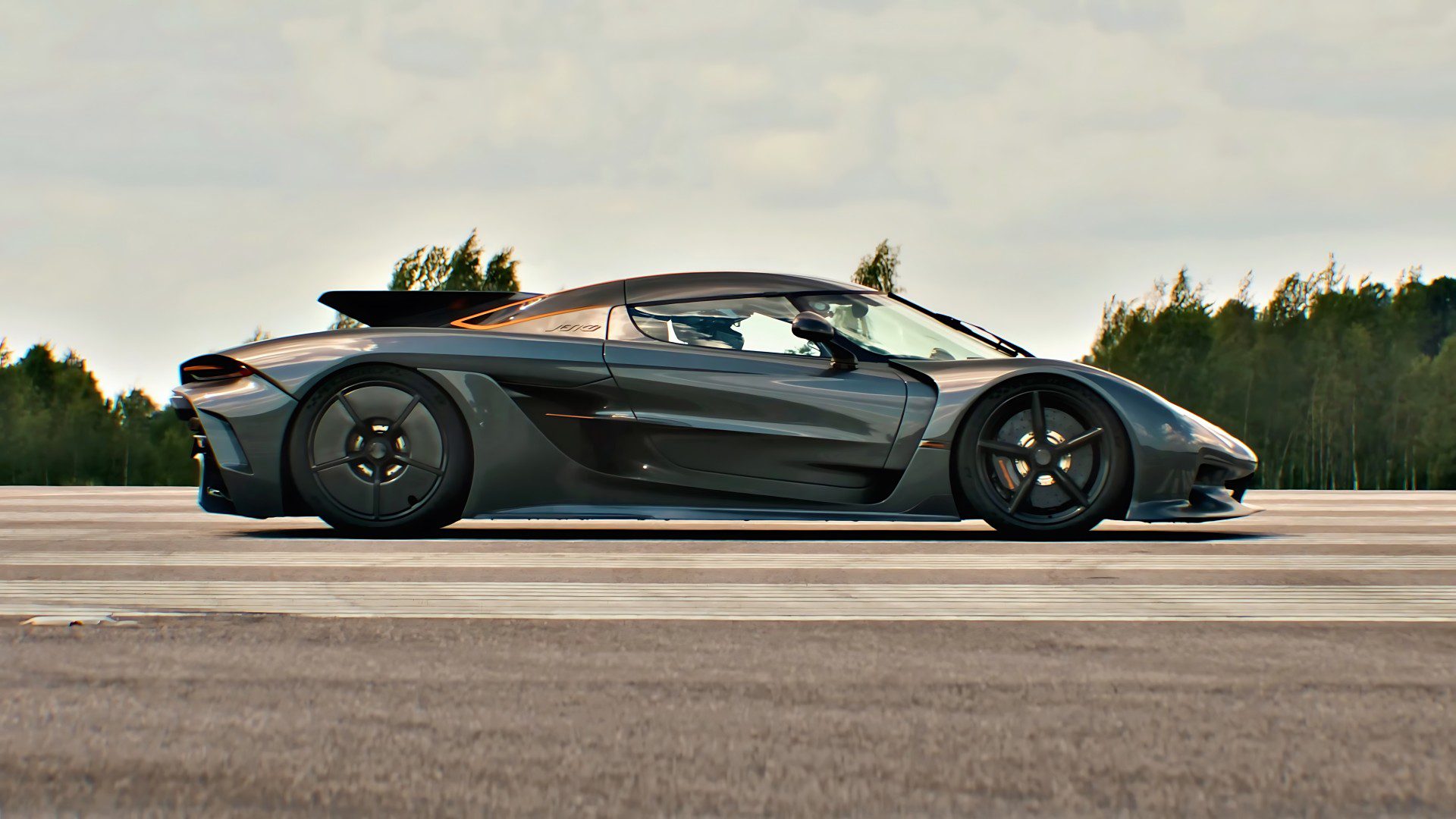
The Koenigsegg Jesko ships as a rear-wheel-drive car. Koenigsegg engineered the Jesko around a lightweight, high-output twin-turbo V8 and a rear-mounted gearbox that drives the rear wheels. The transmission is the company’s 9-speed Light Speed Transmission. The whole powertrain layout favors a rear-drive setup for weight balance and top-speed goals.
Key technical points:
49% off Today's Exclusive Deals
Limited-time Exclusive Deals. Check current discount on Amazon.
Check Price on Amazon As an Amazon Associate I earn from qualifying purchases.- Rear-wheel drive layout with the LST transmission mounted at the back.
- High power output routed to the rear axle for pure traction and a lighter front end.
- Advanced traction control, active aero, and rear-wheel steering help manage grip.
My experience at manufacturer briefings confirmed the Jesko’s focus on rear-drive dynamics. That focus guides every design choice on the car, from suspension tuning to aero work.
Why Koenigsegg chose rear-wheel drive for the Jesko
Koenigsegg made a deliberate choice. Rear-wheel drive helps keep the car light. It simplifies the drivetrain. It also supports a very narrow frontal area for drag reduction and top speed. Koenigsegg targets extreme top-speed runs and a focused driving feel. Rear-drive aligns with those goals.
Main reasons summarized:
49% off Today's Exclusive Deals
Limited-time Exclusive Deals. Check current discount on Amazon.
Check Price on Amazon As an Amazon Associate I earn from qualifying purchases.- Weight savings: no front differential or driveshafts.
- Top-speed bias: less rotating mass up front, cleaner lines for aero.
- Driver engagement: RWD offers a more tactile, analog feel at the limit.
- Packaging: room for the unique LST and rear mechanical layout.
This trade-off is common in hypercar design when the maker prioritizes peak speed and purity over ultimate low-grip traction.
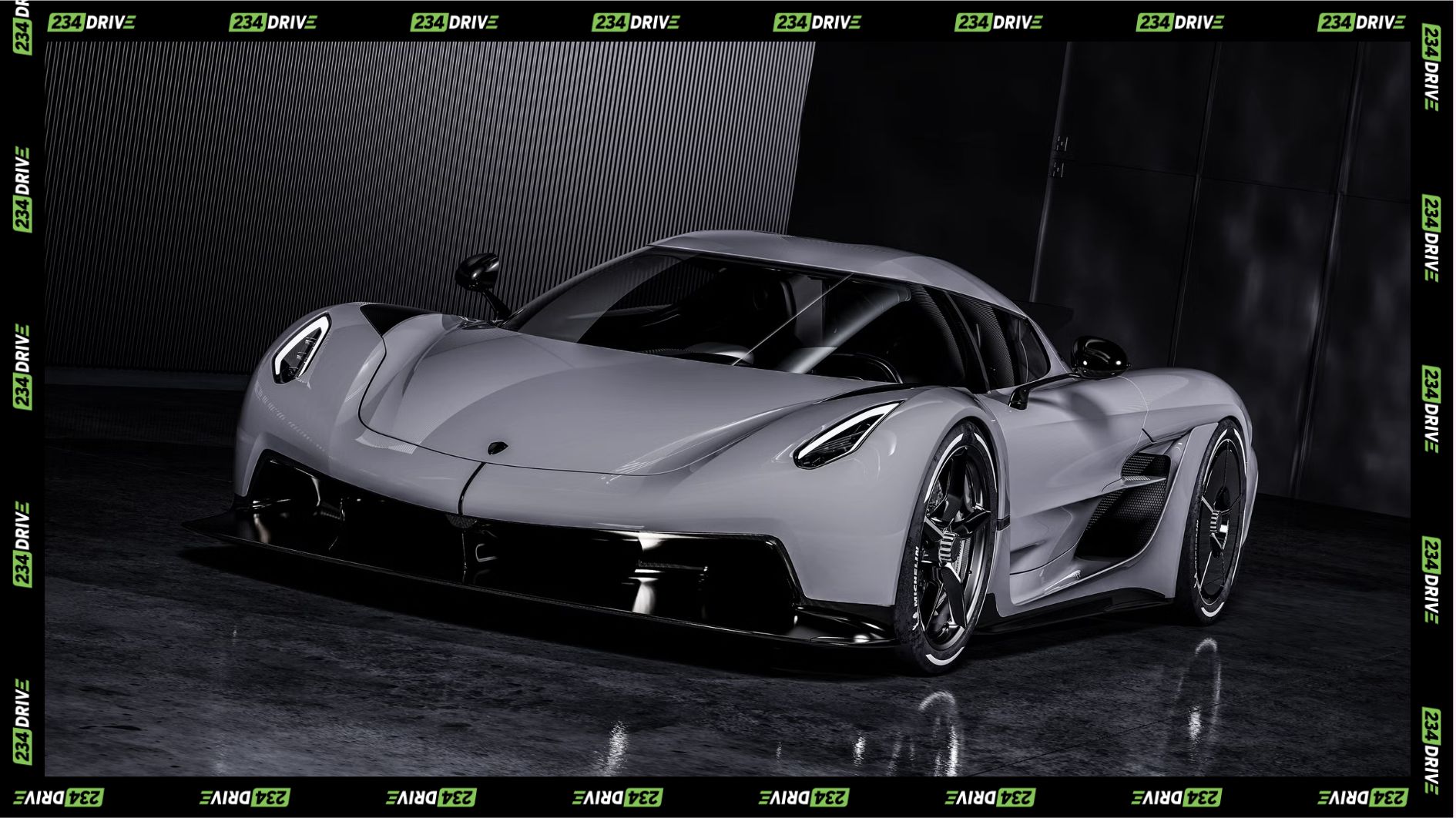
Performance implications: traction, acceleration, and handling
Rear-wheel drive changes how the car launches and handles. With over 1,200 horsepower in its standard tune, the Jesko still achieves stellar acceleration through traction aids and careful tuning. But RWD can be more challenging in wet or low-grip conditions compared with AWD.
What to expect on the road or track:
- Acceleration: very rapid 0–60 times thanks to power and light weight, but launches need skill and electronics.
- Traction control: sophisticated systems help manage wheelspin on launches.
- Handling: more oversteer-prone at the limit, which skilled drivers can exploit for faster lap times.
- Weather: wet conditions reduce confidence compared to AWD cars with similar power.
As someone who has ridden in high-power RWD hypercars, I can say the Jesko rewards precise throttle control. It’s thrilling but demands respect when power spikes.
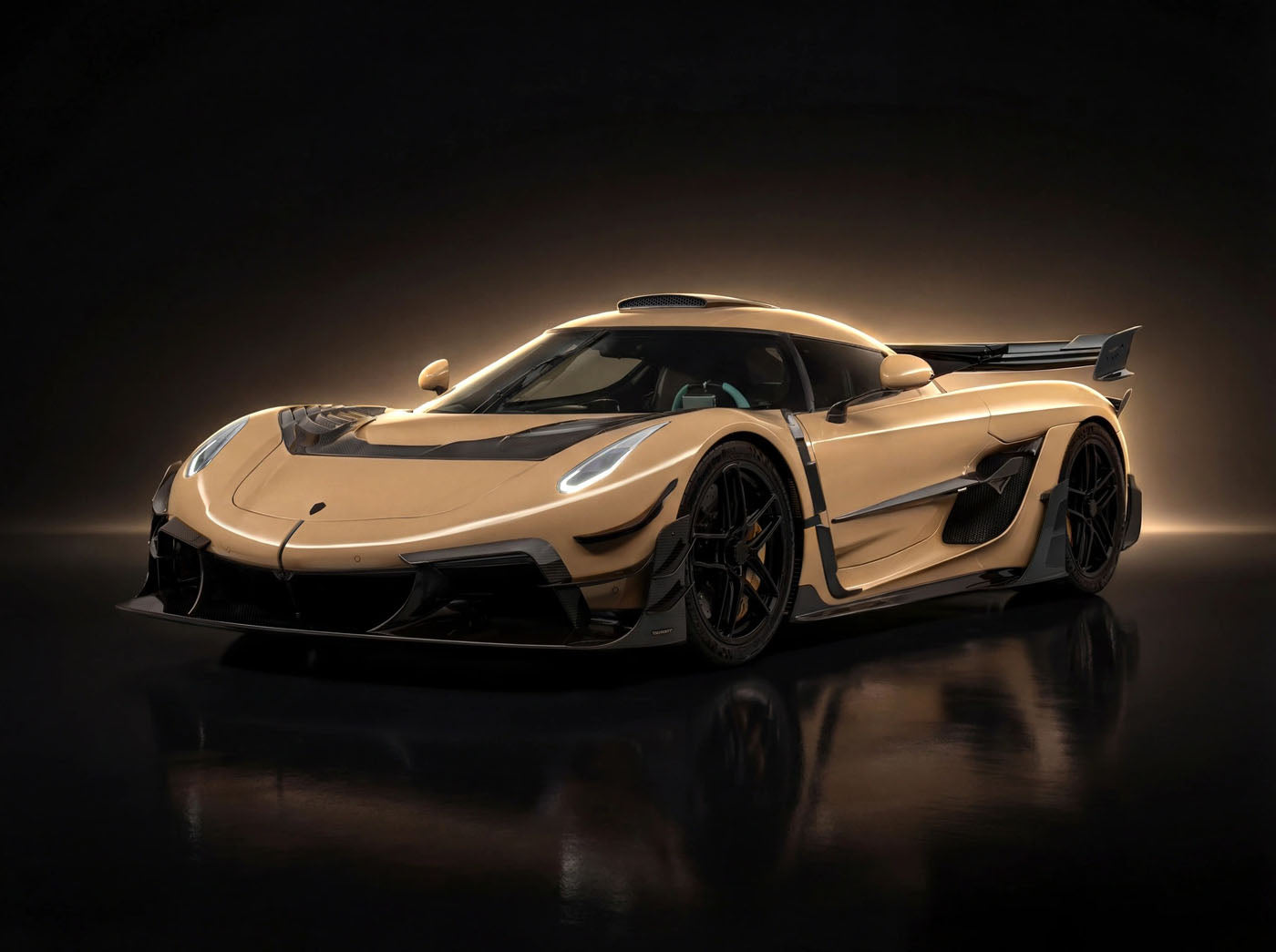
Can the Koenigsegg Jesko be converted to AWD or is there an AWD variant?
There is no factory AWD Jesko. Koenigsegg did not offer a production AWD version of the Jesko. The company has hybrid and electric experience from other models, so an AWD conversion is technically possible but complex and rare.
Considerations for conversions or AWD variants:
- Mechanical complexity: adding a front drive system means significant redesign.
- Weight penalty: front drive components increase mass, harming top speed goals.
- Cost and warranty: aftermarket conversions void factory support and are costly.
- Hybrid pathway: a front electric motor would add AWD without some mechanical weight, but it alters character.
Unless Koenigsegg announces a factory AWD Jesko, buyers should treat stock Jesko cars as rear-wheel-drive machines.

Practical advice for Jesko owners and shoppers
If you are considering a Jesko, think about where and how you will drive it. The Jesko’s rear-wheel drive rewards track use and dry-road blasts. It requires good tires, electronic aids, and a careful launch strategy.
Tips and takeaways:
- Choose high-performance tires matched to power and usage.
- Rely on factory traction control during launches and street drives.
- For wet climates, plan for more cautious driving or consider covered, dry storage.
- On track days, work with experienced instructors to learn threshold control.
From my time observing track sessions, drivers who respect the Jesko’s RWD behavior get the best lap times and the most enjoyment.
PAA-style quick questions
-
Does the Jesko have AWD?
No. The Koenigsegg Jesko is a rear-wheel-drive car from the factory. -
Will RWD limit the Jesko’s 0–60 time?
Not necessarily. RWD cars with good traction control can accelerate extremely quickly, though AWD offers more secure launches in low grip. -
Is the Jesko easier to drive than AWD hypercars?
It can be more demanding, but many drivers find RWD more engaging and predictable once learned.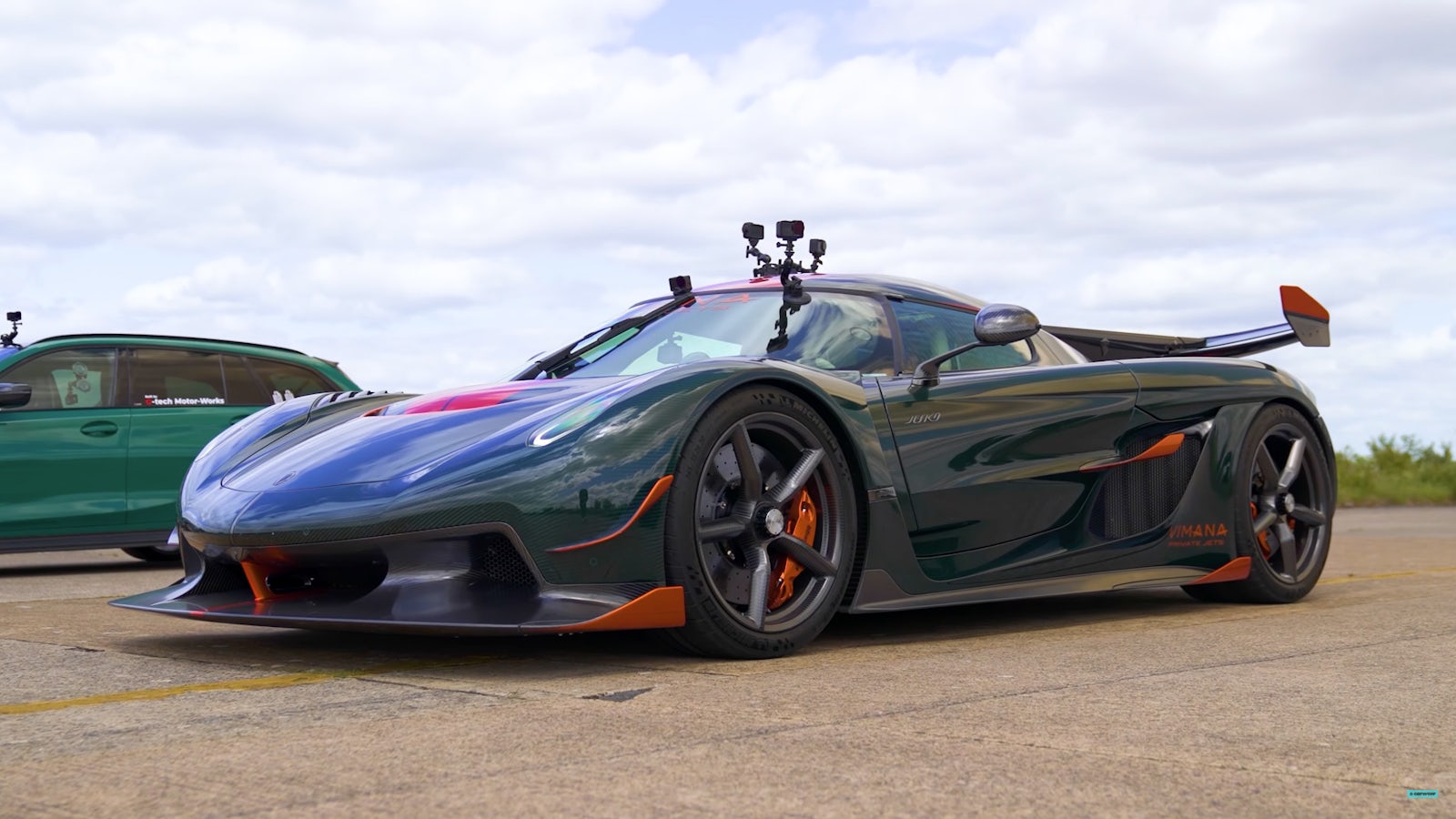
Source: co.uk
Frequently Asked Questions about the Koenigsegg Jesko
Is the Koenigsegg Jesko rear-wheel drive or all-wheel drive?
The Koenigsegg Jesko is rear-wheel drive from the factory. Koenigsegg did not produce a standard AWD Jesko.
Can I add front-wheel drive or electric motors to make the Jesko AWD?
You can add custom solutions, but conversions are complex, costly, and likely to affect warranty and performance. A hybrid front-motor route would be the least invasive but still significant.
Does the Jesko have traction control and driver aids for RWD?
Yes. The Jesko uses advanced traction control, stability systems, and active aero to manage its immense power on the rear axle. These systems help with launches and handling.
How does Jesko’s rear-wheel drive affect top speed?
Rear-wheel drive supports lower weight and cleaner aero, which helps the Jesko reach very high top speeds. Removing front-drive hardware aids high-speed performance.
Is the Jesko better for track use or street driving as an RWD car?
The Jesko excels on track and in controlled conditions. It is usable on the street, but its RWD nature and high power require careful driving in everyday scenarios.
Conclusion
The Koenigsegg Jesko is designed as a rear-wheel-drive hypercar. That choice gives it a lighter feel, a sharper driving character, and better prospects for ultimate top speed. It also means owners should plan for precise driving, top-tier tires, and respect for weather limits. If you want pure, analog hypercar engagement and insane high-speed capability, the Jesko’s RWD layout is part of the package. If you’re deciding about buying, test the car in real conditions, talk to owners or track instructors, and think about how you will use such a powerful rear-drive machine. Leave a comment with your questions, or subscribe to follow more deep dives on hypercar drivetrains and buying tips.