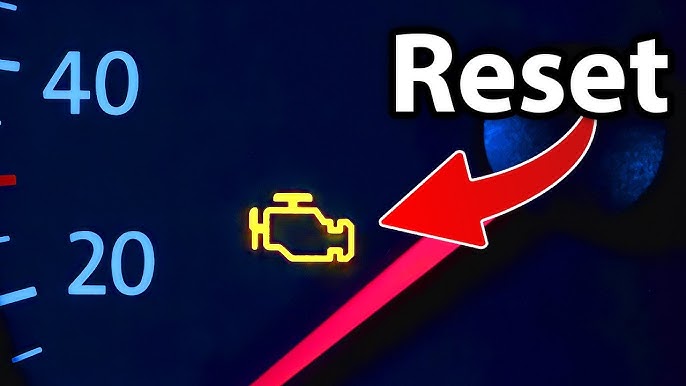
Your check engine light just came on, and now you’re wondering what to do next. It can be confusing and a little scary, but don’t worry—you’re not alone.
Knowing how to reset the check engine light can save you time, stress, and possibly a trip to the mechanic. You’ll learn simple, effective ways to turn off that light and get back on the road with confidence. Keep reading, and you’ll soon feel in control of your car’s health like never before.

49% off Today's Exclusive Deals
Limited-time Exclusive Deals. Check current discount on Amazon.
Check Price on Amazon As an Amazon Associate I earn from qualifying purchases.Causes Of Check Engine Light
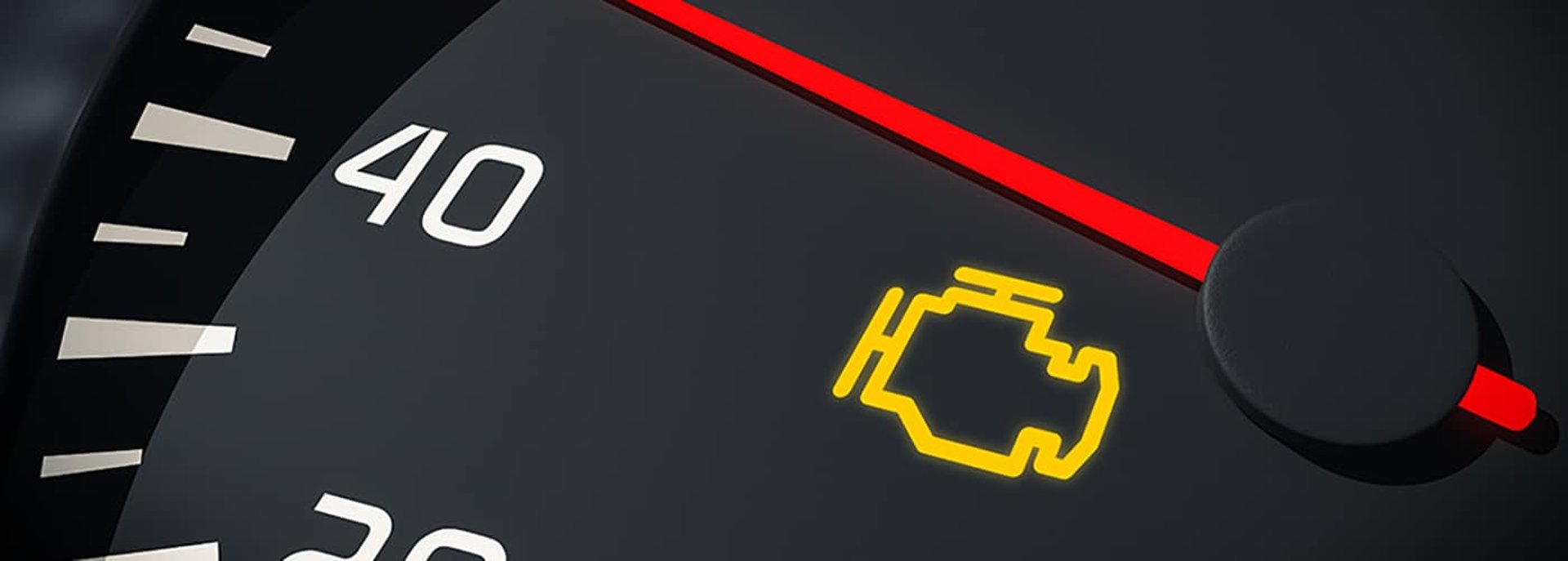
The check engine light signals a problem in your vehicle. It turns on when the car’s computer detects an issue. Knowing the causes helps you act fast. Some causes are simple, others need expert care. Understanding these triggers can save time and money.
Common Triggers
Loose or damaged gas caps often cause the light to turn on. Faulty spark plugs or wires can also trigger it. Problems with the battery or charging system may be the reason. Simple issues can cause the engine light to flash or stay on.
Sensor Issues
Sensors monitor many parts of your car. A bad oxygen sensor is a common cause. Mass airflow sensors measure air entering the engine. Faulty sensors send wrong data to the car’s computer. This makes the check engine light come on.
49% off Today's Exclusive Deals
Limited-time Exclusive Deals. Check current discount on Amazon.
Check Price on Amazon As an Amazon Associate I earn from qualifying purchases.Emission Problems
Emission systems control harmful gases from the car. A failing catalytic converter can trigger the light. Problems with the EGR valve also cause it. Issues in the evaporative emission system are another reason. These problems affect pollution and car performance.
Fuel System Malfunctions
The fuel system must deliver the right fuel amount. A bad fuel injector can cause the light to glow. Problems with the fuel pump or filter also trigger it. Low fuel pressure or leaks in the system are common causes. Fuel system problems affect engine running and efficiency.
Tools Needed For Reset
Resetting the check engine light requires specific tools. These tools help read and clear error codes from your vehicle’s computer. Some tools are simple, while others need more knowledge to use. Choosing the right tool depends on your comfort and budget. Here are the main tools you need to reset the check engine light.
Obd-ii Scanner
The OBD-II scanner is the most common tool for resetting the check engine light. It plugs into your car’s OBD-II port, usually under the dashboard. This device reads the trouble codes from your vehicle. After reading, it can clear the codes and turn off the light. Many models are affordable and easy to use. Some scanners offer extra features, like live data and code explanations.
49% off Today's Exclusive Deals
Limited-time Exclusive Deals. Check current discount on Amazon.
Check Price on Amazon As an Amazon Associate I earn from qualifying purchases.Basic Vehicle Tools
Basic tools like a wrench or screwdriver may help in some reset cases. For example, disconnecting the car battery can sometimes reset the light. This requires a wrench to remove battery terminals. Be careful not to damage the battery or electrical system. This method does not clear the code but may turn off the light temporarily.
Smartphone Apps
Smartphone apps work with wireless OBD-II adapters. These small devices plug into the OBD-II port and connect via Bluetooth. The app on your phone reads the codes and clears them. Apps often provide easy-to-understand information about the error. This method is convenient and portable. It is a good option for beginners and people on a budget.
Quick Reset Methods
Resetting the check engine light can be quick and simple. Some methods clear the light fast without complex tools. These methods work well for minor issues or after repairs.
Try these quick reset methods to turn off the check engine light safely.
Using An Obd-ii Scanner
An OBD-II scanner reads your car’s computer codes. It shows the problem causing the check engine light. After fixing the issue, use the scanner to clear the codes. This turns off the light immediately. Scanners are easy to use and affordable.
Battery Disconnect Technique
Disconnect the car battery to reset the light. Remove the negative terminal cable for about 15 minutes. This cuts power to the car’s computer and clears error codes. Reconnect the battery and start the car. The check engine light should be off. This method works best for simple resets.
Driving Cycle Reset
A driving cycle reset means driving your car for a set time. The car’s computer runs self-checks and clears minor errors. Drive at varying speeds for 20 to 30 minutes. The light may turn off after the cycle finishes. This method is slow but safe and requires no tools.
Step-by-step Reset Guide
Resetting the check engine light is easier than many think. This step-by-step guide helps clear the light safely. Follow each step carefully to avoid mistakes. This process uses a scanner tool to reset the system.
Locate The Obd-ii Port
Find the OBD-II port under the dashboard. It is usually near the driver’s side. The port looks like a small trapezoid. Check around the steering column if you cannot find it quickly.
Connect The Scanner
Plug the scanner’s connector into the OBD-II port. Make sure it fits snugly. Turn on the car’s ignition without starting the engine. The scanner will power on automatically.
Read And Clear Codes
Use the scanner menu to read error codes. These codes explain why the light is on. Write down the codes for future reference. Then select the option to clear or erase codes.
Verify Reset Success
Turn off the ignition and disconnect the scanner. Start the engine and check the dashboard. The check engine light should be off. Drive the car for a short distance to confirm.
When To Seek Professional Help
Knowing when to seek professional help is key to handling your check engine light properly. Sometimes, a simple reset works. Other times, the issue is more serious. Ignoring the light can cause bigger problems. A mechanic can give a precise diagnosis and fix the root cause. This saves time and money in the long run.
Persistent Light Issues
The check engine light that keeps coming back needs expert attention. Repeated resets without fixing the problem can harm the engine. A professional can scan the car’s computer for detailed error codes. They can find hidden issues that a basic reset won’t solve. Persistent lights often signal underlying problems that need repair.
Complex Engine Problems
Some engine troubles are too complex for simple fixes. Problems with sensors, fuel systems, or emissions require skilled diagnostics. Mechanics have the tools and knowledge to handle these issues safely. Trying to fix complex problems yourself can worsen the damage. Let professionals handle these tasks for best results.
Safety Concerns
Safety must be your top priority. Certain check engine light warnings can affect vehicle control or emissions. Driving with serious engine faults can be dangerous. Professional checks ensure your car runs safely and meets regulations. Don’t risk your safety or others on the road by ignoring the light.
Preventing Future Check Engine Alerts
Preventing future check engine alerts helps keep your car running smoothly. It saves time and money by avoiding unexpected problems. Simple habits protect your vehicle’s health. These tips focus on regular care, good fuel, and prompt fixes.
Regular Maintenance Tips
Change your oil on time. Check air filters often. Replace spark plugs as needed. Keep tires at the right pressure. Regular checks stop small issues from growing. Follow your car’s manual for service schedules.
Fuel Quality Importance
Use the fuel grade recommended by your car maker. Low-quality fuel can cause engine trouble. Avoid filling up at unreliable stations. Clean fuel helps your engine burn smoothly. This reduces the chance of alerts.
Timely Repairs
Fix warning signs early. Strange noises or smells need attention. Small repairs prevent bigger damage. Use a trusted mechanic for diagnosis. Quick action keeps your engine healthy.

Frequently Asked Questions
How Can I Reset The Check Engine Light Myself?
You can reset the check engine light by using an OBD-II scanner. Plug it into your car’s diagnostic port, read the codes, and clear them. Alternatively, disconnecting the battery for a few minutes may reset the light, but this method is less precise.
What Causes The Check Engine Light To Turn On?
The check engine light activates due to various issues like a loose gas cap, faulty oxygen sensor, or engine misfires. It signals your car’s computer detected a problem affecting emissions or engine performance, requiring diagnosis and possible repair.
Is It Safe To Drive With The Check Engine Light On?
Driving with the check engine light on can be safe for minor issues, but it’s risky if the light flashes. Persistent lights indicate a problem needing prompt attention to avoid further damage or costly repairs.
How Long Does It Take For The Check Engine Light To Reset?
After fixing the issue, the check engine light may reset immediately with a scanner. Without one, it can take several driving cycles—typically 20 to 40 miles—for the car’s system to turn off the light automatically.
Conclusion
Resetting the check engine light can be simple and quick. Always check your car’s manual first. Use a code reader or disconnect the battery to reset the light. Remember, the light warns you about issues, so don’t ignore it. Fix any problems before resetting to keep your car safe.
Regular checks help avoid bigger repairs later. Stay calm and take one step at a time. Your car will thank you for the care.


