Have you ever noticed your check engine light flicker on and wondered if it means you need an oil change? That little light on your dashboard can cause a lot of worry.
You might be asking yourself, “Is this a sign my oil is low or dirty? ” Understanding what triggers that warning can save you time, money, and stress. You’ll discover why the check engine light comes on and whether it’s linked to your oil change.

49% off Today's Exclusive Deals
Limited-time Exclusive Deals. Check current discount on Amazon.
Check Price on Amazon As an Amazon Associate I earn from qualifying purchases.Keep reading to learn how to keep your car running smoothly and avoid unexpected repairs.

Check Engine Light Basics
The check engine light is a key part of your car’s dashboard. It alerts you to issues that need attention. Many drivers wonder if this light comes on for an oil change. Understanding the basics helps you know what the light means.
The check engine light does not usually turn on just because of an oil change. It signals problems with the engine or emissions system. Knowing why it lights up can save you time and money.
49% off Today's Exclusive Deals
Limited-time Exclusive Deals. Check current discount on Amazon.
Check Price on Amazon As an Amazon Associate I earn from qualifying purchases.Common Reasons For Activation
The check engine light can come on for many reasons. A loose gas cap is a frequent cause. Faulty oxygen sensors or spark plugs also trigger the light. Sometimes, the engine overheats or the exhaust system has issues. Each problem affects your car’s performance and emissions.
Difference Between Warning Lights
Cars have many warning lights. The check engine light is different from the oil change or oil pressure lights. The oil change light tells you when it is time to change oil. The oil pressure light warns of low oil pressure. The check engine light covers broader engine problems.
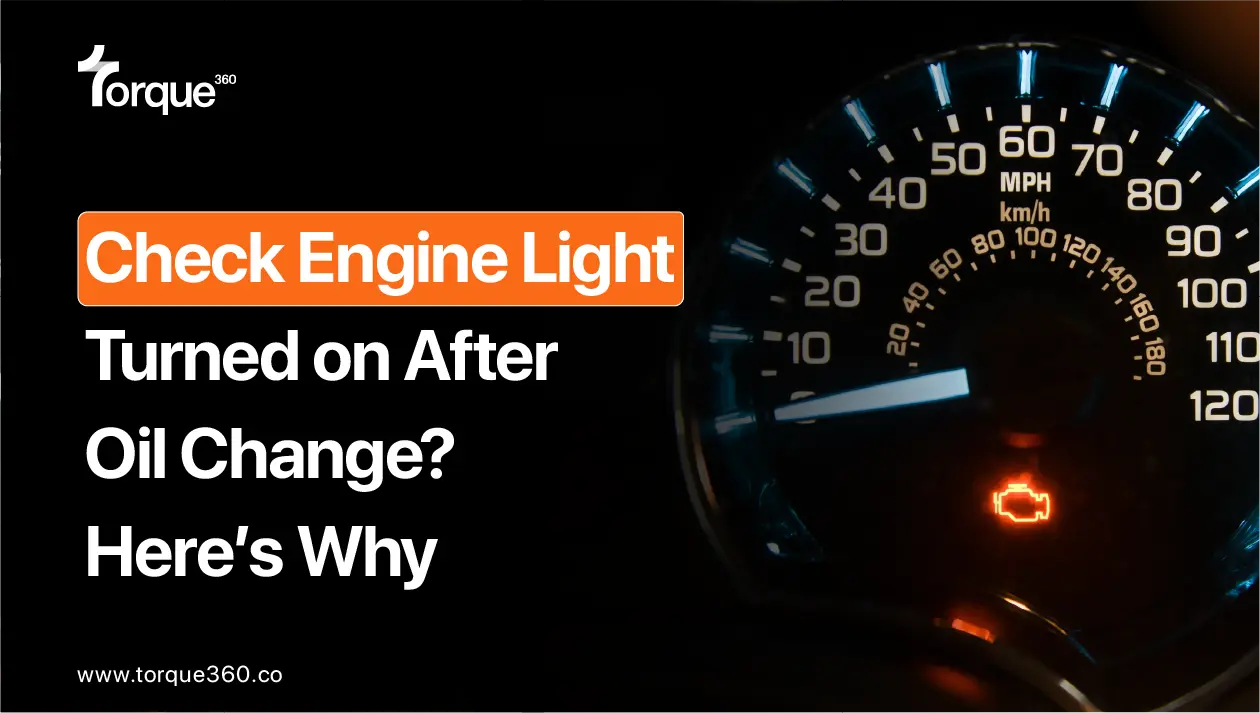
Oil Change And Engine Light
The engine light on your dashboard can be confusing. Many drivers wonder if it comes on after an oil change. The oil change and engine light connection is important to understand. This helps keep your car running smoothly and avoids surprises.
When Oil Issues Trigger The Light
The check engine light can turn on due to oil problems. Low oil levels or dirty oil may cause the sensor to alert you. The engine needs clean oil to work well. If oil is old or thick, it can affect engine parts. This puts stress on the engine and triggers the warning light. Regular oil checks help avoid this issue.
49% off Today's Exclusive Deals
Limited-time Exclusive Deals. Check current discount on Amazon.
Check Price on Amazon As an Amazon Associate I earn from qualifying purchases.Oil Quality And Sensor Alerts
Not all oils are the same. Using the wrong oil type can confuse sensors. Modern cars have sensors that detect oil quality and pressure. Poor oil or wrong viscosity can cause the check engine light to come on. Sensors warn you before serious damage occurs. Always use the oil grade recommended by your car’s maker. This keeps sensors happy and your engine safe.
Other Oil-related Warning Signs
Besides the check engine light, your car shows other signs about oil problems. These signs warn you about oil issues early. Paying attention to these can save your engine from damage. Two important oil-related warnings are low oil pressure and oil life monitors.
Understanding these signs helps keep your car running smooth. It also prevents costly repairs by alerting you to oil changes or fixes. Let’s explore these warnings in detail.
Low Oil Pressure Indicators
Low oil pressure means oil is not flowing well in the engine. This can cause serious engine damage fast. Your car may show a warning light or a gauge drop. The light might look like an oil can or say “Oil Pressure”.
Other signs include strange engine noises or overheating. Low oil pressure often happens due to low oil level or a bad oil pump. Checking oil level regularly helps avoid this problem.
Oil Life Monitoring Systems
Many modern cars have oil life monitors to track oil condition. These systems use sensors and algorithms to estimate oil quality. They tell you when it’s time to change the oil.
The display may show a percentage or a message like “Change Oil Soon”. This system is more accurate than just guessing by miles. It helps keep the engine healthy by reminding timely oil changes.
What To Do When Light Comes On
The check engine light can cause worry for many drivers. It signals a problem with the car’s system. Acting quickly helps avoid bigger issues. Knowing the right steps to take is important. This guide explains what to do when the light comes on.
Checking Oil Levels
Start by checking the oil level in your car. Use the dipstick to see the amount of oil. Low oil can cause the check engine light to appear. If oil is low, add the right type to the engine. Avoid overfilling, as it can also cause damage. Regular oil checks keep your engine healthy and safe.
Scanning For Error Codes
Use a code scanner to find the problem behind the light. The scanner reads error codes stored in the car’s computer. These codes help identify the exact issue. Many auto parts stores offer free scanning services. Share the codes with a mechanic for a clear diagnosis. Scanning early can prevent costly repairs later on.
Preventing Engine Light Activation
Preventing the check engine light from turning on is important for every car owner. This light signals that something in the engine needs attention. Simple steps can help avoid this warning and keep the engine healthy. Taking care of the car regularly reduces the risk of unexpected problems.
Regular Oil Changes
Changing the oil regularly keeps the engine parts moving smoothly. Old or dirty oil can cause the engine to work harder. This may trigger the check engine light. Follow the car manual for the right oil change schedule. Skipping or delaying oil changes raises the chance of engine trouble.
Using The Right Oil Type
Using the correct oil type is key for engine health. Oils have different thicknesses and additives. The wrong oil can cause poor engine performance. This may cause the check engine light to come on. Always pick the oil grade recommended by the car maker. This ensures the engine runs at its best.
When To Seek Professional Help
Knowing when to seek professional help for your check engine light is important. Not every light means a serious problem, but some do. Understanding the signs can save your car from damage and keep you safe on the road.
Persistent Light Issues
A check engine light that stays on after an oil change needs attention. This could mean the problem is not just about oil. Sometimes sensors or other parts may cause the light to remain on. Do not ignore the light if it does not turn off. A mechanic can find the exact cause and fix it properly.
Potential Engine Damage Risks
Ignoring the check engine light can risk engine damage. Low oil or dirty oil can cause parts to wear out quickly. The engine may overheat or lose power. Early repairs prevent costly damage and keep your car running well. Trust a professional to check for any hidden issues behind the light.
Frequently Asked Questions
Does Check Engine Light Indicate Oil Change Needed?
The check engine light rarely signals an oil change. It mainly alerts to engine or emission issues. For oil changes, your car often uses a separate oil change indicator or maintenance light.
Can Low Oil Cause Check Engine Light?
Yes, low oil levels can trigger the check engine light. It may cause engine performance problems or damage. Always check oil levels regularly and address low oil immediately to avoid engine issues.
How To Reset Check Engine Light After Oil Change?
To reset the check engine light after an oil change, use an OBD-II scanner or disconnect the battery for a few minutes. Some cars reset automatically after a few driving cycles once the issue is resolved.
Is Oil Change Light Different From Check Engine Light?
Yes, the oil change light and check engine light are different. The oil change light specifically signals when it’s time for an oil service. The check engine light warns of broader engine or emission problems.
Conclusion
The check engine light rarely comes on just for an oil change. It usually signals a problem with your engine or emissions system. Regular oil changes keep your car running smoothly and prevent issues. Always follow your car’s maintenance schedule to avoid surprises.
If the light appears after an oil change, get your car checked. Staying on top of car care helps you drive safely and saves money. Don’t ignore warning lights; they protect your vehicle’s health. Simple steps keep your car in good shape.


