Thinking about a Jeep Grand Cherokee, but wondering if it's a solid choice for the long haul? It's a common question, and for good reason; owning a vehicle means looking past the shiny exterior to see how it holds up over time. We've dug into what owners and experts say to give you the full picture.
While Jeeps are known for their adventurous spirit, reliability is a different ballgame. Aggregate owner reviews indicate that certain model years of the Grand Cherokee have faced more issues than others, with some reporting a higher frequency of repairs, especially related to the transmission and electrical systems. Understanding these patterns is key to making an informed decision.

49% off Today's Exclusive Deals
Limited-time Exclusive Deals. Check current discount on Amazon.
Check Price on Amazon As an Amazon Associate I earn from qualifying purchases.Quick Take: Jeep Grand Cherokee Reliability in a Nutshell
Generally, the Jeep Grand Cherokee's reliability is considered average to below average, depending heavily on the specific model year and powertrain. While its off-road prowess and comfortable ride are big draws, potential buyers should be aware of higher-than-average repair costs and frequencies reported by many owners. The 2020 and later models have shown some improvements, but older generations can be a gamble without thorough pre-purchase inspections.
What Influences Grand Cherokee Reliability?
A vehicle's dependability isn't just a single number; it's a complex mix of design, manufacturing, and how it's treated. For the Jeep Grand Cherokee, several factors play a significant role in its long-term performance and the likelihood of encountering issues. Understanding these elements helps explain why some Grand Cherokees are workhorses while others might be a bit more… temperamental.
Common Issues by Model Year
When you're looking at a used Grand Cherokee, the model year is probably the most critical factor. Our research, aggregating owner feedback and mechanical reports, shows clear trends. For example, many reports highlight issues with the earlier WK2 generation (roughly 2011-2021), particularly concerning the five-speed automatic transmissions and electrical system gremlins.
49% off Today's Exclusive Deals
Limited-time Exclusive Deals. Check current discount on Amazon.
Check Price on Amazon As an Amazon Associate I earn from qualifying purchases.The later models, especially those introduced from 2020 onward, tend to perform better in reliability surveys, though they aren't immune to problems. Some owners report issues with the infotainment system freezing or becoming unresponsive in certain years, which, while not a mechanical breakdown, can be a real annoyance.
Engine and Powertrain Deep Dive
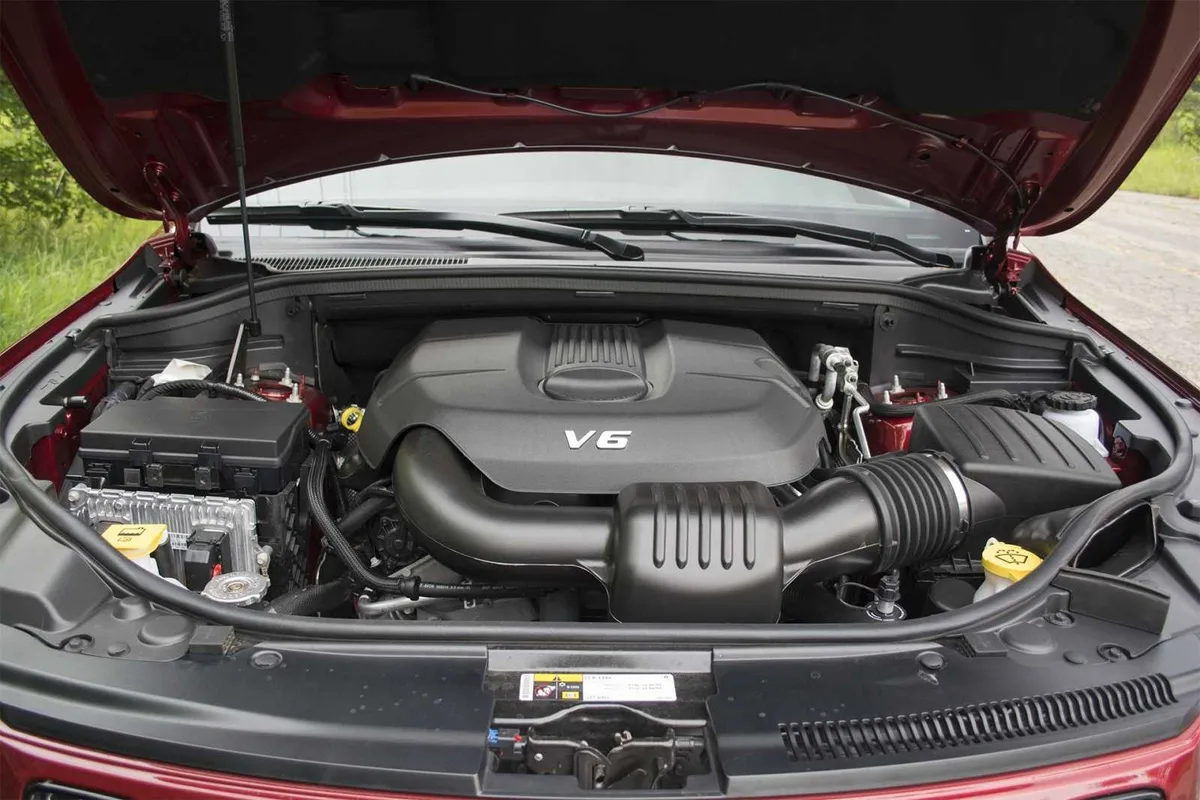
The heart of any SUV is its engine and drivetrain, and for the Grand Cherokee, there's a variety to consider. The standard 3.6L Pentastar V6 is a widely used engine, generally regarded as reasonably reliable when properly maintained. However, it’s not without its quirks; some owners have reported issues with the fuel system or oil leaks over time.
The more powerful V8 engines, like the 5.7L HEMI, offer more grunt, but can come with higher fuel consumption and, sometimes, increased maintenance needs.
49% off Today's Exclusive Deals
Limited-time Exclusive Deals. Check current discount on Amazon.
Check Price on Amazon As an Amazon Associate I earn from qualifying purchases.Image source: Web (Bing) / cheersandgears.com (Web image (fair-use with source credit))
The transmission is another area that warrants attention. Earlier models often came with a five-speed automatic, which has a reputation for being less robust than newer designs. Later generations moved to an eight-speed automatic, which generally receives better marks for smoothness and durability, though some isolated reports of transmission control module failures have surfaced.
If you're considering a Grand Cherokee, especially one used for towing or off-roading, scrutinizing the transmission's service history is vital.
Electrical and Tech Glitches
Modern vehicles are essentially computers on wheels, and the Grand Cherokee is no exception. While its advanced safety features and Uconnect infotainment system are major selling points, they can also be sources of frustration. Aggregate owner feedback frequently points to issues with the electronic systems.
This can range from minor annoyances like a malfunctioning backup camera or power window regulators to more significant problems such as phantom battery drain, persistent check engine lights due to sensor failures, or a completely unresponsive infotainment screen. The complexity of these systems means that when something goes wrong, repairs can sometimes be costly and require specialized diagnostic tools.
Image source: Bing (Web (fair-use with source credit))
Grand Cherokee vs. The Competition: How It Stacks Up
When you're deciding on an SUV, it's wise to see how your top picks compare, especially on the crucial aspect of dependability. The Jeep Grand Cherokee often finds itself in a segment packed with strong rivals, many of which consistently score higher in reliability surveys. Understanding this competitive landscape helps frame the Grand Cherokee's position.
Reliability Ratings Breakdown
Looking at third-party reliability ratings from automotive research organizations provides a clearer picture. Consistently, Jeep as a brand tends to land in the middle to lower half of these rankings. For the Grand Cherokee specifically, while some specific model years have received average marks, many older generations and even some newer ones have been flagged for above-average repair frequency and costs.
This contrasts with competitors that frequently appear in the top tier for dependability, offering peace of mind for buyers prioritizing minimal unexpected issues. For example, the Toyota RAV4 often sits at the top of its class in reliability, indicating a lower probability of needing significant repairs.
Cost of Ownership Comparison
Reliability directly impacts the cost of ownership. A vehicle that requires frequent, expensive repairs will naturally cost more to own over time than one that remains trouble-free. The Grand Cherokee, especially as it ages, can incur substantial repair bills, particularly for powertrain or electrical components.
When you factor in potential repairs, maintenance, and average insurance rates, which can be higher for premium SUVs, the overall cost of owning a Grand Cherokee might exceed that of some rivals. For instance, some owners report annual maintenance costs for a Grand Cherokee that are significantly higher than for similar-sized SUVs from brands known for exceptional longevity.
Image source: Web (Bing) / theweeklydriver.com (Web image (fair-use with source credit))
When considering alternatives, vehicles like the Honda CR-V often provide a more predictable ownership experience with fewer unexpected repair bills. Even within the luxury SUV segment, brands like Lexus or Toyota frequently appear in the top tier for dependability. This doesn't mean the Grand Cherokee is a bad vehicle, but it does mean that prospective buyers should budget accordingly and be prepared for the possibility of higher maintenance expenses.
Who is the Jeep Grand Cherokee Actually For?
The Jeep Grand Cherokee carves out a unique niche, appealing to a specific type of driver who values capability and comfort over sheer mechanical simplicity. It’s not just about getting from point A to point B; it's about the journey and the ability to tackle more than just paved roads. Understanding who this SUV is best suited for can help you determine if it aligns with your own needs and priorities.
Daily Driver vs. Adventure Rig
If your primary need is a comfortable, capable daily driver that can handle a bit of rough weather or an occasional unpaved road, the Grand Cherokee offers a lot. Its comfortable ride, spacious interior, and available all-wheel-drive systems make it suitable for commuting and family errands. However, if you're looking for the absolute lowest maintenance costs and the highest degree of mechanical simplicity in a daily driver, you might find other SUVs that fit that bill more precisely.
The Grand Cherokee shines brightest when its capability is actually utilized.
For those who venture off-road, even occasionally, the Grand Cherokee's available four-wheel-drive systems, like the Quadra-Trac or Quadra-Drive II, along with features like the Selec-Terrain traction management system, make it a compelling choice. It offers a genuine step up in off-road capability compared to many of its competitors, allowing drivers to confidently explore trails and challenging terrain. This is where its Jeep heritage truly shines.
If your idea of a weekend involves tackling more than just a gravel road, the Grand Cherokee is definitely worth considering.
Families and Towing Needs
Families often find the Grand Cherokee appealing due to its spacious cabin, comfortable seating, and decent cargo capacity. It provides a secure environment with a good range of safety features, making it a solid choice for transporting children and gear. The higher trim levels even offer a touch of luxury that can make longer family road trips more enjoyable.
Furthermore, the Grand Cherokee’s towing capacity is a significant advantage for families or individuals who need to haul trailers, boats, or recreational vehicles. Depending on the engine and configuration, its towing capability can range from around 6,000 pounds for V6 models up to 7,200 pounds for certain V8 configurations. This level of capability is often higher than many other mid-size SUVs, making it a practical option for those with towing needs.
Always check the specific configuration of the vehicle, as engine choice and factory-installed tow packages play a big role in its ultimate limit.
Avoiding Grand Cherokee Headaches: Pro Tips
Nobody wants to be sidelined by unexpected car trouble. While the Grand Cherokee has its share of reported issues, smart ownership can significantly mitigate risks and keep your SUV running smoothly for longer. Proactive maintenance and careful inspection are your best allies here.
Smart Maintenance for Longevity
Sticking to the manufacturer's recommended maintenance schedule is absolutely critical for any Jeep Grand Cherokee. This means regular oil changes, fluid checks, tire rotations, and timely replacement of wear items like brake pads and filters. For models equipped with the Pentastar V6, ensuring the cooling system is properly maintained is key to preventing potential overheating issues.
If your Grand Cherokee has one of the more complex four-wheel-drive systems, paying attention to its specific service needs, such as transfer case fluid changes, is also important.
Following the guidelines in your owner's manual, which often specify service intervals based on mileage or time (e.g., every 10,000 miles for an oil change or every 100,000 miles for spark plug replacement), is the baseline. Don't skip these service intervals, especially as the vehicle ages. Staying on top of these routine tasks can prevent minor issues from escalating into major, costly repairs.
Consistently using the correct type of oil, as specified by Stellantis, the manufacturer, ensures proper lubrication and engine health.
Pre-Purchase Checks That Matter
If you're eyeing a used Grand Cherokee, a thorough pre-purchase inspection (PPI) by an independent mechanic is non-negotiable. This isn't just a quick look-over; it's a deep dive into the vehicle's mechanical and electrical health. A good mechanic will put the SUV on a lift, inspect the undercarriage for rust or damage, check the suspension components, examine the exhaust system, and test the brakes.
They'll also pay close attention to the engine and transmission, looking for any signs of leaks, unusual noises, or worn parts. Diagnostic scanning is crucial to pull any stored trouble codes that might indicate underlying issues the seller hasn't disclosed or isn't aware of. Don't hesitate to ask the mechanic to specifically check common weak points for the Grand Cherokee, like the transmission cooler lines, any signs of oil leaks from the Hemi engine, or the functionality of the electronic 4WD system.
A little investment in a PPI can save you a significant amount of money and heartache down the road.
Real-World Owner Experiences and Insights
Hearing directly from people who own and drive the Jeep Grand Cherokee offers invaluable perspective beyond manufacturer claims or general ratings. Owner forums, review sites, and long-term road tests reveal common themes and specific challenges that can inform your decision. While individual experiences vary widely, certain patterns emerge that paint a realistic picture of ownership.
Many owners praise the Grand Cherokee's comfort, capability, and stylish design, especially in higher trim levels like the Overland or Summit. They often highlight its ability to handle various road conditions with ease, from snowy highways to light off-road trails. The spacious interior is frequently cited as a plus for families or those who need ample room for gear.
However, these positive sentiments are often tempered by discussions about reliability.
A recurring point of concern among owners is the frequency and cost of repairs. While some Grand Cherokees run without major issues for many years, others encounter problems more frequently than expected for their segment. Specific complaints often revolve around electrical systems, like malfunctioning sensors, infotainment glitches, or battery drain issues, and powertrain components, particularly in older models with the five-speed automatic transmission.
Some owners report needing multiple visits to the dealership for recurring electrical problems.
The cost of parts and labor for Jeep vehicles can also be higher than average, adding to the overall expense of ownership. When you combine potentially frequent repairs with higher parts costs, the long-term financial commitment can be substantial. This is why many experienced owners emphasize the importance of diligent maintenance and having a trusted independent mechanic who is familiar with Jeep vehicles.
Frequently Asked Questions About Grand Cherokee Reliability
How reliable are newer Jeep Grand Cherokees (2020+)?
Newer models generally show improvement in reliability ratings compared to older generations. Issues persist, but aggregate data suggests fewer major powertrain or transmission problems. However, electrical and infotainment system glitches can still be reported.
Are Grand Cherokees expensive to repair?
Yes, repair costs for a Jeep Grand Cherokee can be higher than average for its segment. This is due to the complexity of its systems, especially in higher trims, and the general cost of Jeep parts and labor. Budgeting for potential repairs is advisable.
Which Grand Cherokee engines are most reliable?
The 3.6L Pentastar V6 engine is generally considered reliable when properly maintained. While V8 engines offer more power, they can come with increased maintenance needs and fuel costs. The eight-speed automatic transmission found in later models is typically more dependable than the older five-speed.
What are the most common problems with older Grand Cherokees?
Older models, particularly from the WK2 generation (2011-2021), frequently report issues with the five-speed automatic transmission, electrical system malfunctions (like battery drain or sensor failures), and sometimes, issues with the air suspension. Rust can also be a concern in certain climates.
Should I buy a used Jeep Grand Cherokee?
Buying a used Grand Cherokee can be a good value if you find a well-maintained vehicle from a reliable model year. Always conduct a thorough pre-purchase inspection by an independent mechanic and review the vehicle's service history. Some model years are a safer bet than others.
Final Verdict: Is a Grand Cherokee a Worthy Buy?
The Jeep Grand Cherokee is a compelling SUV for drivers who prioritize capability, comfort, and a touch of luxury, especially if they plan to utilize its off-road or towing prowess. It offers a distinct experience that many competitors can't match, thanks to its rugged Jeep DNA. However, this capability often comes with a trade-off: a reliability record that, on average, falls below that of many segment leaders.
Aggregate data and owner feedback consistently point to above-average repair frequencies and costs for certain model years and powertrains. While newer generations (2020 and later) have shown promising improvements, potential buyers should be prepared for the possibility of more frequent visits to the mechanic than they might experience with some rival SUVs. This is particularly true for older models, where transmission and electrical issues have been more prevalent.
If you're considering a Grand Cherokee, particularly a used one, diligence is key. A comprehensive pre-purchase inspection by a trusted, independent mechanic is an absolute must. Carefully review the vehicle's maintenance history, and be aware of the specific model years that tend to be more problematic.
Also, factor in the potential for higher ownership costs, including maintenance and repair expenses, into your budget. For those who understand these potential drawbacks and are willing to invest in proper upkeep, a Jeep Grand Cherokee can still be a rewarding vehicle, offering a blend of adventure and comfort that’s hard to find elsewhere.