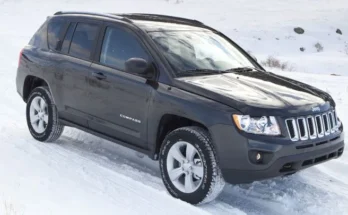
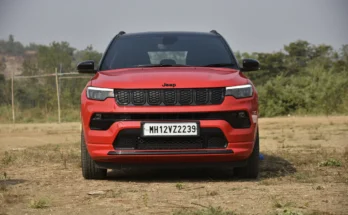
That jolt when you hit the gas in your Jeep Compass can be a real head-scratcher, and it’s definitely not the smooth performance you expect. Figuring out exactly why your Jeep Compass jerks when accelerating involves looking at a few key systems that work together to deliver power. It’s a common frustration, but one that usually has a traceable cause.
This kind of issue isn't just about annoyance; it can sometimes point to underlying problems that, if left unaddressed, could lead to more significant repairs. For example, a consistent fuel pressure is crucial, and specifications often call for a stable output of around 45-60 PSI for many modern gasoline engines to operate optimally. Let’s dive into what might be causing that unsettling jerk and how you can start to diagnose it.

49% off Today's Exclusive Deals
Limited-time Exclusive Deals. Check current discount on Amazon.
Check Price on Amazon As an Amazon Associate I earn from qualifying purchases.Jeep Compass Jerking on Acceleration: What's Happening?
The primary reason your Jeep Compass might be jerking when accelerating is an interruption or inconsistency in the power delivery chain. This typically means an issue exists somewhere between the fuel tank and the wheels. It could be the engine not getting enough fuel or air, not producing a strong enough spark, or the transmission not engaging smoothly.
Each of these potential problems stems from specific components that aren't performing as they should.
This inconsistency causes the engine to stumble or hesitate, which you feel as a jerk or shudder through the vehicle. Identifying the exact source requires a methodical approach, much like how vehicle diagnostics rely on reading specific trouble codes. As of 2026, modern Jeep vehicles employ complex electronic systems where even a minor sensor reading outside expected parameters can trigger performance issues.
49% off Today's Exclusive Deals
Limited-time Exclusive Deals. Check current discount on Amazon.
Check Price on Amazon As an Amazon Associate I earn from qualifying purchases.Listening to Your Jeep: Pinpointing the Jerk
Before you start pulling parts or visiting a shop, paying close attention to when and how the jerk happens gives you valuable clues. This isn't just about the jolt itself; it's about the context surrounding it. Think of it like describing symptoms to a doctor, the more detail you give, the easier it is to diagnose.
When Does It Jerk?
The timing and conditions under which the jerking occurs are critical for narrowing down the possibilities. Does it happen the moment you press the accelerator from a complete stop, or is it more noticeable when you’re already moving and try to accelerate harder? Some drivers report the jerk only happens when the engine is cold, while others experience it more often when the vehicle is warmed up.
You might also notice if the jerk is a brief hesitation or a more sustained shudder.
Are Warning Lights On?
Your Jeep Compass has an onboard diagnostic system that monitors various engine and transmission functions. If the "Check Engine" light or any other warning lamp is illuminated on your dashboard, it’s a strong indicator that the vehicle's computer has detected a fault. This light is often the first and most direct clue for mechanics.
49% off Today's Exclusive Deals
Limited-time Exclusive Deals. Check current discount on Amazon.
Check Price on Amazon As an Amazon Associate I earn from qualifying purchases.Ignoring a lit check engine light means you're missing a key piece of diagnostic information that could point directly to the faulty component or system.

Image source: Bing (Web (fair-use with source credit))
Common Culprits Behind the Jerk
There are several common areas in your Jeep Compass that, when experiencing issues, can directly cause that unwelcome jerking sensation during acceleration. These systems are all interconnected, so a problem in one can manifest as a symptom in another.
Fuel Delivery System Glitches
The engine needs a precise amount of fuel at all times to run smoothly, especially when accelerating. If the fuel delivery system isn't providing this consistent flow, you'll feel it. A dirty or clogged fuel filter is a frequent offender; it restricts fuel flow, starving the engine under demand.
Similarly, a weak fuel pump might struggle to maintain adequate pressure, leading to hesitation. Clogged fuel injectors can also cause misfires, as they won't spray fuel correctly into the combustion chamber.
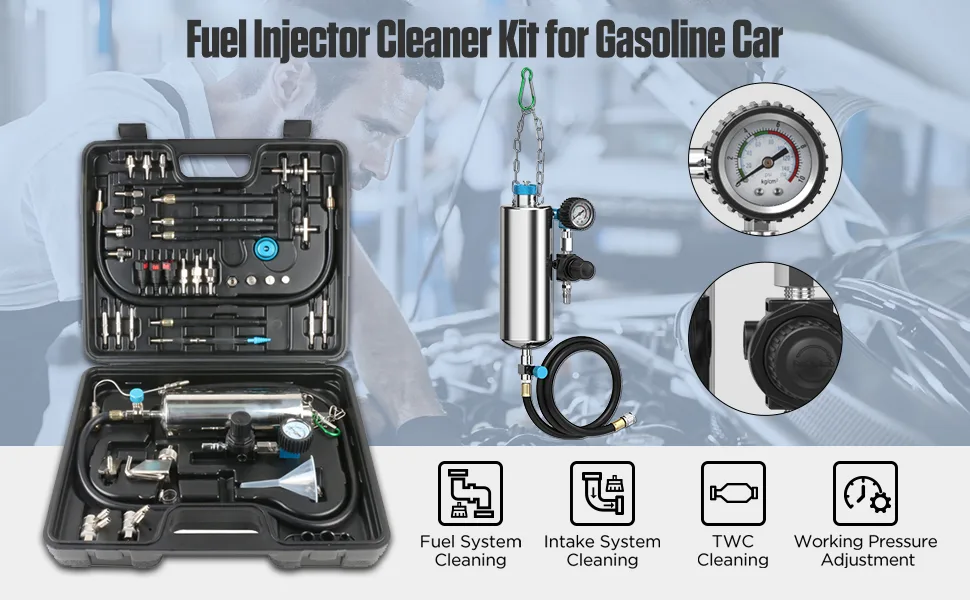
Image source: Web (Bing) / amazon.ca (Web image (fair-use with source credit))
Fuel pressure specifications for many Jeep models typically hover around 45-60 PSI, and a significant drop from this range can directly cause acceleration issues. Addressing these fuel-related problems often involves cleaning or replacing components like the fuel filter or injectors.
Ignition System Issues
Spark plugs are responsible for igniting the air-fuel mixture in your engine's cylinders. If these are worn out, fouled, or not receiving the correct voltage, the combustion process becomes uneven. This results in misfires, where a cylinder doesn't fire when it's supposed to, causing that characteristic jerk.
Ignition coils are responsible for boosting the battery's voltage to create the spark, and a failing coil can similarly lead to weak or absent sparks. Worn spark plug wires, if your Compass has them, can also degrade the spark.
Transmission Troubles
The transmission is responsible for transferring the engine's power to the wheels, and any hiccup here can feel like a jerk. Low transmission fluid levels, old or contaminated fluid, or leaks can prevent the transmission from shifting or engaging gears smoothly. The torque converter, which links the engine to the transmission, can also develop issues that cause shuddering or rough acceleration.
Internal transmission problems, while less common for simple jerking, can also be a cause.
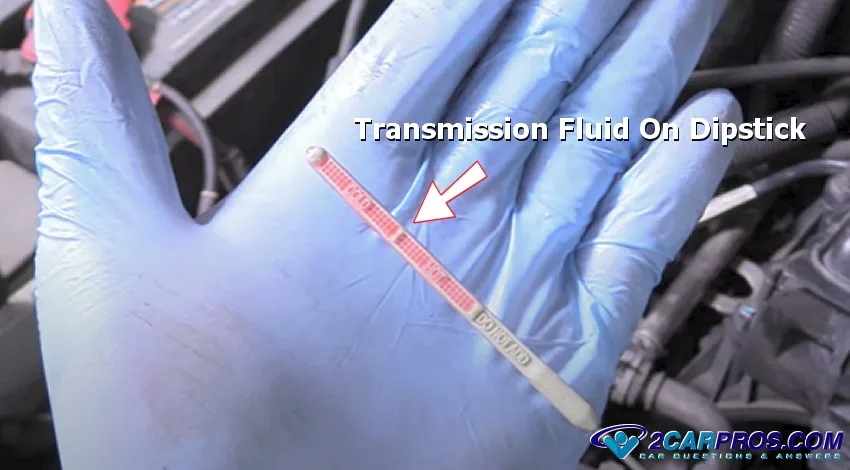
Image source: Web (Bing) / 2carpros.com (Web image (fair-use with source credit))
Proper transmission fluid levels are crucial; for many Jeep Compass models, the required amount can range from about 6 to 9 quarts, depending on the specific transmission. Checking and maintaining this fluid is a key part of ensuring a smooth ride. You can learn about upkeep for similar vehicles by checking resources on keeping it running smoothly or understanding basic automotive servicing.
Sensor Problems & Vacuum Leaks
Modern vehicles rely heavily on sensors to monitor everything from airflow to throttle position. If a critical sensor, such as the Mass Airflow (MAF) sensor or the Throttle Position Sensor (TPS), sends inaccurate data to the engine control module (ECM), the engine's air-fuel mixture can become unbalanced. This imbalance can lead to hesitation and jerking.
Similarly, vacuum leaks, which are cracks or disconnections in the hoses that carry vacuum pressure, disrupt the precise air-fuel ratio needed for optimal engine operation. These leaks can cause the engine to idle roughly and hesitate during acceleration. You can find more information on the pros and cons of owning vehicles that often have complex electronics by looking at what are the pros and cons of owning a Range Rover?.
Your Diagnostic Toolkit: Step-by-Step Checks
Once you understand the potential issues, the next step is to perform some basic checks yourself. This diagnostic process helps you gather more information before deciding whether to tackle a repair yourself or hand it over to a professional. It’s about systematically ruling out possibilities, like a detective gathering evidence.
Step 1: The Initial Feel and Listen
Before you grab any tools, take a moment to really tune into what your Jeep Compass is telling you. Pay attention to the exact circumstances of the jerk:
- When: Does it happen as soon as you shift into drive and accelerate, or only after it’s warmed up?
- How: Is it a sharp lurch, a soft stumble, or a consistent vibration?
- Conditions: Does it occur only on inclines, at highway speeds, or during gentle acceleration?
- Sounds: Are there any unusual noises accompanying the jerk, like knocking, grinding, or hissing?
Also, take a quick look at your dashboard. Is the "Check Engine" light on? If it is, that's your most significant clue.
Understanding these subtle cues can save time and guesswork later on.
Step 2: Checking Transmission Fluid
Transmission fluid is vital for lubrication, cooling, and hydraulic function within the transmission. Checking its level and condition is a straightforward but important diagnostic step.
- Locate the dipstick: Your owner's manual will show you where it is, typically a brightly colored handle in the engine bay.
- Check the level: With the engine running and warmed up (usually in Park or Neutral, check your manual!), pull out the dipstick, wipe it clean, reinsert it fully, and pull it out again. The fluid level should be within the indicated 'hot' or 'full' range.
- Inspect the fluid: Good transmission fluid is typically reddish and clear. If it looks dark brown, black, or has a burnt smell, it's a strong indicator that it needs to be changed, and it might be the cause of your acceleration problems. Low fluid can lead to improper gear engagement, causing jerks.
Step 3: Basic Airflow Check (Air Filter)
A clogged air filter can restrict the amount of air entering the engine, which directly affects the air-fuel mixture. This can cause the engine to run rich (too much fuel, not enough air) and lead to hesitations or jerks.
- Locate the air filter housing: It's usually a black plastic box connected to the engine's air intake.
- Inspect the filter: Open the housing and pull out the air filter. Hold it up to a light source. If you can barely see light through it, or if it's visibly packed with dirt and debris, it needs replacing. This is a simple and inexpensive maintenance item that can surprisingly improve performance.
Step 4: Considering Recent Work & Mileage
Sometimes, the cause of a new problem is related to recent maintenance or a lack thereof.
- Recent Repairs: If the jerking started shortly after a service or repair, double-check that everything was reconnected properly and that no components were damaged or left loose.
- Age and Mileage: As vehicles age and accumulate mileage, components like spark plugs, fuel filters, and transmission parts naturally wear out. At higher mileage, a component failure becomes more likely. Understanding the typical lifespan of parts can help set expectations; for instance, spark plugs often need replacing around the 100,000-mile mark, though this varies by type. For those considering a used model, understanding the pros and cons of owning a vehicle at higher mileage, much like those in why is the Range Rover considered a top luxury SUV?, is important.
When to Call in the Pros
If you've gone through the basic checks and either haven't found a clear cause, aren't comfortable performing the necessary repairs, or if your "Check Engine" light is on, it's time to enlist professional help. Mechanics have specialized tools and expertise to diagnose complex issues accurately.
Reading Diagnostic Trouble Codes (DTCs)
The most crucial tool a mechanic will use is an OBD-II (On-Board Diagnostics II) scanner. This device plugs into a port typically located under the dashboard and communicates with your Jeep's Engine Control Module (ECM). The ECM stores Diagnostic Trouble Codes (DTCs) when it detects a malfunction.
These codes are like specific error messages that point directly to the system or component that has a problem. For example, a P0300 code indicates a random misfire, while a P0171 might signal a lean condition in the fuel system. A professional can interpret these codes to guide their inspection.
What a Mechanic Will Investigate
Based on your description of the symptoms and any DTCs found, a mechanic will likely perform a series of tests. This could include:
- Fuel Pressure Test: To confirm the fuel pump is delivering the correct pressure.
- Ignition System Check: Testing spark plug wires, ignition coils, and spark plugs for resistance and output.
- Sensor Testing: Verifying that sensors like the MAF, TPS, and oxygen sensors are providing accurate data.
- Vacuum Leak Detection: Using smoke machines or listening for hissing sounds to find any breaches in the vacuum system.
- Transmission Diagnosis: Checking fluid condition, looking for leaks, and potentially performing more in-depth tests if transmission issues are suspected.
These in-depth checks help confirm the root cause, whether it's a faulty sensor, a worn-out spark plug, or a transmission issue. Sometimes, a component might seem fine but be on the verge of failure, something a mechanic's experience can often spot.
FAQs About Jeep Compass Jerking
What's the first thing I should check if my Jeep Compass jerks when accelerating?
Start by noting exactly when and how the jerking occurs and if any warning lights are on. Then, check your transmission fluid level and condition, as low or dirty fluid is a common cause for rough acceleration.
Can a simple tune-up fix a jerky Jeep Compass?
Often, yes. Worn spark plugs, dirty fuel injectors, or a clogged air filter are part of a standard tune-up and can cause hesitation. Replacing these items can significantly smooth out acceleration.
Is it safe to drive my Jeep Compass if it's jerking on acceleration?
It's generally not recommended to drive extensively if your vehicle is jerking severely. This could indicate a problem that might worsen or lead to further damage. Driving with significant issues can also be unsafe due to unpredictable power delivery.
How much does it typically cost to fix a Jeep Compass that jerks when accelerating?
Costs vary widely depending on the cause. A simple air filter replacement might cost less than $30, while a transmission fluid change could be $150-$300. More complex issues like a failing fuel pump or torque converter can range from several hundred to over a thousand dollars.
How long does it take to diagnose and fix a Jeep Compass that jerks?
Diagnosing a check engine light might take an hour or two. Simple repairs like a filter or spark plug change can often be done in under an hour. Transmission-related repairs or complex sensor issues could take several hours to a full day, depending on the shop's schedule and the complexity of the fix.
Your Decision Guide: Next Steps for a Smooth Ride
You've now got a clearer picture of why your Jeep Compass might be jerking during acceleration and the steps you can take. The process boils down to careful observation, basic checks, and knowing when to seek expert help. If you noticed warning lights or aren't comfortable with hands-on checks, heading straight to a qualified mechanic is your best bet.
If you performed the basic checks and found something obvious like dirty transmission fluid or a clogged air filter, you might be able to perform the repair yourself or have a mechanic do a specific service for you. For more complex issues identified by diagnostic codes, rely on professional expertise. Addressing these symptoms promptly not only restores a smooth driving experience but also helps prevent more serious and costly problems down the line.