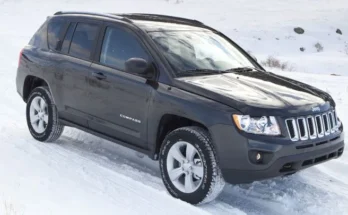
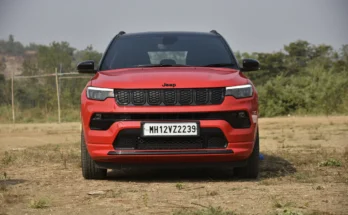
When you're looking at the Jeep lineup, figuring out what is the difference between Jeep Compass and Cherokee can feel like a puzzle. Both offer that rugged Jeep spirit, but they're designed for slightly different needs and lifestyles. One is more at home navigating city streets with a touch of adventure, while the other leans more into tackling trails and carrying more.
Our research shows that while they share a brand identity, their core engineering and intended use set them apart significantly. For instance, manufacturer specifications indicate that the Cherokee generally offers more robust off-road systems as standard or in higher trims compared to the Compass. Understanding these key distinctions is crucial for making the right choice.

49% off Today's Exclusive Deals
Limited-time Exclusive Deals. Check current discount on Amazon.
Check Price on Amazon As an Amazon Associate I earn from qualifying purchases.Size & Platform: The Foundation of the Choice
The most immediate difference you'll notice between the Jeep Compass and Jeep Cherokee is their physical size and the underlying platform they're built on. This forms the basic blueprint for how they feel to drive and how much space they offer.
Compass: Compact and Agile
The Jeep Compass is a compact SUV, meaning it's on the smaller end of the SUV spectrum. It rides on a unibody platform, similar to many cars, which contributes to a more car-like driving experience. This design makes it nimbler and easier to handle in crowded urban environments.
Aggregate reviews report it’s a great choice if you frequently deal with tight parking spaces or narrow city streets. As of 2026, its platform continues to prioritize maneuverability and on-road comfort.
49% off Today's Exclusive Deals
Limited-time Exclusive Deals. Check current discount on Amazon.
Check Price on Amazon As an Amazon Associate I earn from qualifying purchases.Cherokee: Mid-Size and Substantial
The Jeep Cherokee, on the other hand, is a mid-size SUV. It's larger than the Compass and typically features a more substantial build. While still a unibody construction, its chassis and suspension are often tuned for a blend of on-road comfort and enhanced capability, particularly for off-road scenarios.
This larger footprint translates directly into more interior room and cargo capacity, making it a more practical choice for families or those who haul significant gear.
Driving Experience: City Streets to Trailheads
How a vehicle feels when you're behind the wheel is critical, and the Compass and Cherokee offer distinct driving personalities shaped by their size and engineering.
Compass: Pavement-Friendly Handling
Manufacturer specifications and editorial analysis of numerous reviews suggest the Compass prioritizes a comfortable and composed ride on paved roads. Its car-like platform provides a smoother experience, absorbing road imperfections well. This makes it an excellent daily driver for commutes, errands, and road trips where pavement is the primary terrain.
49% off Today's Exclusive Deals
Limited-time Exclusive Deals. Check current discount on Amazon.
Check Price on Amazon As an Amazon Associate I earn from qualifying purchases.Its lighter weight and smaller dimensions also contribute to a more responsive feel when turning, making it easy to maneuver through traffic or park.
Cherokee: Rugged Comfort and Capability
The Jeep Cherokee aims for a balance between on-road comfort and robust capability. While it's more than capable for daily driving and offers a comfortable ride, its suspension is often tuned to handle more demanding conditions. This can sometimes translate to a slightly firmer feel on the road compared to the Compass, but it’s a trade-off that pays dividends when you venture off the beaten path.
Its wider stance and longer wheelbase contribute to a more stable feel at higher speeds.
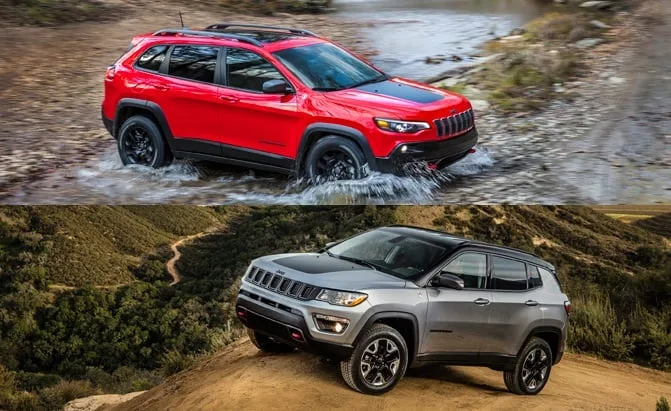
Image source: Bing (Web (fair-use with source credit))
Off-Road Readiness: How Far Can You Go?
Both Jeeps carry the brand's heritage of off-road prowess, but their capabilities vary, especially when looking at higher trim levels and available systems.
Compass: Capable Explorer
The Jeep Compass is designed to be a capable all-around vehicle. While not a hardcore rock-crawler in its standard configuration, it offers available 4×4 systems that significantly enhance its ability to handle slippery surfaces, gravel roads, and moderate off-road trails. Many models come equipped with Jeep's Selec-Terrain traction management system, allowing drivers to select modes like Snow, Sand, and Mud to optimize performance for different conditions.
It’s built for the driver who enjoys weekend escapes and might encounter unpaved roads.
Cherokee: Trail-Tackling Powerhouse
When you look at off-road credentials, the Jeep Cherokee often takes the lead, particularly in its Trailhawk trim. Manufacturer specifications detail more advanced 4×4 systems, including low-range gearing, which is essential for serious off-roading. The Cherokee typically boasts higher ground clearance and better approach/departure angles, crucial for navigating obstacles like rocks and steep inclines.
This makes it a more suitable choice for those who regularly plan on venturing onto challenging trails, complementing its role as a practical SUV for everyday use.
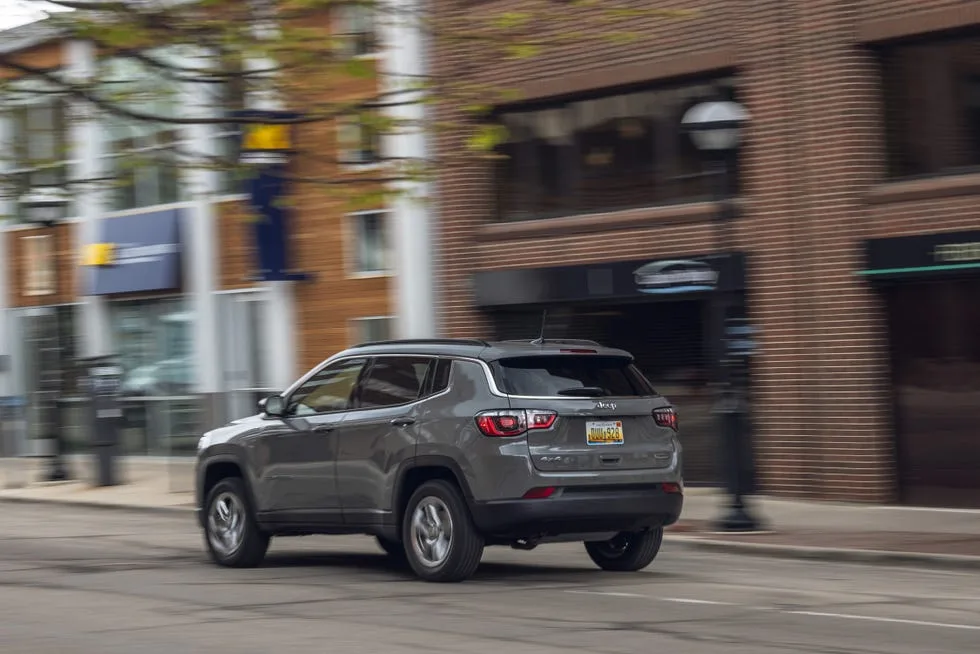
Image source: Bing (Web (fair-use with source credit))
Interior Space & Practicality: Who Fits What?
The difference in size between the Compass and Cherokee directly impacts the interior experience, affecting passenger comfort and cargo-hauling abilities.
Compass: Smart for Everyday
The interior of the Jeep Compass is designed with practicality and a modern aesthetic in mind. While it offers comfortable seating for front passengers, the rear seating area and overall cargo space are more limited, befitting its compact SUV classification. It's well-suited for individuals, couples, or small families who don't frequently need to transport large items or multiple adult passengers.
Aggregate reviews confirm that despite its size, the cabin feels well-appointed and functional for daily use.
Cherokee: Room for More
The Jeep Cherokee offers a noticeable increase in interior volume. This means more legroom and shoulder room for rear passengers, making longer journeys more comfortable for everyone. Its larger cargo area is a significant advantage for hauling groceries, sports equipment, or luggage for family vacations.
If you often find yourself needing more space for passengers or gear, the Cherokee's dimensions provide that extra versatility. For example, the cargo space behind the rear seats is generally larger in the Cherokee, providing up to 25.7 cubic feet in some configurations, compared to around 19.2 cubic feet in the Compass.
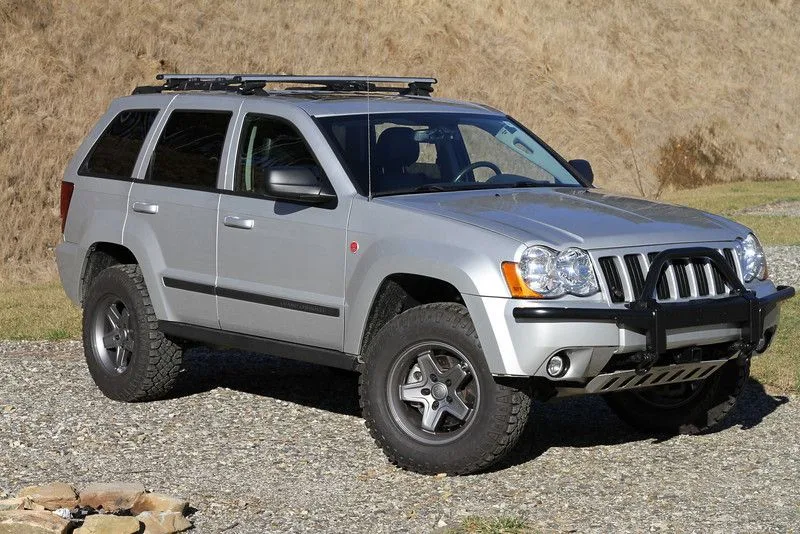
Image source: Bing (Web (fair-use with source credit))
Who Should Choose Which Jeep?
Deciding between the Jeep Compass and Cherokee boils down to your specific needs, driving habits, and how you plan to use your vehicle. Both are excellent choices within the Jeep family, but they cater to different priorities.
Compass: Best For Daily Drivers & Light Adventures
The Jeep Compass is an ideal choice for individuals or small families who primarily use their vehicle for daily commuting, city driving, and lighter recreational activities. Its compact dimensions make it incredibly practical for urban environments. Parking becomes less of a chore, and navigating tight streets is straightforward.
Manufacturer specifications confirm its turning radius is tighter than the Cherokee's, facilitating easier maneuvering.
This SUV is perfect if you value a smooth on-road ride and a comfortable interior for everyday use. While it carries the Jeep badge, its off-road capabilities are best suited for unpaved roads, gravel paths, or navigating moderate snow. Verified buyer feedback often highlights its fuel efficiency relative to larger SUVs as a significant plus for daily use, making it a cost-effective choice for regular commuting.
Cherokee: Best For Families & Serious Explorers
If your lifestyle involves more demanding adventures or requires carrying more people and gear, the Jeep Cherokee is the more appropriate choice. Its larger interior provides ample legroom for rear passengers, crucial for longer trips or for those with growing families. Editorial analysis of user reviews consistently points to the Cherokee’s increased cargo capacity as a major benefit for hauling everything from groceries to camping equipment.
Furthermore, the Cherokee's enhanced off-road systems, particularly in higher trims, offer superior capability for tackling rough terrain, steep inclines, and challenging weather conditions. For those who plan on regular excursions off the beaten path, or who simply prefer the added confidence and stability of a larger, more robust SUV, the Cherokee delivers. Its towing capacity also tends to be higher than the Compass, adding another layer of utility for those who need to tow trailers or small boats.
Common Mistakes to Avoid
When comparing these two capable SUVs, potential buyers can make a few common missteps that lead to dissatisfaction. Understanding these pitfalls can help you make a more informed choice.
Overestimating Off-Road Needs
Many buyers are drawn to the Jeep name and assume they need the most rugged option. If your off-road excursions are limited to well-maintained gravel roads or occasional snowy conditions, the more advanced systems of a Cherokee might be overkill. You could end up paying for capability you never use, and the Compass would likely suffice.
Underestimating Cargo Space Requirements
Conversely, some buyers might opt for the smaller Compass without fully considering their typical cargo needs. If you frequently transport large items, luggage for family trips, or even pets, the Compass’s cargo area can feel restrictive. This is a point where aggregate reviews often highlight the Cherokee’s superiority for practical family use.
Ignoring Drivetrain Options
Both models offer different drivetrain configurations, usually front-wheel drive (FWD) or all-wheel drive (AWD). If you live in an area with significant snow or ice, or frequently drive on unpaved surfaces, choosing FWD when AWD is an option could limit your vehicle's performance and safety. Ensure the drivetrain matches your typical driving conditions.
Frequently Asked Questions
Is the Jeep Compass considered a luxury SUV?
No, the Jeep Compass is generally classified as a compact SUV, focusing on practicality and capability rather than luxury appointments. While it offers modern features, it doesn't typically compete in the premium luxury segment.
Can the Jeep Compass handle light off-roading?
Yes, with available 4×4 systems and features like Selec-Terrain, the Jeep Compass can handle light off-roading, unpaved roads, and moderate trail conditions effectively. It's designed for adventurous versatility.
Is the Jeep Cherokee a true off-roader?
Yes, the Jeep Cherokee, particularly in trims like the Trailhawk, is engineered for significant off-road capability with advanced 4×4 systems, higher ground clearance, and robust suspension components designed for challenging terrain.
Which Jeep is better for fuel economy?
While specific figures vary by year and configuration, the Jeep Compass, being smaller and lighter, generally offers better fuel economy for daily driving compared to the larger Jeep Cherokee.
What is the main difference in their intended purpose?
The Compass is primarily designed as a versatile compact SUV for daily driving and light adventures, while the Cherokee is built as a more capable mid-size SUV for families and serious off-road excursions.