When your Jeep Grand Cherokee’s temperature gauge starts creeping into the red, it’s a clear signal that something’s not right. Ignoring it can lead to serious engine damage, turning a minor issue into a major repair bill. Our research indicates that overheating is one of the most common engine problems drivers face.
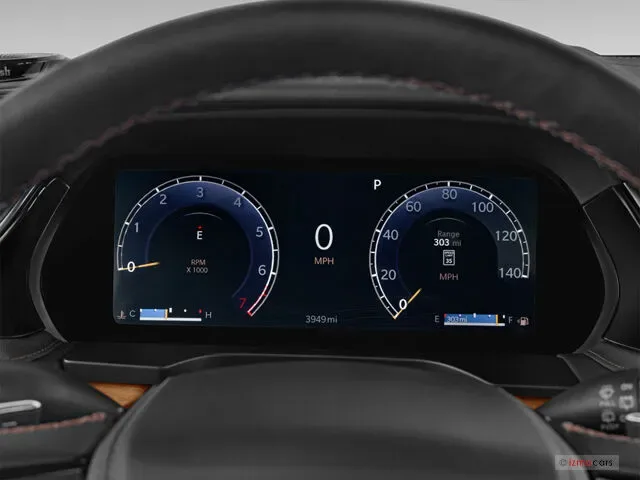
Diagnosing why your Jeep Grand Cherokee is overheating often comes down to a systematic check of its cooling system components. Per manufacturer specifications, these systems are designed to maintain optimal operating temperatures, typically between 195°F and 220°F (90°C and 104°C). If your engine consistently exceeds this range, it’s time to investigate.

49% off Today's Exclusive Deals
Limited-time Exclusive Deals. Check current discount on Amazon.
Check Price on Amazon As an Amazon Associate I earn from qualifying purchases.When Your Temperature Gauge Spikes: What's Really Happening?
A rising temperature gauge isn't just an inconvenience; it's your engine screaming for attention. When the engine overheats, critical components can be compromised. The primary reason your Jeep Grand Cherokee is overheating is a failure or insufficiency within its cooling system.
This system is designed to absorb heat from the engine and dissipate it into the atmosphere. If any part of this process is interrupted, the engine temperature will climb rapidly. Manufacturer specifications from Jeep confirm that sustained high temperatures can warp engine heads, damage gaskets, and lead to catastrophic engine failure.
For instance, internal engine components can seize if they exceed their designed thermal limits, sometimes within minutes of severe overheating.
49% off Today's Exclusive Deals
Limited-time Exclusive Deals. Check current discount on Amazon.
Check Price on Amazon As an Amazon Associate I earn from qualifying purchases.The Usual Suspects in Your Cooling System
Your Jeep’s cooling system relies on several interconnected parts to keep everything running smoothly. When one of these components malfunctions, the entire system can falter. Identifying the specific culprit is key to resolving the overheating issue efficiently.
- Low Coolant Level: This is the most frequent reason for overheating. If there isn’t enough coolant circulating, the engine can’t dissipate heat effectively. This often points to a leak somewhere in the system.
- Faulty Radiator Fan: The electric fan(s) pull air through the radiator, especially when the vehicle is stationary or moving slowly. If the fan motor fails or its relay/fuse blows, this critical airflow is lost, leading to overheating in traffic.
- Bad Thermostat: The thermostat acts as a gatekeeper, controlling coolant flow to the radiator. If it gets stuck closed, coolant can’t reach the radiator to cool down, causing the engine to quickly overheat, even while driving.
- Leaking Components: Cracks in hoses, a porous radiator, or a worn water pump seal can all lead to coolant loss. Even small leaks can significantly impact the system’s ability to maintain the proper coolant level over time.
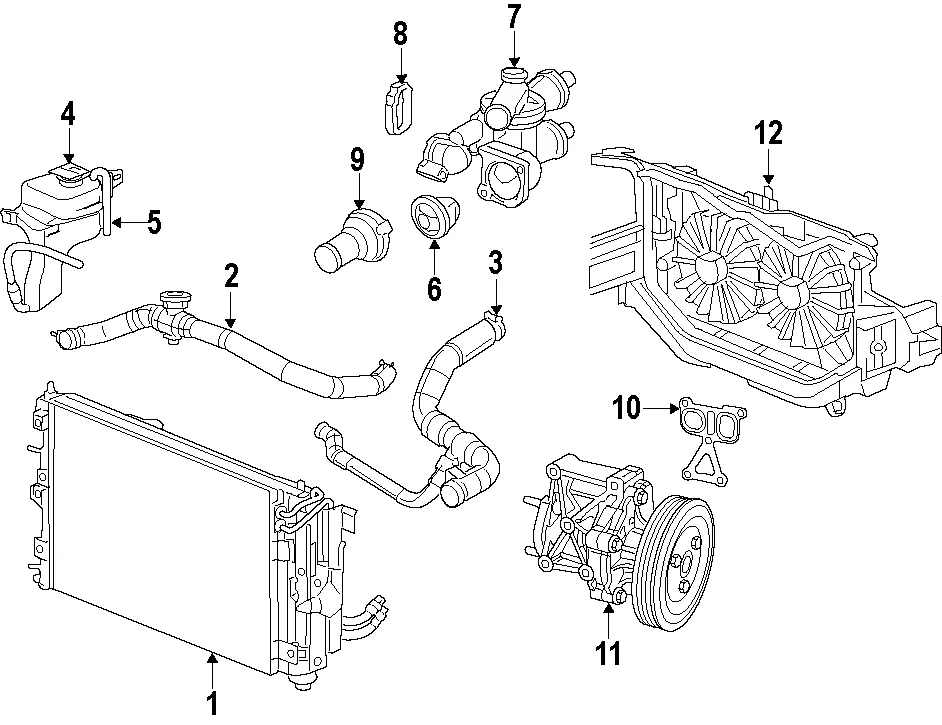
Image source: Web (Bing) / nissankaengine.com (Web image (fair-use with source credit))
49% off Today's Exclusive Deals
Limited-time Exclusive Deals. Check current discount on Amazon.
Check Price on Amazon As an Amazon Associate I earn from qualifying purchases.Image source: Bing (Web (fair-use with source credit))
Step-by-Step: Diagnosing the Overheat Yourself
Figuring out why your Jeep Grand Cherokee is overheating involves a methodical approach, much like solving a puzzle. You'll want to start with the simplest checks and move to more complex ones. This process helps rule out common issues before diving into deeper mechanical problems.
- Visual Inspection: After the engine has cooled completely, check under the vehicle for any puddles of coolant, which is typically a bright green, pink, or orange fluid. Look closely at all coolant hoses for cracks, bulges, or signs of leakage, especially around the clamps. Inspect the radiator itself for any visible damage or corrosion.
- Check Coolant Level: Locate the coolant reservoir (usually a translucent plastic tank). If the level is below the "MIN" or "LOW" mark, this is a significant indicator. Never open the radiator cap when the engine is hot, as pressurized steam can cause severe burns.
- Test the Radiator Fan: With the engine running and at operating temperature (or if the temperature gauge is high), check if the electric radiator fan is spinning. If it’s not, the fan motor, its relay, or the temperature sensor controlling it might be faulty.
- Examine Hoses: Feel the upper and lower radiator hoses once the engine has warmed up. If the thermostat is stuck closed, the upper hose will be very hot, while the lower hose remains relatively cool, indicating restricted flow.
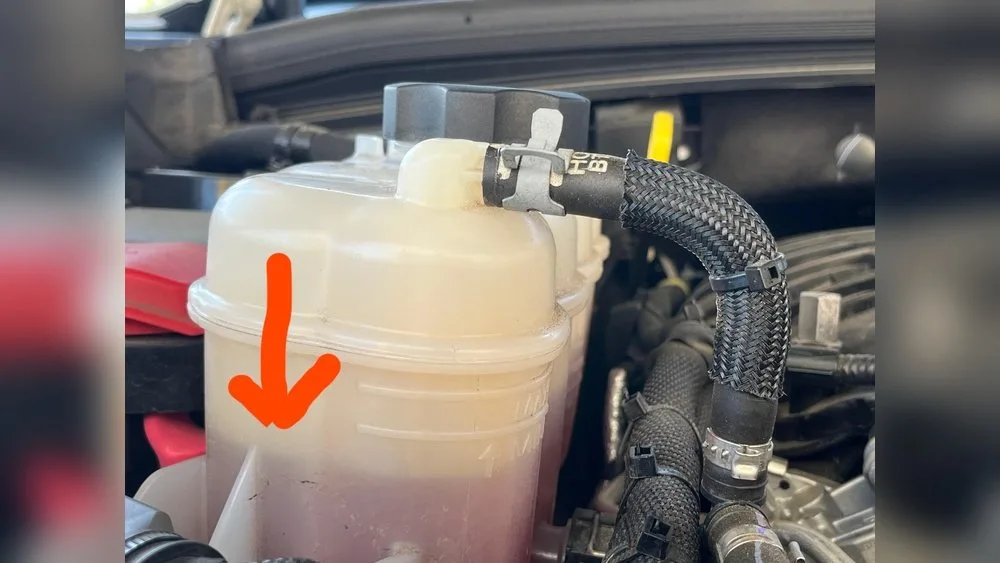
Image source: Web (Bing) / jeepcorner.com (Web image (fair-use with source credit))
What To Do When It Overheats Right Now
If you notice your Jeep Grand Cherokee's temperature gauge climbing rapidly into the danger zone while you're driving, immediate action is critical to prevent severe engine damage. The goal is to reduce the engine's heat load and get it to a safe place as quickly as possible. This isn't the time for DIY diagnostics; it's about damage control.
- Turn Off the A/C: Immediately switch off your air conditioning. The A/C system puts an extra load on the engine, generating more heat.
- Turn On the Heater: Crank your heater to its highest setting and fan speed. While it seems counterintuitive, the heater core acts as a secondary radiator, drawing heat away from the engine and into the cabin.
- Pull Over Safely: Find the nearest safe location to get off the road. Continuing to drive an overheating engine can cause irreversible damage.
- Turn Off the Engine: Once safely stopped, shut off the engine. This stops the heat generation process.
- Let It Cool: Do not attempt to open the radiator cap or touch engine components until the engine has cooled down completely, which can take 30 minutes to an hour or more.
Common Mistakes That Make Overheating Worse
Drivers often make well-intentioned mistakes when their Jeep Grand Cherokee starts to overheat, which can actually worsen the problem or create new ones. Understanding these common pitfalls can save you from further trouble and expense. These errors often stem from a lack of awareness about how a cooling system operates under stress.
- Ignoring Early Warnings: Many drivers see the temperature gauge creep up slightly and dismiss it, especially on hot days. However, even a small rise can indicate an underlying issue that will likely worsen. Aggregate reviews report that neglecting these initial signs is a primary driver of major repair costs.
- Opening a Hot Radiator Cap: This is perhaps the most dangerous mistake. The cooling system is pressurized, and opening the cap when hot releases boiling coolant, causing severe burns. Manufacturer safety bulletins consistently warn against this.
- Using Water Instead of Coolant: In an emergency, adding plain water to a low coolant system might seem like a quick fix. However, water lacks the anti-corrosion and anti-boiling properties of proper coolant, and it can freeze in colder temperatures, leading to cracked engine blocks. For a 50/50 coolant/water mix, always use distilled water to prevent mineral buildup.
- Continuing to Drive: Pushing an overheating engine is a recipe for disaster. It can lead to warped cylinder heads, blown head gaskets, or seized pistons, turning a repairable problem into a costly engine replacement.
When To Call in the Pros
Sometimes, despite your best efforts, the issue with your Jeep Grand Cherokee’s overheating goes beyond a simple fix. If you've checked the coolant level, confirmed the fan is working, and haven't found obvious leaks, it's time to consider professional help. Mechanics have specialized tools and diagnostic equipment that can pinpoint more complex problems.
These can include internal engine issues like a blown head gasket, a failing water pump that isn't showing external leaks, or even a clogged radiator that requires removal and inspection. For example, a pressure test of the cooling system can reveal leaks that are invisible under normal operating conditions. Also, diagnosing electrical issues related to the cooling fan control module or temperature sensors requires specific technical knowledge and equipment.
Relying on a qualified technician ensures these critical components are addressed correctly, as of 2026.
Frequently Asked Questions
Why is my Jeep Grand Cherokee overheating in traffic?
Overheating in traffic often means the radiator fan isn't working correctly or there’s a coolant flow issue. When the vehicle isn't moving, the fan is crucial for pulling air through the radiator to cool the engine.
Can I drive my Jeep Grand Cherokee if it's slightly overheating?
Driving a slightly overheating vehicle is risky. While it might seem okay for a short distance, it can quickly worsen and cause significant engine damage. It's best to pull over and let it cool.
What kind of coolant should I use in my Jeep Grand Cherokee?
Always check your owner's manual for the specific type of coolant recommended by Jeep for your model year. Using the wrong type can lead to corrosion and reduced cooling efficiency. Most modern Jeeps use a specific type of extended-life antifreeze.