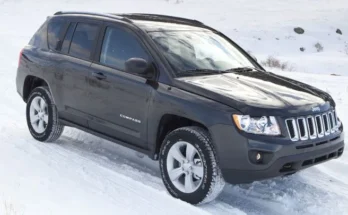
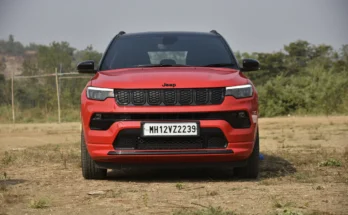
Figuring out when to change your Jeep Grand Cherokee's oil can feel a bit like a guessing game, but it doesn't have to be. The right interval protects your engine, keeps it running smoothly, and can save you from costly repairs down the road. It’s not just about hitting a specific mileage number; it’s about understanding what’s happening under the hood based on how you actually use your vehicle.
Manufacturer specifications often provide a baseline, like recommending oil changes every 7,500 miles or 12 months for many models. However, real-world driving conditions can significantly alter that. Our research shows that the type of oil you use and the specific demands you place on your engine play a crucial role in determining the optimal time for an oil change.
49% off Today's Exclusive Deals
Limited-time Exclusive Deals. Check current discount on Amazon.
Check Price on Amazon As an Amazon Associate I earn from qualifying purchases.Your Driving Habits: The Big Factor
Your Jeep Grand Cherokee's oil change schedule hinges most critically on how you drive it. This isn't a minor detail; it directly impacts the lifespan and effectiveness of your engine oil. Different driving styles subject the oil to varying levels of stress, heat, and contamination.
Severe Driving vs. Normal Driving
Jeep, like most manufacturers, categorizes driving into "normal" and "severe" conditions. Most Grand Cherokee owners actually fall into the "severe" category without realizing it, which means they need to service their vehicle more frequently than the basic recommendation suggests. Understanding these categories is key to making the right call for your vehicle's health.
What "Severe" Really Means for Your Jeep
"Severe" driving conditions put extra strain on your engine oil, causing it to break down faster. This isn't just about aggressive driving; it includes many common scenarios. Our research indicates that frequent short trips, especially in cold weather, are a prime example.
49% off Today's Exclusive Deals
Limited-time Exclusive Deals. Check current discount on Amazon.
Check Price on Amazon As an Amazon Associate I earn from qualifying purchases.These short runs mean the engine doesn't always reach optimal operating temperature, preventing moisture and contaminants from evaporating out of the oil.
If your daily driving involves:
- Frequent trips of less than 10 miles.
- Extensive idling or driving in heavy stop-and-go traffic.
- Driving in very dusty, sandy, or extremely hot conditions.
- Towing heavy loads or frequently carrying significant weight.
- Driving in sub-zero temperatures for extended periods.
…then your driving is considered severe. If these apply to you, it's best to adhere to the more frequent end of the recommended maintenance schedule.
Oil Type: What's Under the Cap?
The type of engine oil you use in your Jeep Grand Cherokee is more than just a fluid; it's the lifeblood of your engine. Different oil formulations offer varying levels of protection, temperature resistance, and longevity, which directly affects how often you should be changing it. Using the manufacturer's recommended oil viscosity and type is crucial for optimal engine performance and durability.
49% off Today's Exclusive Deals
Limited-time Exclusive Deals. Check current discount on Amazon.
Check Price on Amazon As an Amazon Associate I earn from qualifying purchases.Conventional, Blend, or Full Synthetic?
Engine oils generally fall into three main categories: conventional, synthetic blend, and full synthetic. Conventional oil is the most basic and typically requires the most frequent changes. A synthetic blend offers a step up in protection and longevity.
Full synthetic oil, on the other hand, is engineered for superior performance across a wide range of temperatures and conditions, and it generally lasts longer.
The type of oil specified for your particular Grand Cherokee model can be found in your owner's manual. Many modern Grand Cherokees, particularly newer models as of 2026, are designed to work best with full synthetic oil for maximum protection and efficiency.
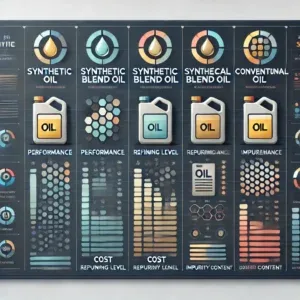
Image source: Web (Bing) / vestalubrication.com (Web image (fair-use with source credit))
Matching Oil to Your Grand Cherokee Model
Using the correct oil viscosity grade, such as 0W-20 or 5W-30, is just as important as the oil type itself. Your Jeep's owner's manual will specify the exact grade required for your engine. For instance, some Grand Cherokee engines, like the Pentastar V6, have specific oil requirements that full synthetic oils are best suited to meet.
Always verify the exact specification for your specific year and engine. Using the wrong type or viscosity could lead to increased wear and reduced performance over time.

Image source: Web (Bing) / vehiclebright.com (Web image (fair-use with source credit))
Your Owner's Manual: The Manufacturer's Word
Your Jeep Grand Cherokee's owner's manual is the definitive guide for its maintenance needs. It contains the specific recommendations from Jeep engineers who designed and tested your vehicle. This document is your most reliable source for information on everything from tire pressure to, crucially, oil change intervals.
Decoding the Recommended Intervals
Manufacturer specifications typically provide recommended oil change intervals based on mileage and time. For many Jeep Grand Cherokee models, you'll see a recommendation like changing the oil every 7,500 miles or 12 months, whichever comes first, assuming normal driving conditions. However, the manual will also detail the more frequent intervals required for severe driving.
It’s essential to read this section carefully to understand how your driving habits might necessitate a different schedule.
Understanding Your Jeep's Oil Life Monitor
Many newer Jeep Grand Cherokees are equipped with an Oil Life Monitoring System (OLMS). This intelligent system doesn't just track mileage; it actively monitors your driving patterns, engine load, temperature, and other factors to calculate the actual remaining life of your engine oil. When the system indicates it's time for a change, it will typically display a message on your dashboard.
It’s generally advised to heed these warnings; they are designed to provide a more accurate assessment than a fixed mileage schedule alone. If your Jeep has this system, you can find information on how it works and how to reset it after an oil change in your owner's manual. Learning how to reset the service light on a Honda CR-V can offer similar insights into how these systems function.
When Exactly Should You Change It? A Decision Guide
So, the big question: when exactly should you get that oil changed? It boils down to cross-referencing your driving conditions with the manufacturer's recommendations and the type of oil you're using. Think of it as a personalized maintenance plan for your Jeep.
For Severe Driving Conditions
If your Grand Cherokee regularly experiences what we defined earlier as "severe" driving conditions, manufacturer specifications generally call for more frequent oil changes. For many Jeep models, this means aiming for an oil change every 5,000 miles or every 6 months, whichever comes first. This is a conservative but effective approach to ensure your engine oil is always in top condition, protecting critical engine components from the extra stress.
For Normal Driving Conditions
If your driving habits align more with the "normal" category, primarily longer trips, consistent highway use, and moderate climates, you can typically follow the longer interval recommended by Jeep. This is often around 7,500 miles or 12 months, again, whichever comes first. Always ensure you're using the correct oil type, ideally a full synthetic, for these extended intervals.
What If You're Unsure?
When in doubt, it's always better to err on the side of caution. An oil change is a relatively inexpensive preventative maintenance task. If you split your time between severe and normal driving, or if you’re simply not sure, choosing the more frequent 5,000-mile/6-month interval is a smart move.
It provides an extra layer of protection and peace of mind, helping to preserve your engine's longevity. For example, if you’re unsure about your specific needs, checking what tire size the Honda CR-V uses can give you a sense of the level of detail required for proper vehicle maintenance.
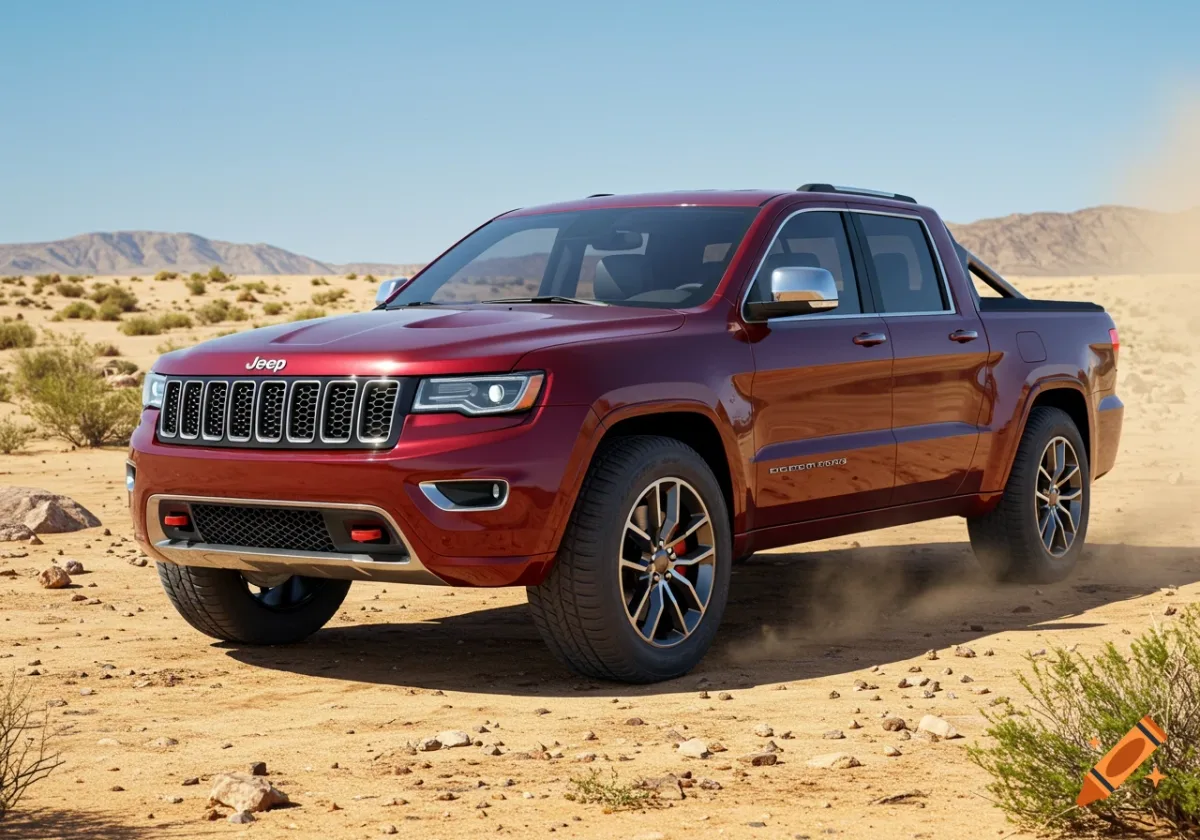
Image source: Bing (Web (fair-use with source credit))
Common Mistakes That Can Hurt Your Engine
Getting your Jeep Grand Cherokee's oil changed seems straightforward, but a few common slip-ups can actually do more harm than good. Being aware of these can help you avoid them and ensure your engine gets the best care. For example, using the wrong type of oil is a big one, always stick to what your owner's manual specifies.
- Ignoring the Oil Life Monitor: Relying solely on mileage and forgetting about the oil life monitoring system can lead to premature oil breakdown. These systems are sophisticated and offer a more accurate reflection of your oil's actual condition.
- Using Inferior Oil Filters: A cheap, low-quality oil filter might not capture as many contaminants, or it could even restrict oil flow. Always opt for a reputable brand that meets or exceeds Jeep's specifications.
- Forgetting to Check Oil Level: Even with regular changes, oil can be consumed. A low oil level is incredibly detrimental to engine health. Make it a habit to check your oil level between changes.
- Over or Underfilling: Too little oil starves the engine, while too much can cause internal damage and foaming. Always fill to the recommended level.
- Neglecting Air Filters: A clogged engine air filter restricts airflow, making the engine work harder and potentially affecting fuel efficiency. This is another key maintenance item that often gets overlooked alongside oil changes.
Expert Tips for Maximizing Oil Life and Protection
To get the most out of your engine oil and ensure your Jeep Grand Cherokee's engine runs at its best for years to come, a few proactive steps can make a significant difference. These aren't complicated procedures but rather smart habits that complement regular maintenance. For instance, ensuring you're using the correct oil type, like a high-quality full synthetic as recommended by manufacturers for many modern vehicles, is paramount.
- Use Full Synthetic Oil: If your Grand Cherokee's manual permits it, switching to a full synthetic oil can offer superior protection against wear, heat, and sludge formation. It also tends to perform better in extreme temperatures, both hot and cold.
- Replace the Oil Filter Every Time: Don't skip replacing the oil filter during an oil change. The filter removes contaminants, and a clogged filter reduces its effectiveness, circulating dirtier oil.
- Perform Regular Visual Checks: Beyond checking the oil level, visually inspect the oil on the dipstick. If it looks unusually dark, milky, or has visible particles, it’s a sign it needs changing sooner rather than later. Milky oil can indicate coolant contamination, a serious issue.
- Consider Your Climate: If you live in an area with extreme temperatures, either very hot summers or very cold winters, full synthetic oil is particularly beneficial as it maintains its viscosity better.
- Clean Around the Oil Cap: Before removing the oil fill cap, wipe the surrounding area to prevent dirt and debris from falling into the engine. This small step prevents unnecessary contaminants from entering your oil.
Frequently Asked Questions About Grand Cherokee Oil Changes
How long can I go between oil changes on my Jeep Grand Cherokee?
The exact interval depends on your driving habits and the type of oil used. Generally, for normal driving with full synthetic oil, you might aim for around 7,500 miles or 12 months. However, severe driving conditions often require changes as frequently as every 5,000 miles or 6 months.
Always consult your owner's manual or the vehicle's oil life monitoring system.
Should I use synthetic or conventional oil in my Grand Cherokee?
Most modern Jeep Grand Cherokees are designed to perform best with full synthetic oil, which offers superior protection and longevity. Check your owner's manual for the specific oil type and viscosity grade recommended for your engine. Using synthetic is generally the preferred choice for maximizing engine life and performance.
What happens if I don't change my oil often enough?
Not changing your oil often enough can lead to increased engine wear, sludge buildup, reduced fuel efficiency, and potentially severe engine damage. Old, degraded oil loses its lubricating properties, leaving critical engine components vulnerable to friction and heat. This can eventually lead to costly repairs or even engine failure.
Does my Jeep Grand Cherokee have an oil life monitor?
Many Jeep Grand Cherokee models, especially those made in recent years as of 2026, are equipped with an Oil Life Monitoring System (OLMS). This system tracks your driving conditions and estimates the remaining oil life, alerting you via a dashboard message when an oil change is due. It provides a more personalized schedule than fixed mileage intervals.
Can I use a different brand of oil filter?
You can use an oil filter from a reputable aftermarket brand, but it's crucial that it meets or exceeds the original equipment manufacturer (OEM) specifications for your Jeep Grand Cherokee. Using a filter that is too restrictive or doesn't filter effectively can compromise engine protection. Always choose a filter from a trusted brand.