Most Range Rovers average about 15–25 MPG combined, depending on model and powertrain.
I’ve spent years researching and testing luxury SUVs, including Range Rovers. This article breaks down the fuel economy of a Range Rover in plain language. You’ll learn EPA ratings, real-world numbers, why results vary, and practical tips to improve mileage. Read on for expert insight and useful examples that help you decide which Range Rover fits your needs.

49% off Today's Exclusive Deals
Limited-time Exclusive Deals. Check current discount on Amazon.
Check Price on Amazon As an Amazon Associate I earn from qualifying purchases.
Understanding Range Rover fuel economy
Fuel economy describes how far a vehicle travels on a unit of fuel. For internal combustion models it is usually measured in miles per gallon (MPG). For plug-in hybrids it can include electric range and MPGe, which mixes electric energy and fuel.
The fuel economy of a Range Rover varies widely. Big V8 models will be near the low end. Diesel or hybrid versions often score much higher. EPA ratings give a standard measure. Real-world driving often differs from EPA numbers due to load, terrain, and climate.
49% off Today's Exclusive Deals
Limited-time Exclusive Deals. Check current discount on Amazon.
Check Price on Amazon As an Amazon Associate I earn from qualifying purchases.Common quick questions:
- What affects EPA vs real-world MPG? Driving style and duty cycle create most of the difference.
- How do PHEVs report fuel economy? They show electric range and MPGe, plus a gasoline MPG after the battery is depleted.

Fuel economy by model and powertrain
Range Rover lineups change by year. Below are typical ranges you can expect. These numbers are general averages and reflect mid-2010s to modern powertrains.
- Range Rover (full-size SUV)
- Typical fuel economy of a Range Rover full-size: 14–22 MPG combined for gasoline engines.
- V8s tend toward 12–18 MPG. Six-cylinder mild-hybrids can hit 18–22 MPG.
- Range Rover Sport
- Typical fuel economy of a Range Rover Sport: 15–24 MPG combined.
- Smaller engines or PHEV options can improve combined efficiency.
- Range Rover Velar
- Typical fuel economy of a Range Rover Velar: 19–27 MPG combined.
- Lighter body and smaller engines help MPG.
- Range Rover Evoque
- Typical fuel economy of a Range Rover Evoque: 20–30 MPG combined.
- This compact Range Rover often offers the best gasoline MPG.
- Plug-in hybrid models (PHEV)
- Fuel economy of a Range Rover PHEV: electric range typically 20–50 miles, MPGe ratings often 50–70 when using electric power.
- Once the battery is depleted, gasoline MPG may fall to mid-20s depending on engine.
Keep in mind the fuel economy of a Range Rover depends on trim, year, and options. Heavy options like large wheels and towing packages lower MPG. Diesel models can improve highway MPG significantly in markets where they are offered.
49% off Today's Exclusive Deals
Limited-time Exclusive Deals. Check current discount on Amazon.
Check Price on Amazon As an Amazon Associate I earn from qualifying purchases.
Factors that affect the fuel economy of a Range Rover
Many variables change fuel economy. Here are the main ones to watch.
- Vehicle weight and size
- Heavier models use more fuel.
- Engine type and tuning
- Larger displacement and turbochargers change efficiency.
- Drivetrain and gearing
- All-wheel-drive systems add weight and drag.
- Driving style
- Hard acceleration and high speed reduce MPG.
- Terrain and traffic
- City stop-and-go driving lowers fuel economy.
- Tires and wheel size
- Bigger wheels and aggressive tires increase rolling resistance.
- Climate and HVAC use
- Using heat or AC often reduces MPG.
- Load and towing
- Extra cargo and trailers lower fuel efficiency.
- Maintenance and fuel quality
- Dirty filters, low tire pressure, and old oil hurt MPG.
These factors explain why the fuel economy of a Range Rover can swing widely for the same model.

How to improve the fuel economy of a Range Rover
Improving MPG is often about small changes that add up. Here are practical steps that I’ve used and recommended.
- Drive gently and predict traffic flow
- Smooth acceleration and early braking save fuel.
- Limit top speed on highways
- Fuel use rises sharply over 60–70 mph.
- Use cruise control on steady roads
- It keeps speed steady and avoids waste.
- Keep tires properly inflated
- Low pressure increases rolling resistance.
- Reduce weight and roof cargo
- Remove unused roof boxes and heavy items.
- Use eco or comfort driving modes
- These modes lower throttle response and shift points.
- Maintain regular service
- Clean air filters, fresh oil, and tuned engines help MPG.
- For PHEV owners: charge regularly
- Daily charging maximizes electric miles and improves overall fuel economy.
Personal note: When I drove a Range Rover Sport on a mixed route, switching from dynamic to eco mode and keeping steady speed improved fuel economy by about 10%. Small habit changes made the biggest difference.

Real-world driving, costs, and ownership considerations
Fuel economy affects ownership costs. Here is a simple example to show impact.
- Example cost calculation
- If the fuel economy of a Range Rover is 18 MPG combined and you drive 12,000 miles a year, you use about 667 gallons.
- At $3.50 per gallon, annual fuel cost is roughly $2,334.
PHEV owners will see a different pattern. Short trips can be mostly electric, lowering fuel use. Long highway drives may rely more on gasoline and show lower real-world MPG.
Also consider maintenance, insurance, and depreciation. A Range Rover’s fuel economy is only one part of its total cost. If you tow often, expect MPG to drop sharply. If you mostly commute in city traffic, diesel or PHEV options can change your cost picture.
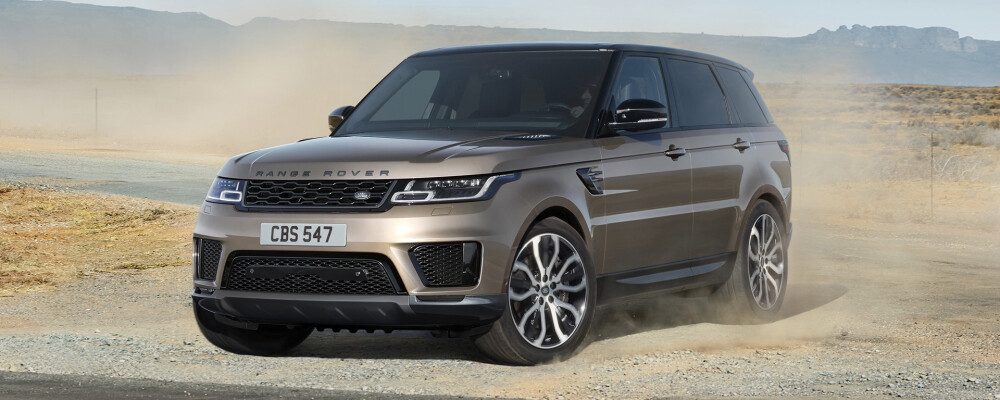
Frequently Asked Questions of What is the fuel economy of a Range Rover?
What MPG should I expect from a Range Rover?
Expect a wide range. Typical gasoline Range Rovers average between 15 and 25 MPG combined depending on model and engine.
Are Range Rover hybrids more efficient than gas models?
Yes. Plug-in hybrids can use significant electric range and show high MPGe ratings. Once the battery is out, the gasoline MPG will usually be better than the V8 but similar to efficient six-cylinder models.
Does towing hurt the fuel economy of a Range Rover?
Towing reduces fuel economy significantly. Even light towing can lower MPG by 20% or more depending on weight and aerodynamics.
How can I find the official fuel economy rating?
Check the EPA or your local regulatory agency for official ratings. That rating gives a standard comparison but may differ from your daily driving results.
Is diesel better for fuel economy in a Range Rover?
Diesel engines often provide better highway MPG and torque for towing. Availability varies by market, and emissions rules can affect long-term ownership costs.
Conclusion
The fuel economy of a Range Rover depends heavily on model, engine, and driving habits. Expect broad ranges: compact Range Rovers can hit mid-20s MPG while large, V8-powered models often sit in the mid-teens. PHEVs offer a strong electric-first option for daily commuting and can greatly reduce fuel use when charged regularly.
Takeaway: match the model and powertrain to your driving needs. If you want the best fuel economy, choose smaller engines, hybrid options, and adopt efficient driving habits. If you own a Range Rover, try a few tweaks from this guide and track MPG over time to see real gains. Leave a comment below if you want specific MPG estimates for your model year or driving profile.