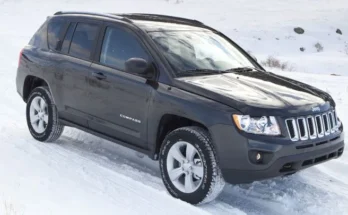
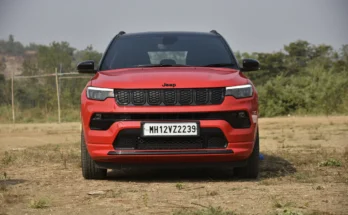
When your Jeep Grand Cherokee starts shaking during acceleration, it’s easy to feel a little uneasy. That unsettling vibration, particularly when you’re trying to get up to speed, usually signals that something in the vehicle's drivetrain, wheels, or suspension needs attention. Ignoring these symptoms can lead to more significant issues down the road.
In our research, we've found that these shakes often stem from common wear-and-tear components or specific mechanical faults. Understanding the potential causes is the first step toward getting your Jeep running smoothly again, ensuring both your comfort and safety on the road. For instance, manufacturer specifications for tire balance often adhere to standards set by organizations like the U.S.

49% off Today's Exclusive Deals
Limited-time Exclusive Deals. Check current discount on Amazon.
Check Price on Amazon As an Amazon Associate I earn from qualifying purchases.Tire Manufacturers Association, which aims for minimal imbalance to prevent vibrations.
Why Does My Jeep Grand Cherokee Shake When Accelerating?
A Jeep Grand Cherokee shakes when accelerating primarily due to issues with its wheels, tires, or drivetrain components. Imbalanced tires, worn universal joints (U-joints), damaged constant velocity (CV) joints, or issues with the driveshaft are common culprits. These problems create vibrations that are most noticeable when the engine is under load, such as during acceleration.
Quick Look: Common Causes for Shaking on Acceleration
When your Jeep Grand Cherokee shakes while you're trying to accelerate, it's usually pointing to one of these main areas:
49% off Today's Exclusive Deals
Limited-time Exclusive Deals. Check current discount on Amazon.
Check Price on Amazon As an Amazon Associate I earn from qualifying purchases.- Wheel and Tire Problems: This is often the most straightforward cause. Things like unbalanced tires, uneven tire wear, or even a bent wheel can create a wobble.
- Drivetrain Components: Your driveshaft, U-joints, and CV joints are critical for sending power to the wheels. If any of these are worn or damaged, they can cause significant shaking under load.
- Suspension and Steering Parts: Loose or worn suspension parts, like ball joints or control arm bushings, can also contribute to vibrations during acceleration.
Image source: Web (Bing) / storage.googleapis.com (Web image (fair-use with source credit))
Digging Deeper: The Usual Suspects Behind the Shake
Let's take a closer look at the specific components that tend to cause this kind of shaking. Knowing what to look for can help you communicate more effectively with your mechanic.
Tire and Wheel Woes
Tires and wheels are your connection to the road, and any issues here will likely be felt directly by you. When these components aren't spinning true or are unbalanced, the entire vehicle can vibrate.
49% off Today's Exclusive Deals
Limited-time Exclusive Deals. Check current discount on Amazon.
Check Price on Amazon As an Amazon Associate I earn from qualifying purchases.- Tire Imbalance: Tires need to be balanced to ensure weight is distributed evenly around the wheel. If they aren't, you'll feel vibrations, especially at higher speeds or when the engine is working hard. This imbalance can feel like a constant wobble.
- Uneven Tire Wear: Tires that are worn unevenly, perhaps from improper inflation or alignment issues, create their own imbalances. You might see cupping or feathering on the tread if you look closely.
- Bent Wheel: A hard impact, like hitting a deep pothole or curb, can bend a wheel. Even a slight bend can cause a noticeable shimmy as the wheel rotates.
- Loose Lug Nuts: This is a critical safety issue. If your lug nuts are loose, the wheel can wobble on the hub. You'd likely hear a rhythmic clunking or ticking as the wheel shifts. Always ensure lug nuts are torqued to the manufacturer's specifications, typically around 100-120 lb-ft for many SUVs like the Grand Cherokee.
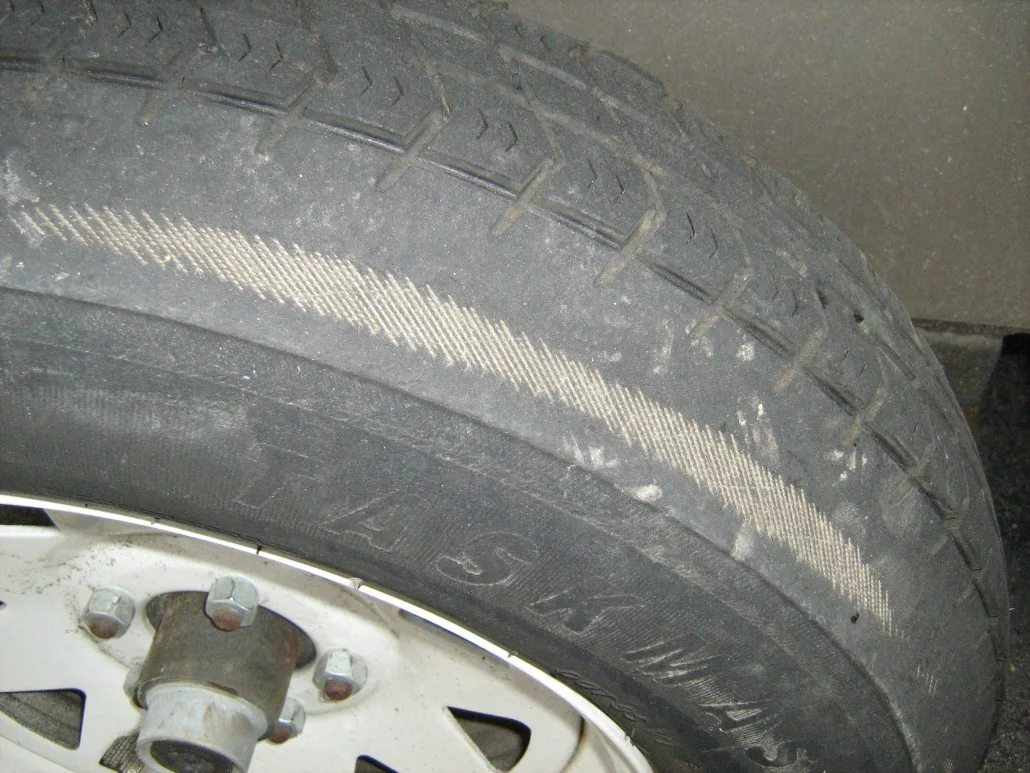
Image source: Web (Bing) / petersbodyshop.net (Web image (fair-use with source credit))
Drivetrain Disconnects
The drivetrain is the system that transmits power from your engine to your wheels. Components here are under significant stress, especially during acceleration, and wear can easily lead to vibrations.
- Universal Joints (U-Joints): These are crucial joints in the driveshaft that allow for changes in the angle between components. If U-joints become worn or develop play, they can cause a clunking or vibrating sensation, particularly when you apply throttle.
- Constant Velocity (CV) Joints: Found on most modern Jeeps, CV joints allow the driveshaft to transmit power smoothly even as the suspension moves. A torn CV boot can let dirt in and grease out, leading to premature wear and a clicking or shuddering vibration during acceleration, sometimes more pronounced when turning.
- Driveshaft Issues: The driveshaft itself can become bent or damaged, or its support bearings could fail. This can create a strong vibration that gets worse with speed and engine load.
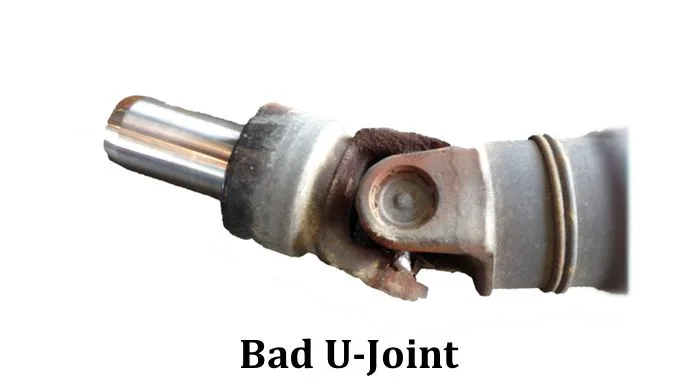
Image source: Web (Bing) / autotranzparma.com (Web image (fair-use with source credit))
Suspension & Steering Shenanigans
Your suspension and steering systems keep your Jeep aligned and stable. When parts of these systems become loose or worn, it can directly impact how the vehicle handles and feels, especially under acceleration.
- Worn Ball Joints: Ball joints are pivot points that connect the control arms to the steering knuckles. If they wear out, they can develop excessive play, leading to a loose feeling in the steering and vibrations that can be felt through the floorboard during acceleration.
- Tie Rod End Wear: Tie rod ends connect your steering rack to the steering knuckles. Like ball joints, wear here can cause looseness and contribute to a shaky ride when you're accelerating.
- Control Arm Bushings: These rubber or polyurethane bushings isolate vibrations and allow suspension components to move. If they crack or degrade, they can allow for excessive movement of the control arms, resulting in a shaking sensation.
How to Pinpoint the Problem: Your Diagnostic Steps
Figuring out exactly why your Jeep Grand Cherokee is shaking requires a bit of observation and a systematic approach. Think of yourself as the lead investigator.
What to Observe: Your Role as the Detective
Before you even head to the shop, take a moment to really pay attention to the shaking. The more details you can provide, the easier it will be for a mechanic to diagnose the issue.
- When does it happen? Is it only when you press the accelerator, or does it happen when you let off the gas too? Does it occur at specific speeds (e.g., 40-50 mph)? Does it get worse with more acceleration?
- Where does it feel like it's coming from? Try to isolate the feeling. Is it in the steering wheel (front-end issue)? Through the seat (rear-end issue)? Or does it feel like the whole vehicle is vibrating?
- Are there any accompanying sounds? A clunking, grinding, or humming sound can be a huge clue. For example, worn CV joints often make a clicking noise when turning, while failing U-joints might clunk on acceleration or deceleration.
- Does it affect steering? Does the steering wheel itself wobble, or does the whole vehicle feel like it's trying to wander out of your lane?
When to Call in the Pros: A Mechanic's Inspection
While you can often spot obvious issues like a visibly damaged tire or loose lug nuts, internal wear or complex drivetrain problems require professional tools and expertise. A trusted mechanic will typically perform the following checks:
- Visual Inspection: They'll put the Jeep on a lift and thoroughly inspect tires for wear patterns, check for damage to wheels, and look for any signs of leaks or damage on suspension and drivetrain components.
- Wheel Balance and Alignment Check: If tire imbalance is suspected, they'll run the wheels on a balancing machine. They'll also check your wheel alignment.
- Drivetrain Component Check: Mechanics will physically check U-joints and CV joints for play and inspect the driveshaft for straightness and damage.
- Suspension and Steering Component Check: They'll test ball joints, tie rod ends, and control arm bushings for excessive movement or wear.
- Test Drive: A technician will usually drive the vehicle with you to feel the exact symptoms you're describing and confirm the diagnosis.
Avoiding Costly Mistakes: What NOT to Do
When you're dealing with a shaking vehicle, it's easy to jump to conclusions or try quick fixes that might not address the root cause. Avoiding these common missteps can save you time and money.
- Don't ignore it: A vibration that starts during acceleration can quickly escalate. What might be a simple fix now could become a major repair if left unattended.
- Don't assume it's just one thing: Sometimes, multiple issues can contribute to a shaking sensation. A mechanic's thorough diagnosis is crucial.
- Don't overtighten lug nuts: While loose lug nuts are dangerous, overtightening can strip threads or warp rotors. Always use a torque wrench to tighten them to the manufacturer's recommended specification.
- Don't put off tire maintenance: Regularly checking tire pressure, ensuring proper inflation (often around 32-35 PSI for a Grand Cherokee, but always check your vehicle's doorjamb sticker), and getting them balanced and rotated as recommended by the manufacturer is key to preventing many vibration issues. For example, a proper tire rotation can help ensure even wear and can be done every 5,000-7,500 miles.
When to Seek Expert Help: Don't Ignore the Signs
While some issues, like a slightly unbalanced tire, might seem minor, a persistent shake during acceleration shouldn't be dismissed. Your Jeep Grand Cherokee is a complex machine, and components like its drivetrain and suspension work in concert. As of 2026, vehicle safety standards continue to evolve, emphasizing the importance of maintaining all critical systems.
If you notice any of the following, it's a clear sign you need to get your vehicle to a qualified mechanic promptly:
- Shaking that is severe or getting worse: A mild wobble can quickly become a dangerous loss of control if a critical component fails.
- Accompanying noises: Clunking, grinding, or loud popping sounds during acceleration are serious indicators of damage.
- Steering wheel instability: If the steering wheel is shaking violently or the vehicle feels unstable, that's a major safety concern.
- Loss of power or transmission issues: If the shaking is paired with the vehicle not accelerating properly or having trouble shifting gears, it could point to a more serious transmission problem.
How Much Does It Cost To Fix A Shaking Jeep Grand Cherokee?
The cost to fix a shaking Jeep Grand Cherokee can vary significantly depending on the underlying cause. Simple issues like tire balancing are relatively inexpensive, often costing between $40 to $100 for all four tires. However, more complex problems can run much higher.
Here's a general breakdown of potential costs:
- Tire Balancing: $40, $100
- Wheel Alignment: $75, $150
- Replacing Worn Tires (set of 4): $600, $1200 (depending on brand and size)
- U-Joint Replacement: $200, $500 per joint
- CV Axle Replacement: $300, $800 per axle
- Ball Joint/Tie Rod End Replacement: $250, $600 per side
- Control Arm Bushing Replacement: $300, $700 (depending on labor involved)
For major drivetrain or suspension overhauls, costs could easily exceed $1000 or more. It's always best to get a detailed quote from your mechanic after they've diagnosed the specific problem. For owners considering major repairs, understanding the vehicle's overall value and potential resale impact might be relevant; for example, what is the resale value of a Range Rover? can be a consideration when deciding on extensive repairs for any large SUV.
Can I Drive My Jeep Grand Cherokee If It Shakes When Accelerating?
Driving a Jeep Grand Cherokee that shakes when accelerating is risky and not recommended, especially if the vibration is significant or worsening. The shaking is a symptom of a problem that could compromise your safety and the integrity of other vehicle components.
- Safety Risk: A severe shake can affect your ability to control the vehicle, particularly at higher speeds or during sudden maneuvers. This increases the risk of an accident.
- Component Damage: Continuing to drive with certain issues, like a failing U-joint or a loose suspension component, can cause secondary damage to other parts of the drivetrain or suspension system, leading to more expensive repairs.
- When It Might Be Okay (with caution): If the shake is very mild, occurs only at a very specific speed, and disappears completely outside of that narrow range, you might be able to drive it cautiously to a mechanic. However, it's always best to err on the side of caution.
If you're unsure about the severity, it's better to have your Jeep towed to a service center rather than risking damage or an accident. Understanding the general maintenance needs of SUVs, like those for the Honda CR-V, can highlight the importance of addressing such issues promptly. For example, knowing how often should a Range Rover be serviced emphasizes the proactive approach needed for all vehicle types.
What Tire Sizes Are Used On A Jeep Grand Cherokee?
The Jeep Grand Cherokee uses a variety of tire sizes depending on the specific trim level, year, and optional packages installed. These variations are common across many SUV models, as different trims might be geared for different performance characteristics or aesthetic preferences. For instance, knowing what tire sizes are used on a Range Rover can provide context for the diverse sizing found in luxury SUVs, which often extends to more mainstream models like the Grand Cherokee.
Common tire size ranges you might find on a Jeep Grand Cherokee include:
- P245/70R17
- P265/60R18
- P265/50R20
It's crucial to check the sidewall of your current tires or the sticker on your driver's side doorjamb or fuel filler door for the exact tire size recommended for your specific vehicle. Using the incorrect tire size can affect vehicle performance, speedometer accuracy, and, importantly, can even contribute to shaking or handling issues if not properly matched. Always confirm the precise specification for your year and model.
Frequently Asked Questions About Jeep Grand Cherokee Shakes
What is the most common cause of shaking when accelerating?
The most common cause is often tire imbalance or uneven tire wear. These issues create a vibration that is most noticeable when the vehicle is in motion and the engine is under load.
Can bad suspension cause shaking during acceleration?
Yes, worn suspension components like ball joints, tie rod ends, or control arm bushings can lead to instability and shaking, especially when the vehicle's weight shifts during acceleration.
How do I know if it's my tires or my drivetrain?
If the shaking feels primarily in the steering wheel and is more noticeable at certain speeds, it's often tire-related. If the vibration feels deeper, comes from the center or rear of the vehicle, or is accompanied by clunking noises, it points more towards drivetrain issues like U-joints or CV joints.
Should I drive my Jeep if it shakes when accelerating?
It's generally not recommended to drive your Jeep if it shakes significantly during acceleration, especially if the shaking is severe, worsening, or accompanied by unusual noises. This could indicate a safety issue or a problem that could cause further damage.