Most Range Rovers use tires between 19 and 23 inches, with widths typically 235–295 mm.
I’ve worked with Land Rover vehicles and tires for years, testing sizes on pavement and trails. This guide breaks down what tire sizes are used on a Range Rover, why those sizes matter, and how to pick the right set for safety, comfort, and performance. Read on to learn model-specific ranges, decoding tire codes, plus-sizing trade-offs, and practical tips from real-world experience.

49% off Today's Exclusive Deals
Limited-time Exclusive Deals. Check current discount on Amazon.
Check Price on Amazon As an Amazon Associate I earn from qualifying purchases.
Understanding tire size notation for a Range Rover
Tire size codes tell you width, aspect ratio, and rim diameter. A typical code reads 255/50R20 109V.
- 255 means tire width in millimeters.
- 50 is the aspect ratio. It is the height as a percentage of width.
- R20 means radial construction on a 20-inch wheel.
- 109 is the load index; V is the speed rating.
Knowing how to read these numbers helps you compare OEM tires and aftermarket options. When checking tire sizes on a Range Rover, look at the door placard or owner's manual to confirm the exact code for your trim and year.
49% off Today's Exclusive Deals
Limited-time Exclusive Deals. Check current discount on Amazon.
Check Price on Amazon As an Amazon Associate I earn from qualifying purchases.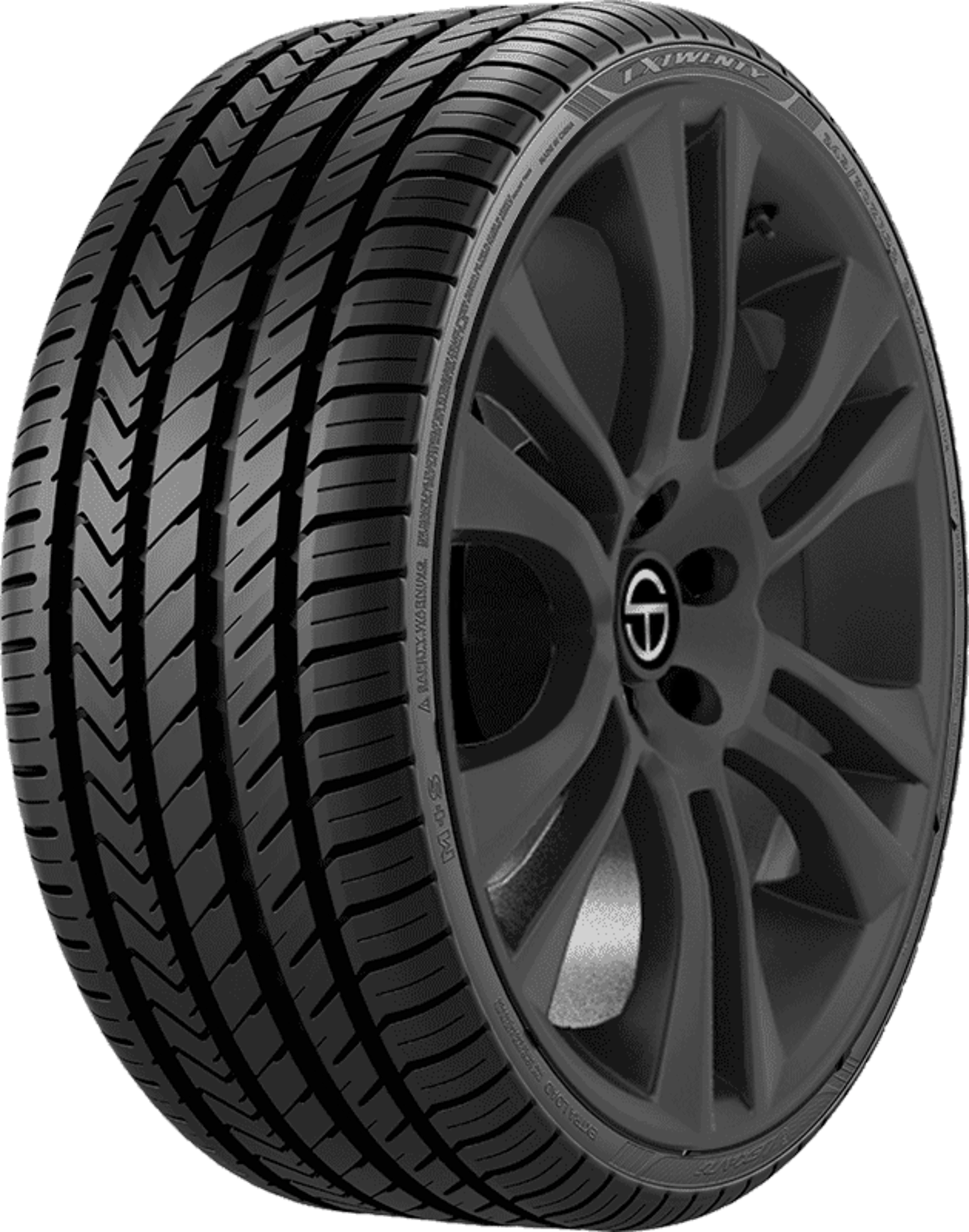
Common OEM tire sizes by Range Rover model
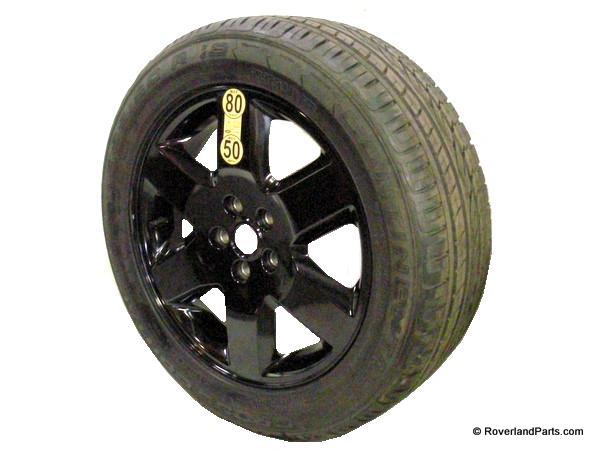
Range Rover models use a broad range of sizes. Below are common factory sizes grouped by model families. Exact fitments vary by year, trim, and optional wheel packages.
- Range Rover (full-size)
- Common sizes: 255/60R19, 275/45R21, 285/40R22
- Typical wheel diameters: 19 to 23 inches.
- Range Rover Sport
- Common sizes: 255/55R20, 275/45R21, 285/40R22
- Suited for both off-road and sporty on-road handling.
- Range Rover Velar
- Common sizes: 255/60R18, 255/55R19, 265/40R21
- Emphasizes ride comfort and styling.
- Range Rover Evoque
- Common sizes: 235/60R18, 235/55R19, 245/45R20
- Compact, lighter fitments for urban use.
- Land Rover Discovery (closely related)
- Common sizes: 255/55R19, 255/50R20, 275/45R21
These lists show typical ranges for tire sizes on a Range Rover. Always confirm the exact OEM tire code for your vehicle year and trim before buying.
49% off Today's Exclusive Deals
Limited-time Exclusive Deals. Check current discount on Amazon.
Check Price on Amazon As an Amazon Associate I earn from qualifying purchases.Why different Range Rover trims use different tire sizes
Several factors shape which tire sizes are used on a Range Rover.
- Wheel design and trim packages
- Sport and luxury trims often come with larger wheels and lower-profile tires.
- Ride and handling goals
- Lower aspect ratios give sharper handling. Taller sidewalls improve comfort and off-road compliance.
- Load and towing needs
- Heavier trims or models require higher load index tires.
- Tire type and intended use
- All-season, performance, and off-road tires come in different standard sizes.
Understanding these factors lets you choose tires that match your driving style and conditions. When you consider a replacement, align size, load index, and speed rating with the original specs.
Practical guidance for choosing replacement tires
Follow these steps when replacing tires on a Range Rover to stay safe and keep performance strong.
- Check the door placard and owner's manual
- Confirm OEM tire sizes, load index, and speed rating.
- Match load index and speed rating at minimum
- Do not pick a tire with lower capacity than factory spec.
- Consider buying OEM-equivalent or high-quality aftermarket tires
- Good replacement tires maintain handling, braking, and fuel economy.
- Think about seasonal needs
- Use winter tires with appropriate sizes for safe cold-weather performance.
- Have tires installed by a qualified shop
- Proper mounting, balancing, and TPMS setup matters.
I once fitted plus-size low-profile tires on a test Range Rover Sport. The car looked great, but the ride felt harsher and small potholes caused more jolts. That taught me to weigh aesthetics against comfort.

Pros and cons of plus-sizing and wheel swaps
Plus-sizing changes the tire profile or rim diameter. It alters look and handling but can bring drawbacks.
- Benefits
- Sharper cornering feel.
- Improved visual stance and larger brake clearance.
- Drawbacks
- Firmer ride and more road noise.
- Risk of rubbing, altered speedometer reading, and increased wear.
- Possible TPMS and wheel bearing stress if not done correctly.
If you plan to upsize wheels, keep overall diameter within 1–2% of the factory size. This avoids speedometer and ABS errors. Always verify clearance with full suspension travel.
Tire types and sizing for common driving needs
Choose tire sizes and types that match how you use your Range Rover.
- Daily city and highway driving
- Stock OEM sizes with all-season tires deliver comfort and longevity.
- Performance driving
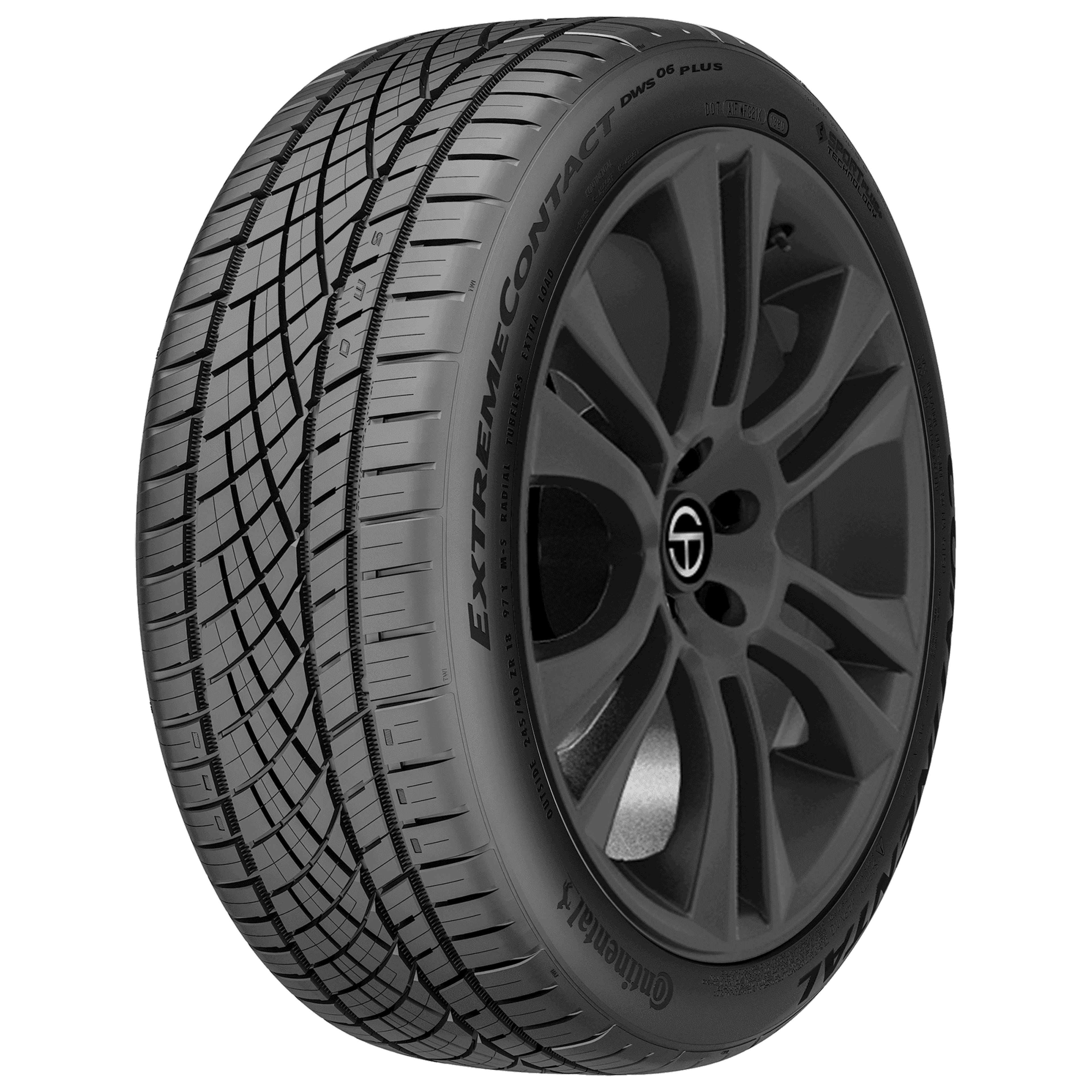
- Wider tires and lower aspect ratios in approved sizes give better grip.
- Off-road or towing
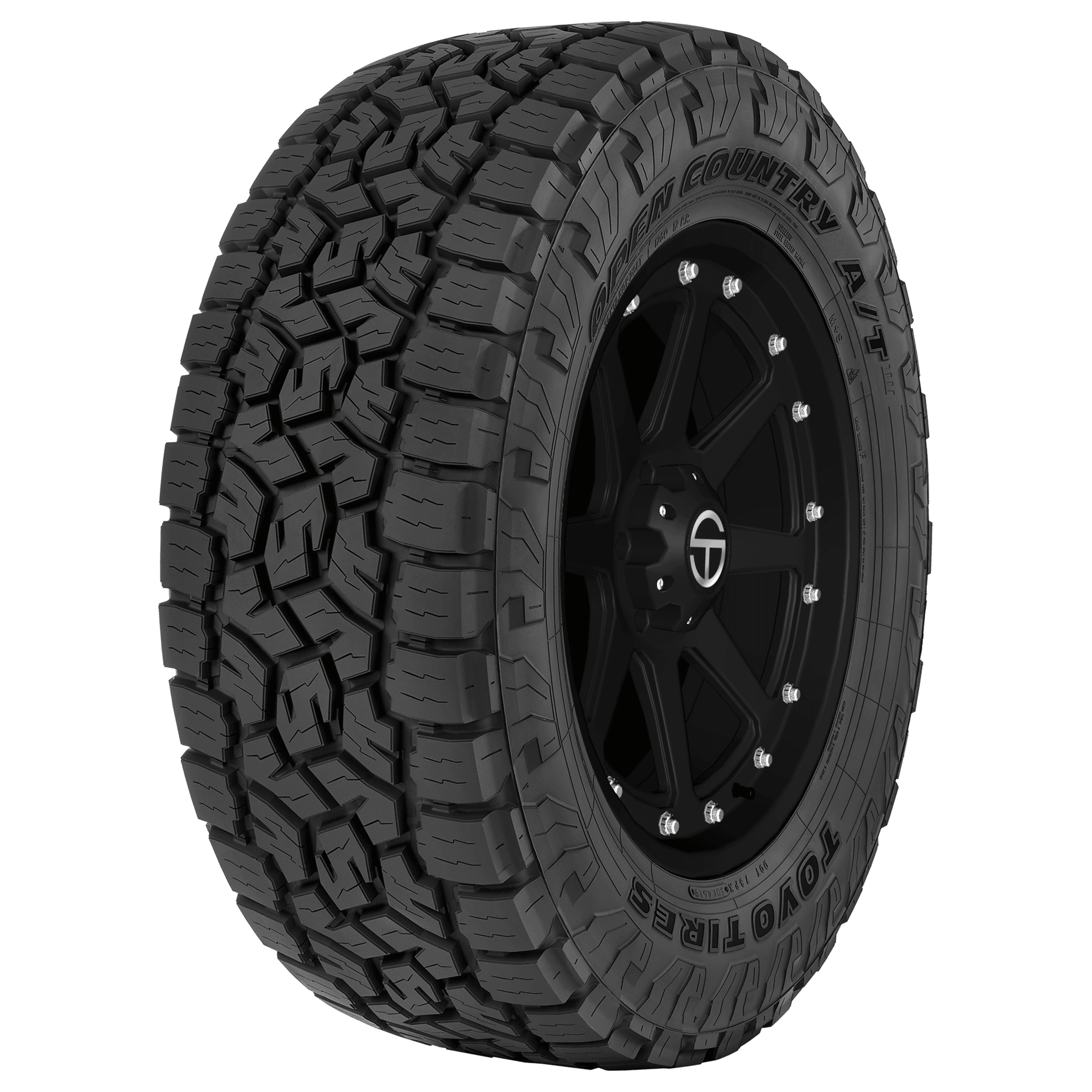
- Use tires with proper load index and aggressive tread. Stick to sizes with taller sidewalls when possible.
- Winter driving
- Fit dedicated winter tires in recommended sizes for improved safety.
Remember: the right tire size on a Range Rover balances traction, comfort, and load capacity.

Maintenance tips and safety considerations
Proper care keeps the right tire sizes on a Range Rover working well.
- Maintain correct pressure
- Check pressure monthly and before long trips.
- Rotate tires regularly
- Follow the interval in the manual to even out wear.
- Monitor tread depth and sidewalls
- Replace tires before tread gets too low or sidewall damage appears.
- Use matched sets
- Avoid mixing tire types or sizes on the same axle.
I once ignored a small bulge and later had a wheel vibration that cost more to fix. Inspect tires often and address irregular wear early.

Quick practical Q&A inside the guide
Here are short, direct answers to common quick questions related to tire sizes on a Range Rover.
Can I change the wheel diameter on my Range Rover?
You can, but keep the overall tire diameter close to stock and preserve load index and speed rating. This avoids speedometer errors and clearance problems.
Will plus-sizing improve handling on a Range Rover?
Plus-sizing can sharpen handling but may reduce ride comfort and increase road noise. Balance handling gains with comfort loss.
How do I find the exact OEM tire size for my Range Rover?
Check the door placard, glovebox sticker, or owner's manual; these list the recommended tire sizes and pressure. Dealer service can also confirm.
Frequently Asked Questions of What tire sizes are used on a Range Rover?
What tire sizes are standard on a Range Rover?
Standard sizes vary by model and trim but commonly range from 19 to 23 inches in diameter. Widths typically fall between 235 mm and 295 mm.
Can I use a different tire size than factory on my Range Rover?
Yes, but you must match load index and speed rating and keep overall diameter close to factory spec to avoid issues. Professional advice is recommended.
Do Range Rovers use run-flat tires from the factory?
Some trims may come with run-flat or reinforced tires, but many use standard tires paired with a repair kit. Check factory spec for your model.
How does changing tire size affect fuel economy on a Range Rover?
Larger, wider tires can increase rolling resistance and lower fuel economy slightly. Stick to OEM-equivalent sizes for best balance of economy and performance.
Are there special tires for off-road Range Rover use?
Yes, all-terrain or mud-terrain tires are sized to fit Range Rover wheel options and provide better traction off-road. Ensure load index and clearance are compatible.
How often should Range Rover tires be replaced?
Replace tires when tread depth falls below 4/32" for winter tires or when tread shows significant wear or damage. Most tires last 25,000–50,000 miles depending on type and driving.
Will tire size changes affect my Range Rover’s warranty?
Changes that cause damage may affect warranty coverage. Minor size swaps that maintain safe specs usually do not, but check warranty terms first.
Conclusion
Choosing the right tire sizes on a Range Rover matters for safety, comfort, and performance. Start by checking the door placard and manual, match load and speed ratings, and balance looks with real-world needs. If you plan changes, consult a pro and keep overall diameter close to OEM specs to avoid problems. Take action now: inspect your tires, note your current size, and pick replacements that match your driving style — then enjoy a safer, smoother ride. Leave a comment with your model and tire goals if you want tailored advice.