Differences are mainly in engine output, drivetrain, chassis tuning, and feature levels.
I have driven multiple Porsche 911 Carrera variants and worked with owners and technicians. I’ll explain clearly what the difference between Porsche 911 Carrera models really means. Read on to learn how names like Carrera, Carrera S, 4, and GTS change performance, handling, daily comfort, and ownership costs. This guide blends hands-on impressions, spec comparisons, and buying advice so you can pick the right 911 Carrera for your needs.

49% off Today's Exclusive Deals
Limited-time Exclusive Deals. Check current discount on Amazon.
Check Price on Amazon As an Amazon Associate I earn from qualifying purchases.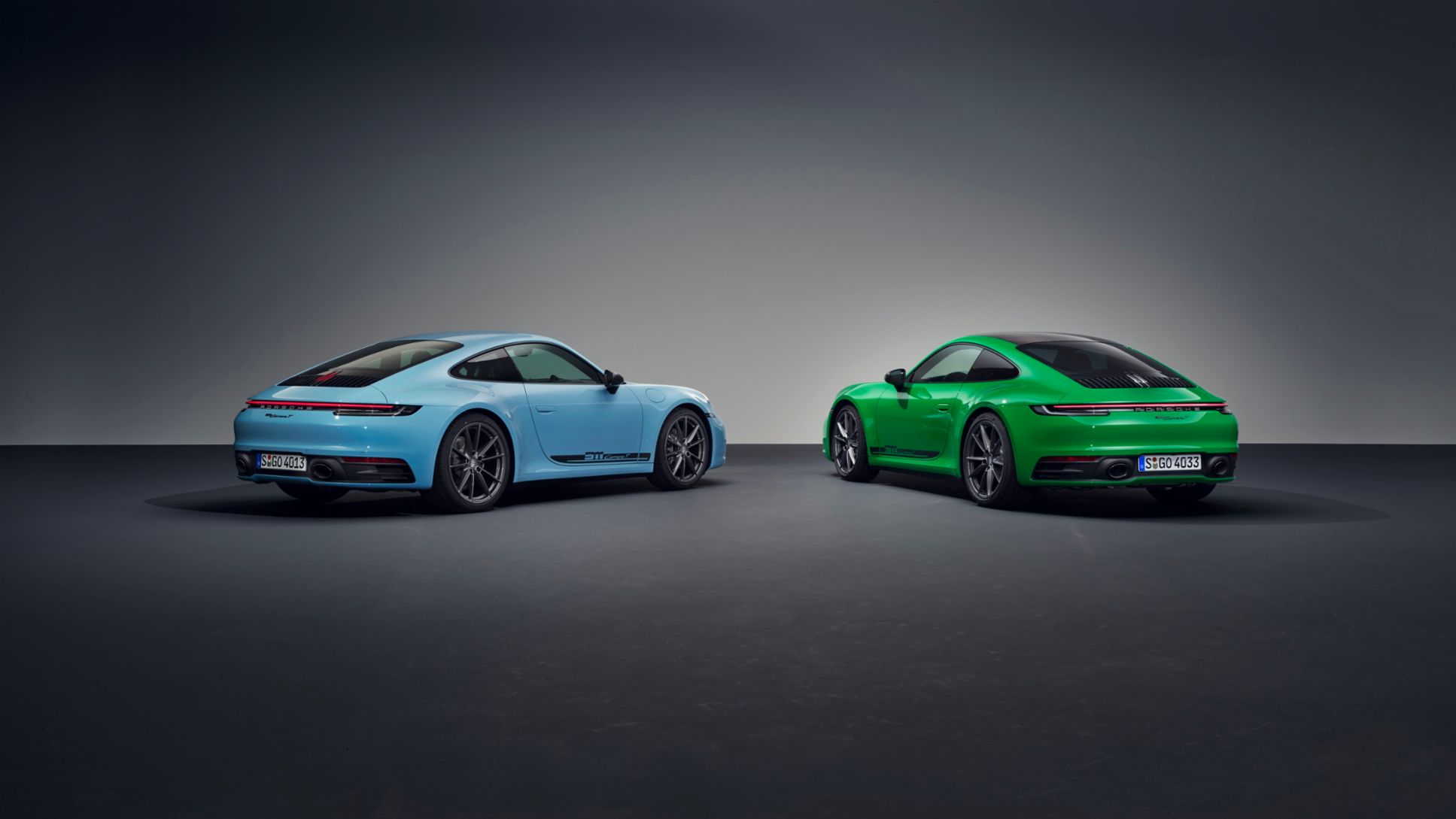
How the Porsche 911 Carrera lineup is structured
Porsche uses short model names to show key differences. What is the difference between Porsche 911 Carrera models mostly comes down to suffixes like S, 4, GTS, and T. Carrera means the base rear-wheel-drive two-door coupe or cabriolet. Adding letters signals more power, all-wheel-drive, sport tuning, or a lighter focus.

49% off Today's Exclusive Deals
Limited-time Exclusive Deals. Check current discount on Amazon.
Check Price on Amazon As an Amazon Associate I earn from qualifying purchases.Engine, power, and performance differences
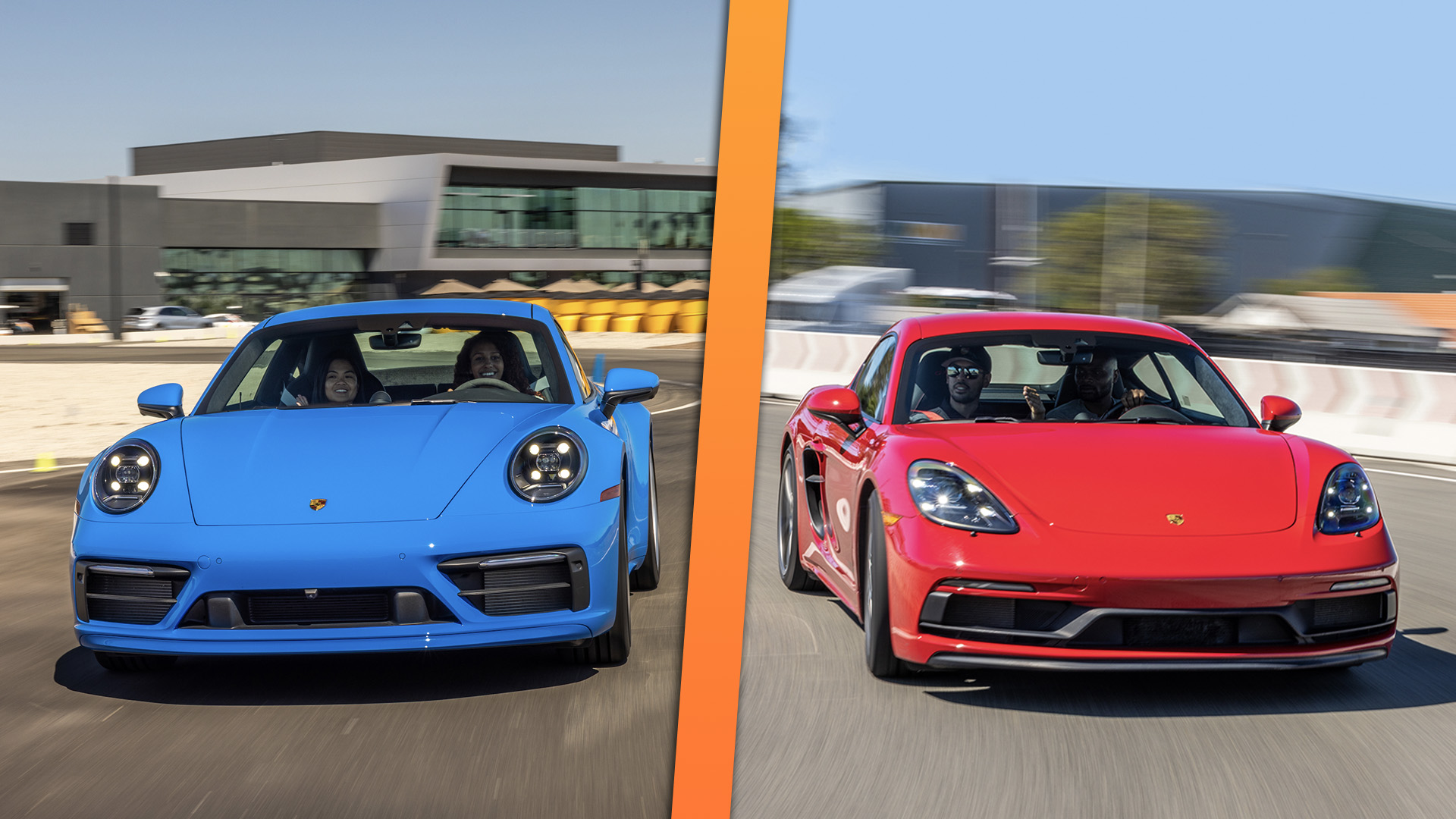
Carrera models share a flat-six engine layout but not the same tune. What is the difference between Porsche 911 Carrera and Carrera S is often 30 to 70 horsepower, with the S being stronger and quicker. Turbocharged models and Turbo S sit in a different class, while GTS fills the gap with sport upgrades and torque tuning. Acceleration, top speed, and midrange punch vary by model and by options like Sport Chrono.
Drivetrain, handling, and chassis tuning
Drivetrain choice shapes daily feel and limits. What is the difference between Porsche 911 Carrera 4 and Carrera is that the 4 denotes all-wheel drive, which adds grip in wet or cold conditions. Rear-wheel drive feels more playful and lighter on turn-in. Suspension, the optional PASM adaptive dampers, rear-axle steering, and Porsche Active Suspension Management change handling more than seats or infotainment.

49% off Today's Exclusive Deals
Limited-time Exclusive Deals. Check current discount on Amazon.
Check Price on Amazon As an Amazon Associate I earn from qualifying purchases.Trim, features, and interior differences
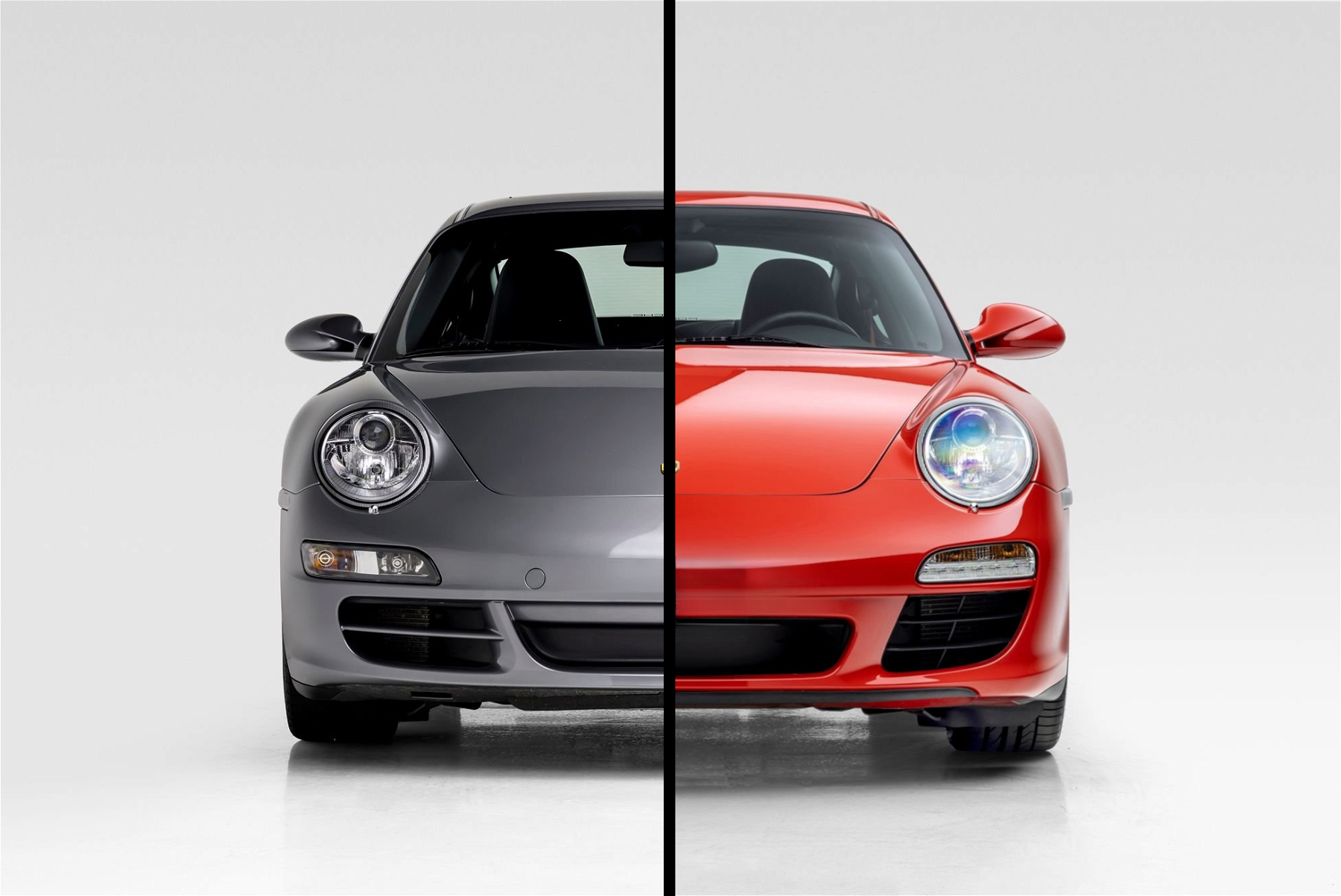
Trim explains comfort and tech levels. What is the difference between Porsche 911 Carrera trims shows up in wheel sizes, brake options, interior materials, and infotainment packages. GTS models often add sport seats, Alcantara, and unique trim. Optional packs let you add carbon, sport exhaust, and upgraded sound to almost any Carrera.
Price, ownership costs, and resale
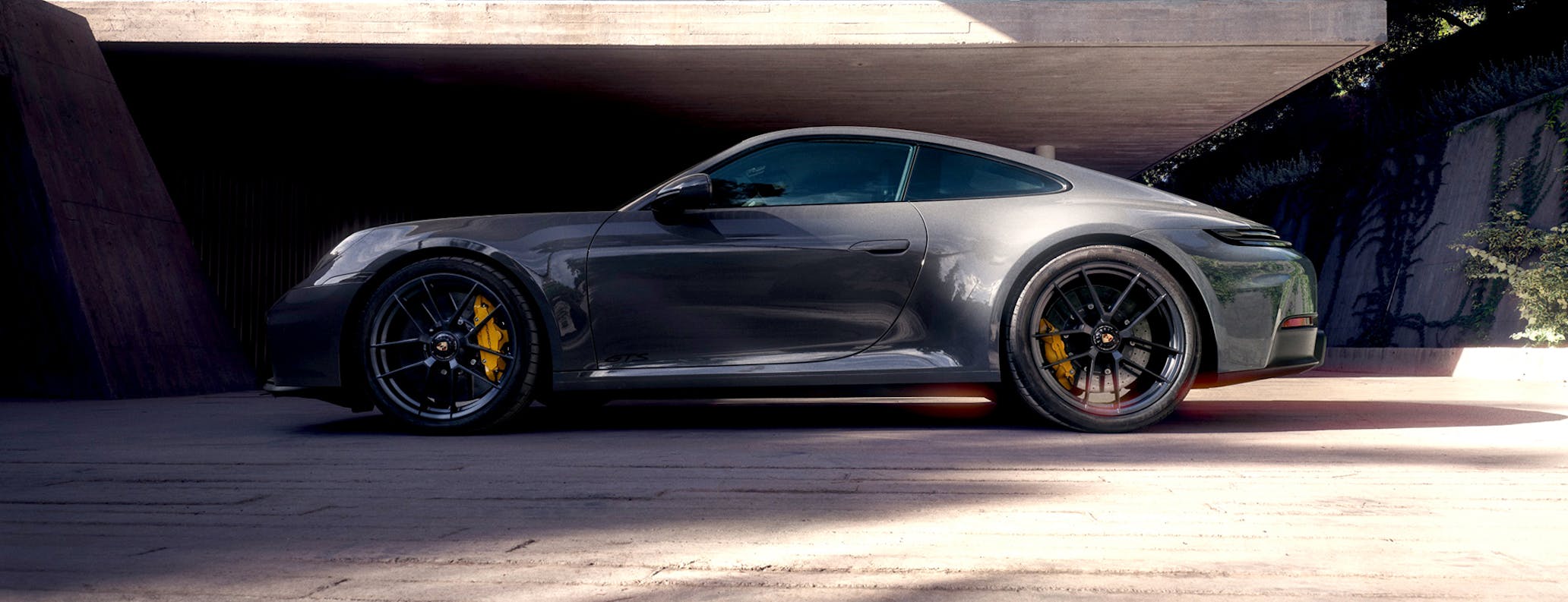
Price gaps reflect power and gear. What is the difference between Porsche 911 Carrera prices means the base Carrera is the most affordable new entry, Carrera S and 4S sit higher, and GTS or Turbo demand big premiums. Insurance, tires, maintenance, and fuel costs rise with power and track use. Resale tends to be strong for clean, low-mileage Carreras with service history and desirable options.
Real-world driving impressions and personal tips
I’ve driven a Carrera, a Carrera S, and a Carrera GTS over varied roads. What is the difference between Porsche 911 Carrera variants felt clear on twisty mountain roads. The base Carrera is nimble and cheerful. The S and GTS are more willing to accelerate out of corners and reward aggressive driving. Tip: try both rear-wheel and all-wheel-drive cars in real conditions you expect to face.

How to choose the right Carrera for you
Ask simple questions before you buy. What is the difference between Porsche 911 Carrera choices for commuting, weekend fun, and track days? Consider these points:
- Daily use versus track use. Track days favor S, GTS, or cars with sport suspension.
- Climate and grip needs. All-wheel-drive models help in rain and snow.
- Budget for tires and brakes. Bigger brakes and stickier tires cost more to maintain.
- Options versus factory trim. Some options are cheaper at purchase than aftermarket upgrades.
Test drive cars in varied conditions and check ownership records if used.
Frequently Asked Questions of What is the difference between Porsche 911 Carrera
What is the core difference between Carrera and Carrera S?
The Carrera S has higher output and often larger brakes and wheels. It accelerates faster and may include sport-tuned suspension or better cooling as standard.
Does Carrera 4 mean better in bad weather?
Yes. Carrera 4 models have all-wheel drive, which improves traction on wet, icy, or loose surfaces. That makes them safer and more confidence-inspiring in poor conditions.
How does the GTS differ from the regular Carrera?
GTS sits between S and Turbo in sport focus. It adds power, chassis tuning, and unique trim for drivers who want more performance without full Turbo levels.
Is a Carrera cheaper to insure and run than a Turbo?
Generally yes. Base Carreras have lower purchase price, lower repair costs, and smaller tires than Turbo models. Insurance still varies by driver profile and location.
Can I upgrade a base Carrera to feel like an S?
You can add exhaust, wheels, tires, and suspension upgrades for improved feel. However, internal engine and transmission tuning on an S is hard to replicate affordably and reliably.
Are manual transmissions still available in Carrera models?
Some Carrera variants still offer a manual gearbox in recent model years. Availability depends on generation and trim, so check current model options before buying.
Which Carrera holds value best?
Limited-run models and well-optioned cars with full service history often hold value best. Sport models like GTS and cars with desirable color and option combos sell well on the used market.
Conclusion
Summing up, what is the difference between Porsche 911 Carrera models centers on power, drivetrain, chassis setup, and feature levels. Choose a base Carrera for lightness and charm, a Carrera S for more speed, a Carrera 4 for all-weather use, and a GTS for focused sport character. Test drive the options, check real-world costs, and think about how you will use the car day to day. If you enjoyed this guide, share your thoughts below, try a demo drive, or subscribe for more hands-on Porsche advice.