Most Range Rovers use full synthetic oil, with the exact viscosity set by engine and climate.
I’ve worked on many Range Rovers and studied Land Rover service specs. This guide explains what type of oil does a Range Rover use? I’ll walk you through recommended oil types, how to pick the right viscosity, service intervals, and practical tips from hands-on experience. Read on to make the right oil choice for your Range Rover and protect its engine for years.

49% off Today's Exclusive Deals
Limited-time Exclusive Deals. Check current discount on Amazon.
Check Price on Amazon As an Amazon Associate I earn from qualifying purchases.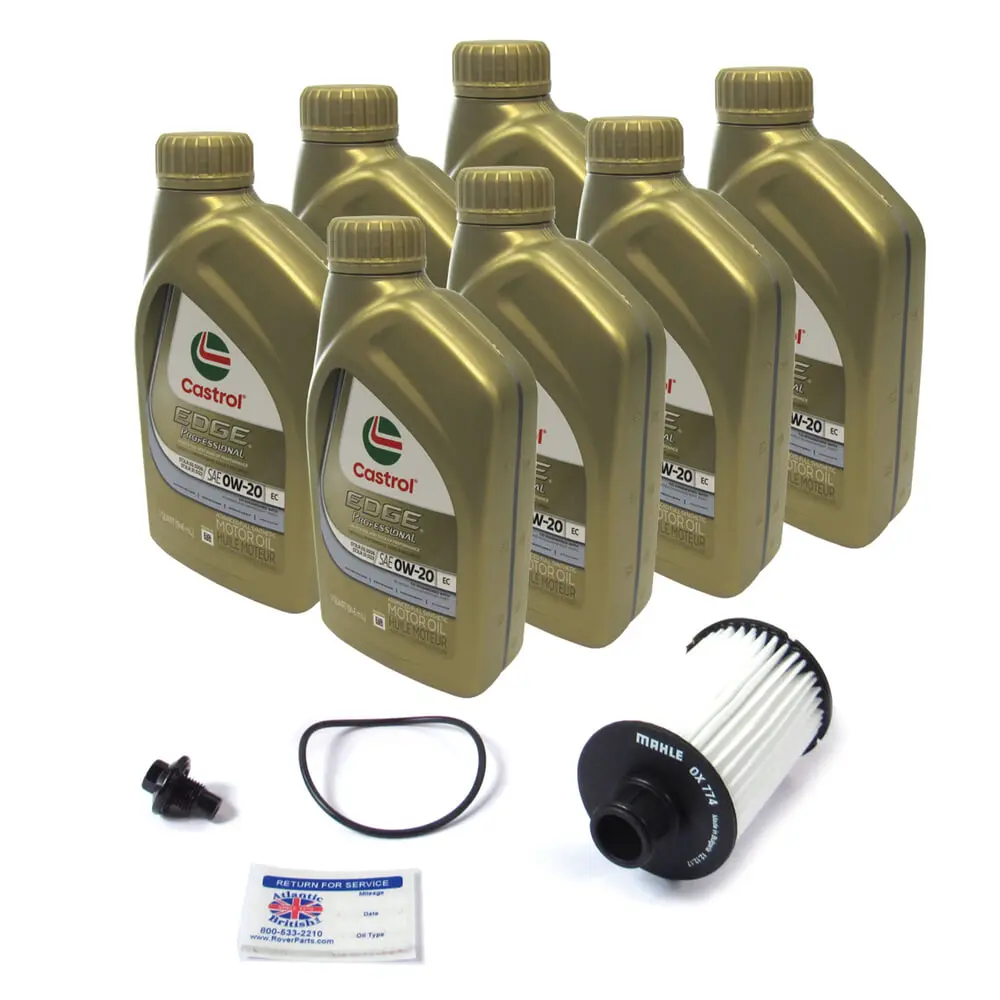
Why the right oil matters for your Range Rover
Choosing the correct oil matters for engine life, performance, and warranty. What type of oil does a Range Rover use? Using the wrong oil can harm turbochargers, sensors, and emissions systems. Modern Range Rovers rely on low-friction, full synthetic oils to meet tight tolerances and boost fuel economy. I’ve seen engines run cleaner and quieter after switching to the correct synthetic oil specified by the maker.

49% off Today's Exclusive Deals
Limited-time Exclusive Deals. Check current discount on Amazon.
Check Price on Amazon As an Amazon Associate I earn from qualifying purchases.Types of oil Range Rovers commonly use
What type of oil does a Range Rover use? The short answer is full synthetic oil that meets the manufacturer’s viscosity and specs. Below are common viscosity ranges and where they apply.
- 0W-20
- Often used in newer small-displacement petrol engines for fuel economy.
- Good in very cold climates for fast cold starts.
- 0W-30 and 0W-40
- Used in many modern petrol and diesel engines for balanced protection.
- Suits wide temperature ranges.
- 5W-30
- Common for many diesel and petrol variants.
- Good all-round protection in moderate climates.
- 5W-40 and 10W-40
- Often recommended for older V8 engines and performance models.
- Better for high-temperature stability and heavy loads.
What type of oil does a Range Rover use? It depends on the engine family. Ingenium four-cylinders often prefer lower-viscosity oils like 0W-20 or 0W-30. V6 and V8 engines often use 5W-30 or 5W-40. Diesel models may need diesel-rated, low-SAPS synthetic oils.
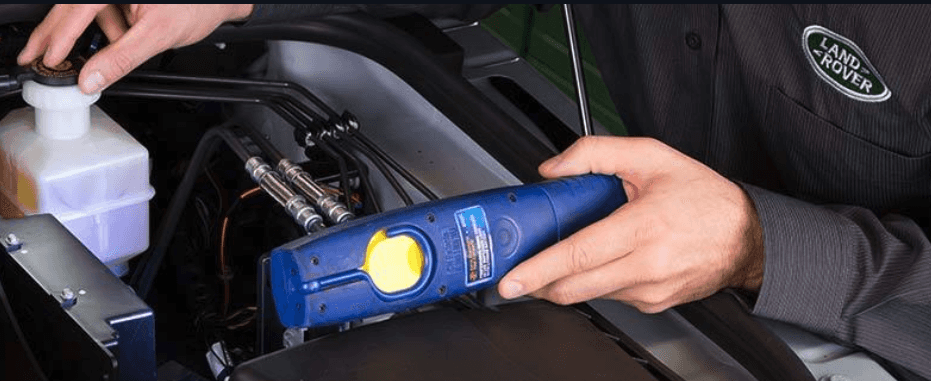
Common requirement across models is fully synthetic oil. Also check for manufacturer-approved specifications and approvals before buying oil. Picking the right oil protects turbos, timing chains, and emission systems.
49% off Today's Exclusive Deals
Limited-time Exclusive Deals. Check current discount on Amazon.
Check Price on Amazon As an Amazon Associate I earn from qualifying purchases.How to choose the correct oil for your model
What type of oil does a Range Rover use? Start with these steps.
- Check the owner’s manual
- The manual lists the exact viscosity and any required approvals.
- Look under the oil cap or sticker
- Many models list the recommended viscosity there.
- Consider your climate
- Use 0W-series oils in cold climates for faster oil flow at start-up.
- Use higher hot-viscosity oils in very hot climates or towing conditions.
- Match manufacturer specs
- Use oils that meet Land Rover or Jaguar Land Rover approvals where listed.
- Choose full synthetic
- Synthetic oil gives better protection, longer life, and stable viscosity.
From my experience, skipping the manual and guessing viscosity causes issues. I once saw premature wear from using a thicker oil in a cold region. Always match the spec first, viscosity second.

Oil change intervals, capacity, and practical tips
What type of oil does a Range Rover use? Along with type, interval and volume matter.
- Typical change interval
- Many modern Range Rovers can go 7,500 to 10,000 miles or 12 months.
- For severe use, short trips, or towing, change every 5,000 miles or 6 months.
- Oil capacity (approximate)
- 2.0L 4-cylinder: about 4.5 to 5.5 liters.
- 3.0L V6: about 6.5 to 7.5 liters.
- 5.0L V8: about 8 to 9 liters.
- Always check your owner’s manual for exact capacity and fill level.
- Filter and drain
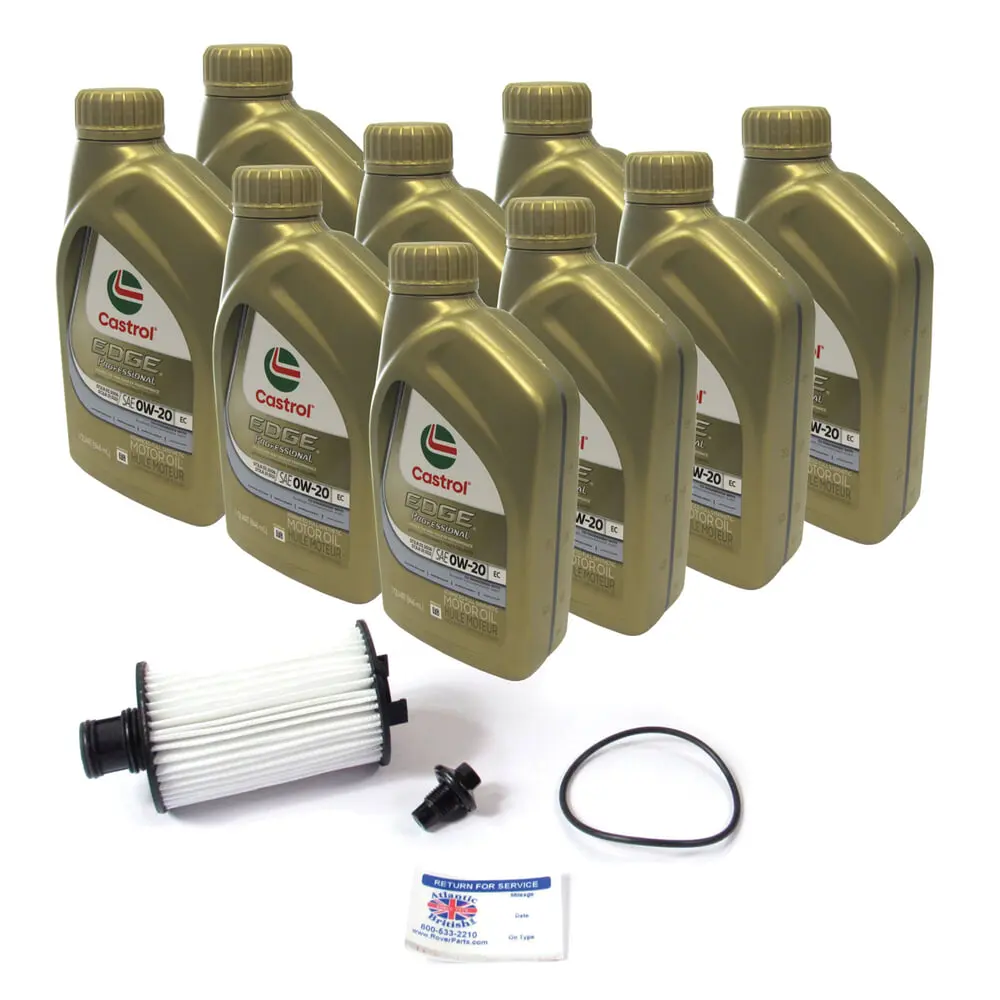
- Always replace the oil filter when changing oil.
- Use the correct torque on the drain plug and filter cap.
- Tools and checklist
- New filter, correct oil, torque wrench, funnel, drain pan, and gloves.
- Warm the engine slightly for faster drainage, but avoid hot burns.
Personal tip: I keep a spreadsheet for each vehicle I service. I log oil type, brand, mileage, and date. It prevents missing service windows and it helps spot trends like oil consumption.
Common mistakes and how to avoid them
What type of oil does a Range Rover use? Avoid these common errors.
- Using conventional instead of full synthetic
- Conventional oil breaks down faster and can void warranties.
- Ignoring manufacturer approvals
- Low-quality oil may not meet JLR specs and can harm emissions gear.
- Wrong viscosity for climate
- Thick oil at cold starts causes poor lubrication and wear.
- Skipping the filter change
- Old filters trap contaminants and reduce protection.
- Overfilling or underfilling
- Both can cause pressure problems and leaks.
From hands-on work, the worst mistake is mixing very different oils. If you must top up, match viscosity and spec. Plan a full oil change soon after any emergency top-up.

Frequently Asked Questions of What type of oil does a Range Rover use?
What type of oil does a Range Rover use for winter driving?
Most Range Rovers use full synthetic oil. In winter, a 0W-series synthetic (like 0W-20 or 0W-30) helps with cold starts and fast oil flow.
Can I use 5W-30 in my Range Rover?
You can use 5W-30 if the owner’s manual lists it for your engine. Always confirm the JLR-approved spec before switching.
How often should I change oil in a Range Rover?
Factory guidance is usually 7,500 to 10,000 miles or 12 months for normal use. Change sooner for severe driving or heavy towing.
Does a Range Rover need a special oil filter?
Use a filter that meets OEM specifications or high-quality aftermarket filters. The right filter helps protect turbochargers and injector pumps.
Will using the wrong oil void my warranty?
Using oil that does not meet manufacturer specs can risk warranty claims. Always use approved oils and keep service records.
Conclusion
Choosing the right oil keeps your Range Rover running smoothly and protects expensive engine parts. Remember that the short answer to what type of oil does a Range Rover use? is full synthetic oil with the viscosity and vendor-approved spec chosen per your engine and climate. Check the owner’s manual, use manufacturer-approved oils, change the filter every time, and follow proper service intervals. Take action today: review your owner’s manual, note the correct oil, and log your next oil change. If you found this useful, subscribe, leave a comment, or share your own Range Rover oil experience.