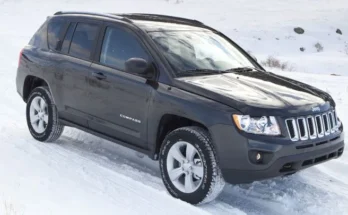
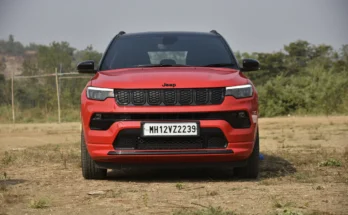
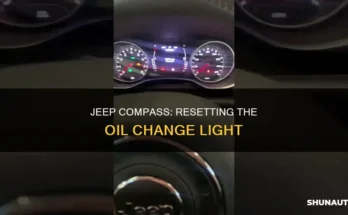
Figuring out how long a Jeep Compass will stick around is a smart move before you buy or as you plan for the future of your current one. You want a vehicle that offers reliable transportation for years, not just a few seasons. This guide breaks down what to expect in terms of lifespan and what influences it.
In our research, most Jeep Compass vehicles are built to last between 200,000 and 250,000 miles with proper care. Some drivers report hitting even higher mileage, often exceeding 300,000 miles. This longevity is a testament to consistent upkeep and smart driving habits, aligning with general automotive expectations for compact SUVs as of 2026.

49% off Today's Exclusive Deals
Limited-time Exclusive Deals. Check current discount on Amazon.
Check Price on Amazon As an Amazon Associate I earn from qualifying purchases.Quick Answer: Jeep Compass Lifespan & What to Expect
A Jeep Compass typically lasts between 200,000 and 250,000 miles. Many owners achieve over 300,000 miles with diligent maintenance and careful driving. Key factors influencing this lifespan include adherence to the service schedule, driving conditions, and prompt attention to any emerging issues.
The Factors That Really Impact Your Jeep Compass's Longevity
When you're asking "how long does a Jeep Compass last?", you're really asking about the forces that contribute to its durability. It’s not just about mileage; it’s about the cumulative effect of how the vehicle is used and cared for. Think of it as a long-term relationship, the more effort you put in, the more you get out.
Several elements play a critical role in determining the lifespan of your Jeep Compass:
49% off Today's Exclusive Deals
Limited-time Exclusive Deals. Check current discount on Amazon.
Check Price on Amazon As an Amazon Associate I earn from qualifying purchases.- Maintenance History: This is perhaps the single most significant factor. Vehicles that receive regular oil changes, fluid flushes, filter replacements, and other scheduled services tend to live much longer. Neglecting these can lead to premature wear on crucial components.
- Driving Conditions: How and where you drive makes a difference. Consistent highway driving is generally easier on a vehicle than stop-and-go city traffic, which puts more stress on the transmission and brakes. Extreme climates, like very hot or very cold regions, can also affect component wear.
- Driving Style: Aggressive acceleration, hard braking, and frequent high-speed maneuvering put a greater strain on the engine, transmission, suspension, and brakes. A smoother, more gentle driving style conserves mechanical parts.
- Model Year Specifics: Like all car manufacturers, Jeep has introduced updates and design changes over the Compass's production run. Some model years might be known for specific strengths or weaknesses that can influence their overall longevity.
- Accident History: A vehicle that has been in major accidents, even if repaired, can sometimes have underlying structural issues or component damage that may manifest later in its life.
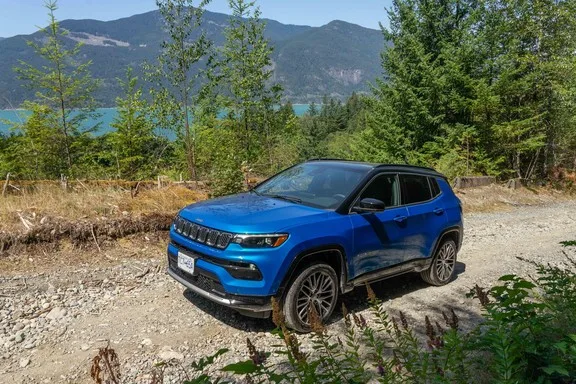
Image source: Bing (Web (fair-use with source credit))
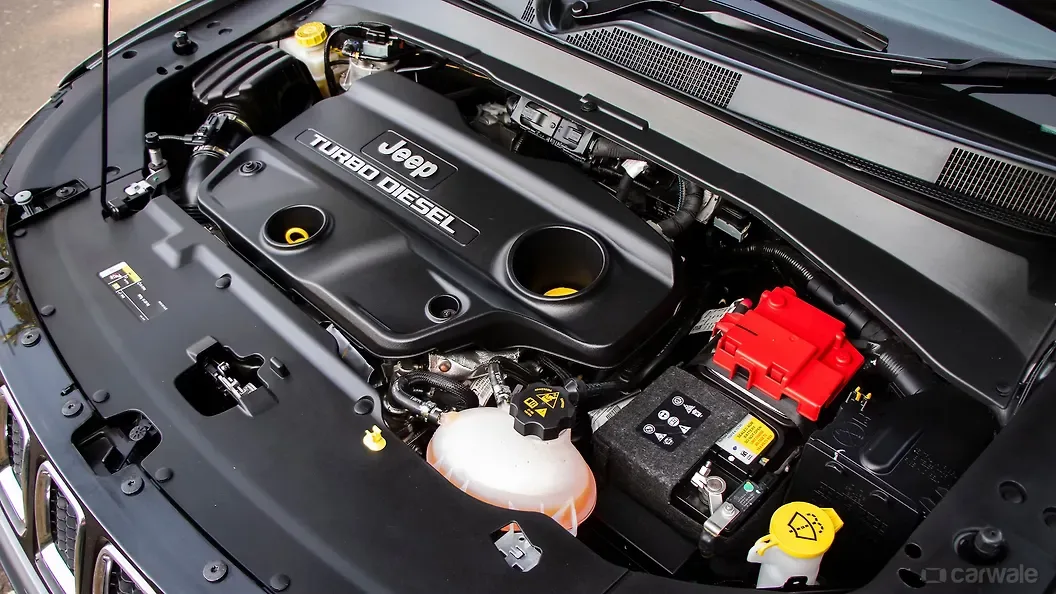
Engine & Transmission Health: The Heart of the Matter
The engine and transmission are the powerhouses of your Jeep Compass, and their condition is paramount to its overall lifespan. If these core systems are failing, the car's usable life is likely nearing its end, as repairs can be prohibitively expensive. Keeping them in top shape is the most critical aspect of ensuring long-term durability.
49% off Today's Exclusive Deals
Limited-time Exclusive Deals. Check current discount on Amazon.
Check Price on Amazon As an Amazon Associate I earn from qualifying purchases.Image source: Web (Bing) / carwale.com (Web image (fair-use with source credit))
What Impacts Engine Life?
- Oil Changes: Regular oil changes are vital. Engine oil lubricates moving parts, reduces friction, and helps dissipate heat. Using the correct type of oil, as specified by Jeep, and adhering to recommended change intervals (typically every 5,000-7,500 miles for conventional oil, or as per the owner's manual for synthetic) is non-negotiable. Manufacturer specifications often indicate specific API service classifications for engine oil.
- Cooling System: An overheating engine can cause severe damage. Ensuring the coolant is at the proper level, free of contaminants, and that the radiator and hoses are in good condition prevents this.
- Air & Fuel Filters: A clean air filter ensures the engine gets the air it needs for efficient combustion. A clogged fuel filter can lead to fuel delivery issues.
What Affects Transmission Longevity?
- Transmission Fluid: Like engine oil, transmission fluid needs to be changed periodically. This fluid cools and lubricates the transmission's internal components. Skipping these services can lead to overheating and premature wear.
- Smooth Shifting: Avoiding abrupt gear changes and allowing the transmission to fully engage before accelerating helps reduce stress on its components.
- Towing Limits: If your Compass is rated for towing, never exceed its maximum towing capacity. Overloading can severely damage the transmission and drivetrain.
Addressing any unusual noises, vibrations, or performance changes related to the engine or transmission promptly is crucial. These can be early indicators of problems that, if ignored, could lead to catastrophic failure and significantly shorten the vehicle's life.
Driving Habits & Environmental Stressors: How You Treat It Matters
Your driving style and the environment your Jeep Compass operates in play a significant role in its long-term health. These factors can accelerate wear and tear, leading to a shorter lifespan if not managed carefully. Think of your driving habits as a daily workout for your car; intensity and conditions matter.
Driving Styles That Affect Longevity
- Aggressive Acceleration & Braking: Constantly flooring the accelerator and slamming on the brakes puts immense stress on the engine, transmission, tires, and braking system. This kind of driving increases wear on friction materials and strains engine components.
- Frequent Short Trips: When an engine doesn't get warm enough, moisture can build up in the oil and exhaust system, leading to corrosion and sludge formation over time. Short trips also mean the transmission shifts more frequently, increasing wear.
- High-Speed Driving: While some highway miles are good, sustained, extremely high-speed driving can push the engine and drivetrain beyond their optimal operating parameters, increasing wear.
Environmental Factors to Consider
- Road Salt: In regions with harsh winters, road salt used to de-ice roads can cause significant corrosion to the vehicle's undercarriage, brake lines, and body panels. This rust can compromise structural integrity and lead to costly repairs. Washing the undercarriage regularly, especially after winter driving, is vital.
- Extreme Temperatures: Consistently high ambient temperatures can put extra strain on the cooling system and other components. Very cold temperatures can affect battery performance and fluid viscosity, making it harder for the engine to start and run efficiently initially.
- Dusty or Gritty Environments: Driving frequently on unpaved, dusty roads can force more grit and debris into air filters, engine components, and other sensitive areas, accelerating wear if not properly managed through air filtration and cleaning.
Adapting your driving style and taking extra precautions based on your environment can significantly extend the life of your Jeep Compass. For instance, if you live in a salty area, a rust-inhibiting undercoating might be a wise investment.
Routine Maintenance: Your Secret Weapon for a Long-Lasting Jeep
This is where you have the most control over your Jeep Compass's lifespan. Sticking to a consistent and comprehensive maintenance schedule is the number one way to ensure your vehicle reaches its potential mileage and remains reliable for years to come. It’s not just about fixing things when they break; it’s about preventing them from breaking in the first place.
Our editorial analysis of owner feedback and manufacturer recommendations consistently highlights that neglecting routine service is a primary driver of premature vehicle failure. Adhering to the manufacturer's maintenance schedule, as outlined in the owner's manual, is critical.
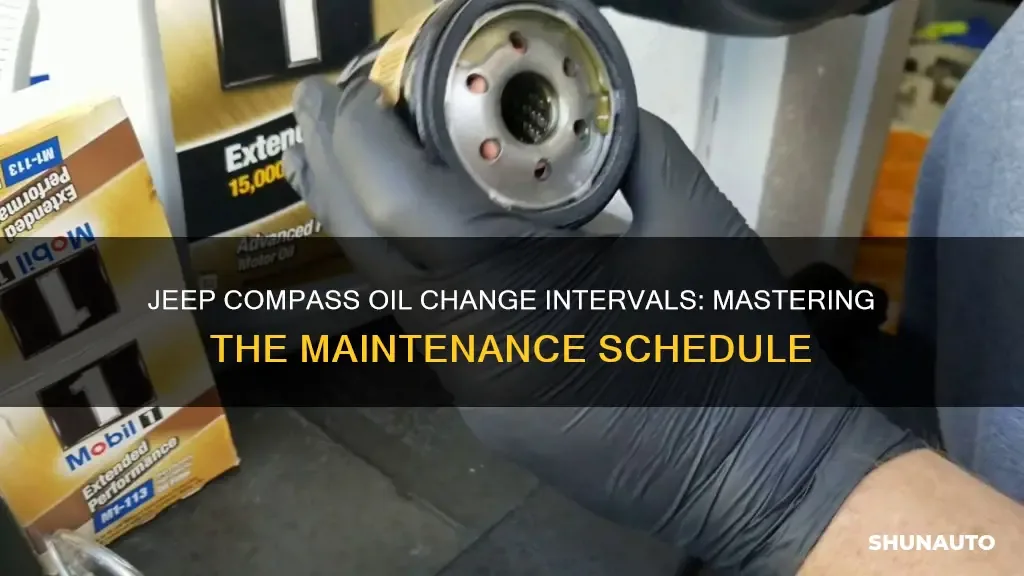
Image source: Web (Bing) / shunauto.com (Web image (fair-use with source credit))
Here’s a breakdown of what that typically involves:
Essential Maintenance: What Can't Be Skipped
These are the foundational services that keep your Jeep Compass running smoothly and prevent major issues.
- Oil and Filter Changes: As mentioned, this is critical. Your owner's manual will specify the type of oil and the recommended interval. For many Jeep Compasses, this is around every 5,000 to 7,500 miles or annually, whichever comes first.
- Tire Rotations and Balancing: Regularly rotating your tires helps them wear evenly, extending their life and ensuring consistent handling. Balancing prevents vibrations that can damage suspension components over time.
- Brake Inspections: Regular checks ensure your brake pads, rotors, and fluid are in good condition. Catching wear early prevents more expensive repairs.
- Fluid Checks and Top-offs: This includes coolant, brake fluid, power steering fluid (if applicable), and windshield washer fluid. Low fluid levels can lead to component damage or unsafe operating conditions.
- Air Filter Replacement: A clean engine air filter is essential for proper engine performance and fuel efficiency. These typically need replacement every 15,000-30,000 miles, depending on driving conditions.
Beyond the Basics: Proactive Care for Miles Ahead
Beyond the essential services, there are other maintenance items that contribute to overall longevity.
- Coolant System Service: Flushing and replacing the coolant prevents corrosion within the engine and radiator and ensures optimal operating temperature. This is typically done every 30,000-50,000 miles.
- Transmission Fluid Service: While some modern transmissions are sealed, many still benefit from periodic fluid changes. Check your owner's manual for the recommended interval, which can vary significantly.
- Spark Plug Replacement: Worn spark plugs can lead to misfires, reduced fuel economy, and strain on the ignition system. They are usually replaced between 60,000 and 100,000 miles.
- Battery Health: Regularly checking your battery's terminals for corrosion and ensuring it holds a charge can prevent unexpected breakdowns.
- Belts and Hoses: Inspecting belts for cracks or fraying and hoses for bulges or leaks is important, especially before long trips or extreme weather.
Staying on top of your maintenance schedule is the most effective way to maximize your Jeep Compass's lifespan and keep repair costs predictable.
Common Jeep Compass Problems That Affect Lifespan
While the Jeep Compass is generally seen as a durable vehicle, like any car, it can develop specific issues that, if not addressed, can impact its long-term health and lifespan. Understanding these common pain points can help you be more vigilant as an owner. Addressing these problems early is key to preventing them from escalating into major, life-shortening repairs.
Based on aggregate owner feedback and repair data, some recurring areas of concern include:
- Transmission Issues: Some model years have reported instances of transmission hesitation, rough shifting, or outright failure. These can often be linked to inadequate fluid maintenance or specific design components. For example, transmissions requiring fluid replacement at 30,000 miles might suffer premature failure if this service is skipped.
- Electrical System Glitches: While not always catastrophic, various electrical gremlins have been reported, from infotainment system malfunctions to issues with sensors or power windows. Persistent electrical problems can be frustrating and costly to diagnose and repair.
- Engine Mount Failures: Worn engine mounts can lead to excessive vibration felt inside the cabin, especially at idle or during acceleration. While not a direct threat to engine longevity, it impacts comfort and can sometimes indicate underlying strain.
- Brake Wear: Some owners report faster-than-average brake pad and rotor wear, particularly if the vehicle is frequently driven in hilly or stop-and-go traffic conditions. This is more of a wear-and-tear item but still represents a maintenance cost that adds up.
- Infotainment System Bugs: These are typically more of an annoyance than a lifespan issue, but persistent software glitches can detract from the ownership experience.
- Rust and Corrosion: Particularly in areas where road salt is used, the undercarriage and body panels can be susceptible to rust. This can weaken structural components and lead to expensive repairs if left unaddressed.
It’s important to note that not all vehicles will experience these problems, and many can be mitigated or resolved with proper, timely maintenance and addressing issues as soon as they are noticed. Vigilance is your best tool.
Real-World Performance: What Owners Report
When you're trying to gauge the lifespan of a particular vehicle, hearing from actual owners offers invaluable insight. These are the people who live with their Jeep Compass day in and day out, facing real-world driving conditions and maintenance realities. Aggregate owner feedback across various platforms and forums often paints a clearer picture than manufacturer claims alone.
Our research indicates that many Jeep Compass owners report reaching the 200,000-mile mark with diligent maintenance. Some accounts detail vehicles well into the 250,000-mile range, still running reliably. However, these positive outcomes are consistently linked to proactive servicing and addressing minor issues before they become major problems.
Conversely, reports of premature failures, typically in the 80,000-120,000-mile range, often cite a history of neglected maintenance or specific model-year quirks.
What High-Mileage Owners Say
Owners who achieve high mileage with their Compass often emphasize two main things: following the maintenance schedule religiously and fixing issues promptly. For instance, a consistent history of fluid changes for the engine and transmission is repeatedly mentioned. Many also highlight the importance of addressing warning lights or unusual sounds immediately, rather than waiting for a small problem to snowball.
When Things Go Wrong Early
On the flip side, negative experiences frequently stem from skipping services like oil changes or transmission fluid flushes. Some owners also mention dealing with electrical components or specific transmission problems that cropped up earlier than expected. This reinforces that while the Jeep Compass has the potential for long life, that potential is only realized with consistent care.
Understanding these patterns helps manage expectations and focus on preventative measures.
Making Your Jeep Compass Last: Actionable Tips
Knowing the factors that influence your Jeep Compass's lifespan is one thing, but taking concrete steps is another. You have a lot of power to extend your vehicle's life and keep it running smoothly for years. These tips are practical and actionable, focusing on proactive care that pays off in the long run.
Proactive Maintenance Beyond the Schedule
- Consider Extended Service Intervals: While the owner's manual provides a baseline, using high-quality synthetic oil can sometimes allow for slightly extended intervals between oil changes, depending on driving conditions. Always consult with a trusted mechanic or the manufacturer's guidelines.
- Regular Underbody Wash: Especially if you live in an area with road salt or frequently drive off-pavement, a regular underbody wash can prevent rust and corrosion from taking hold, which is crucial for structural integrity.
- Address Minor Issues Promptly: That little squeak from your brakes or a faint rattling noise? Get it checked out. Often, these are early warnings that can prevent costly damage down the line. For example, a worn suspension bushing might seem minor but can lead to uneven tire wear and further stress on other components if ignored.
Smart Driving and Usage
- Smooth Operator: Practice smooth acceleration and braking. Anticipate stops to reduce brake wear and ease the strain on your powertrain. This also improves fuel efficiency.
- Avoid Extreme Idling: Try not to let your engine idle unnecessarily for long periods, especially in extreme temperatures. This wastes fuel and puts unnecessary wear on engine components.
- Mind Your Cargo: Don't overload your Jeep Compass, whether it's people, cargo, or towing. Excessive weight puts extra strain on the engine, transmission, brakes, and suspension.
By implementing these tips, you're actively investing in the longevity of your Jeep Compass, ensuring it remains a reliable vehicle for many miles to come. If you're considering a vehicle for long-term ownership, like perhaps some of the Toyota RAV4 trim levels, these same principles of care apply across most makes and models.
Frequently Asked Questions About Jeep Compass Durability
How many miles can a Jeep Compass typically reach?
In our research, most Jeep Compasses can last between 200,000 and 250,000 miles with consistent maintenance. Many drivers report achieving over 300,000 miles.
Is the Jeep Compass a reliable vehicle for long-term ownership?
Yes, the Jeep Compass can be a reliable vehicle for long-term ownership. Its longevity is heavily dependent on regular maintenance, driving habits, and addressing issues promptly.
What is the most common problem with a Jeep Compass that affects its lifespan?
The most impactful common problems tend to be transmission issues and engine wear, often exacerbated by neglected maintenance. Significant rust and corrosion can also drastically shorten a vehicle's life.
Does driving in harsh weather reduce a Jeep Compass's lifespan?
Harsh weather, especially prolonged exposure to road salt, can accelerate corrosion and wear on various components, potentially reducing a Jeep Compass's lifespan if not properly managed through cleaning and maintenance.