So, your Jeep Compass is running hotter than a pizza oven on a Saturday night? That's definitely a situation that needs attention, and fast. Overheating can quickly escalate from an annoying dashboard light to serious engine damage if it's not addressed.
Manufacturer specifications indicate that the cooling system is designed to maintain engine temperatures within a specific operating range, typically between 195-220°F (90-104°C), depending on the engine. When your Jeep's temperature gauge creeps into the red, it's a clear sign something in that system isn't working as it should. Let's break down the common reasons and what you can do about them.

49% off Today's Exclusive Deals
Limited-time Exclusive Deals. Check current discount on Amazon.
Check Price on Amazon As an Amazon Associate I earn from qualifying purchases.Why Is My Jeep Compass Overheating?
Your Jeep Compass might be overheating due to a coolant issue, a problem with a cooling system component like the thermostat or fan, or potentially a more significant internal engine problem. These can range from simple top-offs to complex repairs.
First Things First: What Exactly Are We Seeing?
Before we start tearing into things, let's clarify what "overheating" looks like for you. Is your temperature gauge consistently sitting way above normal, or does it only spike when you're climbing a steep hill or stuck in bumper-to-bumper traffic? Sometimes, it might even happen right after you've shut the engine off.
These details can give us clues about where to look first. For instance, overheating only at idle often points to a radiator fan issue, while consistent overheating under load might suggest a problem with coolant flow.
49% off Today's Exclusive Deals
Limited-time Exclusive Deals. Check current discount on Amazon.
Check Price on Amazon As an Amazon Associate I earn from qualifying purchases.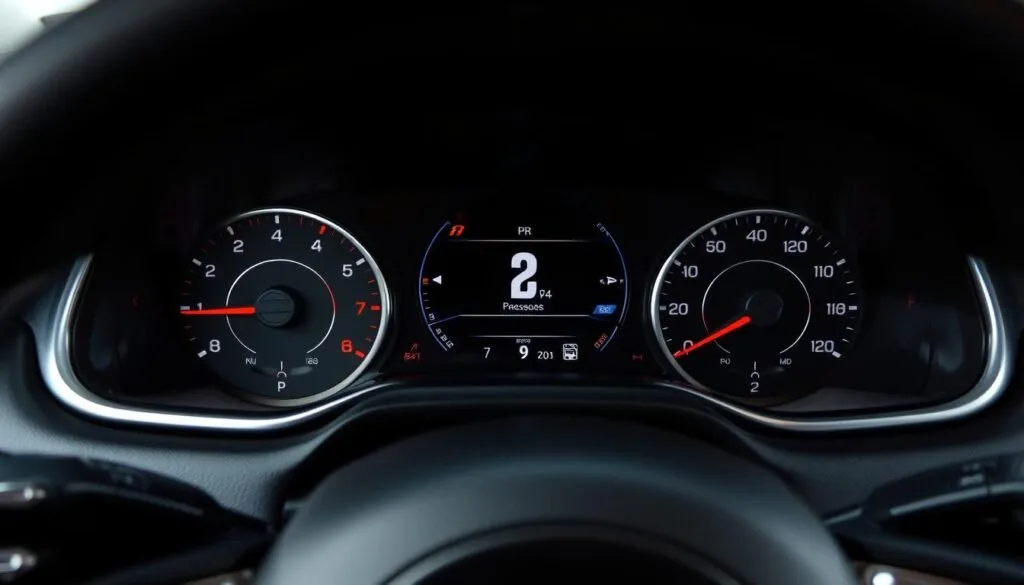
Image source: Web (Bing) / vehiclebright.com (Web image (fair-use with source credit))
The Usual Suspects: Low Coolant & Simple Leaks
The vast majority of overheating issues boil down to the cooling system not having enough coolant, or that coolant not circulating properly. These are often the easiest problems to spot and sometimes the easiest to fix.
Checking Your Coolant Level
Low coolant is the most frequent offender when an engine runs hot. Coolant, a mixture of antifreeze and water, is the lifeblood of your engine's cooling system. It absorbs heat from the engine block and carries it to the radiator to be dissipated.
49% off Today's Exclusive Deals
Limited-time Exclusive Deals. Check current discount on Amazon.
Check Price on Amazon As an Amazon Associate I earn from qualifying purchases.If there isn't enough of it, the engine can't get rid of heat efficiently.
- When to check: Always check your coolant level when the engine is completely cool. This means letting your Jeep sit for several hours after its last drive. Never open a hot radiator cap; the pressurized hot coolant can erupt and cause severe burns.
- Where to find it: Locate the coolant reservoir, typically a translucent plastic tank marked with "Min" and "Max" lines. As of 2026, this design remains standard across most vehicles for easy visual checks.
- What to look for: If the coolant level is below the "Min" line, you've likely found a significant part of your problem.
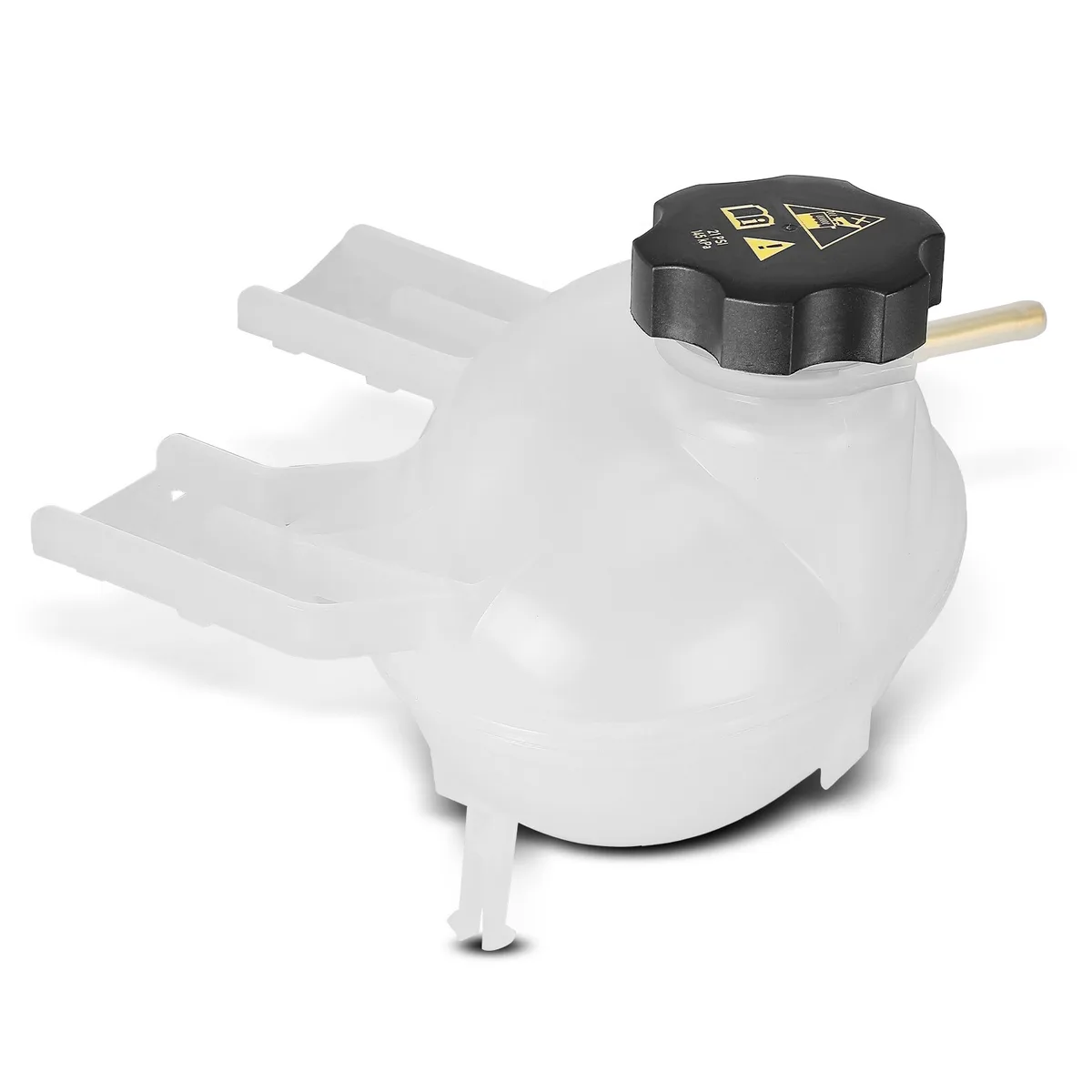
Image source: Web (Bing) / ebay.com (Web image (fair-use with source credit))
Spotting the Leaks
If your coolant level is consistently dropping, there's a leak somewhere in the system. Even a small, slow leak can eventually lead to overheating. You might see puddles under your Jeep after it's been parked, or notice colorful, dried residue on engine components.
Common leak spots include:
- Hoses: Look for cracks, swelling, or a mushy feel.
- Radiator: Check for corrosion, cracks, or damage to the fins.
- Water Pump: Leaks often appear around the pump's pulley shaft.
- Thermostat Housing: This is a common place for gaskets to fail.
If you suspect a leak, it's crucial to have it diagnosed and repaired by a professional to prevent further coolant loss and protect your engine.
Digging Deeper: When the Simple Stuff Isn't Enough
If your coolant level is spot on and you're not seeing any obvious puddles or residue, the problem might lie with a component that's supposed to be moving that coolant around or helping it cool down.
Is the Thermostat Sticking?
The thermostat is a small valve that controls coolant flow. When your engine is cold, it stays closed to help the engine warm up faster. Once it reaches its operating temperature, it opens to allow coolant to flow through the radiator for cooling.
If this valve gets stuck in the closed position, the coolant can't circulate to the radiator, leading to rapid overheating.
- Signs: You might notice your engine warming up very slowly, or it might overheat quickly, especially once it's moving. Temperature fluctuations can also be a symptom.
- Action: A faulty thermostat usually needs to be replaced. This is a repair that many DIYers can handle, but if you're not comfortable, a mechanic can swap it out.
Is the Radiator Fan Doing Its Job?
The radiator fan plays a critical role, especially when your Jeep is moving slowly or stopped. It pulls air through the radiator's fins, helping to cool the circulating coolant. If this fan isn't spinning, the coolant won't be cooled effectively, leading to overheating in traffic or at low speeds.
- How to check: With the engine running and at normal operating temperature (but not yet in the red), listen for the fan to engage. You should hear it spin up or see it moving air. Manufacturer diagnostics often check fan operation at specific temperature thresholds.
- Potential issues: The fan motor itself could have failed, or there might be a problem with its fuse, relay, or wiring.
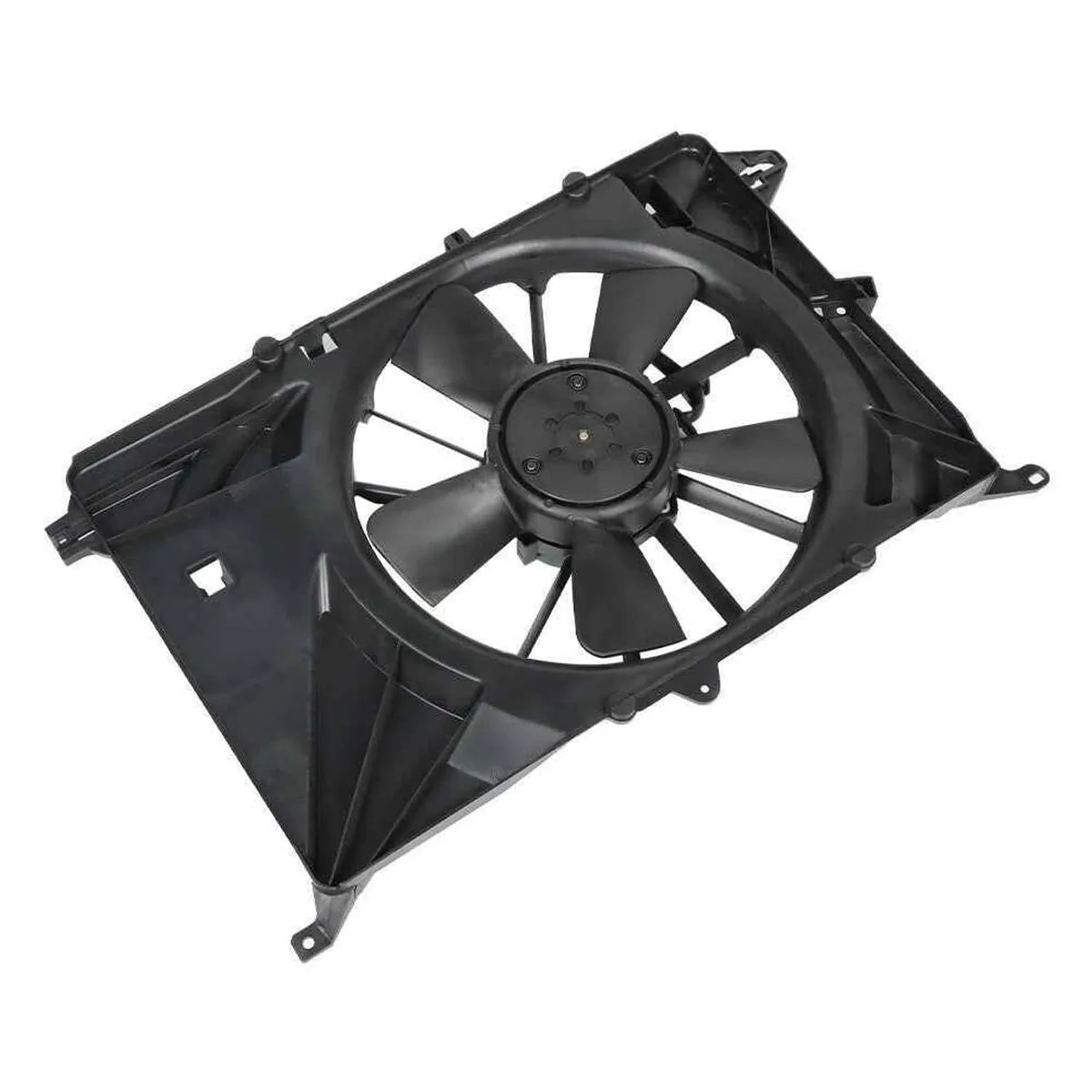
Image source: Web (Bing) / duraforce.com (Web image (fair-use with source credit))
- Action: Diagnosing and repairing fan issues typically requires a mechanic to check electrical components and the fan motor itself.
Could the Radiator Be Clogged?
Over time, sediment, rust, and debris can accumulate inside the radiator's narrow passages. This buildup restricts coolant flow and reduces the radiator's ability to dissipate heat. A severely clogged radiator can cause your engine to overheat, particularly under load or in warmer weather.
- Symptoms: You might observe uneven temperatures across the radiator surface (some spots will be significantly cooler than others if the flow is blocked). Your Jeep may also take longer to cool down after being shut off.
- Action: A professional cooling system flush might help clear minor blockages. However, if the blockage is severe, the radiator may need to be replaced entirely.
The More Serious Possibilities: When It's Not So Simple
If you've checked the coolant level, looked for leaks, and confirmed your thermostat and radiator fan are working, but your Jeep Compass still overheats, we need to consider more complex issues. These can involve components that are harder to access or more critical to the engine's internal function.
Water Pump Failure Signs
The water pump is the heart of your cooling system. It's responsible for physically circulating the coolant from the radiator, through the engine block, and back again. If the pump's impeller is damaged, corroded, or the pump bearing fails, it won't be able to move the coolant effectively.
This will lead to your engine overheating, often quite rapidly.
- Auditory Clues: You might hear a whining, grinding, or squealing noise coming from the front of the engine, near where the belts are. This often indicates a failing water pump bearing.
- Visual Clues: Look for coolant leaks specifically around the water pump pulley. Sometimes, you'll see a weeping hole on the pump designed to signal when the internal seal is failing.
- Performance Impact: Beyond overheating, a failing water pump can sometimes lead to a loss of power or an inconsistent engine temperature.
- Action: A water pump replacement is a significant repair. It involves draining the cooling system, removing drive belts, and often disassembling other components to access the pump. This is typically a job for a professional mechanic, as incorrect installation can lead to new problems.
Understanding Head Gasket Issues
The head gasket is a critical seal between the engine's cylinder head and the engine block. Its job is to keep combustion gases contained within the cylinders and prevent coolant and oil from mixing. When a head gasket fails, it can lead to a variety of problems, including severe overheating.
- Combustion Gases in Coolant: A blown head gasket can allow hot exhaust gases to leak into the cooling system. This introduces excessive heat and pressure, causing the coolant to boil over and the engine to overheat rapidly.
- Coolant in Combustion Chamber: Conversely, coolant can leak into one or more cylinders. This often results in white, sweet-smelling smoke coming from the exhaust pipe (as the coolant is burned) and can cause misfires or rough running.
- Oil and Coolant Mixing: If the gasket fails between oil and coolant passages, you'll notice a milky, frothy appearance in your engine oil or a similar substance in your coolant reservoir.
- Action: A blown head gasket is one of the most serious engine issues. The repair is complex, labor-intensive, and costly, requiring the engine's cylinder head to be removed. It’s essential to address this immediately, as continued driving can cause catastrophic engine damage. This is a job exclusively for experienced automotive technicians.
What to Do Right Now If It's Overheating
If you notice your Jeep Compass's temperature gauge climbing into the red zone while you're driving, take these immediate steps to prevent damage:
- Pull Over Safely: As soon as you see the needle in the danger zone, find a safe place to pull off the road. Avoid sudden stops if possible; signal and ease over.
- Turn Off the Engine: Once safely stopped, shut off the engine to prevent further heat buildup.
- Turn on the Heater: This might sound counterintuitive, but cranking your cabin heater to its highest setting can help draw some heat away from the engine. It acts as a secondary radiator for a short time.
- DO NOT Open the Radiator Cap: Seriously, do not attempt to open the radiator cap while the engine is hot. The system is under pressure, and escaping steam and coolant can cause severe burns. Wait until the engine has cooled completely, which can take hours.
- Call for Assistance: If you're unsure of the cause, or if the overheating was severe, it's safest to call for roadside assistance or a tow truck. Driving an overheating vehicle can lead to very expensive engine damage.
Common Mistakes to Avoid When Troubleshooting Overheating
When you're trying to figure out why your Jeep Compass is running hot, it's easy to make a misstep that could cause further problems or obscure the real issue. Avoiding these common errors can save you time, money, and hassle.
- Ignoring the Problem: The most common mistake is hoping the overheating will just go away on its own. This is a risky gamble that can turn a minor repair into a major engine overhaul.
- Opening a Hot Radiator Cap: As mentioned, this is extremely dangerous due to pressurized hot coolant. Always wait for the engine to cool down completely.
- Using the Wrong Coolant: Not all coolants are the same. Using an incorrect type can lead to corrosion or reduced cooling efficiency. Always check your owner's manual for the specified type. Per industry standards, using the correct coolant is vital for long-term system health.
- Adding Plain Water: While water can help in a pinch to get you to safety, it's not a long-term solution. Plain water doesn't have the same boiling or freezing protection as antifreeze and can lead to corrosion. A 50/50 mix of antifreeze and distilled water is standard.
- Overfilling the Coolant Reservoir: While you need sufficient coolant, overfilling can cause pressure issues and potentially push coolant out of the system when it heats up. Stick to the "Max" line.
- Ignoring Small Leaks: A tiny drip today can become a gushing leak tomorrow, especially under pressure. Address any coolant leaks promptly, no matter how small they seem.
When to Call a Mechanic for Your Jeep Compass
While some cooling system issues are manageable for a DIYer, others require specialized knowledge, tools, and experience. If you encounter any of the following, it's time to bring your Jeep Compass to a trusted professional mechanic:
- Persistent Overheating After Basic Checks: If you've topped off coolant, checked for obvious leaks, and the overheating continues, the problem is likely more complex.
- Suspected Internal Engine Problems: Signs of a blown head gasket (white exhaust smoke, milky oil, rough running) are serious indicators that require expert diagnosis and repair.
- Electrical Fan Malfunctions: Diagnosing fan issues might involve electrical testing, checking relays and fuses, or confirming the fan motor itself is bad. This can be tricky without the right equipment.
- Water Pump or Radiator Replacement: These repairs often require specialized tools to remove components safely and correctly reassemble the cooling system. For example, replacing a water pump on many vehicles requires specific tensioner tools and torque specifications.
- You Lack the Necessary Tools or Confidence: If you don't have the right tools, aren't comfortable working on critical engine systems, or simply don't have the time, it's always best to let a professional handle it. The risk of causing further damage usually outweighs the cost savings.
- The Vehicle is Under Warranty: If your Jeep Compass is still under its manufacturer warranty, certain repairs must be performed by an authorized dealer to maintain coverage. This is a key consideration if you're facing major repairs.
What Type of Coolant Does Your Jeep Compass Need?
Using the correct type of coolant is absolutely essential for the longevity and performance of your Jeep Compass's cooling system. The wrong coolant can cause corrosion, clog passages, and reduce the system's efficiency, leading to, you guessed it, overheating. Jeep, like many manufacturers, specifies a particular type of antifreeze/coolant for their vehicles.
- Manufacturer Recommendation: For most Jeep Compass models, particularly those from the late 2000s onwards, the recommended coolant is a North American blend, often a HOAT (Hybrid Organic Acid Technology) type. It typically has an orange or pink color. Always consult your owner's manual for the exact specification; sometimes it's listed as Mopar OAT (Organic Acid Technology) or equivalent.
- Why It Matters: These specific formulations are designed to protect the various metals found in your cooling system (aluminum, cast iron, steel, copper, brass) from corrosion. They also contain additives that prevent cavitation and improve heat transfer. Using a generic green coolant, for instance, might not offer the same level of protection and could even damage seals or components over time.
- Pre-Mixed vs. Concentrate: Coolant typically comes in two forms: concentrate, which you must mix with distilled water (usually a 50/50 ratio for optimal performance), and pre-mixed, which is already diluted and ready to pour. For most DIYers, the pre-mixed option is less prone to error.
- Action: When topping off or flushing your system, always buy coolant that explicitly states it meets your Jeep Compass's specific requirement. You can find this information in your owner's manual or by checking a reputable automotive parts supplier's compatibility guide. A 50/50 mix offers freeze protection down to approximately -34°F (-37°C) and boil-over protection up to around 265°F (129°C) when the system is pressurized.
Can I Drive My Jeep Compass If It's Slightly Overheating?
Driving a vehicle that is even slightly overheating is a risky proposition. While your Jeep might seem to be functioning normally, the engine temperature is already outside its optimal operating range. This puts increased stress on critical components like the head gasket, water pump, and hoses.
- The Risk: Small increases in engine temperature can accelerate wear on these parts. For example, consistently running at 230°F (110°C) when the normal range is 195-220°F (90-104°C) can degrade seals and gaskets much faster than intended.
- Short Distances Only: If you absolutely must drive a short distance (e.g., to a nearby safe place or mechanic) and the gauge is only slightly above normal, keep the engine RPMs low. Avoid hard acceleration, heavy braking, or climbing hills. Turn the heater on full blast to help dissipate some heat.
- Monitor Constantly: Keep a very close eye on the temperature gauge. If it creeps higher, pull over immediately. It’s far better to call for a tow than to risk causing thousands of dollars in engine damage. In our research of common vehicle failures, unchecked overheating is consistently cited as a leading cause of catastrophic engine failure.
Frequently Asked Questions About Jeep Compass Overheating
Why does my Jeep Compass overheat in stop-and-go traffic but not on the highway?
This usually points to a problem with the radiator fan. The fan pulls air through the radiator when you're moving slowly or stopped, which is crucial for cooling. On the highway, the vehicle's speed provides enough natural airflow.
What is that sweet smell coming from my engine when it overheats?
That distinct sweet smell is often an indication that coolant is leaking and burning off, either externally on hot engine parts or internally within the combustion chambers. This could signal a coolant leak or a more serious issue like a blown head gasket.
How often should I check my coolant level in my Jeep Compass?
It's a good practice to check your coolant level at least once a month, or before any long road trips. Also, check it anytime you notice the temperature gauge creeping higher than normal.
Can a bad radiator cap cause my Jeep Compass to overheat?
Yes, a faulty radiator cap can definitely cause overheating. The cap maintains pressure in the cooling system, which raises the boiling point of the coolant. If the cap can't hold pressure, the coolant can boil at a lower temperature, leading to overheating.