So, you're wondering if your Jeep Compass can handle the winter weather, and specifically, is the Jeep Compass good in snow? It’s a really common question, and the answer isn't a simple yes or no. A lot hinges on what’s under the hood and, even more importantly, what’s on the wheels.
Our research and analysis of aggregate owner feedback suggest that while the Compass has the potential for good snow performance, it's heavily dependent on specific configurations and preparedness. Manufacturer specifications confirm that features like All-Wheel Drive are crucial, and per standards bodies like the Rubber Manufacturers Association (RMA), tire choice is paramount for true winter capability.

49% off Today's Exclusive Deals
Limited-time Exclusive Deals. Check current discount on Amazon.
Check Price on Amazon As an Amazon Associate I earn from qualifying purchases.Is the Jeep Compass Good in Snow?
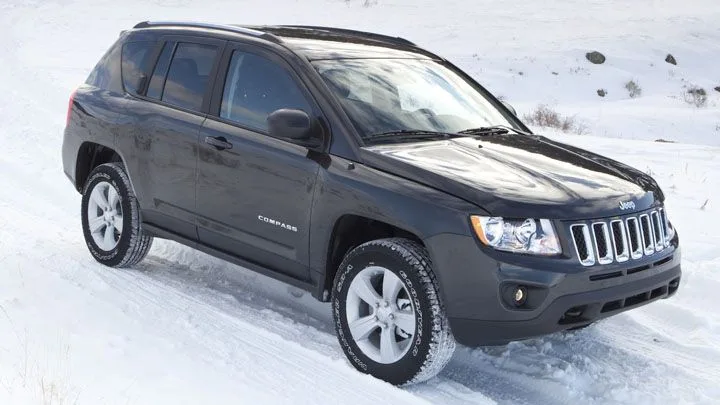
Yes, a Jeep Compass can be good in snow, especially with its available All-Wheel Drive system and proper winter tires. It's designed to handle typical winter conditions for a compact SUV, offering improved traction over two-wheel-drive vehicles. However, it's not a dedicated snow-plowing machine for extreme blizzards.
Understanding Snow Performance: What Matters Most
When we talk about a vehicle's ability to handle snow, we're really discussing its capability to maintain traction and control on slippery surfaces. For any car, especially one like the Jeep Compass, several key factors come into play. It's not just about having a certain engine or a rugged exterior; it's about the specific systems that interact with the road and the driver's actions.
Features That Help Your Compass in Snow
49% off Today's Exclusive Deals
Limited-time Exclusive Deals. Check current discount on Amazon.
Check Price on Amazon As an Amazon Associate I earn from qualifying purchases.The Jeep Compass offers features that significantly boost its winter performance. The most critical is the available All-Wheel Drive (AWD) system. This intelligent system constantly monitors wheel speed and can automatically send power to the wheels that have the most grip.
This is a huge advantage over front-wheel-drive (FWD) or rear-wheel-drive (RWD) vehicles, which can easily lose traction. Some Compass models even include selectable drive modes, such as a dedicated "Snow" mode. This mode adjusts the throttle response and transmission shift points to optimize power delivery for slick conditions, helping to prevent wheel spin and provide smoother acceleration.
Beyond the AWD, the Compass generally boasts decent ground clearance for its class. This attribute is vital when dealing with accumulated snow, as it helps prevent the vehicle's undercarriage from getting hung up on deeper drifts or compacted snow. For a compact SUV, it strikes a good balance between being city-friendly and capable of clearing moderate snow accumulation.
The Crucial Role of Tires in Winter
49% off Today's Exclusive Deals
Limited-time Exclusive Deals. Check current discount on Amazon.
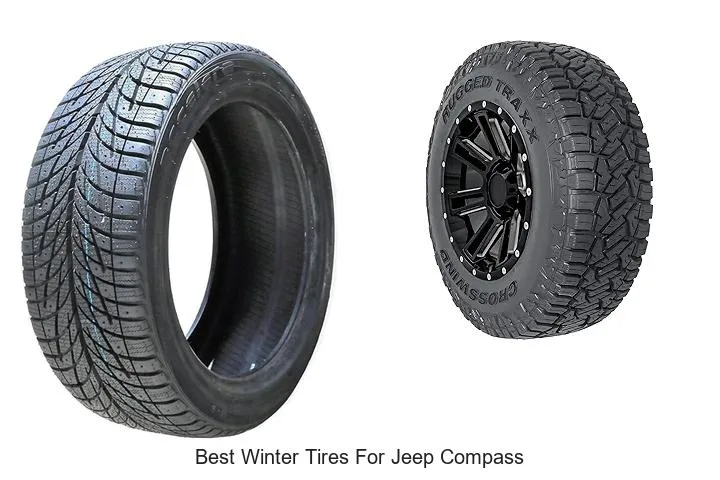
Check Price on Amazon As an Amazon Associate I earn from qualifying purchases.If you've ever driven in snow, you know that tires are everything. Even the most sophisticated AWD system can't overcome poor tires. The standard all-season tires that come on many Jeep Compass models are designed as a compromise, performing acceptably in a range of conditions but excelling in none.
For genuine snow capability, nothing beats dedicated winter tires.
These tires are made from a special rubber compound that stays flexible in cold temperatures, providing better grip on ice and packed snow. Their tread patterns are also designed with deeper grooves and more biting edges, specifically to evacuate snow and water and grip slippery surfaces. Aggressive winter tires, often identifiable by the Three-Peak Mountain Snowflake (3PMSF) symbol, offer a significant improvement in braking, acceleration, and cornering stability compared to all-season tires.
Choosing the right tires can transform your Compass's winter performance, making the difference between confident driving and being stuck.
Is Your Jeep Compass Ready for Snow?
To figure out if your specific Jeep Compass is up to the task of winter driving, it helps to run through a few key questions. It’s less about the model year and more about the equipment and how you plan to use it. Think of this as a quick readiness check before the first snowflake falls.
Step 1: Do You Have All-Wheel Drive?
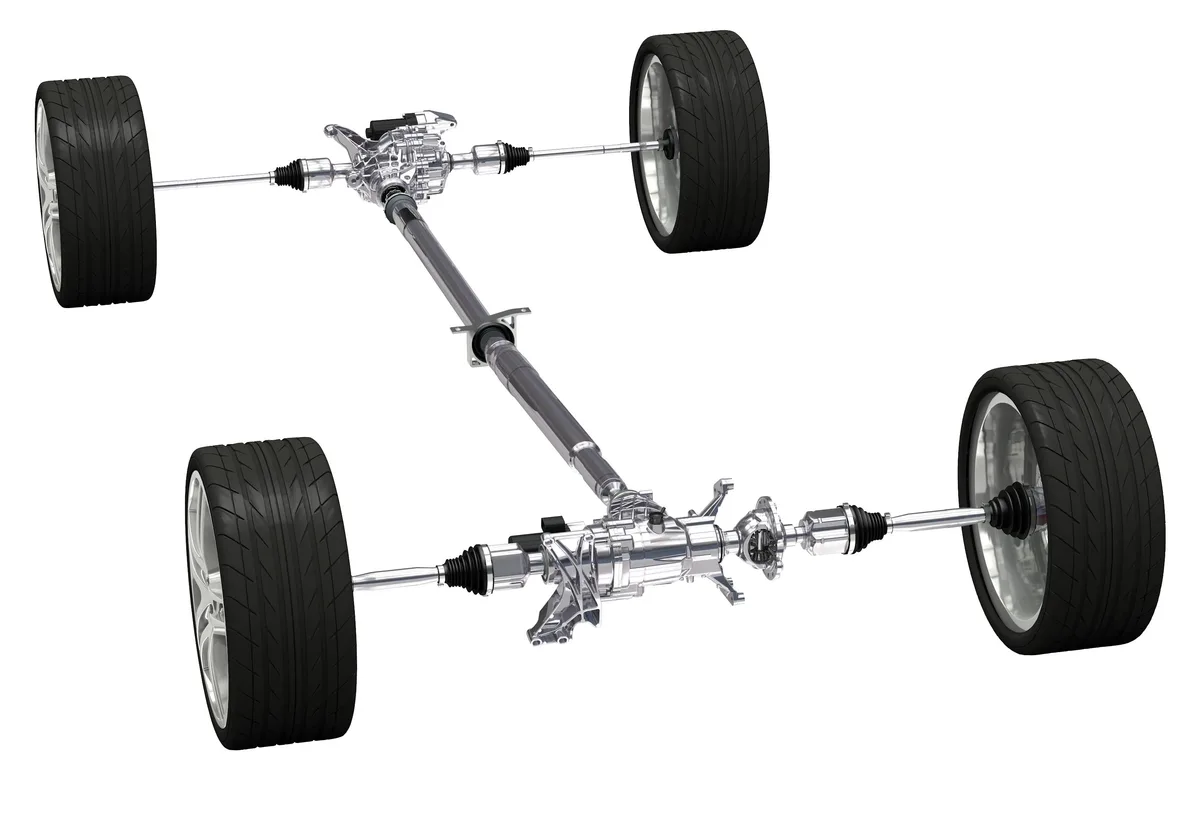
This is the first and perhaps most significant factor. Does your Jeep Compass have an All-Wheel Drive (AWD) system, or is it a front-wheel-drive (FWD) model? AWD is designed to automatically send power to all four wheels when it detects slip, significantly enhancing traction and control on slippery surfaces like snow and ice.
If your Compass is FWD, it will rely almost entirely on its tires and your driving skill to navigate winter roads, making it considerably less capable in challenging snow conditions.
- If YES (AWD): You have a major advantage. Your Compass is equipped with a system that actively helps manage traction.
- If NO (FWD): You'll need to exercise extreme caution. Your vehicle can manage light snow with the right tires, but deep snow or icy conditions will be much more challenging. You'll need to be very deliberate with your acceleration and braking.
Step 2: Evaluating Your Tires
Your tires are the single most important piece of equipment for snow driving, arguably more so than AWD. What kind of tires are currently on your Jeep Compass?
- Dedicated Winter Tires: If you have a set of tires specifically designed for winter use (often marked with the Three-Peak Mountain Snowflake symbol), you're in the best position. These tires provide superior grip, braking, and handling in cold, snowy, and icy conditions.
- Good Quality All-Season Tires (with 3PMSF symbol): These are a decent compromise and offer better performance in light snow than standard all-seasons. However, they still won't match the performance of true winter tires in severe conditions.
- Standard All-Season Tires (without 3PMSF symbol): These tires are designed for a mix of conditions but aren't optimized for significant snow or ice. You'll need to drive very conservatively, as their grip will be limited on slippery surfaces.
- Summer Tires: These are absolutely unsuitable for snow or ice. If your Compass has summer tires installed during winter, you need to swap them immediately before driving in any cold weather.
Step 3: Assessing Snow Depth and Conditions
Consider the typical winter conditions in your area. How deep does the snow usually get, and how often are roads plowed promptly?
- Light Dustings to a Few Inches: Your Jeep Compass, especially with AWD, should handle these conditions with relative ease, provided you have at least decent all-season tires.
- Several Inches to a Foot, Frequently Unplowed: This is where AWD and good ground clearance become critical. Your Compass can likely manage, but you'll need to drive slower and be mindful of drifts. Getting stuck is a possibility if you hit deep accumulations unexpectedly.
- Deep Drifts and Off-Road Snow: For consistently deep snow, especially off-road, the Compass might be pushed to its limits. It's a capable compact SUV, but not built for extreme off-piste snow adventures like some larger or more purpose-built vehicles.
Step 4: Confidence in Your Driving Skills
Even the most capable vehicle requires a skilled driver, especially in winter. How comfortable are you with driving on slippery surfaces?
- Very Confident: If you've practiced gentle inputs for acceleration, braking, and steering, and understand how your vehicle reacts, you'll be able to maximize its capabilities.
- Slightly Nervous or Unsure: It’s wise to practice. Find a safe, empty, snowy parking lot and gently test your vehicle’s braking and acceleration. Learning how the AWD system engages and how the tires grip (or don't) can build crucial confidence. Understanding basic winter driving techniques can make a significant difference.
Common Snow Driving Mistakes with Your Compass
When the snow starts falling, it’s easy to fall into bad habits or make assumptions about your vehicle’s capabilities. Avoiding these common pitfalls can keep you safe and prevent you from getting stuck in your Jeep Compass. Many drivers underestimate how quickly traction can disappear.
What Not to Do When the Snow Falls
- Aggressive Acceleration: Flooring the gas pedal when you're stopped or moving slowly is a surefire way to spin your wheels and lose traction. This is especially true if you have less capable all-season tires. Gentle, steady acceleration is key.
- Sudden Braking: Slamming on the brakes can cause your tires to lock up (even with ABS) and send you into a skid. Instead, brake early and smoothly. If you start to skid, ease off the brake pedal and steer in the direction you want to go.
- Over-Reliance on AWD: While AWD is fantastic, it doesn't make you invincible. It helps you get going and maintain momentum, but it doesn't necessarily improve your ability to stop or turn on ice. You still need to drive with caution.
- Ignoring Tire Condition: Bald or worn tires, even if they are winter tires, offer significantly reduced grip. Always check your tire tread depth before winter hits. For example, per RMA guidelines, tires with less than 4/32nds of an inch of tread depth have drastically reduced snow traction.
- Driving Too Fast: This is the most common mistake. What feels like a safe speed on dry pavement can be incredibly dangerous on snow and ice. Always adjust your speed to match the road conditions and visibility.
Expert Tips for a Better Winter Drive
Making your Jeep Compass a more capable winter vehicle doesn't always require major upgrades. Sometimes, it's about preparation and smart habits. As seasoned drivers and researchers know, a little foresight goes a long way.
Optimizing Your Compass for Snow
- Invest in Winter Tires: As mentioned, this is the single most effective upgrade you can make. Many tire shops offer seasonal tire changeovers and storage, making it convenient to switch between summer/all-season tires and winter tires. Remember that dedicated winter tires usually wear faster in warmer temperatures, so swapping them back in the spring is recommended.
- Check Your Fluids: Ensure your antifreeze is at the correct level and rated for your local winter temperatures. Windshield washer fluid should also be a de-icing formula to keep your view clear.
- Carry an Emergency Kit: A basic kit can be a lifesaver. Include items like a shovel, sand or kitty litter for traction, jumper cables, a flashlight, blankets, and some non-perishable snacks.
- Clear Snow Thoroughly: Before you drive, clear all snow and ice from your windows, mirrors, lights, and roof. Snow falling off your roof can obstruct your vision or that of drivers around you.
- Maintain Momentum (Carefully): If you come to a stop on an incline in snow, it can be hard to get moving again. Try to carry enough momentum to get you over the crest of the hill. However, always do this smoothly and without excessive speed.
- Know Your AWD System: If your Compass has selectable drive modes, read your owner's manual to understand how each mode functions. Using the "Snow" mode, when available, can provide a noticeable improvement in control.
Your Compass in Snow: A Decision Workflow
To figure out if your specific Jeep Compass is ready for winter, it helps to systematically go through a few key checks. This isn't just about having the right model; it's about the specific features and preparations you've made. Let's break it down.
Step 1: Do You Have All-Wheel Drive?
The first major determinant of your Compass's snow capability is whether it's equipped with All-Wheel Drive (AWD) or if it's a Front-Wheel Drive (FWD) model. AWD systems automatically distribute power to all four wheels as needed, providing superior traction on slippery surfaces like snow and ice. FWD vehicles rely solely on their front wheels for power, making them significantly less adept at handling challenging winter conditions.
- If YES (AWD): You've got a strong foundation for winter driving. Your Compass has a system designed to help you maintain grip and control.
- If NO (FWD): You must be extra vigilant. While FWD can manage light snow with the right tires, deep snow or icy patches will require very careful driving, and you'll be more prone to getting stuck.
Step 2: Evaluating Your Tires
Tires are arguably the most critical component for winter performance, even more so than AWD. What tires are currently fitted to your Jeep Compass?
- Dedicated Winter Tires: These are the gold standard for snow. Tires with the Three-Peak Mountain Snowflake (3PMSF) symbol are specifically engineered with rubber compounds that stay pliable in the cold and tread patterns that excel at gripping snow and ice.
- All-Season Tires (with 3PMSF): These offer a compromise, performing better in snow than standard all-seasons but not matching true winter tires. They can be a good option if you experience only occasional light snow.
- Standard All-Season Tires: Without the 3PMSF symbol, these tires are not optimized for winter. Their performance on snow and ice will be limited, demanding very conservative driving.
- Summer Tires: These are completely unsuitable for snow or ice and must be replaced with appropriate winter tires if you drive in cold climates.
Step 3: Assessing Snow Depth and Conditions
Consider the typical winter environment where you'll be driving. How much snow usually accumulates, and how quickly are roads cleared?
- Light Snowfall (a few inches): Your Compass, particularly with AWD and adequate tires, should handle this capably.
- Moderate to Heavy Snowfall (several inches to a foot): This is where AWD and sufficient ground clearance become essential. You'll need to drive slowly and be aware of potential drifts.
- Deep Snow and Off-Road: For very deep snow or challenging off-road winter excursions, the Compass, while capable for its class, may reach its operational limits.
Step 4: Confidence in Your Driving Skills
Your ability to handle a vehicle on slippery surfaces is paramount. How comfortable are you with winter driving techniques?
- Experienced Driver: If you are accustomed to making smooth, gradual inputs for steering, acceleration, and braking, you'll be better equipped to manage challenging conditions.
- Novice or Unsure: It’s highly recommended to practice in a safe, open area like an empty snowy parking lot. Familiarize yourself with how your Compass responds to gentle acceleration, braking, and steering inputs on snow.
Common Snow Driving Mistakes with Your Compass
When winter weather arrives, it's crucial to avoid common errors that can lead to trouble, even in a capable vehicle like the Jeep Compass. Many drivers fall into predictable traps that compromise safety and can result in getting stuck. Understanding these mistakes is the first step to preventing them.
What Not to Do When the Snow Falls
- Sudden Throttle Input: Jamming the accelerator pedal, especially from a standstill or when trying to regain momentum, will likely cause your wheels to spin uncontrollably. This wastes energy and reduces your ability to move forward. Smooth, gradual acceleration is key to maintaining traction.
- Hard Braking: Abruptly slamming on the brakes, even with ABS, can lead to skids and loss of steering control on slippery surfaces. It’s always better to anticipate stops and brake earlier and more gently.
- Over-Reliance on AWD: While All-Wheel Drive is a significant advantage, it doesn't magically enhance your vehicle's braking or cornering ability on ice. It helps you get moving, but it won't prevent you from sliding if you turn or stop too aggressively.
- Neglecting Tire Maintenance: Worn-out tires, regardless of their type, offer significantly reduced grip. Per the RMA, tires with worn tread lose their ability to grip snow and water effectively, drastically increasing stopping distances and the risk of hydroplaning or skidding.
- Driving Too Fast for Conditions: The most frequent error is simply driving at a speed that is inappropriate for the road surface and visibility. What feels safe in dry conditions can be hazardous in snow. Always reduce your speed and increase following distances.
Expert Tips for a Better Winter Drive
Making your Jeep Compass a more capable winter vehicle doesn't always require major upgrades. Sometimes, it's about preparation and smart habits. As seasoned drivers and researchers know, a little foresight goes a long way.
Optimizing Your Compass for Snow
- Invest in Winter Tires: This is the single most effective upgrade you can make. Tires with the Three-Peak Mountain Snowflake (3PMSF) symbol offer significantly better grip than all-seasons. Many shops offer seasonal tire changeovers, making it easy to swap them out in the fall and spring.
- Check Your Fluids and Wipers: Ensure your antifreeze is rated for your local winter temperatures and your washer fluid is a de-icing formula. Clear visibility is paramount.
- Carry an Emergency Kit: Always be prepared for the unexpected. Include a shovel, sand or kitty litter for traction, jumper cables, a flashlight, blankets, and snacks. This kit is vital for any winter travel.
- Clear All Snow and Ice: Before driving, thoroughly remove snow and ice from all windows, mirrors, lights, and the roof. Falling snow can obscure your vision and that of other drivers.
Your Compass in Snow: A Decision Workflow
To determine if your specific Jeep Compass is ready for winter, it helps to systematically go through a few key checks. This process focuses on equipment and preparation, not just the base model. Let's break down the critical decision points.
Step 1: Do You Have All-Wheel Drive?
The first major determinant of your Compass's snow capability is whether it's equipped with All-Wheel Drive (AWD) or if it's a Front-Wheel Drive (FWD) model. AWD systems automatically distribute power to all four wheels as needed, providing superior traction on slippery surfaces like snow and ice. FWD vehicles rely solely on their front wheels for power, making them significantly less adept at handling challenging winter conditions.
- If YES (AWD): You've got a strong foundation for winter driving. Your Compass has a system designed to help you maintain grip and control.
- If NO (FWD): You must be extra vigilant. While FWD can manage light snow with the right tires, deep snow or icy patches will require very careful driving, and you'll be more prone to getting stuck.
Step 2: Evaluating Your Tires
Tires are arguably the most critical component for winter performance, even more so than AWD. What tires are currently fitted to your Jeep Compass?
- Dedicated Winter Tires: These are the gold standard for snow. Tires with the Three-Peak Mountain Snowflake (3PMSF) symbol are specifically engineered with rubber compounds that stay pliable in the cold and tread patterns that excel at gripping snow and ice.
- All-Season Tires (with 3PMSF): These offer a compromise, performing better in snow than standard all-seasons but not matching true winter tires. They can be a good option if you experience only occasional light snow.
- Standard All-Season Tires: Without the 3PMSF symbol, these tires are not optimized for winter. Their performance on snow and ice will be limited, demanding very conservative driving.
- Summer Tires: These are completely unsuitable for snow or ice and must be replaced with appropriate winter tires if you drive in cold climates.
Step 3: Assessing Snow Depth and Conditions
Consider the typical winter environment where you'll be driving. How much snow usually accumulates, and how quickly are roads cleared?
- Light Snowfall (a few inches): Your Compass, particularly with AWD and adequate tires, should handle this capably.
- Moderate to Heavy Snowfall (several inches to a foot): This is where AWD and sufficient ground clearance become essential. You'll need to drive slowly and be aware of potential drifts.
- Deep Snow and Off-Road: For very deep snow or challenging off-road winter excursions, the Compass, while capable for its class, may reach its operational limits.
Step 4: Confidence in Your Driving Skills
Your ability to handle a vehicle on slippery surfaces is paramount. How comfortable are you with winter driving techniques?
- Experienced Driver: If you are accustomed to making smooth, gradual inputs for steering, acceleration, and braking, you'll be better equipped to manage challenging conditions.
- Novice or Unsure: It’s highly recommended to practice in a safe, open area like an empty snowy parking lot. Familiarize yourself with how your Compass responds to gentle acceleration, braking, and steering inputs on snow.
Common Snow Driving Mistakes with Your Compass
When winter weather arrives, it's crucial to avoid common errors that can lead to trouble, even in a capable vehicle like the Jeep Compass. Many drivers fall into predictable traps that compromise safety and can result in getting stuck. Understanding these mistakes is the first step to preventing them.
What Not to Do When the Snow Falls
- Sudden Throttle Input: Jamming the accelerator pedal, especially from a standstill or when trying to regain momentum, will likely cause your wheels to spin uncontrollably. This wastes energy and reduces your ability to move forward. Smooth, gradual acceleration is key to maintaining traction.
- Hard Braking: Abruptly slamming on the brakes, even with ABS, can lead to skids and loss of steering control on slippery surfaces. It’s always better to anticipate stops and brake earlier and more gently.
- Over-Reliance on AWD: While All-Wheel Drive is a significant advantage, it doesn't magically enhance your vehicle's braking or cornering ability on ice. It helps you get moving, but it won't prevent you from sliding if you turn or stop too aggressively.
- Neglecting Tire Maintenance: Worn-out tires, regardless of their type, offer significantly reduced grip. Per the RMA, tires with worn tread lose their ability to grip snow and water effectively, drastically increasing stopping distances and the risk of hydroplaning or skidding.
- Driving Too Fast: The most common error is simply driving at a speed that is inappropriate for the road surface and visibility. What feels safe in dry conditions can be hazardous in snow. Always reduce your speed and increase following distances.