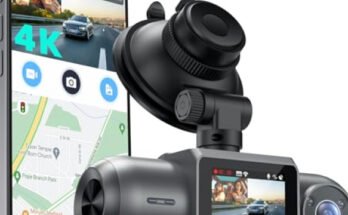
Have you ever wondered if your dash cam can do more than just record your drives? Imagine a device that not only captures video but also senses when an accident happens.
This could be a game-changer for your safety and peace of mind. You’ll discover how dash cams detect accidents and why this feature matters for you. Keep reading to learn how your dash cam might protect you when it matters most.

49% off Today's Exclusive Deals
Limited-time Exclusive Deals. Check current discount on Amazon.
Check Price on Amazon As an Amazon Associate I earn from qualifying purchases.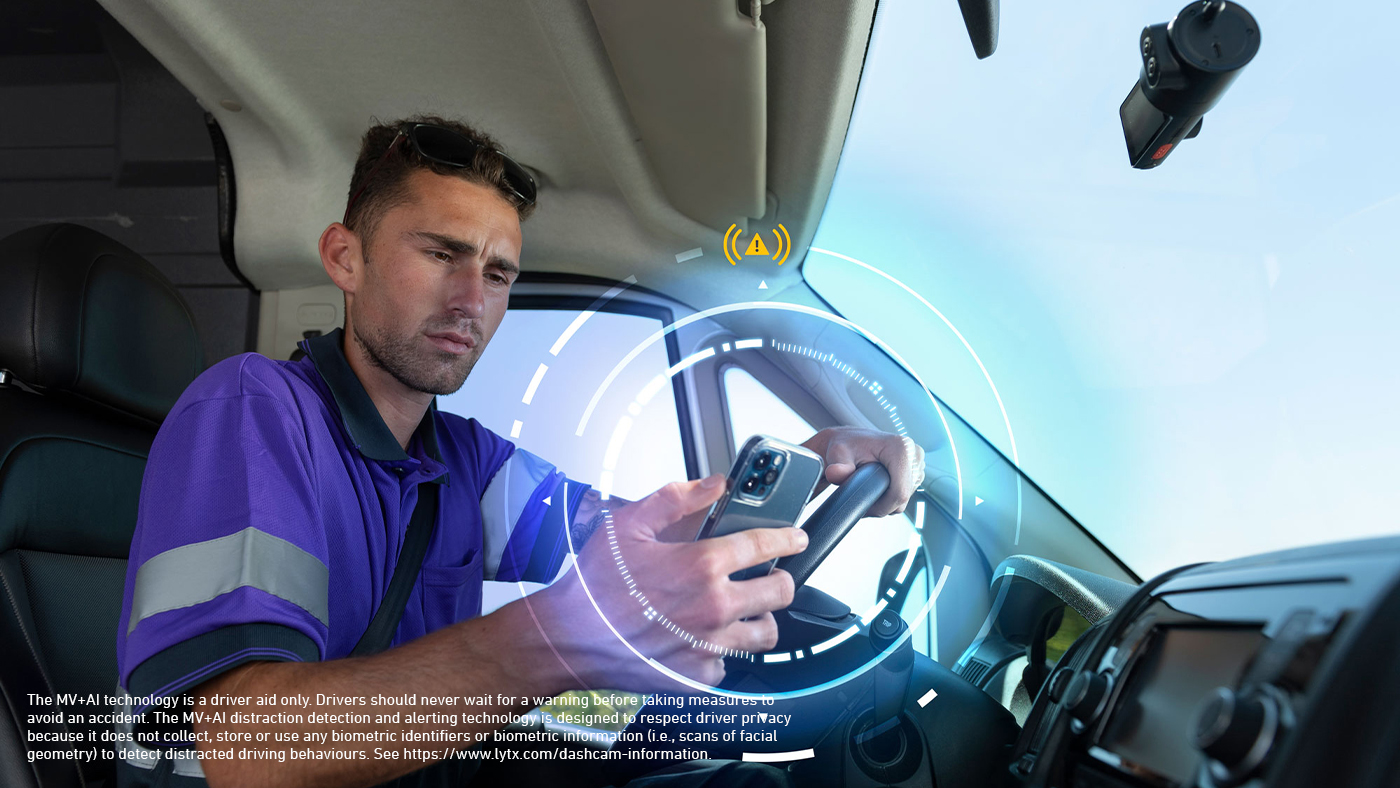
How Dash Cams Work
Dash cams are small cameras installed in vehicles to record video footage. They capture everything happening on the road. This helps drivers prove what happened during accidents. Understanding how dash cams work is key to knowing their role in accident detection.
Dash cams continuously record while the car is on. Some models also record when the car is off. They save video files automatically. This makes it easy to review any incident later.
Recording Features
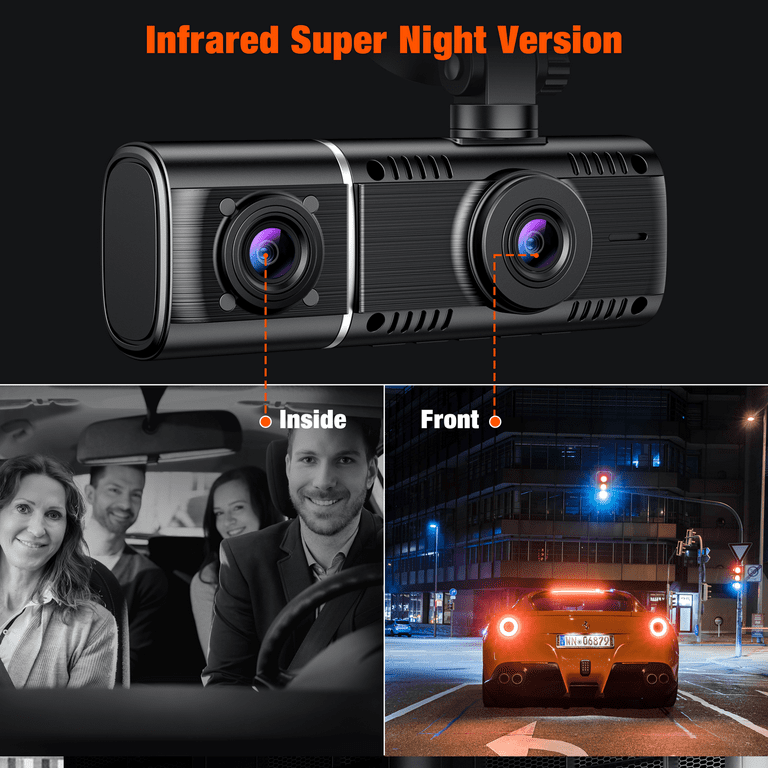
Dash cams record video in a loop. Old files get replaced by new ones. This keeps the memory card from filling up. Video quality varies by model, from standard to high definition. Some cams record both front and rear views. Night vision helps capture clear footage in the dark. Time stamps add details like date and time to videos.
49% off Today's Exclusive Deals
Limited-time Exclusive Deals. Check current discount on Amazon.
Check Price on Amazon As an Amazon Associate I earn from qualifying purchases.Motion And Impact Sensors
Dash cams have sensors to detect movement and shocks. Motion sensors start recording if the car moves. This is useful when parked. Impact sensors trigger recording during sudden jolts or crashes. These sensors save the current video and lock it. Locked videos cannot be overwritten. This protects important accident evidence from being lost.
Accident Detection Capabilities
Dash cams today offer features that help detect accidents automatically. These features increase safety and provide clear evidence in case of a crash. Many dash cams are built to start recording instantly during an accident. This helps capture important details without delay.
The technology inside these cameras works to sense sudden impacts or movements. It makes sure the video is saved and protected from being overwritten. Understanding how these cameras detect accidents helps drivers choose the right model.
Automatic Incident Recording
Automatic incident recording starts when the dash cam senses a crash. The camera saves video footage from before and after the event. This feature ensures no critical moment is missed. It prevents the video from being deleted by accident. The saved clips can be used for insurance or legal purposes. This function works without any driver action needed.
49% off Today's Exclusive Deals
Limited-time Exclusive Deals. Check current discount on Amazon.
Check Price on Amazon As an Amazon Associate I earn from qualifying purchases.G-sensor Technology
G-Sensor technology detects sudden changes in motion or impact. The sensor triggers the camera to lock and save the footage. It measures forces during braking, collisions, or sharp turns. This technology helps the camera know exactly when an accident occurs. It prevents important videos from being erased. G-Sensors make dash cams smart and reliable for accident detection.
Limitations Of Dash Cams In Accident Detection
Dash cams help record road events and can sometimes detect accidents. Still, they have limits. These limits affect how well they capture and identify crashes.
Understanding these limits is important. It shows why dash cams might not always give perfect accident detection.
False Positives And Negatives
Dash cams may wrongly signal an accident. This is called a false positive. For example, sudden stops or bumps can trigger alerts.
False negatives happen when a real accident is not detected. The camera might miss small crashes or slow impacts. This can lead to missing important evidence.
Environmental Factors
Weather conditions affect dash cam performance. Rain, snow, or fog can blur the video. Poor light or glare also reduces visibility.
Road clutter or crowded scenes make it hard to spot accidents. Cameras may not record every angle needed for full proof.
Role Of Dash Cam Footage In Accident Analysis
Dash cam footage plays an important role in accident analysis. It records clear, real-time videos of road events. This helps understand what happened before, during, and after a crash. The video evidence shows details that might be missed by witnesses or police reports. It makes accident investigations more accurate and fair.
Evidence For Insurance Claims
Dash cam videos provide strong proof for insurance claims. They show the exact moment of impact and the actions of all drivers involved. This helps insurance companies decide who is responsible. Clear evidence can speed up claim processing and reduce disputes. It also prevents fraud by showing the real situation on the road.
Legal Implications
Dash cam footage can be used in court as legal evidence. Judges and lawyers rely on it to understand the accident better. The videos show facts without bias. This can protect innocent drivers from false accusations. It can also hold the at-fault party accountable. Courts accept dash cam videos to support witness statements and police reports.
Emerging Technologies Enhancing Detection
Dash cams are evolving fast. New technologies help these devices detect accidents better. This improves safety and helps drivers in emergencies.
These smart features use advanced tools to spot crashes quickly. They reduce false alarms and increase accuracy. Let’s explore the key technologies behind this progress.
Ai And Machine Learning Integration
Dash cams now use AI to understand what they see. Machine learning helps the camera learn from past events. This makes accident detection smarter over time.
The system analyzes video and sensor data to spot collisions. It can tell the difference between a crash and a sudden stop. AI helps reduce mistakes and improves response speed.
Real-time Alerts And Notifications
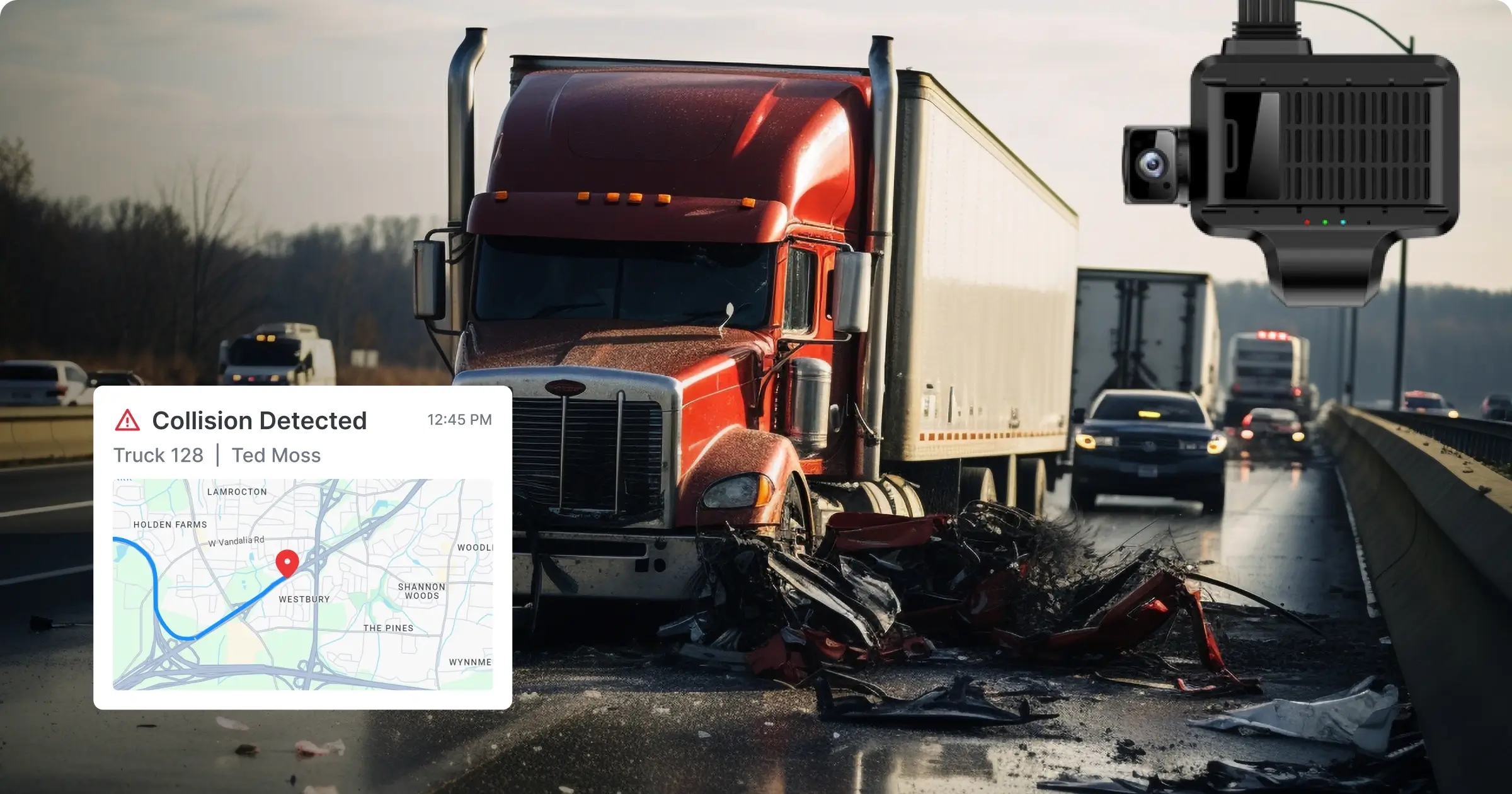
Modern dash cams send instant alerts after detecting an accident. These notifications can reach the driver or emergency contacts fast. Quick alerts help get help sooner.
Some dash cams connect to smartphones or cloud services. This allows sharing accident details and video clips immediately. Early warnings can save lives and reduce damage.
Choosing The Right Dash Cam For Accident Detection
Choosing the right dash cam for accident detection is important. The right device can provide clear evidence if an accident happens. It helps protect you from false claims and insurance problems. Not all dash cams can detect accidents well. Some have better sensors and features for this task. Picking a dash cam with the right features saves time and stress later.
Key Features To Look For
Look for dash cams with G-sensors. These sensors detect sudden impacts or movements. They trigger automatic recording during accidents. Night vision is crucial for clear videos in the dark. High resolution helps capture details like license plates. Loop recording ensures the camera records continuously. Some models have parking mode to watch your car when parked. GPS tracking adds location and speed data to videos. Choose a dash cam with easy-to-use controls and reliable storage options.
Popular Models With Advanced Detection
Several dash cams stand out for accident detection. The Garmin Dash Cam series offers excellent impact sensors and clear video. Nextbase models include emergency response features and sharp night vision. BlackVue dash cams provide cloud backup and precise G-sensors. Rexing cameras balance affordability with good accident detection. These models combine key features for reliable accident evidence. Choose one that fits your budget and driving needs.
Frequently Asked Questions
Can Dash Cams Automatically Detect Car Accidents?
Yes, many modern dash cams have built-in G-sensors that detect sudden impacts. These sensors trigger automatic recording and save footage during accidents to protect evidence.
How Do Dash Cams Record Accident Footage?
Dash cams continuously record while driving. When an accident occurs, impact sensors lock the video files. This prevents overwriting and preserves crucial footage for review.
Do All Dash Cams Have Accident Detection Features?
No, not all dash cams include accident detection. Basic models record continuously but lack impact sensors. Choose dash cams with G-sensors for automatic accident detection.
Can Dash Cams Help In Insurance Claims?
Absolutely, dash cam footage provides clear evidence of accidents. This helps in faster claim processing and reduces disputes by showing what really happened.
Conclusion
Dash cams help record moments before and after accidents. They capture clear video evidence that shows what happened. Many models detect sudden impacts and save footage automatically. This feature can support insurance claims and legal cases. Dash cams do not prevent accidents but assist with proof.
Choosing the right dash cam improves your safety on the road. Trusting technology to capture incidents makes driving less stressful. Simple devices with smart functions offer valuable peace of mind.