Choosing the right dash cam can feel overwhelming, especially if you’re new to it. You want clear videos, easy setup, and features that actually matter—without spending a fortune or getting lost in complicated tech.
This guide will help you cut through the noise and find the perfect dash cam that fits your needs. By the end, you’ll feel confident about your choice and ready to protect yourself on the road. Keep reading to discover simple tips that make picking a dash cam easy and stress-free.

49% off Today's Exclusive Deals
Limited-time Exclusive Deals. Check current discount on Amazon.
Check Price on Amazon As an Amazon Associate I earn from qualifying purchases.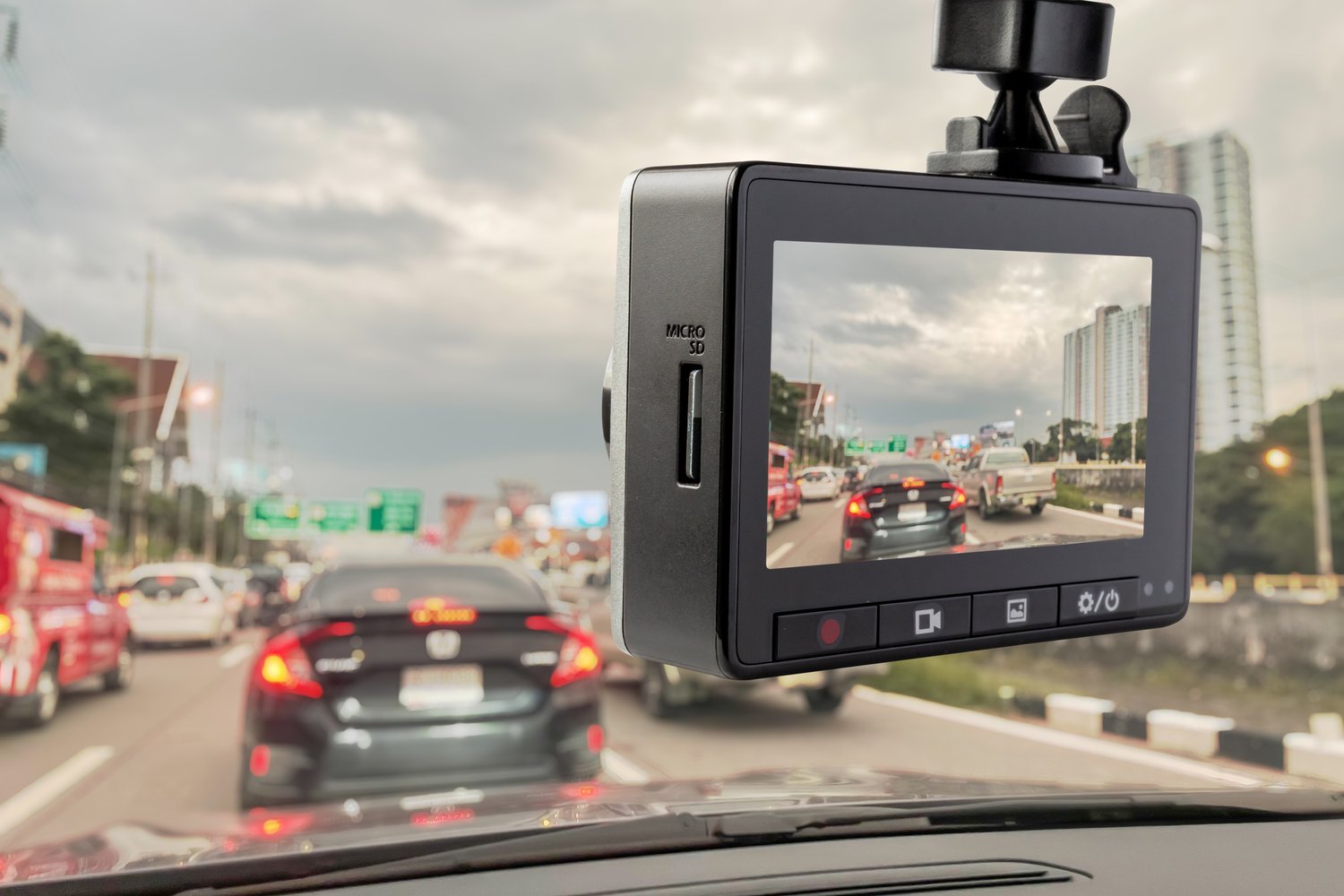
Why Get A Dash Cam
Choosing a dash cam can feel confusing for beginners. Understanding why to get one first helps a lot. A dash cam records your drive. It keeps a video of the road ahead. This simple tool can protect you from many troubles on the road.
Benefits Of Using A Dash Cam
A dash cam records accidents clearly. It provides proof in case of disputes. Insurance claims become easier and faster. It can also catch bad drivers and unsafe actions. Some dash cams record even when your car is parked. This helps protect your car from vandalism or theft. Driving becomes safer with constant recording. It also encourages better driving habits.
Common Uses For Beginners
Beginners use dash cams to feel safer while learning. It records every drive, good or bad. Parents often use dash cams to watch young drivers. Taxi and rideshare drivers record rides for safety. Some drivers record scenic trips to remember journeys. Dash cams help by saving important moments on the road. They also give peace of mind to new drivers.
49% off Today's Exclusive Deals
Limited-time Exclusive Deals. Check current discount on Amazon.
Check Price on Amazon As an Amazon Associate I earn from qualifying purchases.Key Features To Look For
Choosing the right dash cam can feel tricky for beginners. Focus on important features that matter most. These features help capture clear footage and keep your driving safe. Understanding these key points makes picking easier and smarter.
Video Quality And Resolution
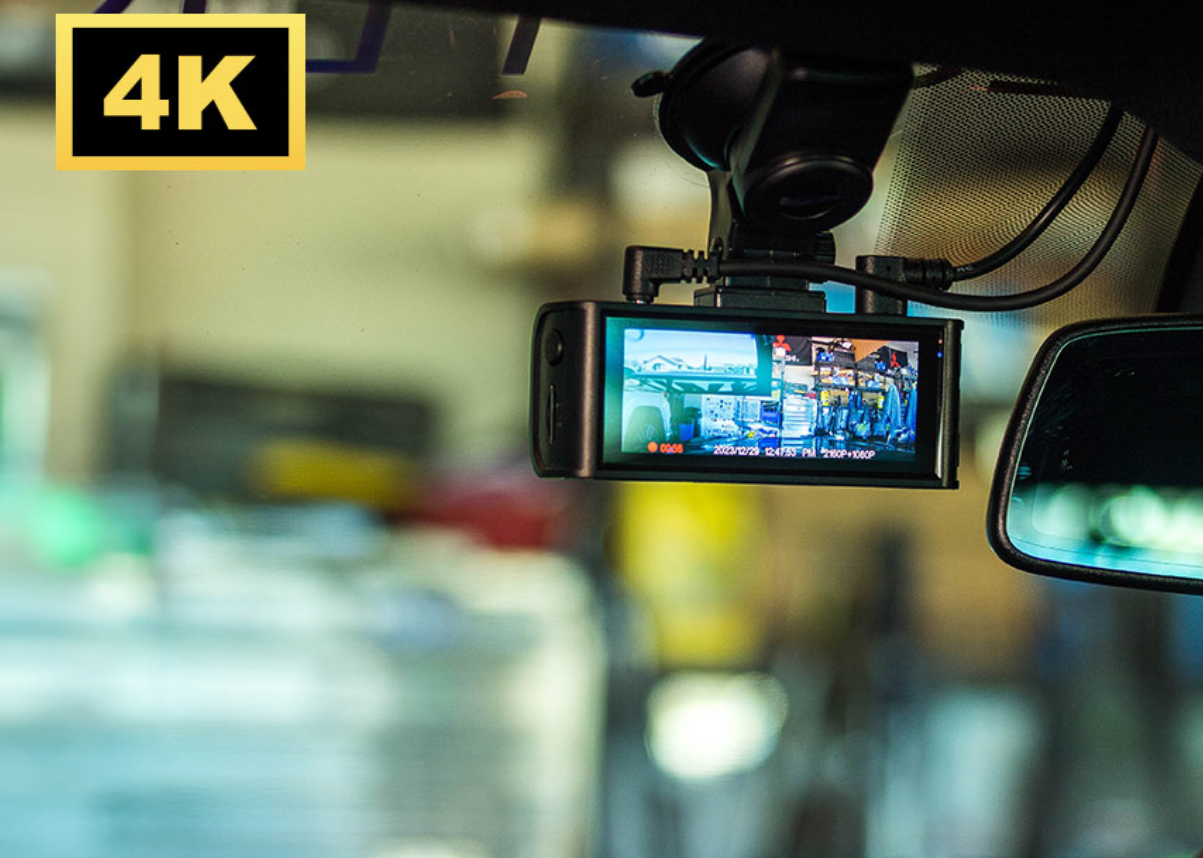
Video quality is crucial for clear recordings. Look for dash cams with at least 1080p resolution. High resolution shows details like license plates and road signs. Good video quality helps during accidents or disputes.
Field Of View
The field of view shows how much road the camera captures. A wider view covers more area and reduces blind spots. Choose a dash cam with at least 120 degrees field of view. This helps catch more details around your car.
Night Vision Capabilities
Night vision lets the dash cam record clearly in low light. This feature is important for nighttime driving. Cameras with infrared or low-light sensors work best. Clear night videos improve safety and proof if needed.
49% off Today's Exclusive Deals
Limited-time Exclusive Deals. Check current discount on Amazon.
Check Price on Amazon As an Amazon Associate I earn from qualifying purchases.Storage Options
Storage holds your recorded videos. Dash cams use microSD cards for storage. Check the maximum card size the camera supports. Bigger storage means more video can be saved before deleting old files.
Power And Battery Life
Power source affects how long the dash cam runs. Most dash cams plug into the car’s cigarette lighter. Some have built-in batteries for short use without power. Long battery life helps record even when the car is off.
Types Of Dash Cams
Choosing the right dash cam starts with understanding the types available. Different dash cams offer various features and setups. Knowing these types helps beginners pick the best fit for their needs and budget.
Single-lens Vs Dual-lens
Single-lens dash cams record only the front view. They capture the road ahead clearly. Dual-lens dash cams have two cameras. One records the front, and the other records inside or the rear. Dual-lens models provide more coverage for better security.
Wired Vs Wireless Models
Wired dash cams connect to your car’s power using cables. They offer constant power and stable recording. Wireless dash cams use batteries or internal power. They are easier to install and move between cars. Battery life may limit recording time on wireless models.
Standalone Vs Integrated Devices
Standalone dash cams are separate devices mounted on the windshield. You can remove or upgrade them easily. Integrated dash cams come built into the car, often with rearview mirrors or infotainment systems. These offer a clean look but less flexibility.
Installation Basics
Installing a dash cam is a key step to protect your car and drive safely. The setup is simple but needs care. A good installation ensures clear recording and easy use. Learn the basics to get your dash cam ready fast.
Mounting Options
Dash cams usually mount on the windshield or dashboard. Suction cups are common for easy moving. Adhesive mounts offer a stronger hold but stay fixed. Some models come with magnetic mounts for quick removal. Choose a mount that fits your car and use style.
Power Supply Methods
Dash cams need power to record continuously. Most plug into the car’s cigarette lighter socket. Hardwiring kits connect the cam directly to your car’s fuse box. Some cams have built-in batteries, but these last short times. Pick a power method that suits your needs and car type.
Positioning Tips
Place the dash cam where it sees the road fully. Avoid blocking your view while driving. The ideal spot is behind the rearview mirror. Make sure the lens is clean and faces straight ahead. Adjust the angle to capture both lanes and some roadside.
Budget Considerations
Choosing a dash cam means thinking about your budget first. It helps to know what you can spend and what you get for that price. Many dash cams come at different prices with different features. Knowing your budget guides you to the right choice without overspending.
Budget also includes extra costs beyond the camera price. Some dash cams need memory cards or special mounts. These can add to your total cost. Planning your budget well keeps surprises away and helps you buy what you really need.
Finding Value For Money
Value for money means getting good features at a fair price. Look for dash cams that record clear video day and night. Basic safety features like motion detection add value. Avoid paying for many features you will never use. Choose a camera that matches your driving needs well.
Avoiding Extra Costs
Extra costs can come from buying memory cards or cables. Some dash cams do not include these items. Check if the camera needs a special mount or power adapter. Also, think about installation costs if you want a pro to fit it. Knowing these costs helps you budget better.
Recommended Price Ranges
Entry-level dash cams start around $50 to $100. These usually cover basic recording and simple features. Mid-range models cost between $100 and $200. They offer better video quality and extra functions. High-end dash cams go above $200. They provide wide-angle lenses and advanced safety alerts. Pick a price range that fits your budget and needs.
User-friendly Features For Beginners
Choosing a dash cam as a beginner can feel tricky. Focus on user-friendly features that make using the device simple and stress-free. These features help you start quickly and capture every important moment on the road without confusion.
Easy controls and helpful functions allow you to enjoy your dash cam without much effort. A dash cam that works smoothly lets you focus on driving safely. Below are key user-friendly features to consider for an easy experience.
Easy Setup And Operation
A dash cam with simple setup saves time. Clear instructions and plug-and-play design help you start fast. Buttons and menus should be easy to understand and use.
Look for models with automatic date and time settings. This avoids manual adjustments and errors. A beginner-friendly dash cam should let you record without complicated steps.
App Connectivity
Many dash cams connect to smartphone apps. This feature lets you watch, save, and share videos easily. Apps usually offer simple controls and settings adjustment from your phone.
Choose a dash cam with a reliable app. It should have clear menus and work on both Android and iOS devices. App connectivity makes managing footage more convenient for beginners.
Automatic Recording And Looping
Automatic recording starts the moment you drive. No need to press buttons each time. This feature ensures you never miss important events on the road.
Loop recording helps save space on your memory card. It overwrites old videos automatically when the card is full. This means no need to delete files manually, making it easier to use.
Common Mistakes To Avoid
Choosing a dash cam can be tricky for beginners. Many make simple mistakes that affect their experience. Knowing these common errors helps you pick the right device. Avoiding these pitfalls saves time and money. It also ensures your dash cam works well for your needs.
Ignoring Compatibility
Not all dash cams fit every vehicle. Some models need specific power sources or mounts. Check if the dash cam suits your car’s make and model. Also, ensure it works with your phone or computer for easy file transfer. Ignoring compatibility can cause installation problems or limit features.
Overlooking Storage Needs
Dash cams record video continuously. This requires enough storage space. Many use microSD cards, but sizes vary. Pick a card with enough capacity for your driving habits. A small card fills quickly, deleting old files too soon. Overlooking storage can lead to missed or lost footage.
Neglecting Legal Restrictions
Some regions have laws about dash cam use. These laws affect where and how you place your camera. Recording audio or video may require permission. Ignoring legal rules could result in fines or legal issues. Check local laws before installing your dash cam to avoid trouble.

Top Brands And Models For Beginners
Choosing the right dash cam can feel confusing for beginners. Many brands offer a range of models with different features. Picking a trusted brand helps ensure good quality and ease of use. Some brands focus on simple, affordable models, while others provide advanced features for more experience. Here, we explore top brands and models that suit beginners well.
Affordable Options
Many beginners prefer dash cams with a low price but good quality. Brands like Rexing and Apeman offer budget-friendly models. These dash cams usually record clear video and have easy controls. They help users learn without spending too much money. Affordable does not mean poor quality; these models cover basic needs well.
Highly Rated Models
Customer reviews help identify reliable dash cams. Models such as the Garmin Dash Cam Mini and Vantrue N1 Pro receive high ratings for ease of use. These dash cams offer good video quality and simple setup. They include features like loop recording and motion detection. Choosing a highly rated model reduces chances of problems.
Customer Support And Warranty
Good customer support matters for beginners. Brands like Nextbase and VIOFO provide strong customer service and clear warranty terms. This support helps solve issues quickly. Warranty covers repairs or replacement if the dash cam fails. Checking warranty length and support options ensures peace of mind.
Maintenance Tips
Proper maintenance keeps your dash cam working well for a long time. Small steps can prevent many problems. Following simple tips helps you get the best from your device every day. This section covers key maintenance tips every beginner should know.
Regular Updates
Dash cam makers often release software updates. These updates fix bugs and add new features. Check for updates at least once a month. Use the official app or website to download updates safely. Keeping software current improves performance and security.
Cleaning And Care
Clean the lens regularly with a soft cloth. Dust or smudges can blur the video. Avoid harsh chemicals that can damage the lens or screen. Keep the camera and mount free from dirt. Handle the device gently to avoid cracks or scratches.
Data Management
Regularly delete old videos to free up space. Use a reliable memory card with enough storage. Format the card inside the dash cam, not on a computer. Back up important footage to a computer or cloud storage. This prevents data loss and keeps the device running smoothly.
Frequently Asked Questions
What Features Should Beginners Look For In A Dash Cam?
Beginners should prioritize easy installation, clear video quality, and loop recording. A compact design and parking mode add convenience. These features ensure reliable footage and simple operation.
How Important Is Video Resolution In A Dash Cam?
Higher video resolution offers clearer footage, crucial for identifying details like license plates. Full HD (1080p) is sufficient for most users. Higher resolutions may use more storage and battery.
Should Beginners Choose Wired Or Wireless Dash Cams?
Wired dash cams provide consistent power and stable recording. Wireless options offer easy installation and flexibility. Beginners often prefer wired for reliability and fewer connectivity issues.
How Much Storage Capacity Is Ideal For A Beginner Dash Cam?
A storage capacity of 32GB to 64GB balances recording time and cost. It allows several hours of footage before overwriting. Choose a dash cam supporting expandable memory for more storage.
Conclusion
Choosing the right dash cam does not have to be hard. Focus on key features like video quality and ease of use. Think about your budget and where you will place it in your car. A good dash cam protects you on the road.
Take your time to compare options before buying. This will help you feel safe and confident while driving. Start with what matters most to you. Your perfect dash cam is out there.