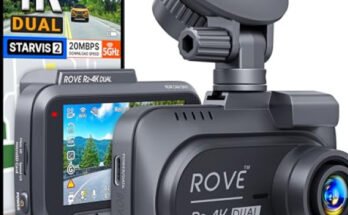
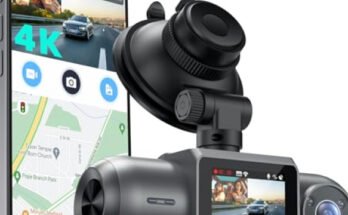
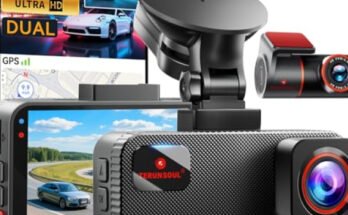
Choosing the right front and rear dash cam can protect you from unexpected accidents and give you peace of mind on the road. But with so many options out there, it’s easy to feel overwhelmed.
You want a dash cam that captures clear footage, works reliably, and fits your budget. In this guide, you’ll discover simple tips to pick the perfect dash cam for your needs. By the end, you’ll know exactly what to look for, so you can drive confidently knowing your car is covered from every angle.

49% off Today's Exclusive Deals
Limited-time Exclusive Deals. Check current discount on Amazon.
Check Price on Amazon As an Amazon Associate I earn from qualifying purchases.Keep reading to find the best front and rear dash cam that suits you perfectly.
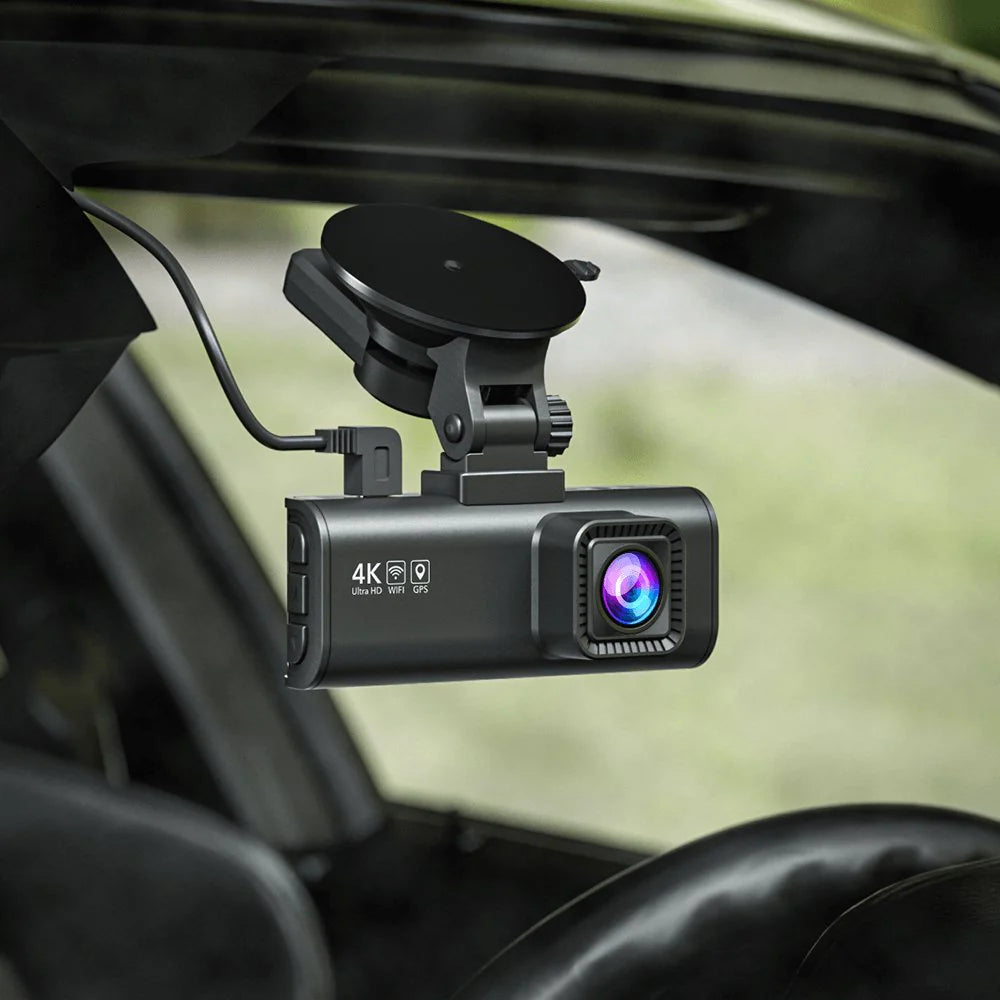
Benefits Of Front And Rear Dash Cams
Front and rear dash cams offer many benefits for drivers. They help keep roads safer and protect you from false claims. These cameras give clear proof in accidents and may save money on insurance. Installing both front and rear dash cams covers all angles of your vehicle.
Knowing these benefits helps you choose the right dash cams for your needs. Here are some key advantages to consider.
49% off Today's Exclusive Deals
Limited-time Exclusive Deals. Check current discount on Amazon.
Check Price on Amazon As an Amazon Associate I earn from qualifying purchases.Enhanced Road Safety
Dash cams make drivers more careful on the road. They record all driving behavior and road conditions. This can reduce risky driving and accidents. Having a camera recording both front and rear views helps spot dangers early. It also encourages safer driving habits for everyone.
Evidence For Accidents
Dash cams capture clear video of crashes and incidents. This footage shows exactly what happened. It helps prove who is at fault. This evidence is useful in legal cases and police reports. Rear cameras capture events behind your car, protecting you from hit-and-run claims.
Insurance Advantages
Insurance companies often offer discounts for cars with dash cams. The videos speed up claim processing and reduce fraud. Clear accident evidence lowers chances of disputes. Dash cams can help you avoid higher premiums and keep insurance costs down.

Key Features To Look For
Choosing the right front and rear dash cam depends on several important features. These features affect how well the dash cam records and protects your vehicle. Understanding key features helps you pick a reliable and useful dash cam. This section explains the main features to consider.
49% off Today's Exclusive Deals
Limited-time Exclusive Deals. Check current discount on Amazon.
Check Price on Amazon As an Amazon Associate I earn from qualifying purchases.Video Resolution And Quality
High video resolution captures clear and sharp images. Look for dash cams with at least 1080p resolution. Better quality helps identify details like license plates and faces. Clear video is essential for evidence in accidents or disputes.
Night Vision Capabilities
Night vision lets your dash cam record well in low light. Cameras with good night vision use infrared or advanced sensors. This feature ensures clear footage during nighttime or in dark places. It improves safety and evidence collection around the clock.
Field Of View
The field of view shows how much the camera can see. A wide field of view covers more road and surroundings. Look for cameras with at least 120 degrees view for front and rear coverage. A wider view reduces blind spots and captures more details.
Storage Options And Capacity
Dash cams store videos on memory cards or built-in storage. Check the maximum storage capacity the dash cam supports. Larger storage holds more video, reducing the need to delete files. Some dash cams support loop recording to save space automatically.
Gps And Motion Detection
GPS records your location and speed during driving. This data helps verify your route and events. Motion detection activates recording when the car moves or senses impact. This feature protects your vehicle even when parked.
Parking Mode Functions
Parking mode keeps the dash cam active when your car is off. It records any movement or impact near your vehicle. This function helps catch vandalism or hit-and-run incidents. Choose a dash cam with reliable parking mode for extra security.
Types Of Dash Cams
Choosing the right dash cam means knowing the types available. Each type has features that suit different needs. Understanding these types helps pick the best model for your car. This section explains the main dash cam types and their differences.
Single Channel Vs Dual Channel
Single channel dash cams record only the front view. They are simple and cost less. Dual channel models record both front and rear views. They provide better coverage and security. Dual channel cameras need more storage and power.
Wired Vs Wireless Models
Wired dash cams connect to the car’s power directly. They offer stable power and constant recording. Installation can be tricky and take more time. Wireless dash cams use batteries or internal power. They are easy to install but need regular charging.
Built-in Screen Vs App Integration
Dash cams with built-in screens show live video on the device. They allow quick playback and settings changes. Some models rely on app integration instead. Apps connect the dash cam to your phone. This feature offers more control and easier file access.
Installation Tips
Installing front and rear dash cams correctly ensures clear video and reliable performance. Proper setup helps capture all important details on the road. Follow these tips for a smooth installation process.
Placement For Optimal Coverage
Place the front dash cam near the rearview mirror. It should not block your view while driving. Position the rear dash cam on the back window’s center. This spot captures traffic behind you clearly.
Adjust angles to cover wide areas. Avoid placing cams too low or high. Test the view before fixing the cams permanently.
Power Supply Options
Most dash cams use the car’s 12V socket for power. Use the cigarette lighter adapter for easy setup. For a cleaner look, hardwire the cams to the fuse box. This option allows continuous recording even when parked.
Choose a power option that fits your needs and budget.
Cable Management
Hide cables along the car’s headliner and door seals. Use clips or adhesive tape to keep wires neat and secure. Avoid loose wires near pedals or steering.
Proper cable management prevents damage and keeps the interior tidy.
Budget Considerations
Choosing front and rear dash cams depends a lot on your budget. You want good quality, but also something that does not cost too much. Knowing how to balance price and features helps you get the best value. Budget matters because dash cams have many options and prices vary widely. A clear plan for spending makes the buying process easier and smarter.
Balancing Features And Cost
Decide which features you need most. High resolution video and night vision are important for safety. Some dash cams offer GPS tracking and parking mode. These add to the price but improve protection. Focus on must-have features first. Skip extras that you do not really need. This helps keep the price low while still getting good quality. Look for models that offer the best mix of features and price.
Top Brands In Different Price Ranges
Many brands sell dash cams at different prices. For budget options, look at brands like YI and Apeman. They provide good quality at low cost. Mid-range brands include Viofo and Garmin, offering better video and features. High-end brands like BlackVue and Thinkware have advanced functions but cost more. Choose a brand that fits your budget and meets your basic needs. Quality varies, so check reviews before buying.
Legal And Privacy Aspects
Choosing the right front and rear dash cams involves more than just features and price. Legal rules and privacy issues matter a lot. Understanding these helps you avoid trouble and respect others’ rights.
Dash Cam Laws By Region
Dash cam laws vary widely across countries and states. Some places allow recording only inside your car. Others permit capturing footage of public roads.
Many regions require clear signs if you record audio. Some forbid cameras that block the driver’s view. Check local laws before buying or installing any dash cam.
Ignoring these rules can lead to fines or legal issues. Knowing the laws protects you and others on the road.
Privacy Concerns And Best Practices
Dash cams record people and private property. This raises privacy concerns for drivers and others. Respect privacy by avoiding unnecessary recording of private spaces.
Use dash cams mainly for safety and evidence. Do not share videos without permission, especially if they show people clearly.
Secure your footage with passwords. Limit access to trusted persons only. These steps help keep privacy intact while benefiting from dash cam use.
Maintenance And Troubleshooting
Maintaining your front and rear dash cams helps them work well for a long time. Regular care keeps the video clear and the device reliable. Troubleshooting fixes small problems early before they become big issues. This section explains how to keep your dash cams updated and solve common problems easily.
Regular Updates And Firmware
Dash cams need firmware updates to improve features and fix bugs. Check the manufacturer’s website or app often for updates. Updating keeps your cameras running smoothly and safe from errors. Follow the instructions carefully to avoid interruptions during the update. Regular updates help your dash cam record better and last longer.
Common Issues And Fixes
Dash cams may face issues like freezing, no recording, or poor video. Restarting the device can fix many simple problems quickly. Check the memory card for errors or replace it if full or damaged. Clean the camera lens regularly to keep the video clear. Reset the dash cam to factory settings if issues persist. Contact support if problems do not resolve with basic fixes.
Frequently Asked Questions
What Features Matter Most In Front And Rear Dash Cams?
Key features include video resolution, night vision, wide-angle lens, and loop recording. Reliable parking mode and GPS tracking also add value.
How Do I Install Front And Rear Dash Cams Correctly?
Mount the front cam behind the rearview mirror. Place the rear cam on the rear windshield, ensuring cables are neatly tucked away.
Can Dash Cams Work Well In Low Light Or Night?
Yes, choose dash cams with infrared LEDs or Sony sensors for clear night footage. Check for high ISO ratings and HDR support.
What Storage Options Suit Front And Rear Dash Cams?
Use high-capacity microSD cards (64GB or more) for extended recording. Some models offer cloud storage or app-based video backup.
Conclusion
Choosing the right front and rear dash cam protects you on the road. Focus on video quality, ease of use, and storage options. Think about your budget and the camera’s features. A good dash cam records clear footage day and night.
Easy installation saves time and effort. Remember, the best dash cam fits your car and driving needs. Take your time to compare models before buying. Safety and peace of mind come first. A reliable dash cam helps you feel confident while driving.