Have you ever wished you had a clear record of what happened during a tricky drive? A dual-channel dash cam might be exactly what you need.
This device captures video from both the front and rear of your car at the same time, giving you full coverage on the road. Imagine having proof ready instantly if an accident or dispute arises. You’ll discover how a dual-channel dash cam works and why it could be a smart addition to your vehicle.

49% off Today's Exclusive Deals
Limited-time Exclusive Deals. Check current discount on Amazon.
Check Price on Amazon As an Amazon Associate I earn from qualifying purchases.Keep reading to find out how this simple tool can protect you and bring peace of mind every time you drive.
Dual-channel Dash Cam Basics
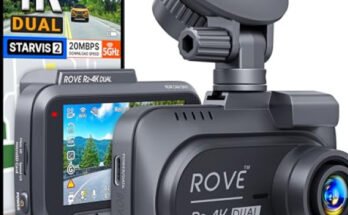
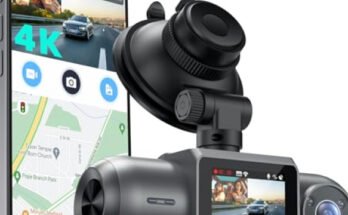
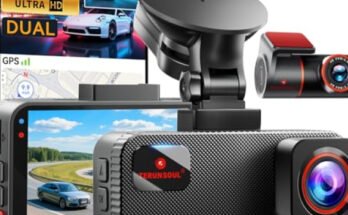
A dual-channel dash cam records video from two cameras at the same time. It captures both the front view and the rear view of your vehicle. This helps drivers keep a better watch on the road and inside the car. Dual-channel dash cams give more complete evidence in case of accidents or disputes.
Core Features
Dual-channel dash cams have two cameras connected to one device. They record video continuously and store footage on a memory card. Some models include features like motion detection and loop recording. Night vision helps capture clear images in the dark. Many dash cams also have G-sensors to detect sudden impacts.
49% off Today's Exclusive Deals
Limited-time Exclusive Deals. Check current discount on Amazon.
Check Price on Amazon As an Amazon Associate I earn from qualifying purchases.How It Works
The front camera faces forward and records the road ahead. The rear camera faces backward or inside the car. Both cameras record simultaneously and save video files separately. The device usually powers on with the car’s ignition. Video files can be viewed on a screen or transferred to a computer.
Front Vs Rear Cameras
The front camera records the road and traffic conditions. It captures license plates and road signs clearly. The rear camera records what happens behind the vehicle or inside the cabin. This helps protect against rear-end collisions and theft. Both cameras work together to provide full coverage.

Benefits Of Dual-channel Dash Cams
Dual-channel dash cams record video from both the front and rear of your vehicle. This feature offers many advantages that improve driving safety and security. Capturing footage from two angles helps drivers protect themselves better and have clear evidence if needed.
Enhanced Security
Dual-channel dash cams monitor both front and back views. This wider coverage helps catch suspicious activity around your car. It can deter theft or vandalism by recording any unusual movements near your vehicle.
49% off Today's Exclusive Deals
Limited-time Exclusive Deals. Check current discount on Amazon.
Check Price on Amazon As an Amazon Associate I earn from qualifying purchases.Accident Evidence
Recording from two cameras provides clear proof during accidents. It shows exactly what happened from different perspectives. This footage can help settle disputes and support insurance claims quickly.
Parking Surveillance
Dual-channel dash cams keep an eye on your parked car. They record any impacts or damages while you are away. This feature gives peace of mind, knowing your vehicle is watched even when parked.
Key Features To Look For
Choosing the right dual-channel dash cam means knowing what features matter most. These features affect how well the dash cam records and protects you on the road. Focus on video clarity, storage, ease of use, and night vision. Each feature plays a key role in capturing every important detail.
Video Quality And Resolution
Clear video is crucial for a dash cam. Higher resolution means sharper images and more details. Look for cameras that record at least 1080p. Some models offer 2K or 4K for even better clarity. Good video quality helps identify faces and license plates easily.
Storage Options
Storage affects how much footage the dash cam can save. Most cameras use microSD cards. Check the maximum card size the camera supports. Some dash cams offer loop recording, which saves space by overwriting old videos. This keeps your camera ready to record without manual clearing.
Connectivity And App Support
Wi-Fi or Bluetooth lets you connect the dash cam to your phone. Using an app, you can watch videos, change settings, and download clips fast. This feature makes managing footage simpler and more convenient. Choose a dash cam with a user-friendly app for easy control.
Night Vision Capabilities
Driving at night requires a dash cam that captures clear video in low light. Look for infrared or enhanced night vision features. These improve image quality in the dark. Night vision ensures your safety by recording important details even in poor lighting.
Installation And Setup Tips
Installing a dual-channel dash cam correctly is key for clear video recording. Proper setup improves safety and ensures your device works well. This section covers simple tips for installation and setup.
Choosing The Right Location
Place the front camera behind the rearview mirror. This spot keeps it out of sight and avoids blocking your view. The rear camera should go near the back window, centered if possible. Clean the glass before mounting for a strong hold. Avoid placing cameras near metal or tint that can block signals.
Power Supply Methods
Use the car’s cigarette lighter for easy power. This method is quick and requires no extra wiring. Hardwiring the dash cam to the fuse box creates a cleaner look. It also powers the camera even when the car is off. Choose a method that fits your needs and skill level.
Initial Configuration
Turn on the dash cam and set the date and time first. This helps keep accurate video records. Adjust camera angles to cover the road and car interior well. Set video quality based on your storage space. Enable motion detection or parking mode if your model supports it.
Popular Dual-channel Dash Cam Models
Dual-channel dash cams are popular for capturing both front and rear views while driving. They offer more safety and evidence in case of accidents. Many models suit different needs and budgets. Choosing the right one depends on features and price.
Budget-friendly Options
These dash cams provide basic dual-channel recording. They usually have good video quality for daytime use. Models like the Vantrue N1 Pro or YI Dual Dash Cam offer solid performance. They include essential features like loop recording and G-sensor. These choices fit well for everyday drivers on a budget.
High-end Choices
Premium models offer better video quality and extra features. Look for 4K recording, night vision, and Wi-Fi connectivity. Brands like BlackVue DR900X and Thinkware U1000 lead this category. They come with cloud storage and advanced driver assistance features. These dash cams suit those wanting top performance and reliability.
Best For Fleet Vehicles
Fleet vehicles need rugged and easy-to-manage dash cams. Models such as the Garmin Fleet 790 and Samsara CM32 excel here. They support real-time tracking and remote management. These dash cams help monitor driver behavior and improve safety. They fit well in commercial and delivery vehicle fleets.

Smart Driving With Dual-channel Dash Cams
Dual-channel dash cams make driving smarter and safer. They record both front and rear views simultaneously. This gives a full picture of the road and traffic. Drivers gain more control and stay alert to risks.
These dash cams do more than just record video. They provide real-time data that helps improve driving habits. They also connect with other smart devices in your car. This creates a smooth, integrated driving experience.
Real-time Alerts
Dual-channel dash cams send instant warnings for dangers. They detect sudden braking, collisions, or lane departures quickly. Drivers get notified right away to react faster. This lowers the chance of accidents on busy roads.
Driver Behavior Monitoring
These dash cams track how safely a person drives. They watch speed, sharp turns, and hard stops. This info helps drivers understand their habits better. Safer driving leads to fewer risks and less stress.
Integration With Other Devices
Dual-channel dash cams work with GPS and smartphones. This helps record location and share videos easily. Some models connect to car alarms or voice assistants. This makes managing your car’s safety simple and handy.
Maintenance And Troubleshooting
Maintaining a dual-channel dash cam is key to its smooth operation. Regular care keeps it recording clearly and avoids data loss. Troubleshooting helps fix problems fast, saving time and stress. Understanding simple steps can extend your device’s life and performance.
Regular Updates
Keep your dash cam’s firmware up to date. Updates improve camera functions and fix bugs. Check the manufacturer’s website or app often. Install new versions as soon as they are available. This protects your device from errors and security risks.
Common Issues
Some problems happen often with dual-channel dash cams. The camera may stop recording or freeze. Memory cards can get corrupted or full. Video files might not save properly. Power supply issues can cause sudden shutdowns. Identifying these helps you solve problems quickly.
Tips For Longevity
Use a high-quality memory card made for dash cams. Format the card regularly to prevent errors. Avoid exposing the camera to extreme heat or cold. Clean the lens gently to keep videos clear. Turn off the dash cam when not in use. These habits help your camera last longer and work better.
Legal Considerations
Using a dual-channel dash cam means knowing the legal rules. These cameras record both front and rear views. This helps with safety and evidence. Yet, legal issues can arise. Understanding laws helps avoid problems. You must follow privacy rules, usage laws, and data storage limits.
Privacy Laws
Privacy laws protect people’s personal information. Dash cams record video and audio. This may include others without their permission. Some places require you to inform passengers or other drivers. Recording in private areas can be illegal. Always check local privacy rules before use.
Dash Cam Usage Regulations
Different regions have specific rules for dash cam use. Some allow only front cameras. Others permit dual-channel recording. Using cameras while driving should not distract you. Mount the dash cam properly to avoid fines. Follow traffic laws and local guidelines carefully.
Data Storage Rules
Storing dash cam footage has legal limits. Data must be kept secure and private. Some areas limit how long you keep recordings. Sharing videos without consent may break laws. Use encrypted storage and delete old files regularly. Respect data rules to protect yourself and others.

Frequently Asked Questions
What Is A Dual-channel Dash Cam?
A dual-channel dash cam records video from both front and rear cameras simultaneously. It offers better coverage and enhanced security for your vehicle.
How Does A Dual-channel Dash Cam Work?
It captures footage through two cameras connected to one device. The front camera records road view, while the rear camera monitors behind.
Why Choose A Dual-channel Dash Cam Over Single-channel?
Dual-channel dash cams provide comprehensive coverage, reducing blind spots. This ensures more evidence in case of accidents or theft.
Can Dual-channel Dash Cams Record At Night?
Yes, most dual-channel dash cams have infrared or low-light sensors. These features enable clear recording during nighttime or low visibility.
Conclusion
A dual-channel dash cam records both front and rear views. It helps capture important moments from different angles. This type of camera adds extra safety on the road. Drivers get clear evidence in case of accidents. The setup is simple and fits most vehicles.
Many choose it for better protection and peace of mind. Understanding its benefits can help you decide. A dual-channel dash cam brings extra confidence while driving. Worth considering for anyone who drives regularly.