Mobil 1 Extended Performance and Valvoline MaxLife High Mileage are the best engine oils for high-mileage cars, depending on whether you prioritize long change intervals or seal care. Your choice should balance your vehicle’s age, oil change frequency, and local climate. This guide compares options based on API performance standards and protection needs.
All 7 products side by side — scroll sideways to see every column.

49% off Today's Exclusive Deals
Limited-time Exclusive Deals. Check current discount on Amazon.
Check Price on Amazon As an Amazon Associate I earn from qualifying purchases.| Top Pick | Best for Emissions | Best for Sludge | Best for Modern Engines | Best for Older Vehicles | Best for Long Warranty | Best for Wear | |
| Preview |  |  |  |  |  | 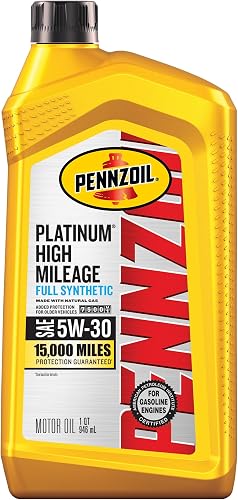 |  |
|---|---|---|---|---|---|---|---|
| Product | Mobil 1 Extended Performance | Castrol EDGE High Mileage | Valvoline MaxLife High Mileage | Mobil 1 High Mileage | Castrol GTX High Mileage | Pennzoil Platinum High Mileage | Castrol GTX Full Synthetic |
| Brand | Mobil | Castrol | Valvoline | Mobil | Castrol | Pennzoil | Castrol |
| Best for | Top Pick | Best for Emissions | Best for Sludge | Best for Modern Engines | Best for Older Vehicles | Best for Long Warranty | Best for Wear |
| The listing says | For engines 75,000+ miles Protects for 25,000 miles | Extends emission system life Reduces leaks and deposits | For engines 75,000+ miles 20% better wear protection | For engines 75,000+ miles Protects for 15,000 miles | Extends emission system life Fights sludge build up | Full synthetic 5W-30 for 70,000+ miles Protects 15 years or 500,000 miles | Prevents emission system failure 6X better wear protection |
| More information | Check Latest Price on Amazon | Check Latest Price on Amazon | Check Latest Price on Amazon | Check Latest Price on Amazon | Check Latest Price on Amazon | Check Latest Price on Amazon | Check Latest Price on Amazon |
1. Mobil 1 Extended Performance High Mileage Full Synthetic Oil 5W-30
Best for: Drivers who want to go long distances between oil change appointments.
49% off Today's Exclusive Deals
Limited-time Exclusive Deals. Check current discount on Amazon.
Check Price on Amazon As an Amazon Associate I earn from qualifying purchases.This oil is designed for engines with over 75,000 miles that need consistent, long-term protection. It’s a full synthetic formula that aims to keep your engine running like new by cleaning deposits in just one oil change cycle.
The main benefit here is the 25,000-mile protection guarantee, which significantly reduces the frequency of your maintenance tasks. It also works to improve your fuel economy, making it a practical choice for high-mileage commuters.
If your odometer shows 75,000 miles or more, this formula is specifically engineered to address the unique wear patterns of an aging engine. By choosing this oil, you commit to a long-interval maintenance schedule. Ensure your vehicle’s warranty remains intact before extending your drain intervals to the 25,000-mile limit.
Many drivers mistakenly assume this oil is only for newer vehicles, but the high-mileage designation is crucial for older engines. Using standard oil when your engine requires these specific additives can lead to deposit buildup.
49% off Today's Exclusive Deals
Limited-time Exclusive Deals. Check current discount on Amazon.
Check Price on Amazon As an Amazon Associate I earn from qualifying purchases.In those cases, the shelf life of the oil inside the engine becomes a factor regardless of the mileage driven.
Good if:
- You drive a lot of miles every year.
- You want to reduce the frequency of your oil changes.
- You need a formula that cleans engine deposits quickly.
Skip it if:
- You prefer changing your oil more often than the manufacturer’s extended limit.
- Your specific engine manufacturer requires a different viscosity or specification.
2. Castrol EDGE High Mileage 5W-30 Advanced Full Synthetic Motor Oil
Best for: Car owners worried about their vehicle’s emission system health.
Castrol EDGE uses special technology to replace phosphorus, which helps protect your catalytic converter and other emission parts. It’s a full synthetic oil built to handle the stresses of older engines, such as oil burn-off and power-robbing deposits.
With a 15,000-mile interval, this oil offers a balance between protection and longevity. It meets several specific industry tests, including those for Chrysler and Ford, ensuring it fits a wide range of vehicles.
Good if:
- You want to protect your car’s emission system components.
- You need to reduce oil consumption and burn-off.
- Your vehicle requires specific Ford or Chrysler certifications.
Skip it if:
- You drive in extreme conditions that shorten oil life significantly.
- You’re looking for a synthetic blend rather than a full synthetic.
3. Valvoline MaxLife High Mileage 5W-30 Synthetic Blend Motor Oil 5
Best for: Older engines that are starting to show signs of oil leaks.
This synthetic blend is formulated with seal conditioners that help prevent oil leaks and reduce overall oil consumption. It also includes extra detergents that fight against friction and corrosion, which is helpful for engines that have seen many years on the road.
The blend provides 20% better wear protection than standard oils, helping to prevent engine breakdown. It also delivers 15% better sludge defense than industry standards. It’s a versatile option that works well for rebuilt engines as well as high-mileage daily drivers.
If your engine has crossed the 75,000-mile threshold, the added detergents work to safeguard against deposits. This keeps internal components clean. Advanced friction-fighting additives also help maximize performance and improve fuel efficiency.
You should choose this oil if you notice small oil leaks or high oil consumption. It is a suitable choice if you want a blend that balances performance with seal-conditioning benefits. It’s also ideal if you have a rebuilt engine that needs extra cleaning additives.
However, you should skip it if you only want full synthetic oil for your vehicle. You must also look elsewhere if your engine requires a specific low-viscosity grade not offered in this line.
Always verify your manual against the provided specifications. This oil meets or exceeds all requirements of ILSAC GF-7A, API SQ, API SP, and API SN with SN PLUS. It also covers Ford WSS-M2C971-A-1 and Chrysler MS-13340 standards. If your car calls for these specific certifications, this blend is a reliable choice. If your manufacturer demands a different standard, don’t use this product.
4. Mobil 1 High Mileage Full Synthetic Motor Oil 0W-20
Best for: Drivers with modern engines that have reached high mileage.
This full synthetic oil is specifically designed to help extend the life of vehicles with over 75,000 miles. It includes additives that fight sludge buildup, which is a common issue as engines age and components wear down.
It offers a 15,000-mile protection guarantee, ensuring your engine remains clean and efficient. This formula is focused on keeping your engine running like it did when the car was brand new.
If your vehicle has seen significant long-term use, this oil acts as a preventative measure against the internal grime that compromises performance. Use this when you notice sluggish throttle response or suspect oil deposits are forming within the valve train. The listing doesn’t mention the oil’s behavior regarding mechanical knocking or its flow characteristics through worn seals.
Good if:
- You want a reliable full synthetic for a modern high-mileage car.
- You struggle with sludge buildup in your engine.
- You want a trusted brand with a proven protection guarantee.
Skip it if:
- You need a specialized formula for older, classic engines.
- You prefer an even longer change interval than 15,000 miles.
- You are driving a relatively new vehicle, as the specific additive package for sludge removal is unnecessary for cleaner internal components.
5. Castrol GTX High Mileage 5W-30 Synthetic Blend Motor Oil
Best for: Owners of older vehicles who need a synthetic blend.
Castrol GTX uses a synthetic blend to provide superior dispersancy, which helps fight the buildup of sludge in older engines. It’s also designed to reduce oil burn-off, helping you maintain proper oil levels between changes. This protection exceeds industry standards, ensuring your engine remains lubricated even under demanding conditions.
The inclusion of seal conditioners helps reduce leaks, while advanced additives work to prevent wear. If you notice small drips on your garage floor or find yourself topping off your oil frequently, these conditioners are specifically engineered to address those aging gaskets. It’s a solid choice for those who want to improve their fuel economy while maintaining an older vehicle.
The formula utilizes Phosphorus Replacement Technology to extend the life of your emission system. This protects your catalytic converter from premature failure, a common issue in high-mileage cars.
Good if:
- You have an older vehicle that needs help with oil leaks.
- You prefer a synthetic blend for your maintenance routine.
- You want to improve your fuel economy in an older engine.
- Your vehicle requires API SP, SN PLUS, SN, SM, or Ford WSS-M2C946-B1 specifications.
Skip it if:
- You need the maximum protection offered by a full synthetic oil.
- Your engine requires a very specific, high-end specification not listed here.
- You’re driving a brand-new vehicle that demands the latest synthetic formulations for warranty compliance.
6. Pennzoil Platinum High Mileage Full Synthetic 5W-30 Motor Oil
Best for: Drivers looking for a premium full synthetic with a long warranty.
This oil is made from natural gas and is designed for vehicles with over 70,000 miles. It offers a very long protection window, covering up to 500,000 miles or 15 years, provided you follow the warranty guidelines.
It keeps pistons significantly cleaner than industry standards and provides excellent wear protection. Because it’s formulated to reduce oil burn-off, it helps maintain power and performance even in older engines.
Good if:
- You want a premium synthetic made from natural gas.
- You prioritize a long-term engine life warranty.
- You want to keep your engine internals as clean as possible.
Skip it if:
- You only need a single quart and find the sizing options confusing.
- You prefer a more traditional oil base rather than natural gas-derived synthetics.
7. Castrol GTX Full Synthetic High Mileage 0W-20 Motor Oil
Best for: Hybrid vehicle owners with high-mileage engines.
This full synthetic oil features phosphorus replacement technology to protect emission systems. By replacing traditional phosphorus, the formula prevents catalytic converter failure. It provides six times better wear protection than industry standards.
The oil excels at preventing burn-off and maintaining proper levels between services. If you notice your engine consuming oil between changes, this formula exceeds industry standards for burn-off protection. It protects for up to 10,000 miles, making it a reliable choice for drivers who want high-quality synthetic protection without needing an extended-life product.
Because of its 0W grade, it’s specifically engineered for hybrid engines. Use this oil if your hybrid has high mileage and you want to safeguard your emission system components. If you drive a standard combustion engine, you can still use this oil, but it’s optimized for the unique demands of hybrid operation.
Skip this product if your manufacturer requires an oil change interval longer than 10,000 miles. If your vehicle doesn’t use a 0W grade, look for a different viscosity to ensure proper lubrication. Relying on the wrong grade can negate the wear protection benefits. Stick to the 10,000-mile limit to ensure the phosphorus replacement technology remains effective at protecting your catalytic converter.
Where These Overlap
Most of these high-mileage oils share a common goal: cleaning sludge, conditioning seals, and preventing engine wear. Products like Mobil 1 Extended Performance and Pennzoil Platinum High Mileage occupy the premium space, offering very long change intervals and high-end synthetic performance. If your priority is simply keeping your car running for as long as possible with minimal maintenance, these are very close in capability.
On the other hand, the synthetic blends from Valvoline and Castrol are more similar to each other. They focus on the practical problems of older cars, such as minor leaks and oil consumption, rather than pushing the limits of change intervals. The decision here often comes down to brand preference or whether your car has specific manufacturer requirements, such as those for Ford or Chrysler. If your car is older and leaks a bit of oil, the blends are often the most sensible choice.
When choosing, look for oils designed for high-mileage engines. Most of these formulas are specifically engineered for engines that have seen years of heavy use. If your vehicle is approaching the point where wear becomes a factor, switching to a high-mileage oil now can help prevent the onset of common issues like oil burn-off and deposit buildup.
Pay close attention to your manufacturer’s specifications. If your manual requires specific standards like Chrysler MS 6395 or Ford WSS-M2C946-B1, verify the label on the bottle before purchasing. Using an oil that doesn’t meet these requirements can lead to premature wear or voided warranties.
Finally, consider your driving habits. If you prefer long intervals, look for products guaranteeing protection for 15,000 to 25,000 miles. However, if you prefer more frequent maintenance, a synthetic blend or a 10,000-mile synthetic may offer the cleaning and seal-conditioning benefits you need.
Still Not Sure?
How often should I really change my oil?
While many of these oils guarantee protection for 10,000 to 25,000 miles, your driving habits matter more than the label. If you take short trips or drive in extreme heat, your oil degrades. Check your owner’s manual for the manufacturer’s recommended interval. If you want the longest possible time between visits, Mobil 1 Extended Performance is a top choice.
Does my current oil brand matter?
It’s generally safe to switch brands as long as you match the viscosity and the required specifications for your engine. If your car currently uses a synthetic blend, switching to a full synthetic like Castrol GTX Full Synthetic is usually fine. However, always check the manual to ensure you’re meeting the required API or manufacturer standards.
Will high mileage oil stop my engine from leaking?
High mileage oils contain seal conditioners designed to swell old, brittle rubber seals, which can stop minor leaks. The listing doesn’t mention the oil’s effectiveness on significant versus minor leaks. Valvoline MaxLife High Mileage is specifically formulated to help with these seal issues, making it a good first step for older engines.
Frequently Asked Questions
Can I use high mileage oil in a car with low miles?
You can safely use high mileage oil in a car with lower mileage, though it isn’t strictly necessary. These oils contain extra detergents and seal conditioners that don’t harm newer engines. However, if your car is new and under warranty, it’s usually best to follow the manufacturer’s recommended oil type and specifications to ensure you stay compliant with your warranty terms.
What does the “5W-30” or “0W-20” number mean?
These numbers represent the oil’s viscosity, or how easily it flows at different temperatures. The “W” stands for winter, and the first number indicates how the oil flows in cold weather. The second number indicates the oil’s thickness at operating temperature. Always follow the viscosity grade listed in your owner’s manual, as using the wrong grade can impact engine performance and fuel efficiency.
Is a synthetic blend as good as full synthetic?
Full synthetic oils generally offer better performance in extreme temperatures and stay cleaner for longer periods. Synthetic blends provide a middle ground, offering some of the benefits of synthetics at a different balance. If you drive in harsh conditions or want the longest change intervals, full synthetic options like Mobil 1 Extended Performance are better. For older cars with minor leaks, a blend like Valvoline MaxLife High Mileage is often highly effective.
Does high mileage oil help with fuel economy?
Many high-mileage oils include friction-fighting additives that can help improve fuel efficiency by reducing internal engine resistance. While the gains are often incremental, they are a documented feature of the formula. If fuel economy is your main goal, look for oils that explicitly mention “Resource Conserving” or “Improved Fuel Economy” on their labels, such as Valvoline MaxLife High Mileage or Castrol GTX High Mileage.
Conclusion
Choosing the right oil depends on your car’s specific needs and how much you drive. If you want the longest possible interval between service visits, Mobil 1 Extended Performance is a strong candidate. If you have an older engine that’s starting to burn oil or leak, Valvoline MaxLife High Mileage is an excellent choice to help maintain your engine’s health. Check your manual for the correct viscosity, then pick the product that matches your driving habits.