If you enjoy off-roading or need recovery tools for your vehicle, you’ve probably considered installing a winch. Many guides recommend mounting a winch directly to a dedicated bumper, but what if you don’t have one? Is it possible to install a winch without a bumper, and if so, what are the risks and alternatives?
This article explores the practical, technical, and safety aspects of winch installation without a bumper, helping you make informed decisions that suit your needs and budget.

49% off Today's Exclusive Deals
Limited-time Exclusive Deals. Check current discount on Amazon.
Check Price on Amazon As an Amazon Associate I earn from qualifying purchases.Understanding Winch Installation Basics
A winch is a mechanical device used to pull or lift heavy objects, often mounted on the front of vehicles for recovery tasks. Most winches are designed to be installed on winch-ready bumpers, which provide structural support and proper alignment. Bumpers are engineered for strength, distributing the load and protecting your vehicle during heavy pulls.
But not all vehicles come with winch-ready bumpers, and aftermarket bumpers can be expensive. That’s why many people ask: can you install a winch without a bumper?
Why Bumpers Are Standard For Winch Mounting
A bumper is more than just a cosmetic feature; it’s a key structural element. Here’s why they’re used:
49% off Today's Exclusive Deals
Limited-time Exclusive Deals. Check current discount on Amazon.
Check Price on Amazon As an Amazon Associate I earn from qualifying purchases.- Strength: Bumpers are built to handle the stress and force of winching.
- Safety: They ensure the winch is securely attached, reducing the risk of detachment.
- Alignment: Bumpers position the winch for optimal cable feed.
- Protection: They shield both the winch and your vehicle from damage.
If you skip the bumper, you’ll need to find another way to meet these requirements, or accept some compromises.
Can You Install A Winch Without A Bumper?
The short answer is: yes, but with caution. You can install a winch without a bumper, but this requires careful planning. The main challenge is finding a mounting location that’s strong enough to handle the forces involved.
Alternative Winch Mounting Methods
If your vehicle doesn’t have a winch-ready bumper, here are some common alternatives:
- Frame-Mounted Winch Plates: These are steel plates bolted directly to the vehicle’s frame. They’re designed to distribute the load across the strongest part of the vehicle.
- Hitch-Mounted Winch Systems: Some winches are mounted to the front or rear receiver hitch, allowing for removable setups.
- Custom Brackets: Some fabricators build custom brackets to mount winches in unconventional locations, such as behind the grille or under the chassis.
Each method has strengths and weaknesses. Let’s compare them:
49% off Today's Exclusive Deals
Limited-time Exclusive Deals. Check current discount on Amazon.
Check Price on Amazon As an Amazon Associate I earn from qualifying purchases.| Mounting Method | Strength | Ease of Installation | Cost | Common Use |
|---|---|---|---|---|
| Frame-Mounted Plate | High | Moderate | $$ | Off-road, heavy-duty |
| Hitch-Mounted | Moderate | Easy | $ | Light-duty, versatility |
| Custom Bracket | Varies | Difficult | $$$ | Special builds |

Frame-mounted Winch Plates: The Most Reliable Option
Mounting a winch plate directly to the vehicle’s frame is the safest option when you lack a winch bumper. The frame is designed to support heavy loads and stress.
Key Considerations
- Drilling and Bolting: You’ll need to drill holes and use high-strength bolts.
- Load Distribution: Plates must spread the force over several points.
- Access: Ensure the winch cable feeds correctly and does not snag.
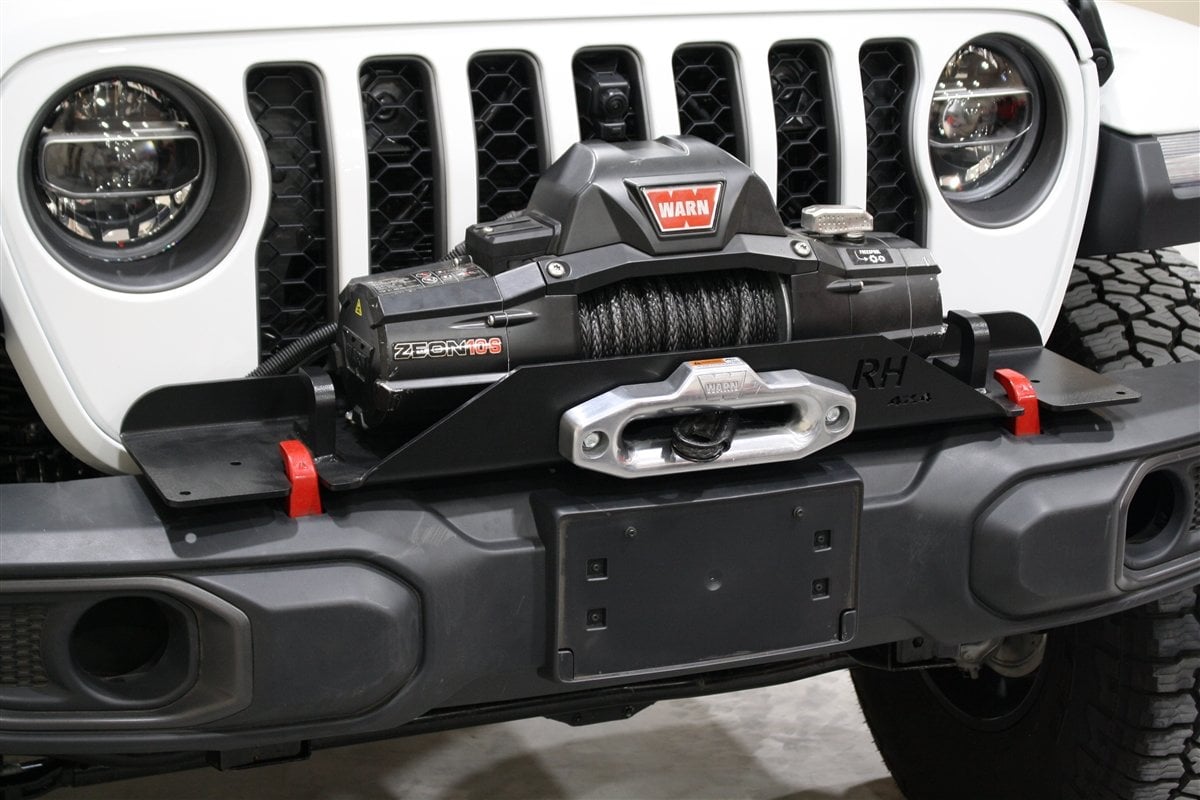
Example: Jeep Wrangler Frame Plate
A common setup for a Jeep Wrangler involves a steel winch plate bolted to the frame rails. This provides a secure base, often used by off-road enthusiasts. Installation usually takes 2–3 hours and costs $100–$250 for parts.
Practical Insight
Many beginners overlook the importance of frame strength. Mounting to thin metal or non-structural parts can lead to failure. Always check your vehicle’s frame specifications and consult with professionals if unsure.
Hitch-mounted Winch Systems: Versatile But Limited
Some winches are designed for mounting on receiver hitches, either front or rear. This is popular for trucks and SUVs with factory hitches.
Advantages
- Removable: You can transfer the winch between vehicles.
- Easy Installation: No major modifications required.
- Cost-Effective: Often cheaper than custom bumpers.
Limitations
- Lower Pulling Capacity: Most hitches are rated for towing, not winching.
- Flex and Movement: The hitch may flex under heavy loads, reducing efficiency.
- Cable Angle: Pulling at an angle can damage the hitch or winch.
Example: Ford F-150 Hitch Winch
Some Ford F-150 owners use front receiver hitches and portable winch mounts. This setup is best for light-duty recovery and should never exceed the rated capacity.
Non-obvious Insight
A hitch’s vertical load rating is often lower than its towing rating. Always check both numbers before winching, as exceeding the vertical rating can bend or break the hitch.
Custom Brackets And Hidden Mounts: Creative But Risky
For vehicles with limited space or unique styling, custom brackets allow you to mount a winch in unusual locations. Some people mount winches behind the grille or under the front end.
Pros
- Hidden Appearance: Keeps the winch out of sight.
- Fits Special Builds: Useful for vehicles with custom bodywork.
Cons
- Complex Fabrication: Requires welding and engineering skills.
- Potential for Weakness: If not mounted to the frame, brackets may fail.
- Difficult Access: Winch maintenance and cable feeding can be tricky.
Real-world Example
Some Toyota Tacoma owners install hidden winch mounts behind factory bumpers using custom brackets. This requires cutting and welding, and can cost $500 or more.
Practical Advisor Tip
Custom mounts often require reinforcement beyond what beginners expect. If you’re not skilled in metalwork, it’s better to hire a professional. Improper installation can lead to dangerous failures.
Why Mounting Directly To The Vehicle Body Is Unsafe
Some people try to mount winches to the vehicle’s body or thin sheet metal. This is extremely dangerous.
- Insufficient Strength: The body panels are not designed for heavy loads.
- Risk of Detachment: The winch can rip free, causing injury or damage.
- Legal Issues: Insurance may not cover damage from improper mounts.
Always mount to the frame, not to the body.

Technical And Safety Considerations
Installing a winch without a bumper requires careful attention to technical details. Missing small steps can lead to big problems.
Key Factors For Safe Installation
- Load Capacity: Make sure the mounting location supports the winch’s rated load.
- Bolt Quality: Use grade 8 or higher bolts for strength.
- Cable Routing: The winch cable must feed without obstruction.
- Electrical Connections: Ensure wiring is protected and correctly sized.
- Accessibility: You need access for maintenance and emergency use.
Data: Typical Winch Loads
Most common winches pull between 8,000–12,000 lbs. The mounting location must support at least this weight, preferably more for safety.
| Winch Rating | Minimum Mount Strength | Recommended Mount Type |
|---|---|---|
| 8,000 lbs | 10,000 lbs | Frame Plate |
| 10,000 lbs | 12,000 lbs | Frame Plate |
| 12,000 lbs | 15,000 lbs | Frame Plate / Custom |
Common Mistakes To Avoid
- Mounting to Weak Points: Never use thin metal or plastic.
- Ignoring Bolt Grade: Low-grade bolts can shear under load.
- Poor Cable Routing: Sharp bends can damage cables.
- Skipping Reinforcement: Always reinforce the mounting location.
Beginners often think “any metal will do. ” In reality, only certain parts of the vehicle can handle winching forces.
Cost Comparison: Bumper Vs. No Bumper Installation
Let’s break down the cost difference between traditional bumper-mounted winches and alternatives.
| Installation Type | Parts Cost | Labor Cost | Total Estimated Cost |
|---|---|---|---|
| Bumper-Mounted | $500–$1,500 | $300–$700 | $800–$2,200 |
| Frame Plate | $100–$250 | $150–$400 | $250–$650 |
| Hitch-Mounted | $80–$250 | $0–$100 | $80–$350 |
| Custom Bracket | $300–$700 | $400–$900 | $700–$1,600 |
Data shows that bumper-mounted setups are usually more expensive, but frame plates and hitch mounts offer budget-friendly alternatives.
Step-by-step Guide: Installing A Winch Without A Bumper
If you decide to install a winch without a bumper, follow these steps for a safe and reliable setup.
1. Choose Your Mounting Method
- Frame plate (recommended)
- Hitch mount (for light-duty)
- Custom bracket (for special builds)
2. Gather Tools And Materials
- High-strength steel plate
- Grade 8 bolts and nuts
- Drill and metal bits
- Winch kit
- Wiring and connectors
- Safety gear (gloves, eye protection)
3. Locate The Mounting Points
Identify the strongest frame locations near the front of your vehicle. Avoid body panels and suspension parts.
4. Prepare The Frame
Clean the area. Mark and drill holes according to the winch plate’s design.
5. Install The Plate
Position the plate and secure it with bolts. Tighten to manufacturer specs.
6. Mount The Winch
Attach the winch to the plate, ensuring alignment for cable feed.
7. Wire The Winch
Connect power cables to the battery, using correct gauge wire. Protect wires with conduit.
8. Test The System
Check for movement, flex, or unusual noises. Test winch operation with a light pull first.
9. Reinforce As Needed
If you notice flex or instability, add reinforcement brackets or consult a professional.
10. Maintenance
Regularly check bolts, wiring, and the mounting plate for wear or damage.
Real-world Examples And Case Studies
Let’s look at how different vehicle owners have solved the no-bumper winch challenge.
Jeep Wrangler Owner
A Jeep owner installed a frame-mounted winch plate after removing the factory bumper. The plate was bolted to the frame rails, supporting an 8,000 lb winch. After several recoveries, the mount showed no signs of damage.
Toyota Tacoma Enthusiast
A Tacoma driver wanted a hidden winch setup. They built custom brackets, reinforcing the frame behind the grille. The winch was accessible through a cutout, and the custom mount handled moderate off-road pulls.
Ford F-150 Truck User
This owner used a front receiver hitch and a removable winch mount. The system worked well for snow recovery, but flexed under heavy loads, limiting its usefulness for serious off-roading.
Non-obvious Insight
Most failures happen not during installation, but during the first heavy pull. Always test your setup under controlled conditions before relying on it in the field.
Legal And Insurance Concerns
Installing a winch without a bumper can affect your vehicle’s insurance coverage and legal status. Some insurance policies require certified mounting systems, and improper installation could void coverage.
- Check Local Laws: Some areas require winches to be mounted on approved bumpers.
- Insurance Requirements: Ask your insurer if custom mounts are covered.
- Road Safety Inspections: Non-standard mounts may fail safety checks.
If in doubt, consult a professional or a certified installer.
Pros And Cons Of Installing A Winch Without A Bumper
Let’s summarize the main advantages and drawbacks.
Pros
- Cost Savings: No need to buy expensive bumpers.
- Flexibility: Multiple mounting methods.
- Custom Appearance: Hidden or removable setups.
Cons
- Safety Risks: Poor mounts can fail under load.
- Limited Capacity: Some alternatives handle less weight.
- Legal Issues: May affect insurance or inspection results.
- Complexity: Custom fabrication can be challenging.
Expert Tips For Reliable Winch Mounting
- Always use the frame as your base—never mount to the body.
- Use high-grade bolts and hardware.
- Check cable routing for smooth feed.
- Test under light loads before real-world recovery.
- Consult professionals if unsure about fabrication or safety.
Many beginners miss that a winch’s strength is only as good as its mount. Don’t cut corners—your safety depends on it.
Frequently Asked Questions
What Happens If I Mount A Winch To The Body Instead Of The Frame?
Mounting to the body is unsafe. The thin metal can tear or bend, causing the winch to detach during use. Always use the frame for maximum strength.
Can A Hitch-mounted Winch Handle Heavy Off-road Recovery?
Hitch mounts are best for light-duty pulls. Heavy recovery can bend or break the hitch. Always check the hitch’s vertical load rating and never exceed it.
Is A Frame-mounted Winch Plate As Strong As A Bumper Mount?
A properly installed frame plate can match or exceed bumper mounts in strength, as long as it’s secured with high-grade bolts and reinforced as needed.
Does Installing A Winch Without A Bumper Affect Insurance?
Yes, some insurers require certified mounting systems. Improper installations may void coverage. Always check with your insurance provider.
Can I Install A Winch Myself Without Professional Help?
If you have tools and basic mechanical skills, you can install a frame plate or hitch mount. Custom brackets may require professional welding and engineering.
Final Thoughts
Installing a winch without a bumper is possible, but it’s not a simple shortcut. You need to ensure your mount is strong, safe, and legal. The frame-mounted winch plate is the most reliable option for most vehicles, while hitch mounts offer easy but limited solutions. Custom brackets work for unique builds but require skill and reinforcement. No matter which method you choose, never compromise on safety—your winch is only as strong as its mount. For more technical details and verified safety ratings, visit the Engineering Toolbox. Always plan ahead, test your setup, and consult experts if needed. This way, you’ll be ready for any recovery situation, even without a winch bumper.