Spooling winch rope may seem simple, but doing it wrong can cause big problems. If your rope is tangled, loose, or uneven, your winch could fail when you need it most. Whether you use your winch for off-road adventures, recovery, or work, knowing how to spool winch rope correctly is essential.
This guide will show you step-by-step how to spool your winch rope safely and efficiently, explain why it matters, and share expert tips that even experienced users often overlook.

49% off Today's Exclusive Deals
Limited-time Exclusive Deals. Check current discount on Amazon.
Check Price on Amazon As an Amazon Associate I earn from qualifying purchases.Why Proper Spooling Matters
A winch is only as good as its rope. If your rope is not spooled correctly, you risk:
- Rope damage: Friction, kinks, and uneven tension can weaken synthetic or steel rope.
- Winch failure: A tangled or loose rope can slip or jam, leaving you stuck.
- Safety hazards: Poorly spooled rope can snap under load, causing injury.
According to a 2023 survey by Off-Road Magazine, 1 in 4 winch failures is caused by incorrect rope spooling. Proper technique protects your equipment and your safety. It also extends the life of your winch rope, saving money in the long run.
Types Of Winch Rope
Before you start spooling, it’s important to know which kind of rope you have. Each type needs slightly different care.
49% off Today's Exclusive Deals
Limited-time Exclusive Deals. Check current discount on Amazon.
Check Price on Amazon As an Amazon Associate I earn from qualifying purchases.| Rope Type | Main Material | Strength | Care Needed |
|---|---|---|---|
| Steel Cable | Galvanized Steel | Very High | Rust protection, check for fraying |
| Synthetic Rope | Polyethylene (e.g., Dyneema) | High | UV protection, avoid sharp objects |
Steel cable is strong and durable but can rust and fray. Synthetic rope is lighter and safer if it breaks, but it’s more sensitive to heat and abrasion. Always follow manufacturer’s recommendations for your rope type.
Preparing For Spooling
Getting ready is half the job. Use these steps to prepare:
- Inspect the rope: Look for frays, kinks, or broken strands. If your rope is damaged, replace it.
- Clean the rope: Dirt and mud can cause abrasion. Rinse synthetic rope with water; wipe steel cable with a rag.
- Check the winch drum: Remove old rope, rust, and debris. The drum must be smooth.
- Wear gloves: Steel cable can cause cuts. Use heavy-duty gloves for all rope types.
- Secure your vehicle: Make sure your vehicle is in park, with the parking brake engaged.
Many people skip cleaning the rope or drum, but even small debris can cause wear or jams. Spending a few minutes now prevents hours of trouble later.
Tools And Equipment Needed
You don’t need fancy tools to spool winch rope, but these items help:
49% off Today's Exclusive Deals
Limited-time Exclusive Deals. Check current discount on Amazon.
Check Price on Amazon As an Amazon Associate I earn from qualifying purchases.- Gloves: Essential for safety.
- Winch controller: Wired or wireless, for precise control.
- Anchor point: Tree, post, or another vehicle.
- Weight bag: For safety, place on rope to dampen recoil.
- Helper: Extra hands make the job easier.
If you spool rope alone, be extra careful. Always stay clear of the rope path, and never put your hands near the drum while winching.
How To Attach Rope To The Winch Drum
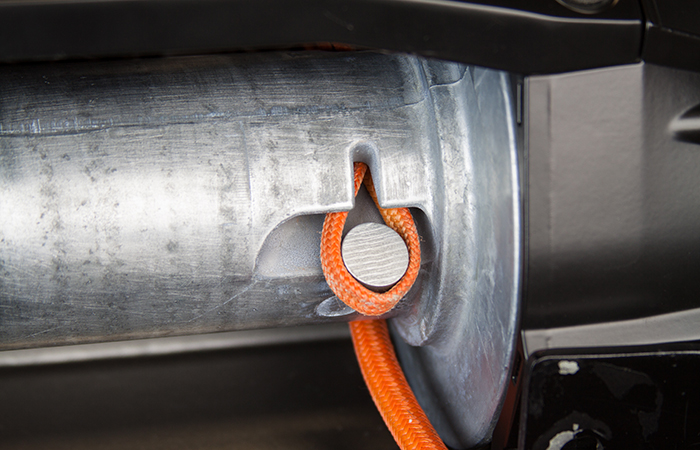
Attaching the rope correctly is vital. Most winch drums have a small hole or slot for the rope.
- Thread the rope: Pass the rope through the hole, leaving a few inches on the inside.
- Secure the rope: For synthetic rope, tie a knot or use a crimp. For steel cable, use the set screw.
- Check tightness: The rope must be firmly attached. Tug gently to test.
Some beginners skip this step or attach the rope loosely, which can cause it to slip under load. Always follow your winch’s manual for attachment instructions.
Step-by-step Guide To Spooling Winch Rope
Spooling winch rope is not just about winding it onto the drum. The method matters. Follow these steps for best results:
1. Find A Straight Anchor Point
The rope must spool evenly. Attach the rope hook to an anchor directly in front of your vehicle, at least 30 feet away. This reduces side pulling and keeps layers straight.
2. Apply Tension
The rope needs tension to spool tightly. Use your vehicle’s weight or ask a helper to pull the rope taut. For synthetic rope, tension is especially important to prevent digging into lower layers.
3. Wind The Rope Slowly
Use your winch controller to start winding. Keep the speed slow and steady. Guide the rope with a gloved hand, making sure each wrap sits neatly beside the last.
- Never cross layers: Crossed rope causes jams and damage.
- Avoid gaps: Gaps between wraps make rope dig in.
4. Keep Layers Even
Watch the drum closely. If the rope starts to bunch up on one side, pause and guide it back. The first layer should cover the drum completely, edge to edge. Each new layer should sit neatly on top of the last.
Many users let the rope wind freely, but uneven layers cause problems. Take your time and guide each wrap.
5. Stop And Adjust
If you see tangles, kinks, or loose wraps, stop the winch. Fix the problem before continuing. It’s easier to fix now than later.
6. Finish With The Hook
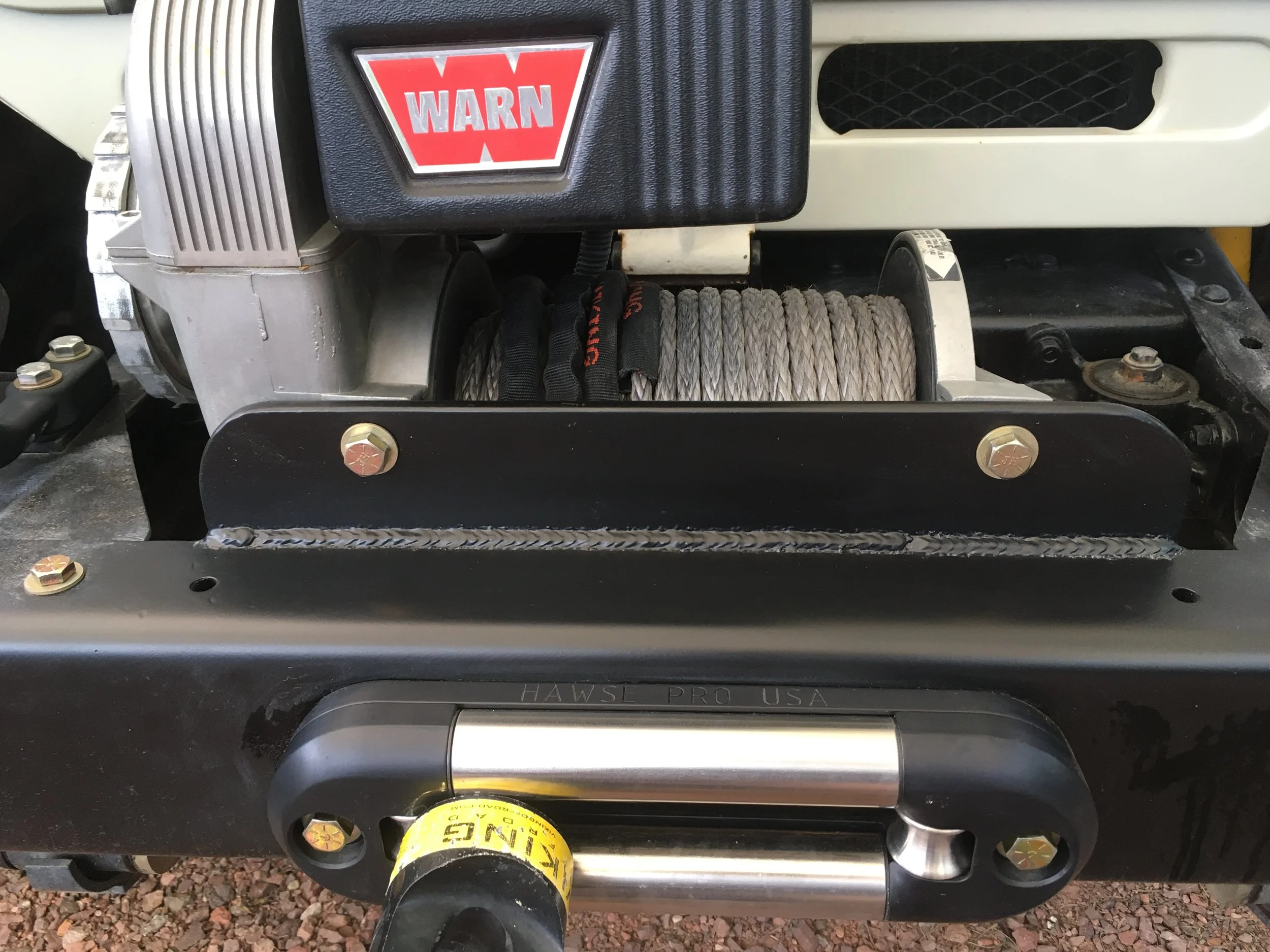
When the rope is fully spooled, leave the hook accessible. Don’t wind the hook all the way against the drum—this can damage the winch or rope. Secure the hook to a strong point on your bumper or winch mount.
Common Mistakes And How To Avoid Them
Spooling winch rope is easy to do wrong. Here are the most frequent mistakes and how to prevent them:
- No tension: Loose rope will dig into lower layers and cause jams. Always spool under tension.
- Crossed wraps: Crossing rope increases wear and can cause winch failure. Guide rope carefully.
- Spooling too fast: High speed can cause uneven layers. Use slow, steady winding.
- Ignoring rope damage: Frays or kinks get worse over time. Inspect before every use.
- Hook wound onto drum: This damages the drum, rope, and hook. Leave the hook outside.
- Wrong anchor angle: Side pulls cause uneven spooling. Use a straight anchor.
- Skipping gloves: Steel cable can cause serious injuries. Always protect your hands.
Avoiding these mistakes will keep your winch rope strong and reliable.
Spooling Synthetic Vs. Steel Rope
Synthetic and steel ropes need slightly different spooling techniques. Here’s how they compare:
| Feature | Synthetic Rope | Steel Cable |
|---|---|---|
| Weight | Light | Heavy |
| Safety | Safer if snapped | Can cause injury if snapped |
| Spooling Needs | Needs firm tension | Tension important but less critical |
| Layering | Must avoid digging in | Can crush lower layers |
| Wear | UV and abrasion sensitive | Rust and fray sensitive |
Synthetic rope needs more tension and careful layering. Steel cable is less sensitive to tension but can crush itself. Always check the rope type and follow the right method.
How Often Should You Re-spool?
Many winch users only re-spool after heavy use, but experts recommend re-spooling regularly.
- After every recovery: Inspect and re-spool to check for damage.
- Monthly: Even if unused, re-spool to prevent flat spots.
- After exposure to mud, sand, or water: Clean and re-spool.
Neglecting regular spooling can cause hidden problems. For example, sand grains can act like sandpaper, weakening rope over time.
Practical Tips From Experienced Users
Some tips only come from experience. Here are two insights beginners often miss:
- Pre-tension before use: After installing new rope, pull it out and spool it under load. This prevents digging and loosening.
- Mark the rope: Use colored tape or paint at 10-foot intervals. This helps you track how much rope is left and improves safety.
Another useful tip: Store a small bottle of waterless cleaner in your vehicle. If you spool rope after use, cleaning it on the spot prevents damage.
How To Fix Badly Spooled Rope
If your winch rope is tangled, loose, or uneven, don’t panic. Here’s how to fix it:
- Unwind the rope completely: Pull the rope out, checking for damage.
- Clean and inspect: Remove dirt, check for frays.
- Re-spool using proper tension: Follow the steps above, guiding each wrap.
- Replace damaged rope: If you find broken strands or deep kinks, install new rope.
Fixing a bad spool may take 15–30 minutes. It’s worth the time to prevent future problems.
Winch Rope Maintenance
Good maintenance extends the life of your winch rope. Here’s how:
- Wash synthetic rope: Rinse with water; dry before storing.
- Lubricate steel cable: Use light oil to prevent rust.
- Store rope properly: Avoid direct sunlight and extreme temperatures.
- Inspect regularly: Look for cuts, burns, or broken wires.
- Replace when needed: If the rope shows serious wear, don’t risk it.
Proper maintenance is often overlooked, but it can double the life of your winch rope.
Safety Precautions
Winching is dangerous if you ignore safety. Always follow these rules:
- Wear gloves: Protect your hands from cuts.
- Stand clear: Never stand in line with the rope under tension.
- Use a weight bag: Place it on the rope to dampen recoil if it snaps.
- Check surroundings: Keep people and pets away.
- Never overload: Know your winch and rope’s weight limits.
The US National Safety Council reports that most winching injuries happen because users ignore basic safety steps. Don’t take shortcuts—your safety comes first.
Comparing Winch Rope Brands
Choosing the right winch rope can make spooling easier. Here’s a comparison of popular brands:
| Brand | Material | Breaking Strength (lbs) | Price Range | UV Resistance |
|---|---|---|---|---|
| Warn | Synthetic | 10,000–18,000 | $120–$320 | High |
| Superwinch | Steel | 8,000–15,000 | $90–$240 | Moderate |
| Rugged Ridge | Synthetic | 9,500–20,000 | $110–$290 | High |
When choosing rope, look for:
- Breaking strength: Should match or exceed your winch’s rating.
- UV resistance: Important for synthetic rope.
- Price vs. quality: Higher price often means better materials.
For more details, see the Warn official site.
Troubleshooting Common Problems
Even with care, problems can happen. Here’s how to handle them:
- Rope slipping: Check attachment point and tension. Re-spool tightly.
- Rope fraying: Replace rope. Inspect drum for sharp edges.
- Winch drum jamming: Unwind rope, clean drum, and re-spool carefully.
- Hook stuck: Avoid winding hook onto drum. Use proper storage point.
- Rope digging in: Spool under higher tension. Mark layers for easier tracking.
If your winch rope keeps digging into lower layers, it often means you’re spooling with too little tension. Use a heavier load or ask a helper to pull the rope tight.
Frequently Asked Questions
What Is The Best Tension For Spooling Winch Rope?
Spool winch rope with enough tension to keep each wrap tight. For synthetic rope, use about 100–200 pounds of tension (about the force of pulling a small car). Steel cable needs less tension but should still be firm.
How Often Should I Replace My Winch Rope?
Replace winch rope when you see frays, broken wires, or deep kinks. Synthetic rope usually lasts 2–5 years with proper care. Steel cable can last longer but is more prone to rust and fraying.
Can I Spool Winch Rope Alone?
Yes, but it’s safer and easier with a helper. If you work alone, anchor the rope to a fixed point and keep tension by backing away slowly. Use the winch controller to wind the rope carefully.
Is It Safe To Spool Rope With The Winch Hook Attached?
Never wind the hook onto the drum. Stop spooling when the hook reaches a safe storage point, like your bumper or winch mount. Winding the hook onto the drum can cause damage and safety hazards.
What Should I Do If My Rope Gets Tangled Or Jammed?
Stop the winch and unwind the rope completely. Clean and inspect the rope, then re-spool slowly under tension. If the rope is badly damaged, replace it before using your winch again.
Spooling winch rope correctly may take a little time, but the payoff is huge. Your winch will work better, your rope will last longer, and you’ll stay safe in tough situations. With the right method, regular care, and attention to detail, you can trust your winch whenever you need it most.