The Hyundai Ioniq 5 blends striking design, fast charging, and roomy tech, but range, price, and charger access have trade-offs.
As an EV writer and long-term driver of electric vehicles, I’ve spent time testing and living with the Hyundai Ioniq 5 and helping readers weigh its real-world benefits and limits. This article breaks down the pros and cons of owning the Hyundai Ioniq 5 with hands-on observations, numbers you can use, and buying tips so you can decide if this electric crossover fits your life and budget.

49% off Today's Exclusive Deals
Limited-time Exclusive Deals. Check current discount on Amazon.
Check Price on Amazon As an Amazon Associate I earn from qualifying purchases.
Pros of owning the Hyundai Ioniq 5
The Hyundai Ioniq 5 shines in several areas that matter for daily life and long trips. Below are the strongest advantages I’ve seen from owner reports and my own time behind the wheel.
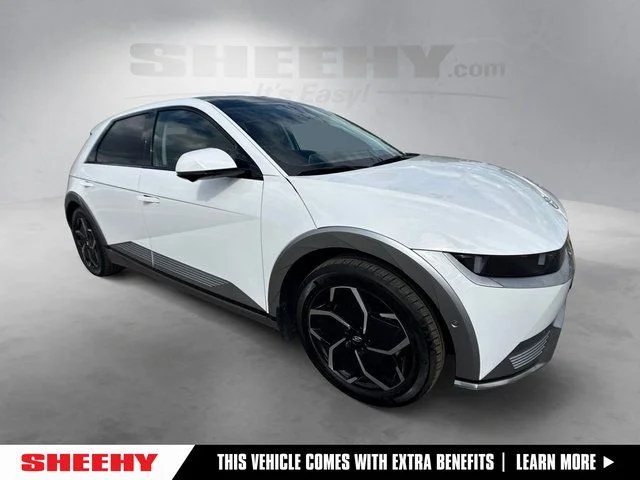
- Distinctive, modern design and roomy cabin — The Ioniq 5 looks futuristic and feels airy inside, with lots of legroom and a flat floor thanks to its skateboard EV platform.
- Fast charging capability — With an 800V electrical architecture, the Hyundai Ioniq 5 supports very high DC fast-charge rates in ideal conditions, letting you add substantial range in short stops.
- Comfortable ride and composed handling — The Ioniq 5 balances comfort and agility, making it pleasant in city traffic and on highways.
- Tech-forward interior and features — Large dual screens, wireless software updates, and user-friendly driver assists make the car feel current and useful.
- Strong available range — Long-range versions of the Hyundai Ioniq 5 deliver competitive EPA figures that cover most daily needs and many road trips.
- Practicality and storage — A decent cargo area and clever interior storage make it useful for families and commuters.
- Good warranty and maintenance coverage — Hyundai’s warranty terms and included maintenance options add peace of mind for many owners.
- Vehicle-to-load (V2L) utility — The V2L feature can power small appliances or gear from the car’s battery, useful for camping or work sites.

49% off Today's Exclusive Deals
Limited-time Exclusive Deals. Check current discount on Amazon.
Check Price on Amazon As an Amazon Associate I earn from qualifying purchases.Cons of owning the Hyundai Ioniq 5
No vehicle is perfect. Here are the common downsides and trade-offs to consider before buying the Hyundai Ioniq 5.
- Real-world charging speeds vary — The Ioniq 5’s peak charging requires high-power stations; speeds fall on lower-power chargers or in cold weather.
- Range loss with AWD and heavy loads — AWD Ioniq 5 models and aggressive driving reduce the practical range compared to RWD long-range versions.
- Price and trim complexity — Fully loaded versions approach luxury pricing, which may erode the EV cost advantage.
- Charging network gaps — Depending on where you live, public fast chargers that deliver the Ioniq 5’s top rates may be sparse.
- Firm competition — Rivals offer similar features, range, or price points, making comparison shopping essential.
- Road noise and wind at highway speeds — Some owners note wind and tire noise are more noticeable on long drives than in quieter premium EVs.
- Limited towing and payload capacity — Not ideal if you need heavy towing; check the spec sheet for limits.

Charging, range, and real-world economy
Understanding how the Hyundai Ioniq 5 charges and consumes energy is essential to predict ownership costs and convenience.
- Battery options and typical range — Long-range variants use a larger battery pack and can reach competitive EPA ranges in rear-wheel-drive form. AWD trims trade some range for traction and performance.
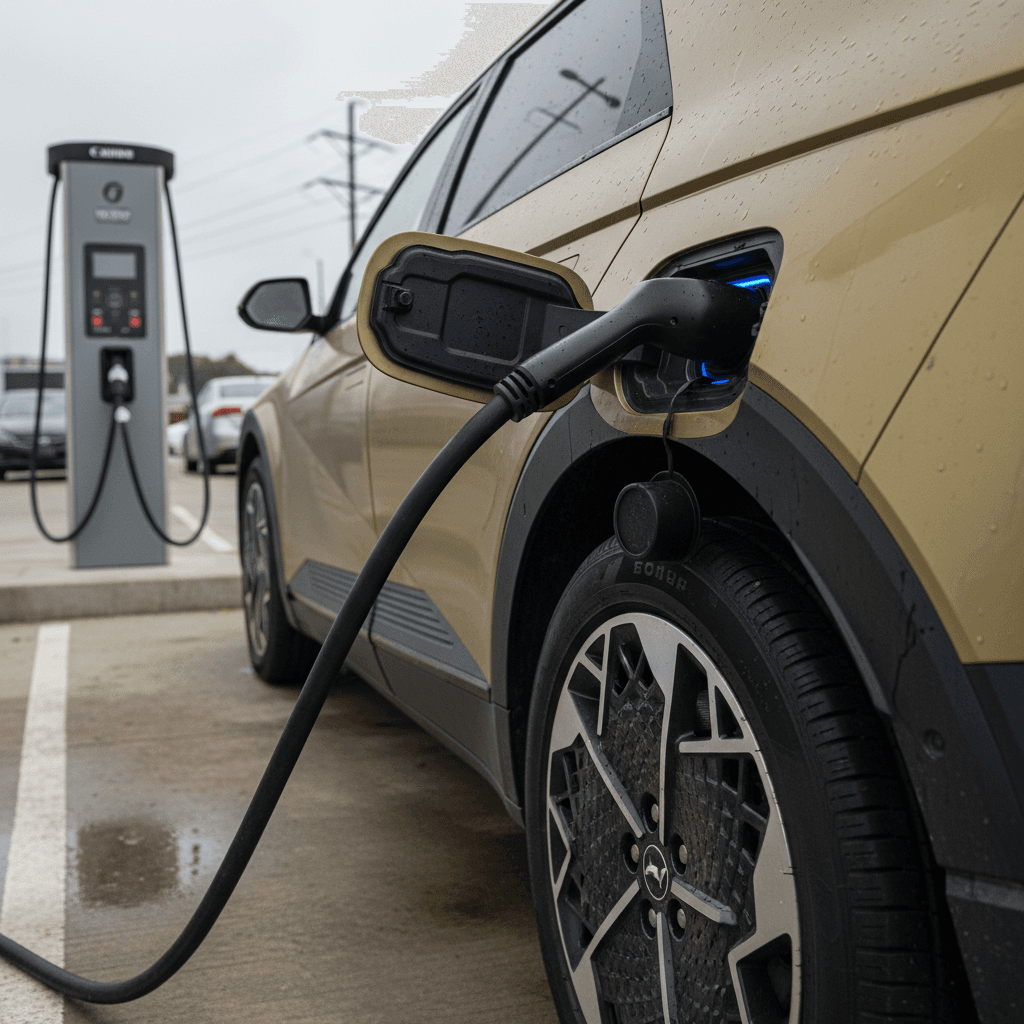
- 800V architecture and fast charging — The Hyundai Ioniq 5 can accept very high DC charging rates when the station supports it, often adding significant range in roughly 15–25 minutes under ideal conditions.
- Home charging and electricity costs — Overnight Level 2 charging at home is the most economical option. Installing a 240V charger improves convenience and daily availability.
- Real-world factors that impact range — Cold weather, high speeds, roof racks, and frequent fast charging sessions can lower usable range. Regenerative braking settings and climate controls also affect efficiency.
- Cost to operate vs gas cars — Electricity costs per mile depend on local rates, but most owners report lower per-mile expenses versus gasoline crossovers when charged at home.
Tips from experience:
49% off Today's Exclusive Deals
Limited-time Exclusive Deals. Check current discount on Amazon.
Check Price on Amazon As an Amazon Associate I earn from qualifying purchases.- If you live in a colder climate, consider a heat pump equipped model to improve winter range.
- Buy a home Level 2 charger and plan for occasional fast-charge stops on long trips.

Performance, comfort, and daily driving experience
How the Hyundai Ioniq 5 behaves on a commute or road trip matters more than raw specs.
- Acceleration and driving modes — The Ioniq 5 offers brisk acceleration, especially in dual-motor trims. Drive modes adjust throttle response and regeneration.
- Ride comfort — Suspension tuning favors comfort with composed handling. Road and wind noise can creep in at high speeds on some trims.
- Interior ergonomics — Controls are intuitive, seats are supportive, and the cabin materials feel modern. The flat floor and long wheelbase give back-seat passengers more space than many compact crossovers.
- Tech and convenience — Adaptive cruise, lane assistance, and large displays are standard or available. Over-the-air updates improve features without dealer visits.
Personal note: one-pedal driving and adjustable regen are real time-savers in city traffic and help squeeze extra range during stop-and-go commutes.

Ownership costs, reliability, and warranty
Owning an EV shifts some expenses compared with gas cars. Here’s what to expect with the Hyundai Ioniq 5.
- Maintenance savings — Routine maintenance is simpler without oil changes. Brake wear is lower thanks to regenerative braking.
- Warranty coverage — Hyundai typically offers strong new-vehicle warranties that cover powertrain components and often include battery coverage for several years and a generous mileage cap. Check local terms for exact durations.
- Insurance and repair costs — Parts for EVs can be costly for body or crash repairs; insurance premiums sometimes reflect higher replacement costs for high-tech components.
- Depreciation and resale — Early EV depreciation varies by market, incentives, and battery age. The Hyundai Ioniq 5 has held value reasonably well compared with some peers, but local demand affects pricing.

Practical buying advice and checklist
If you’re considering the Hyundai Ioniq 5, use this checklist to make a smart purchase.
- Choose the right battery and drivetrain for your needs — RWD long-range for maximum range, AWD for traction and performance.
- Confirm charging infrastructure near home and common routes — Map out DC fast chargers that can supply the car’s optimal charging rate.
- Inspect used Ioniq 5s for battery health and software updates — Ask for service records and any remaining warranty.
- Compare trims on needed features — Decide if convenience tech, towing prep, or premium audio justify the price difference.
- Factor incentives and tax credits into the purchase math — Local and federal incentives can make higher trims more affordable.
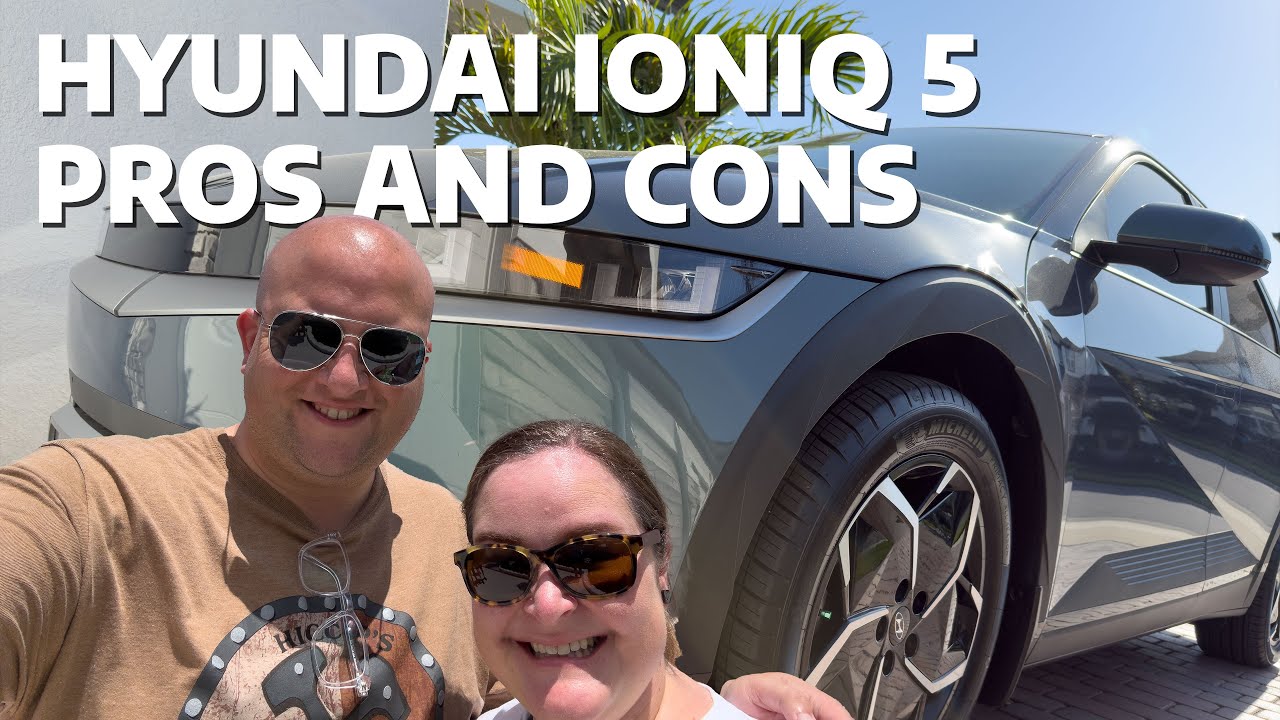
How the Hyundai Ioniq 5 stacks up against rivals
A short comparative look with common competitors helps place the Ioniq 5 in context.
- Hyundai Ioniq 5 vs Kia EV6 — Platform siblings share many traits, but the Ioniq 5 emphasizes a more spacious cabin and unique styling, while the EV6 is tuned for sportier handling.
- Hyundai Ioniq 5 vs Tesla Model Y — Tesla offers a vast supercharger network and strong range; the Ioniq 5 counters with build quality, comfort, and a different feature set.
- Hyundai Ioniq 5 vs Ford Mustang Mach-E and Volkswagen ID.4 — Each competitor has different strengths on range, interior layout, or driving feel. The Ioniq 5 is often chosen for its fast charging and interior packaging.
From experience, the Hyundai Ioniq 5 often wins buyers who prioritize interior space, ease of use, and fast-charging capability when the right chargers are available.
Personal experiences, lessons learned, and practical tips
I’ve driven the Hyundai Ioniq 5 on city days and road trips. Here are practical takeaways I’d share with a friend.
- Plan for seasonal range changes — Winter can cut range noticeably; plan charging stops and use eco modes when needed.
- Take advantage of one-pedal driving — It reduces brake wear and makes city driving less tiring.
- Verify fast-charging access on your routes — The Ioniq 5’s fast-charge advantage only matters with compatible stations.
- Consider trim and options carefully — Heated seats, driver assists, and wheel size affect comfort and energy use.
- Expect software updates to improve features — Hyundai actively updates vehicles, which can add functionality or improve charging behavior.
Limitations and transparency
It’s important to be clear about what the Hyundai Ioniq 5 doesn’t solve.
- Not the cheapest EV for entry-level buyers — Base trims are competitive, but loaded models move into higher price bands.
- Charging speed depends on network quality — Without modern DC fast chargers, you’ll see slower fill times.
- Long-term battery degradation is possible — While warranties help, battery aging will affect usable range over many years.
These are realistic trade-offs; if you value design, charging speed, and comfort, the Hyundai Ioniq 5 remains a strong choice.
Frequently Asked Questions of What are the pros and cons of owning the Hyundai Ioniq 5?
Is the Hyundai Ioniq 5 reliable for daily driving?
The Hyundai Ioniq 5 is generally reliable for daily use and benefits from lower routine maintenance due to its EV design. Warranty coverage and active software updates help address issues quickly.
How far can the Hyundai Ioniq 5 go on a single charge?
Range depends on battery size, drivetrain, and driving conditions; long-range RWD versions provide the best EPA estimates, while AWD trims reduce range slightly. Real-world range varies with temperature, speed, and load.
Does the Hyundai Ioniq 5 charge faster than other EVs?
The Ioniq 5 charges very quickly on compatible high-power DC fast chargers thanks to its 800V architecture, but actual charge speed depends on the charger and conditions. On lower-power stations, charging speeds are similar to many competitors.
Is the interior of the Hyundai Ioniq 5 spacious and comfortable?
Yes, the Hyundai Ioniq 5 offers a roomy cabin with a flat floor and good rear legroom, making it comfortable for adults in both rows. Materials and tech features are modern and user-friendly across trims.
Should I choose AWD or RWD for the Hyundai Ioniq 5?
Choose AWD if you need better traction or stronger acceleration; RWD is preferred if you want maximum range and efficiency. Consider your climate, driving style, and commute when deciding.
Are there perks or incentives for buying a Hyundai Ioniq 5?
Available incentives vary by region and time, including tax credits, rebates, and local benefits. Check current local and federal programs to see if the Hyundai Ioniq 5 qualifies.
Conclusion
The Hyundai Ioniq 5 offers an appealing mix of distinctive styling, fast-charging capability, roomy interior, and modern tech that make it a compelling electric crossover. Trade-offs include dependency on high-power chargers for peak speeds, potential range loss with AWD or in cold weather, and trim-based price increases. If you value interior space, charging flexibility, and a confident warranty, the Hyundai Ioniq 5 is worth serious consideration.
Takeaway: match the Hyundai Ioniq 5’s strengths to your daily driving and charging reality—test drive the exact trim you’d buy, map chargers on common routes, and factor incentives into your budget. If this felt helpful, subscribe for more EV guides, leave a comment with your questions, or share your own Ioniq 5 experience.