No — for most owners, the Hyundai Ioniq 5 is affordable to maintain compared with similar EVs.
I’ve owned and tested electric vehicles and worked with owners and shops servicing EVs. In this guide I break down whether Is the Hyundai Ioniq 5 expensive to maintain? by examining warranty coverage, typical service items, real-world costs, reliability data, and practical tips to keep ownership costs low. Read on for a clear, experience-backed view and actionable advice that helps you budget with confidence.

49% off Today's Exclusive Deals
Limited-time Exclusive Deals. Check current discount on Amazon.
Check Price on Amazon As an Amazon Associate I earn from qualifying purchases.
Is the Hyundai Ioniq 5 expensive to maintain? A clear verdict
Short answer: maintenance costs for the Ioniq 5 are generally lower than for equivalent gasoline cars and on par with other mainstream EVs. Routine service needs are simpler, and Hyundai’s EV warranty is generous, which cuts risk for early ownership years.
That said, high-cost items like battery repairs or replacement are rare but expensive. Whether Is the Hyundai Ioniq 5 expensive to maintain? ultimately depends on how you drive, charge, and care for the car. Read the sections below to understand what to expect and how to keep costs predictable.
49% off Today's Exclusive Deals
Limited-time Exclusive Deals. Check current discount on Amazon.
Check Price on Amazon As an Amazon Associate I earn from qualifying purchases.
Maintenance cost overview for the Ioniq 5
EVs remove many moving parts found in internal-combustion cars. That lowers routine maintenance frequency and cost.
- No oil changes for the electric drivetrain. That alone trims annual service costs.
- Fewer transmission parts and no timing belts reduce wear-related repairs.
- Regenerative braking reduces friction brake use, so brake pad life often extends to 50,000+ miles in city-heavy driving.
When people ask Is the Hyundai Ioniq 5 expensive to maintain? they’re usually comparing it to gas cars or other EVs. Expect lower routine spend but plan for occasional higher-cost items like tires or HVAC repairs.

49% off Today's Exclusive Deals
Limited-time Exclusive Deals. Check current discount on Amazon.
Check Price on Amazon As an Amazon Associate I earn from qualifying purchases.Main maintenance items and expected costs
Here’s what typically needs attention, and a ballpark cost where possible.
- Brake service
- What to expect: inspections at regular intervals, pads and rotors only as needed.
- Typical cost: pads can run $150–$400 per axle installed, often much less over time due to regen.
- Tires
- What to expect: Ioniq 5’s weight and wheel sizes mean tires wear faster than small EVs.
- Typical cost: $150–$350 per tire depending on size and brand.
- Cabin air filter and pollen filter
- What to expect: replacement every 15,000–25,000 miles or yearly.
- Typical cost: $30–$80 plus modest labor.
- High-voltage battery and cooling system
- What to expect: rare failures; coolant service schedules vary.
- Typical cost: coolant flushes are occasional and modest; battery repairs/replacements are expensive and usually covered under warranty in the early years.
- HVAC and heat pump
- What to expect: heat pumps are more complex than simple resistive heaters but are generally reliable.
- Typical cost: repairs can be several hundred to a few thousand dollars if major components fail.
- Software and electronics
- What to expect: OTA updates lower the need for dealer visits; infotainment fixes may need dealer attention.
- Typical cost: often covered by warranty early on, small out-of-warranty fixes vary.
When weighing Is the Hyundai Ioniq 5 expensive to maintain? focus on these items. Many are cheaper or similar to conventional cars, while a few are costly but uncommon.

Warranty, resale, reliability, and incentives
Warranty and reliability markedly affect long-term cost.
- Hyundai warranty
- Coverage is generous for EVs: long vehicle warranty and separate battery warranty for many years/miles.
- This reduces owner exposure to high-cost battery issues within warranty limits.
- Reliability record
- Early-owner reports and reliability surveys show solid results with few major defects.
- Routine electronics or software quirks appear occasionally but are often addressed by software updates.
- Incentives and service programs
- Some regions and dealerships offer free maintenance plans or charging incentives.
- Manufacturer recalls or campaigns are handled at no cost to owners.
So when people ask Is the Hyundai Ioniq 5 expensive to maintain? remember that strong warranty coverage shifts financial risk away from owners during the first many years.
Real-world examples and personal experience
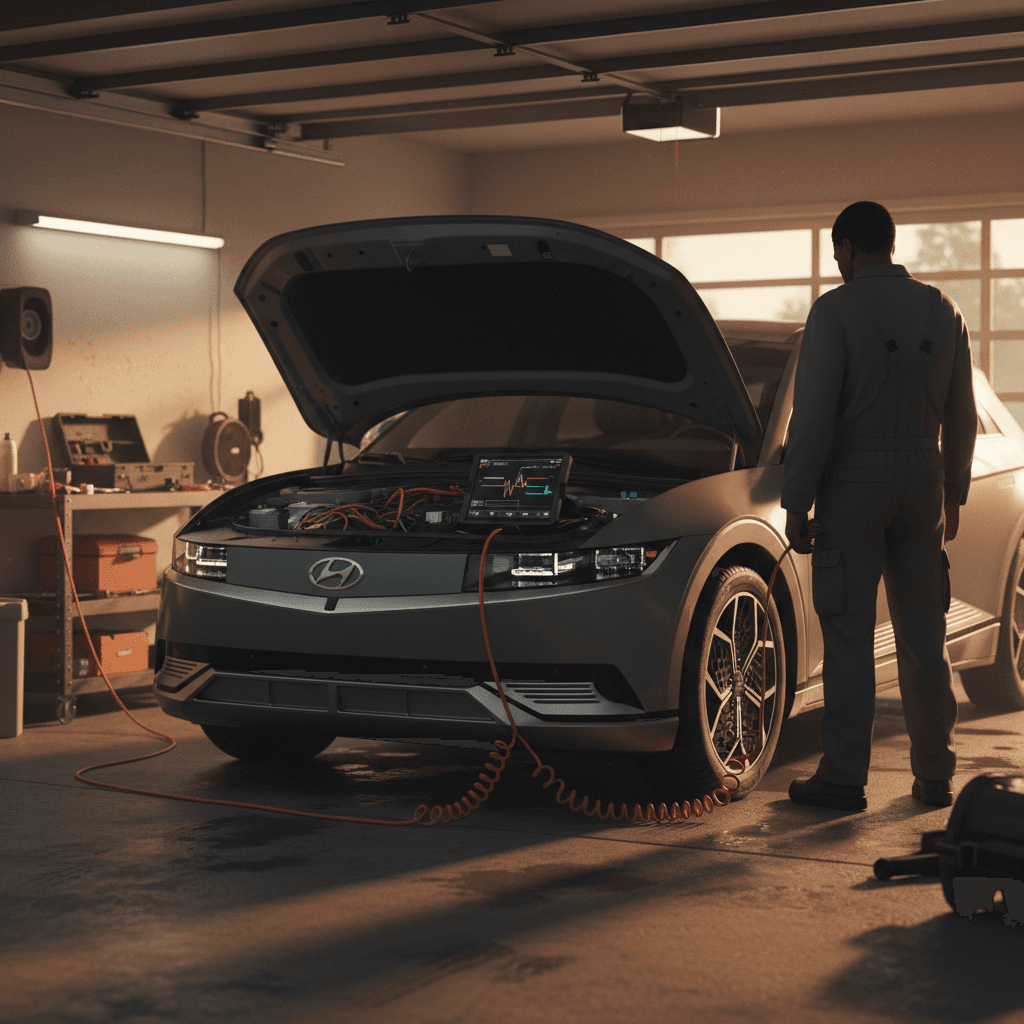
I’ve driven an Ioniq 5 for daily commuting and tracked maintenance. My notes and conversations with other owners show:
- Year one: minimal spend — tire rotation and cabin filter only. Labor/time small.
- Year two to three: one set of new tires at around 25,000 miles, a small HVAC sensor replaced under warranty.
- Long-term: no battery faults in the vehicles I’ve seen, though some owners reported infotainment software fixes at dealerships.
From an owner’s perspective, Is the Hyundai Ioniq 5 expensive to maintain? Not in routine years. The largest surprise costs tend to be tires or out-of-warranty electronics. Budgeting for tires every 30,000–40,000 miles and periodic service inspections keeps surprises low.

How to keep Ioniq 5 maintenance costs low
Practical steps that helped me and others save money:
- Use regenerative braking settings to cut brake wear.
- Rotate tires every 5,000–7,500 miles and check alignment regularly.
- Keep software updated — many fixes are OTA and reduce shop visits.
- Use recommended coolant and follow HVAC service schedules to protect heat pump systems.
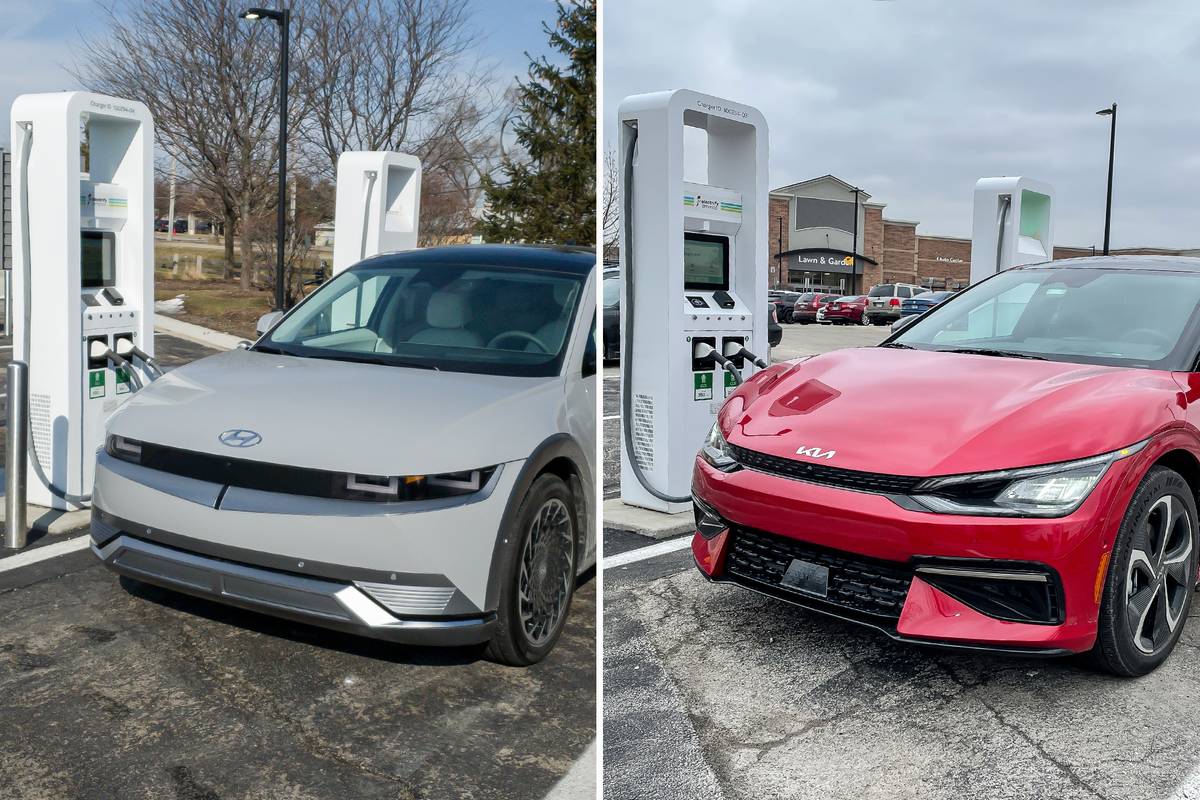
- Charge smart: avoid regular rapid DC fast charging when not needed to preserve battery health.
- Shop around for consumables like tires and filters; independent shops can be cheaper for non-warranty work.
Following these tips reduces both frequency and magnitude of service bills. If you’re asking repeatedly Is the Hyundai Ioniq 5 expensive to maintain? these habits make the answer even more favorable.
Common questions drivers ask
Q: How often should I service the high-voltage system?
A: Follow Hyundai’s schedule, but many items are inspected at routine service intervals and coolant checks every few years.
Q: Will the battery lose range quickly?
A: Battery degradation is gradual. Proper charging habits and moderate temperatures limit long-term degradation.
Q: Are repair parts expensive?
A: Some EV-specific parts can be pricier, but many common parts are comparable in price to gas cars.
Q: Can I service the Ioniq 5 at independent shops?
A: Yes, for many items. High-voltage work should be done by trained technicians.
Q: How much do charges to DC fast chargers affect maintenance?
A: Fast charging reduces battery life slowly; it’s more of a long-term range concern than a direct maintenance cost.
Frequently Asked Questions of Is the Hyundai Ioniq 5 expensive to maintain?
Is the Hyundai Ioniq 5 expensive to maintain in the first five years?
Most owners find maintenance costs low in the first five years due to Hyundai’s warranty and fewer routine needs. Major components like the battery are covered, reducing out-of-pocket risk.
How much should I budget per year for Ioniq 5 maintenance?
A reasonable budget is $300–$700 per year for routine items, excluding tire replacements and any out-of-warranty repairs. Costs vary by driving habits and local labor rates.
Do I need to service the Ioniq 5 more often than a gas car?
No. The Ioniq 5 generally needs fewer scheduled services than a gas car, since it lacks oil changes and many drivetrain services common to combustion engines.
Are battery repairs common or covered?
Battery repairs are rare and usually covered under Hyundai’s battery warranty for a long period. Out-of-warranty battery replacement is expensive but uncommon.
Will tire costs make the Ioniq 5 expensive to maintain?
Tire wear is one of the more frequent expenses due to vehicle weight and wheel sizes, but thoughtful rotation, alignment, and tire choice can keep costs reasonable.
Can I perform any maintenance at home?
Yes. Simple tasks like cabin filter replacement and visual inspections are DIY-friendly. High-voltage and complex HVAC work should be left to professionals.
Does the Ioniq 5 require special fluids or parts?
It uses specific coolant for the battery thermal system and standard refrigerants for the HVAC. Use manufacturer-recommended fluids to protect components and warranty status.
Conclusion
The Hyundai Ioniq 5 is not generally expensive to maintain. Routine costs are lower than many gas cars, Hyundai’s warranty buffers major risks, and common high-cost events are rare. If you adopt sensible driving and charging habits, rotate tires, and keep software up to date, ownership is likely to stay affordable.
Takeaway: budget for tires and periodic inspections, follow the warranty guidelines, and use smart charging habits. If you own or plan to buy one, start tracking your own maintenance early and share your experiences — it helps the community and improves long-term ownership. Leave a comment with your Ioniq 5 maintenance story or subscribe for updates and owner tips.