Yes — the Porsche Taycan offers multiple regenerative braking modes, including strong one-pedal recuperation.
I’ve tested and studied electric drivetrains for years, and I’ll walk you through how the Porsche Taycan manages energy recovery, what modes are available, and how to get the most range and drivability out of its systems. This guide breaks down Porsche Taycan regenerative braking modes, real-world behavior, setup steps, benefits, limits, and practical tips so you can drive smarter and longer.

49% off Today's Exclusive Deals
Limited-time Exclusive Deals. Check current discount on Amazon.
Check Price on Amazon As an Amazon Associate I earn from qualifying purchases.
How regenerative braking works in the Porsche Taycan
Regenerative braking turns kinetic energy into electrical energy. The Taycan captures energy with its motors when you lift off the accelerator or apply the brakes. That energy flows back into the battery and extends range.
Porsche uses software and hardware to vary how strongly the motors slow the car. The result is different driving feels, from light coasting to firm one-pedal stopping. Porsche Taycan regenerative braking modes control those behaviors through drive settings and auto features.
49% off Today's Exclusive Deals
Limited-time Exclusive Deals. Check current discount on Amazon.
Check Price on Amazon As an Amazon Associate I earn from qualifying purchases.Key factors that affect regen strength:
- Battery state of charge influences how much energy can be accepted.
- Vehicle speed and motor temperature affect power flow.
- Driver-selected modes and adaptive features change deceleration feel.

Regenerative braking modes and settings explained
Porsche offers several ways to change the recuperation behavior. Names and layout in the menus can vary by model year and infotainment software, but the core options are consistent.
Common Taycan regenerative braking setups you’ll find:
49% off Today's Exclusive Deals
Limited-time Exclusive Deals. Check current discount on Amazon.
Check Price on Amazon As an Amazon Associate I earn from qualifying purchases.- Standard recuperation for balanced feel and smooth transitions.
- Strong recuperation (one-pedal style) for city driving and frequent stops.
- Adaptive or auto recuperation that adjusts based on navigation or traffic.
- Coasting or minimal recuperation when you want a free-roll feel.
Porsche Taycan regenerative braking modes let you pick comfort or efficiency. In strong recuperation, lift off the throttle and the car slows noticeably, letting you use one pedal most of the time. In coasting or low recuperation, the car keeps rolling, which some drivers prefer on highways.
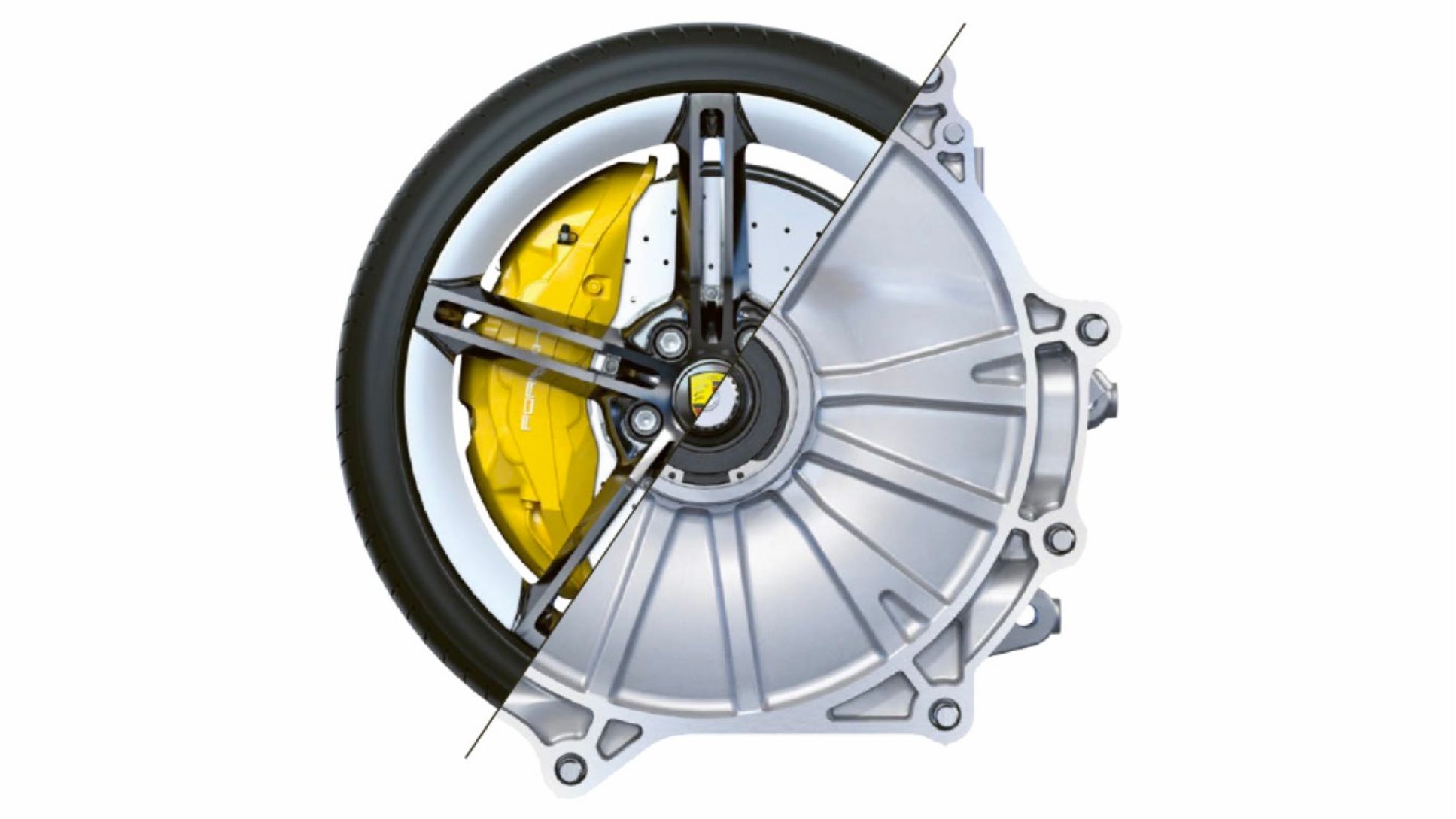
How to enable and use regenerative braking in the Taycan
Finding and changing Porsche Taycan regenerative braking modes is straightforward. Use the driving settings in the instrument cluster or the central touchscreen. Some model years also let you assign quick access buttons for faster switching.
Steps to try one-pedal driving:
- Choose strong recuperation in the driving settings.
- Practice in a low-traffic area to feel how the car slows.
- Use light brake pedal input for a full stop when needed.
Tips for adaptive modes:
- Enable navigation-linked adaptive recuperation if you want the car to anticipate stops.
- Watch how regeneration changes near slopes and junctions; the system can increase or decrease recovery automatically.

Benefits and limitations of Porsche Taycan regenerative braking modes
Benefits:
- Improved range through recovered energy.
- Less wear on friction brakes.
- Safer, more predictable deceleration in traffic when using stronger regen.
- Customizable feel to match driving style or conditions.
Limitations:
- Regen power can be limited when the battery is nearly full.
- Cold batteries reduce recovery until they warm up.
- High-speed recoverable energy is naturally lower than at city speeds.
- Very strong regeneration can feel abrupt to new EV drivers.
Understanding these limits helps you set the Porsche Taycan regenerative braking modes to match real-world needs and expectations.

Real-world experience and practical tips
From my time evaluating EVs and driving the Taycan in mixed conditions, I learned a few things that matter day-to-day.
Practical tips I use:
- Use strong recuperation in city driving to cut brake use and boost range.
- Choose low or coasting modes on the highway for relaxed cruising and smoother battery management.
- Precondition the battery in cold weather to improve regenerative effectiveness.
- Combine regenerative modes with predictive cruise or navigation-linked features for best efficiency.
A personal lesson: I once left the Taycan in strong regen on a downhill route and felt overly aggressive slowing. Switching to adaptive mode smoothed the feel and kept energy capture efficient. Small adjustments make a big difference.

Technical constraints and safety considerations
Regeneration works within physical and software limits. The Taycan’s battery management determines how much power can be accepted safely. Porsche also balances braking feel for safety and stability control systems.
Safety notes:
- ABS and stability controls still operate with regenerative braking.
- In emergency stops, friction brakes are applied as needed; regen supplements, not replaces, all braking.
- Be mindful of differing feel when switching modes mid-drive; practice in safe areas first.
Recognize that regen is a tool to improve efficiency, not a replacement for attentive driving.

Frequently Asked Questions of Does the Porsche Taycan have regenerative braking modes?
Does the Porsche Taycan support one-pedal driving?
Yes. Selecting strong recuperation in the driving settings gives a one-pedal feel in many situations, letting you slow the car mainly by lifting off the accelerator.
Can regenerative braking charge the battery fully while driving?
Regeneration returns energy but cannot completely recharge a depleted battery during normal driving. Also, regen is limited when the battery is nearly full.
How does battery temperature affect regen?
Cold batteries accept less energy. The Taycan will limit regenerative power until the battery warms to a safe operating range.
Is regenerative braking adjustable while driving?
Yes. You can change Porsche Taycan regenerative braking modes via the instrument cluster or touchscreen on the fly, but practice switching in low-risk areas first.
Will regenerative braking replace traditional brakes?
No. Regeneration reduces friction-brake use, but the mechanical brakes remain essential for emergency stops and low-speed control.
Does using stronger regen save a lot of energy?
Stronger regen improves city efficiency and reduces brake wear. Savings depend on traffic and driving style, but it can noticeably extend range in stop-and-go use.
Conclusion
Porsche Taycan regenerative braking modes give drivers practical control over how the car recovers energy and how it behaves when you lift off the throttle. Choose strong recuperation for city and one-pedal driving, or pick coasting for relaxed highway travel. Remember the limits: battery state, temperature, and speed shape how much energy you can reclaim. Try different modes on familiar roads to find what fits your routine, and use adaptive features to get smart efficiency without sacrificing comfort. If you found this helpful, try the modes yourself, leave a comment with your experience, or subscribe for more real-world EV tips.