Balanced blend of sporty drive and solid build, yet repairs and options can raise costs.
I’ve tested and owned several compact cars, including Volkswagen Golfs, and I’ll walk you through what matters. This article answers what are the pros and cons of owning a Volkswagen Golf, with clear facts, real-life tips, and practical buying and ownership guidance so you can decide with confidence. Read on to get an expert, friendly view that covers performance, costs, reliability, and daily life with a Golf.

49% off Today's Exclusive Deals
Limited-time Exclusive Deals. Check current discount on Amazon.
Check Price on Amazon As an Amazon Associate I earn from qualifying purchases.
Overview: What the Volkswagen Golf is and who it suits
The Volkswagen Golf is a compact hatchback known for smart design, solid engineering, and a broad model range. It spans economical trims to hot performance variants and appeals to drivers who want a practical daily car with an enjoyable drive. When assessing the pros and cons of owning a Volkswagen Golf, think about whether you value driving feel and build quality over lowest cost of ownership.
49% off Today's Exclusive Deals
Limited-time Exclusive Deals. Check current discount on Amazon.
Check Price on Amazon As an Amazon Associate I earn from qualifying purchases.Key pros of owning a Volkswagen Golf
Here are the main advantages many owners love about the Golf.
- Driving feel and handling
The Golf steers with confidence and balance. The chassis feels composed on twisty roads and calm in town. - Build quality and finish
Materials and fit are often above class average. The cabin feels solid and well put together. - Comfortable and usable interior
Seats are supportive. Controls are logical. The hatchback layout packs daily practicality. - Strong safety and tech features
Modern Golfs include driver assists and safety suites, often standard across trims. - Wide engine and trim choices
Buyers can choose fuel-efficient engines, diesels in some markets, or performance GTI/R trims. - Good resale and brand image
Volkswagen Golfs often retain value better than some rivals due to reputation and demand.
When you list the pros and cons of owning a Volkswagen Golf, these strengths stand out as the reasons many buyers choose one.

Key cons of owning a Volkswagen Golf
No car is perfect. Here are common drawbacks to consider.
49% off Today's Exclusive Deals
Limited-time Exclusive Deals. Check current discount on Amazon.
Check Price on Amazon As an Amazon Associate I earn from qualifying purchases.- Higher maintenance and repair costs
Parts and dealer labor can be pricier than some mainstream rivals. Specialized repairs raise bills. - Perception of reliability
Some model years have had issues that affect owner confidence and repair needs. - Firm ride in sport trims
Sport-tuned suspension can feel harsh on rough roads, which may bother comfort-first buyers. - Options and trims add cost
Adding tech or safety packages can push the price up quickly from the base level. - Limited rear space vs some compact crossovers
Taller passengers may prefer a small SUV for headroom and cargo versatility.
When weighing the pros and cons of owning a Volkswagen Golf, balance these trade-offs against how you drive and how long you plan to keep the car.
Ownership costs: fuel, insurance, repairs, and depreciation
Understanding costs helps you budget for owning a Golf.
- Fuel economy
Depending on engine, expect competitive fuel numbers for the class. Performance models consume more fuel. - Insurance and taxes
Insurance is often mid-range, but GTI and R models cost more to insure due to performance ratings. - Maintenance and repairs
Routine upkeep is similar to peers, but major repairs and OEM parts can be pricier. Extended warranties reduce risk. - Depreciation
Golfs hold value reasonably well, but heavy optioning or weak service history can lower resale value.
Practical tip: Buy with a full service history and consider certified pre-owned models to cut early repair risk. When you compare the pros and cons of owning a Volkswagen Golf, expected maintenance costs are a key factor.

Technology, safety, and usability
The Golf balances modern features with user-friendly design.
- Infotainment and connectivity
Touchscreens are crisp but some menus can be deep. Apple CarPlay and Android Auto are common. - Active safety
Adaptive cruise, lane assist, and automatic emergency braking are available or standard on many trims. - Everyday usability
The hatch helps with loading. Sightlines are good, and controls are reachable and clear.
If safety tech and a usable cabin matter, they weigh heavily among the pros and cons of owning a Volkswagen Golf.

Real-world experience and practical tips
I drove a Golf daily for two years and helped friends buy used Golfs. Here’s what I learned.
- Smooth commuter and fun on weekends
The Golf made rush-hour stress bearable and still felt engaging on back roads. - Watch service history when buying used
Missing maintenance often leads to early costly repairs. A clean record matters. - Avoid overly optioned examples
Fancy options look nice but can raise repair costs and reduce value retention. - Learn simple DIY tasks
Replacing wipers, bulbs, and filters is straightforward and saves money.
PAA-style questions (short practical answers)
Is the Volkswagen Golf expensive to maintain?
Maintenance is slightly higher than some economy cars, due to parts and dealership labor. Regular care and DIY basics keep costs reasonable.
Are Golfs reliable long term?
Many Golfs are reliable, especially when serviced on schedule. Some model years have recorded issues, so research specific years before buying.
Should I buy a GTI or a regular Golf?
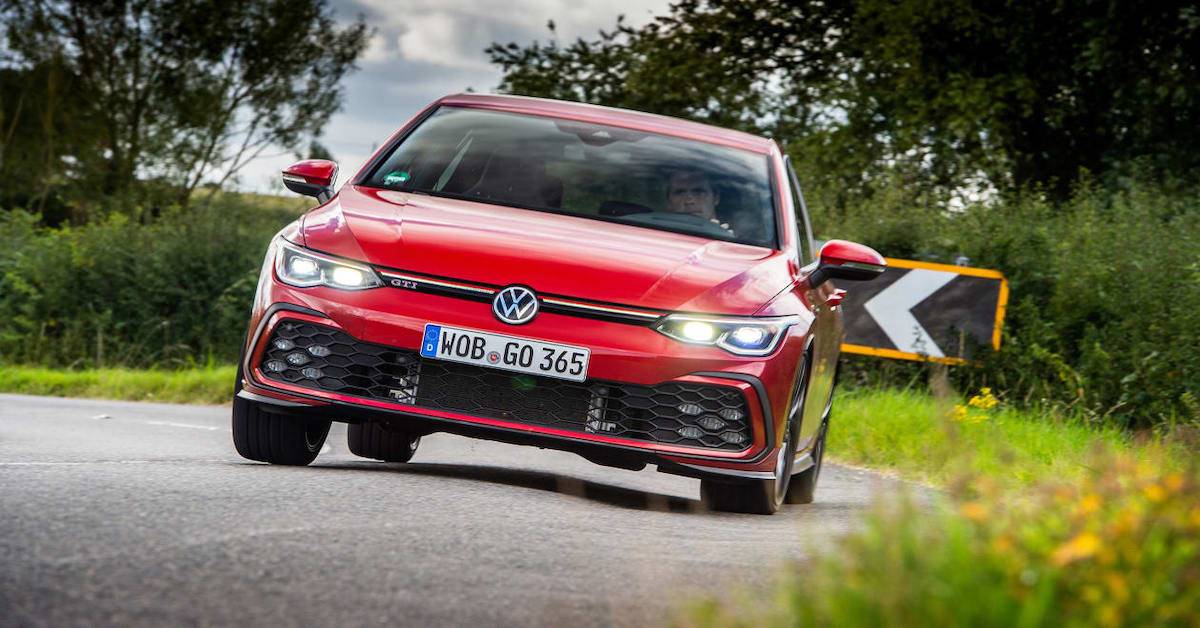
Choose a GTI if you want performance and can accept higher fuel and insurance costs. A regular Golf makes more sense for low-cost, practical daily use.

Who should consider buying a Golf?
Match the Golf to driver profiles and needs.
- Drivers who value a refined compact car
You want quality interior and good driving manners. - Commuters who like a bit of fun
The Golf offers comfort and engaging handling for daily drives. - Buyers who need a practical hatchback
Cargo space and folding rear seats suit small families and active lifestyles. - Enthusiasts who want hot-hatch performance
GTI and R models deliver strong power and sharp handling.
When considering the pros and cons of owning a Volkswagen Golf, pick the trim that fits how you drive and your budget.

Frequently Asked Questions of What are the pros and cons of owning a Volkswagen Golf?
Is a Volkswagen Golf costly to insure?
Insurance costs depend on model, age, and location. Sport trims cost more than base models due to higher power and repair costs.
How reliable is the Volkswagen Golf compared to rivals?
Reliability is generally good if the car was well maintained. Specific model years vary, so inspect service history and recalls.
What are common problems with the Golf?
Common issues include electronics quirks, occasional timing chain or DSG concerns on certain engines, and wear items like suspension parts. Regular maintenance reduces these risks.
Is the Golf good on fuel economy?
Yes, many Golf engines offer competitive fuel economy for the compact class. Performance models trade economy for power.
Should I buy new or used?
New gives warranty peace of mind but costs more up front. Used can be a great value if it has a complete service history and no major issues.
How practical is the Golf for a family?
The Golf is practical for small families. It has a usable hatch and child-seat friendly rear seats, though taller families may prefer a compact SUV.
Conclusion
The pros and cons of owning a Volkswagen Golf show a clear pattern: you get a refined drive, strong build, and practical hatchback layout, balanced by slightly higher repair costs and the potential for option-driven price increases. Decide based on how much you value driving feel and interior quality versus absolute low ownership cost. My practical advice: buy a well-documented example, choose the trim that matches your needs, and budget for routine care. If you found this helpful, share your questions or experiences below, or subscribe for more car-buying guides and tips.