Most common Tesla Model 3 problems: paint defects, panel gaps, software bugs, battery and charging issues.
I’ve spent years writing about and working with electric vehicles, and I’ve inspected dozens of Tesla Model 3 cars in service centers and on the road. This guide breaks down the most common problems with the Tesla Model 3, why they happen, how they affect daily use, and practical steps to prevent or fix them. Read on for actionable tips, real-world examples, and a clear path to better ownership.

49% off Today's Exclusive Deals
Limited-time Exclusive Deals. Check current discount on Amazon.
Check Price on Amazon As an Amazon Associate I earn from qualifying purchases.Build quality and exterior issues
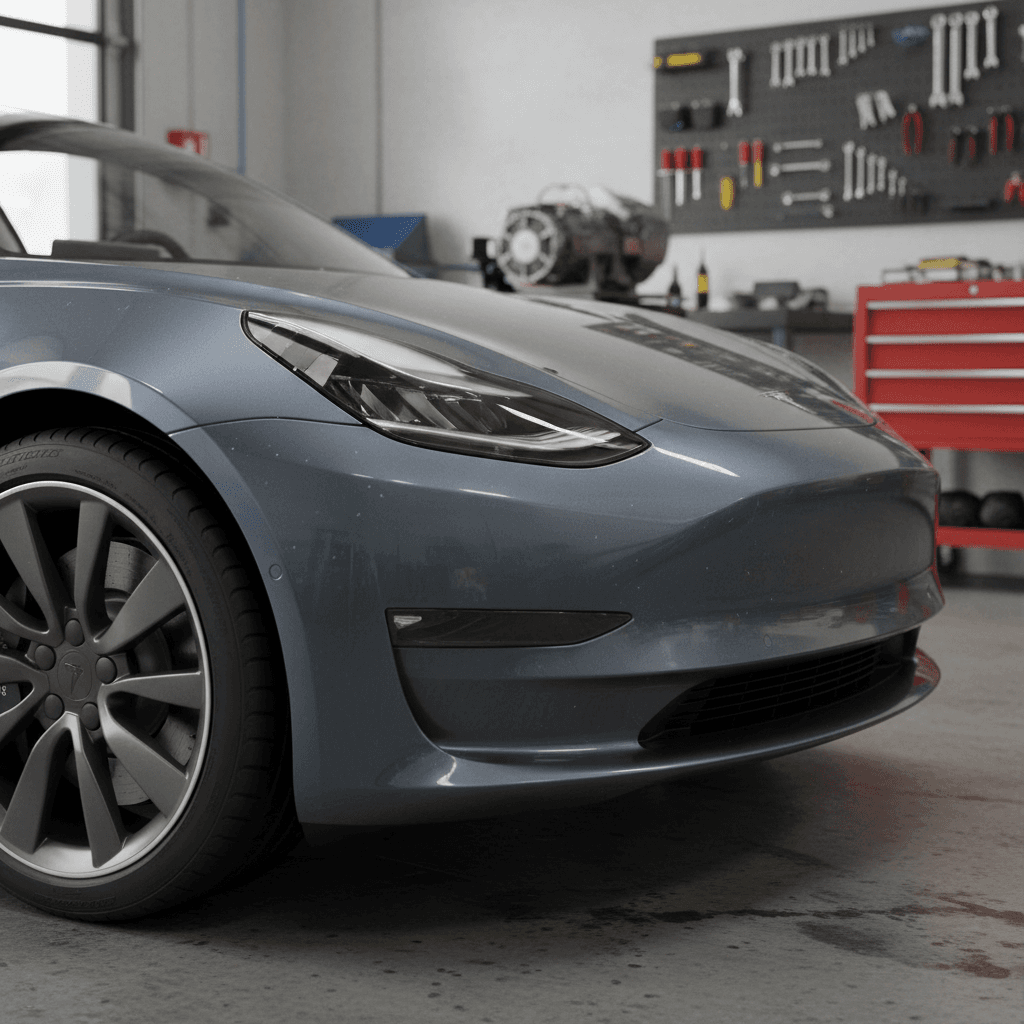
Tesla Model 3 owners often report inconsistent fit and finish. Common complaints include paint defects, panel gaps, and uneven trim. These are most visible on new deliveries. Paint chips and door edge damage show up quickly in daily driving.
Why it happens
- High production volume and rapid ramp-up increased assembly variability.
- Outsourced suppliers and tight production schedules can cause inconsistent paint curing.
- Small tolerance gaps are more noticeable on simple, flat panels.
How to spot and address problems
49% off Today's Exclusive Deals
Limited-time Exclusive Deals. Check current discount on Amazon.
Check Price on Amazon As an Amazon Associate I earn from qualifying purchases.- Inspect the car at delivery in bright daylight. Open and close doors, hood, and trunk.
- Document any chips, dents, or uneven gaps with photos and VIN notes.
- Use Tesla delivery inspection checklist and request fixes before accepting the car.
Personal note
I once accepted a Model 3 with uneven front bumper gaps. A return visit to the delivery center fixed it in one afternoon. Being meticulous at delivery saves time and frustration later.

Electrical and software problems
Software is Tesla’s strength and a recurring source of headaches. Owners report touchscreen freezes, infotainment lag, and occasional firmware updates that introduce new bugs. Connectivity issues with the Tesla app and weak Bluetooth pairing are common.
Typical symptoms
49% off Today's Exclusive Deals
Limited-time Exclusive Deals. Check current discount on Amazon.
Check Price on Amazon As an Amazon Associate I earn from qualifying purchases.- Black or frozen center display.
- Unresponsive climate controls or dashcam/Sentry Mode stops recording.
- App notifications that disappear or stop syncing.
Root causes
- Centralized vehicle controls put a lot of load on the single MCU (media control unit).
- OTA updates can have regressions.
- Faulty connectors or fuses can cause intermittent failures.
Practical fixes
- Reboot the touchscreen: hold down both scroll wheels until it reboots.
- Keep firmware updated but read forums for early bug reports after big updates.
- If problems persist, log a service request and back up dashcam footage before a visit.
Battery, charging, and range concerns
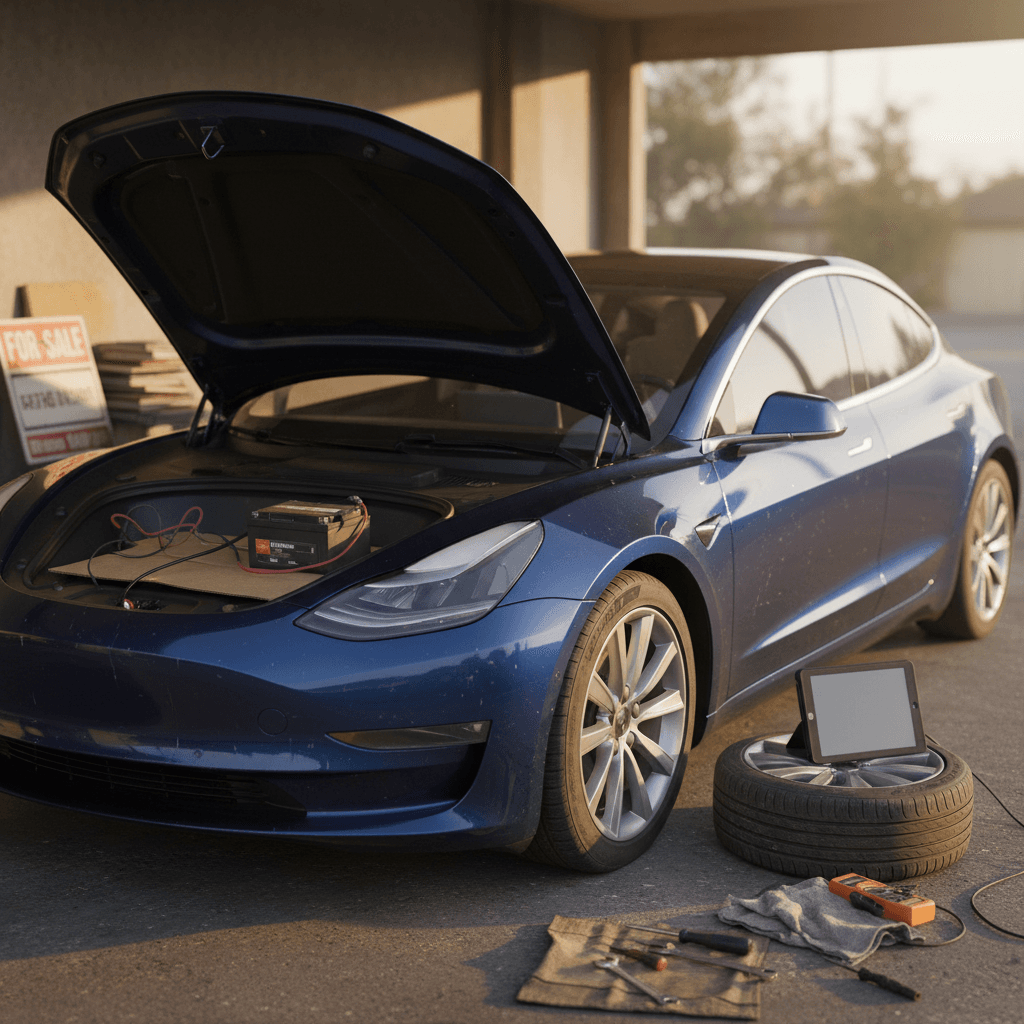
Battery and charging issues are top of mind for any electric vehicle owner. With the Tesla Model 3, common problems include slower-than-expected charging, charging port mechanical issues, and range variance in cold weather.
Common scenarios
- Charging stops unexpectedly or shows slower rates.
- Range drops significantly in winter.
- The charge port door or latch does not close properly.
Why this happens
- Battery chemistry and thermal management lead to lower effective range in cold temperatures.
- Charging speed varies with state of charge and battery temperature.
- Mechanical latches can wear or get misaligned.
How to manage battery health
- Avoid frequent DC fast charging when not needed to maintain longevity.
- Precondition battery before fast charging in cold weather via navigation to a Supercharger or scheduled departure.
- Use scheduled charging and plug in overnight to keep battery within ideal charge windows.
Personal tip
I routinely keep my Model 3 charging between 20% and 80% for daily driving. That practice helped keep range stable and lowered anxiety about long-term degradation.
Autopilot, safety systems, and driver-assist issues
Autopilot and driver-assist features draw both praise and scrutiny. Common problems involve phantom braking, lane-centering inconsistencies, and camera obstruction errors.
What owners see
- Sudden hard braking when Autopilot detects false obstacles.
- Lane drift or exaggerated steering corrections on complex roads.
- Cameras or sensors blocked by dirt or software miscalibration.
Causes and context
- Vision-based systems can misinterpret shadows, guardrails, or painted road markings.
- Software updates continuously change behavior and tuning.
- Hardware limitations exist in edge-case scenarios.
How to reduce risk
- Keep cameras and sensors clean.
- Stay attentive and be ready to take control. Autopilot is an assist, not a replacement for drivers.
- Report issues with logs so Tesla can analyze edge cases.
Real-world example
I observed phantom braking on a stretch of highway with intermittent construction markings. Cleaning the cameras and reporting the event reduced repeat occurrences after a firmware patch.
Interior, HVAC, and comfort complaints
Interior issues tend to be less safety-critical but affect daily comfort. Owners report squeaks, rattles, seat heating failures, and HVAC oddities such as weak airflow or odd smells.
Common interior issues
- Wind or cabin noise from misaligned doors or glazing.
- Seat heaters that stop working or heat unevenly.
- HVAC odors from leaves or moisture in the intake.
Solutions and maintenance
- Tighten or realign trim with service input.
- For seat heater problems, a service center can replace faulty elements under warranty.
- Run cabin overheat protection and periodically clean intake grills to prevent debris buildup.
Personal observation
A neighbor’s Model 3 had a persistent squeak from the dash. A service tech applied a simple trim adjustment and the complaint disappeared.
Charging infrastructure and compatibility problems
Some owners find discrepancies between expected charging behavior and real-world experience. Problems include Supercharger availability, billing surprises, or third-party charger compatibility.
Issues to expect
- Busy Superchargers at peak times.
- Third-party CCS adapters may not always deliver advertised speeds.
- Occasional billing or session start/stop errors.
Workarounds
- Use route planning to avoid congested Superchargers.
- Keep an adapter kit and test charging at home occasionally.
- Save receipts and screenshots of sessions for billing disputes.
Maintenance, repairs, and ownership costs
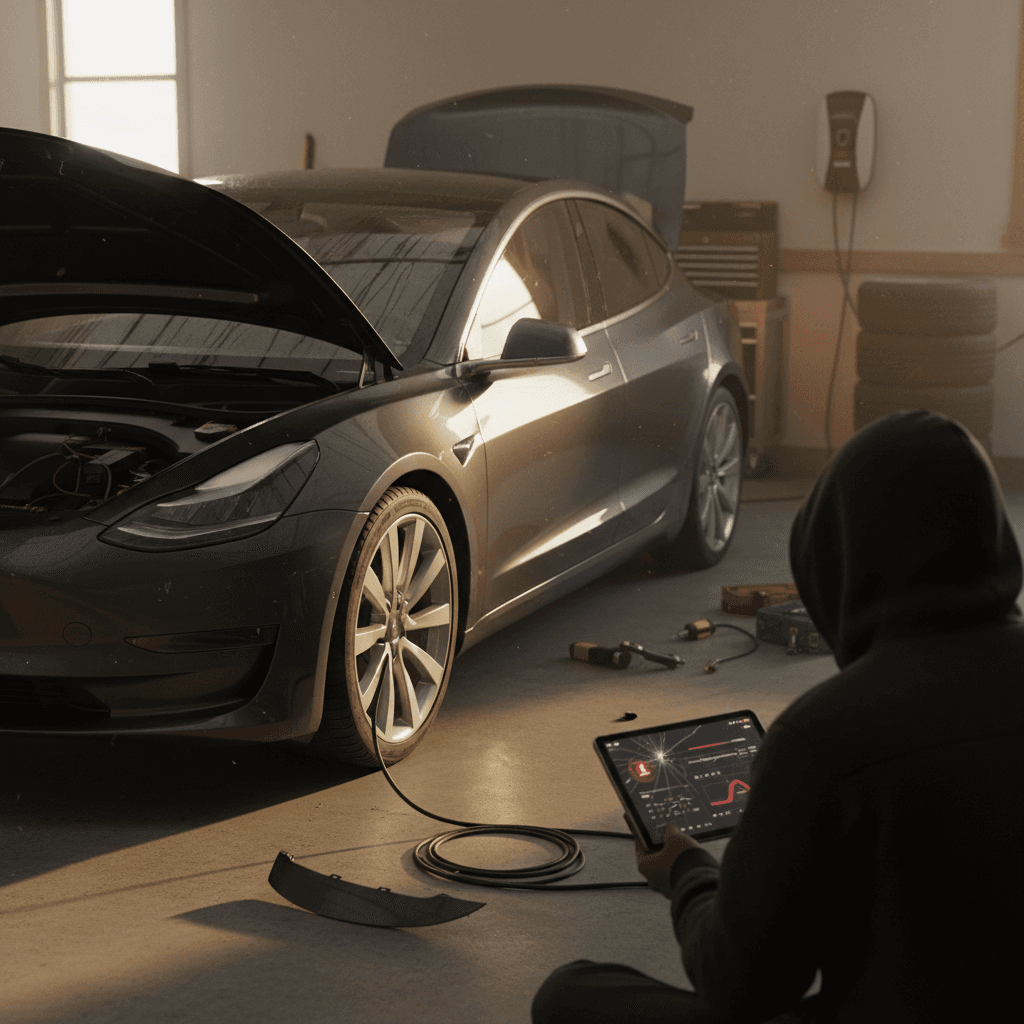
The Tesla Model 3 generally has lower mechanical maintenance needs than ICE cars, but owners face unique costs and wait times for service. Body repairs and parts can be pricey due to specialized components.
Ownership realities
- Lower routine maintenance (no oil changes).
- Higher repair costs for collision or body work due to unibody and unique parts.
- Variable service center wait times depending on region.
How to minimize issues
- Maintain good documentation of service and warranty claims.
- Consider third-party shops certified for EV work for non-warranty repairs.
- Purchase extended warranty or service plans if you expect high mileage.

How to diagnose, prevent, and fix common problems
A proactive approach prevents many headaches. A few checks and best practices go a long way.
Checklist before accepting delivery
- Inspect paint, panels, trim, and wheels in daylight.
- Test drive to hear for noises and test Autopilot basics.
- Confirm all electronics, windows, and climate controls operate.
Routine owner checks
- Keep cameras and sensors clean.
- Reboot the center display when odd behavior appears.
- Use telemetry logs and the mobile app to capture issues for service.
When to contact service
- Safety-critical systems like brakes, airbags, or Autopilot issues require immediate attention.
- For cosmetic or minor electronics issues, gather evidence and schedule a repair.
PAA-style questions
- Why does my Model 3 touchscreen freeze?
- The MCU can overload or the software can enter a bad state. A screen reboot often fixes it; persistent issues need service.
- Why does my Model 3 lose range in winter?
- Cold reduces battery efficiency and increases cabin heat demand. Preconditioning and winter driving habits help mitigate the loss.
- How often should I reboot my Tesla to prevent issues?
- Reboots are only needed when you see glitches. Regular reboots are not necessary if the car runs normally.
Frequently Asked Questions of What are the most common problems with the Tesla Model 3?
What are the most common problems with the Tesla Model 3 I should watch for?
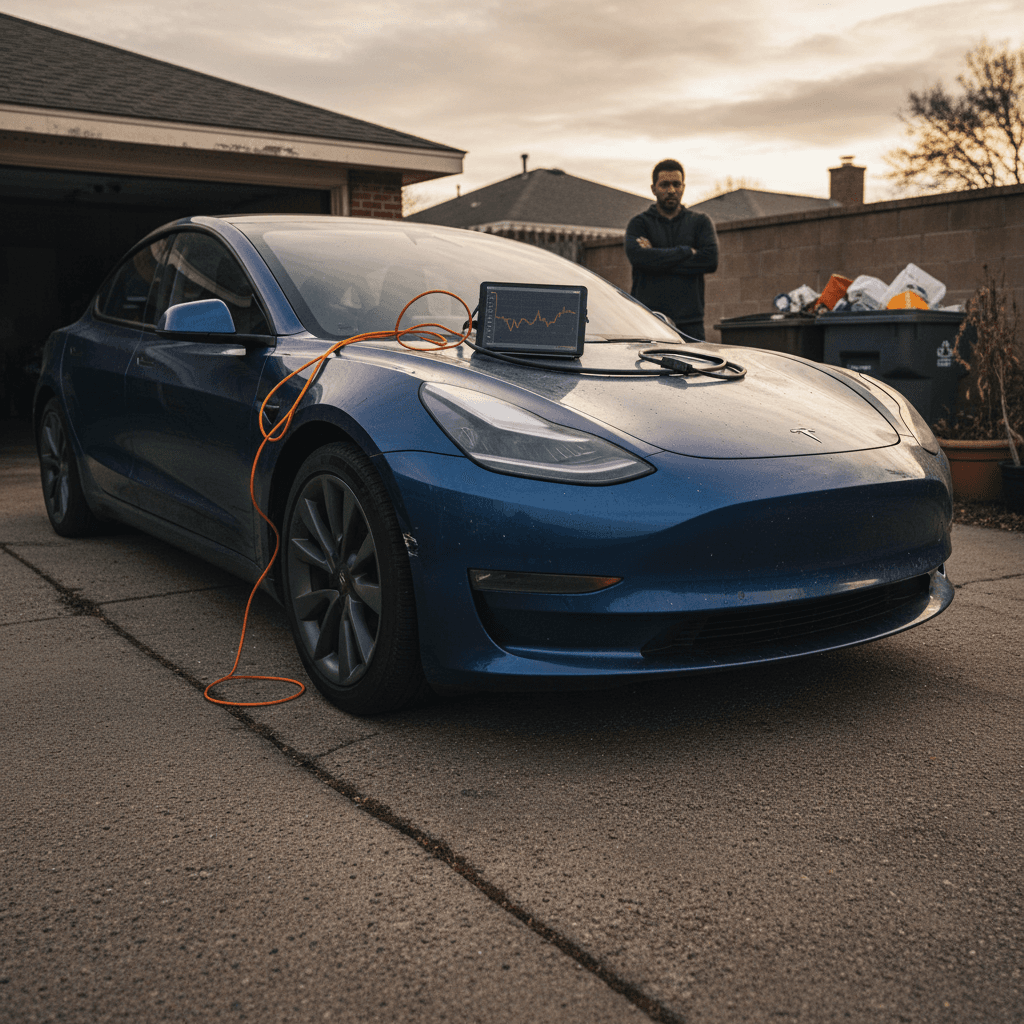
Most common problems with the Tesla Model 3 include paint and fit-and-finish issues, software glitches, and battery or charging quirks. Inspect at delivery and monitor software updates.
How common are software-related problems on the Model 3?
Software issues are relatively common because Tesla pushes frequent over-the-air updates. Most are minor and fixed quickly, but some updates can introduce new bugs temporarily.
Does the Model 3 have serious battery degradation?
Battery degradation is generally modest for the Model 3 when cared for properly. Proper charging habits and avoiding extreme temperatures help preserve capacity.
Are Autopilot problems dangerous?
Autopilot problems can be dangerous if the driver is inattentive. The system is an assist; drivers must remain engaged and ready to take over.
How can I reduce paint and panel problems at delivery?
Inspect the car carefully in daylight, take photos of any defects, and request fixes before accepting delivery. Use a delivery checklist to ensure nothing is missed.
Conclusion
Tesla Model 3 owners face a mix of cosmetic, software, and EV-specific challenges, but most problems are manageable with the right approach. Inspect vehicles carefully, keep software up to date, maintain simple charging habits, and document issues for service. By staying proactive, you can enjoy the benefits of an efficient EV while minimizing common frustrations. If you own or plan to buy a Model 3, take these tips to heart and share your experiences in the comments or subscribe for more hands-on EV guidance.