Trim levels mainly differ in equipment, off-road gear, comfort features, and price.
I’ve spent years reviewing SUVs and testing them off-road and on pavement, so I know how small trim changes affect real-world use. This guide breaks down Toyota Land Cruiser trim levels clearly, shows what each tier adds or removes, and gives practical buying tips so you can pick the right Land Cruiser for your needs.

49% off Today's Exclusive Deals
Limited-time Exclusive Deals. Check current discount on Amazon.
Check Price on Amazon As an Amazon Associate I earn from qualifying purchases.
Understanding Toyota Land Cruiser trim levels
Trim levels are factory-made versions of the same vehicle that offer different bundles of features, options, and hardware. For the Toyota Land Cruiser, trims change items like interior materials, suspension type, four-wheel-drive aids, tech packages, and towing gear.
Why trims matter:
49% off Today's Exclusive Deals
Limited-time Exclusive Deals. Check current discount on Amazon.
Check Price on Amazon As an Amazon Associate I earn from qualifying purchases.- They set the price and resale value.
- They decide off-road readiness and comfort.
- They determine long-term ownership costs through included features and warranties.
Knowing the differences helps you avoid paying for features you don’t need or missing gear you will want later.
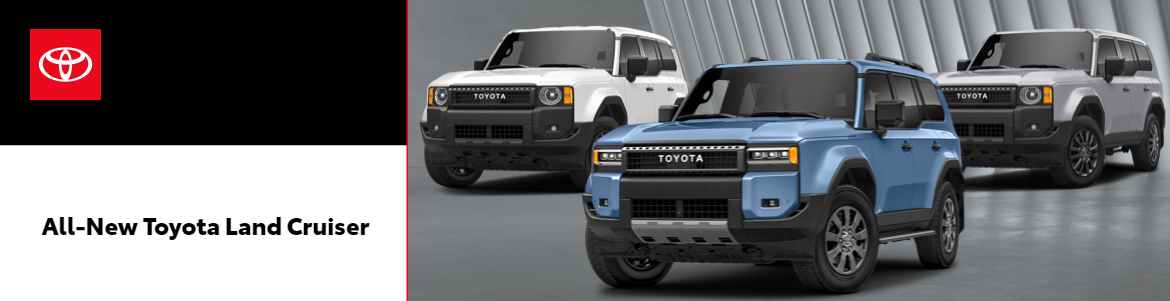
Toyota Land Cruiser trim lineup: what each level typically offers
Manufacturers and regions vary the exact names, but Toyota Land Cruiser trims usually fall into a few clear groups. Below are the common trim types and what you can expect from each.
Base-level trims
49% off Today's Exclusive Deals
Limited-time Exclusive Deals. Check current discount on Amazon.
Check Price on Amazon As an Amazon Associate I earn from qualifying purchases.- Core mechanicals and safety gear.
- Cloth seats, basic infotainment, standard 4WD.
- Good for buyers who want rugged reliability without luxury frills.
Mid-level trims
- Upgraded infotainment, better sound system, more driver assists.
- Leatherette or partial leather seats and nicer wheels.
- Often add convenience like power tailgate and heated front seats.
Luxury/top-tier trims
- Full leather, premium audio, adaptive suspension, and advanced driver aids.
- Extra comfort items such as ventilated seats, sunroof, and multiple USB ports.
- Best for buyers who want Land Cruiser comfort and highway manners.
Off-road and performance-focused trims
- Tuned suspension, skid plates, locking differentials, and special tires.
- Re-badged or factory-mod packages for dedicated overlanding and rock crawling.
- Ideal for owners who plan regular off-road use.
Special editions
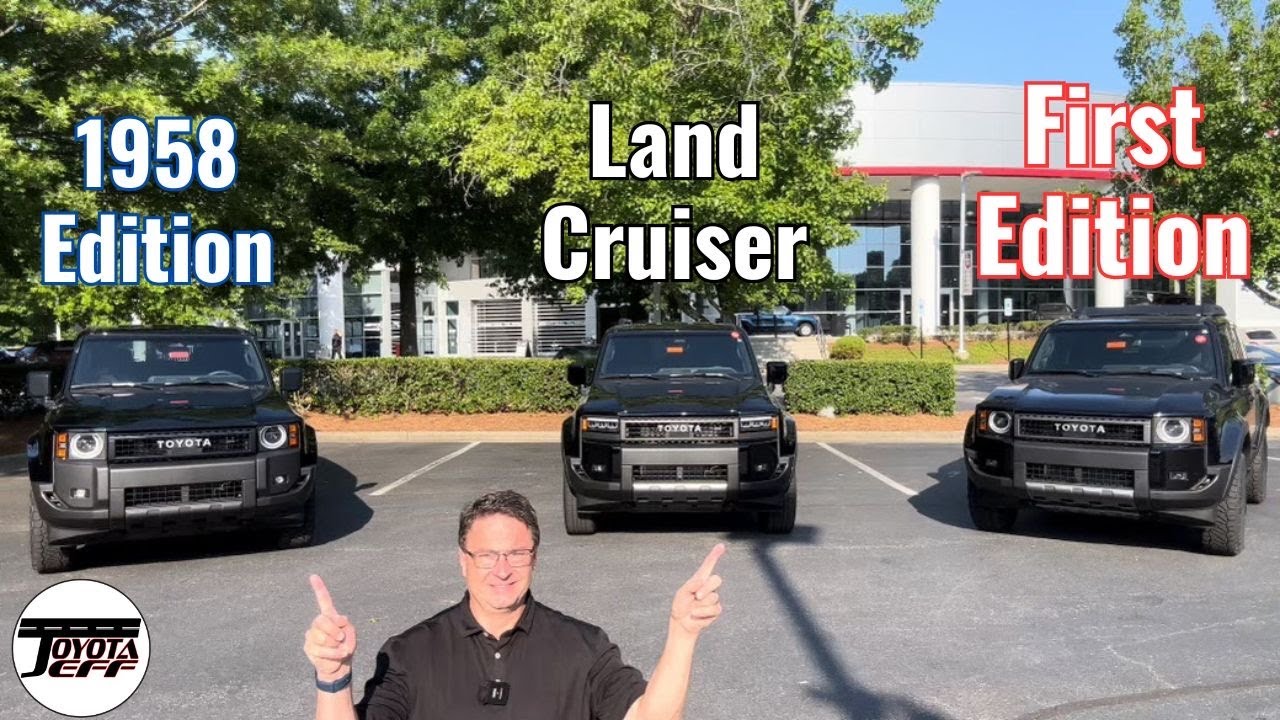
- Cosmetic upgrades, unique paint, limited-production hardware.
- Often aimed at collectors or buyers seeking a unique look.
Most buyers choose by use case: daily driving and family hauling favor mid or luxury trims; serious overlanders pick off-road trims.

Comparing features, performance, and price
When shopping, compare trims across three core areas: features, real-world performance, and cost. Here is a simple checklist to guide comparisons.
Features to compare
- Seating and interior materials
- Infotainment screen size and connectivity
- Active safety systems included by default
- Towing package and payload specs
- Wheel size, tire type, and brake upgrades
Performance differences
- Engine output is often the same across trims, but tune and transmission mapping can change feel.
- Suspension upgrades or adaptive dampers improve ride or off-road articulation.
- Tires and gearing affect fuel economy and trail ability.
Cost and value
- Higher trims can add tens of thousands to the base price.
- Factor in long-term value: better trims can slow depreciation and add resale appeal.
- Consider optional packages vs moving up a trim: sometimes a single option gives you 80% of the desired upgrade at lower cost.
Practical buying tip:
- Make a list of must-have features and compare trims that include them. If only one option is missing, a dealer option may be cheaper than the jump to the next trim.

style=”max-width: 100%; height: auto; border: 2px solid black; border-radius: 10px; display: block; margin: 0 auto;”
loading=”lazy”
/>
Off-road vs luxury: choosing the right Land Cruiser trim
Decide which you will actually use more: rugged trails or highway comfort. Here’s how to match needs to trim types.
If you hit rough trails often
- Prioritize off-road trims with locking diffs, low-range gearing, and underbody protection.
- Opt for all-terrain tires and reinforced skid plates.
- Choose simpler interiors that are easy to clean after muddy trips.
If you use it mostly for family and commuting
- Choose mid or luxury trims for comfort and driver safety tech.
- Look for features like adaptive cruise, blind-spot monitor, and rear cross-traffic alert.
- Consider leather, climate seats, and sound insulation for long drives.
Balanced use (50/50)
- Look for trims that offer both adaptive suspension and off-road features as options.
- Choose packages that add crawl control and hill-descent, plus upgraded comfort items.
My experience and practical tips from testing Land Cruiser trims
I took two different Land Cruiser trims on a weekend: a mid-level and an off-road model. The mid-level was quiet and smooth on the road. The off-road trim handled deep ruts and steep sections with far more confidence thanks to extra skid protection and better articulation.
Lessons I learned
- Tires matter more than trim: factory off-road tires outperformed suspension changes on rough trails.
- Don’t underestimate mid-level tech: lane-keep and adaptive cruise make city driving less tiring.
- Check for hard-to-add features: some drivetrain upgrades are only available from the factory.
Buyer tips
- Test both on the road and on a rough dirt track if possible.
- Compare total cost of ownership, not just sticker price.
- Ask the dealer for detailed equipment lists; trim names can vary by market.
Quick, common questions (PAA-style)
What does a higher Land Cruiser trim add?
Higher trims usually add comfort features, advanced safety tech, upgraded interior materials, and sometimes off-road hardware.
Are off-road trims heavier or less fuel-efficient?
Yes, added armor, larger tires, and tougher gearing can lower fuel economy compared to base trims.
Is a luxury trim worth it for long road trips?
If you drive long distances often, a luxury trim improves comfort, reduces fatigue, and can be worth the extra cost.
Frequently Asked Questions of What are the differences between Toyota Land Cruiser trim levels?
What is the main difference between base and luxury Land Cruiser trims?
Base trims focus on core capability and reliability, while luxury trims add comfort, premium materials, and advanced tech for a more refined ride.
Do off-road trims have different engines?
Most trims share the same engine, but off-road trims often include suspension, differential, and cooling upgrades to handle tougher conditions.
Can I add off-road features later if I buy a base trim?
Yes, many off-road parts can be added aftermarket, but factory-fit items like suspension tuning and electronic diff locks may be hard or costly to replicate.
How do trims affect resale value?
Higher trims often hold value better due to more features and broader buyer appeal, but specialized trims can be niche and vary by market demand.
Should I prioritize dealer options or a higher trim?
If only a few features are needed, dealer options can be cheaper. If you want a broad set of upgrades, moving to a higher trim often yields better integration and value.
Are special editions worth extra money?
Special editions can be worth it for collectors or buyers who value unique finishes; they may not add functional benefits beyond appearance.
Conclusion
Trim levels shape how a Toyota Land Cruiser will feel, perform, and hold value. Choose a trim that matches your real use: off-road trims for trails, mid-level for balance, and luxury trims for comfort and tech. Test drive multiple trims, compare total ownership costs, and prioritize features you will actually use. If you want tailored advice, leave a comment about your driving style and budget, and I’ll help you narrow the best Land Cruiser trim for you.