The hatchback favors cargo flexibility; the sedan favors rear legroom and a more formal look.
I have spent years testing small cars and have driven both Toyota Yaris hatchback and sedan in city and highway use. This post explains the key differences between Toyota Yaris hatchback and sedan with clear facts, real-world tips, and buying guidance so you can choose the right Yaris for your life.

49% off Today's Exclusive Deals
Limited-time Exclusive Deals. Check current discount on Amazon.
Check Price on Amazon As an Amazon Associate I earn from qualifying purchases.
Design and size: looks, doors, and proportions
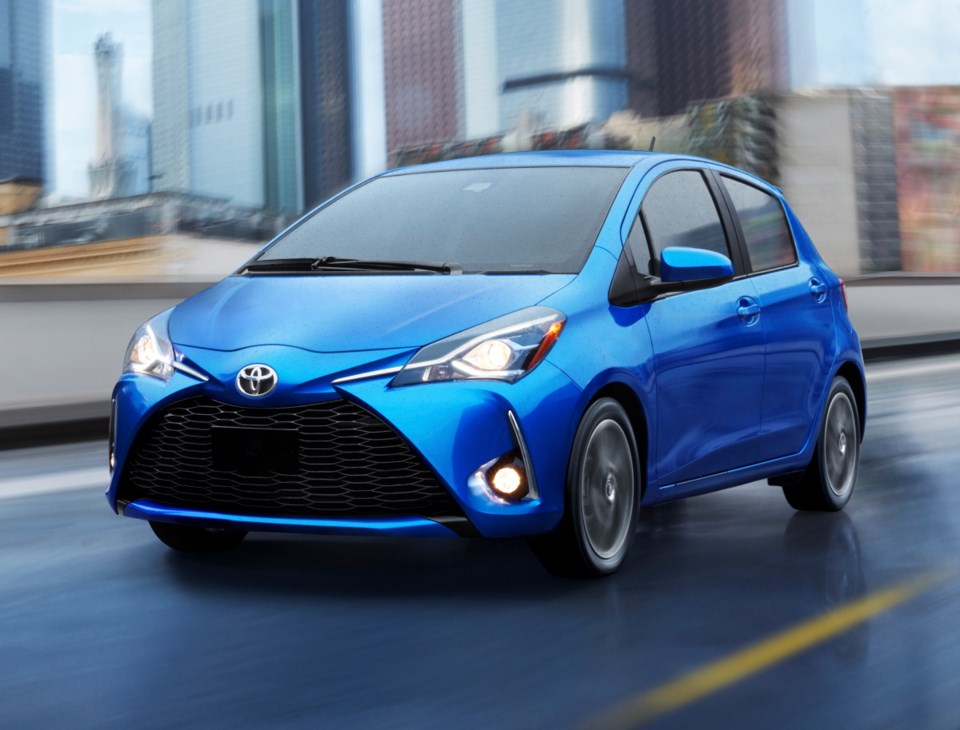
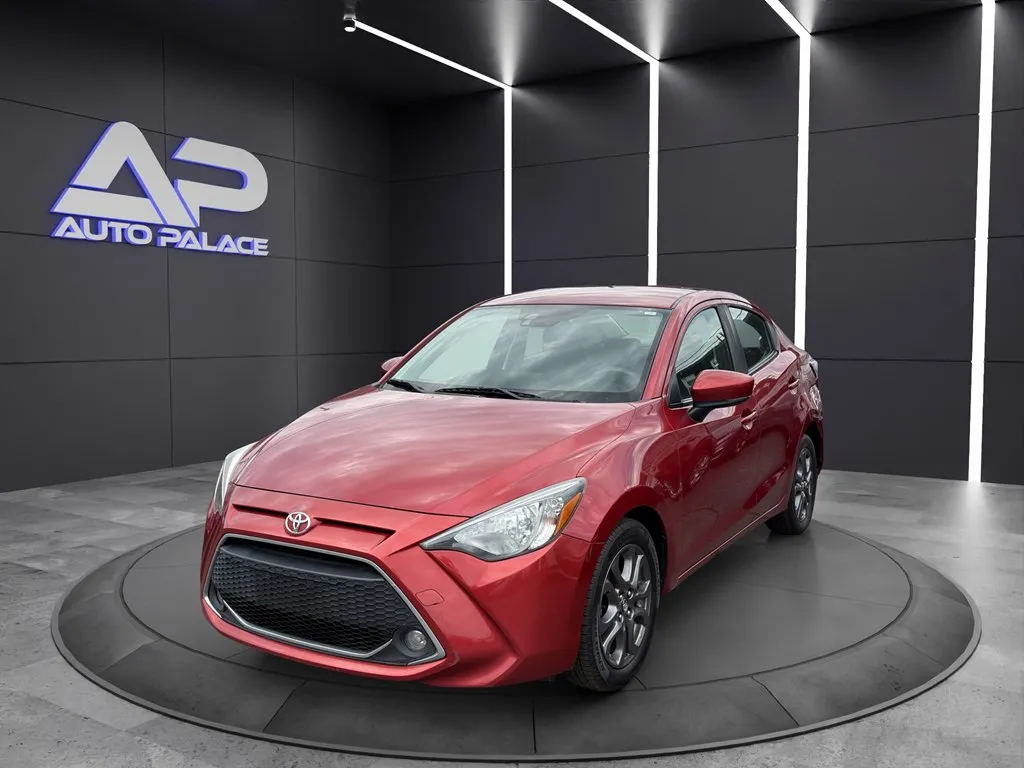
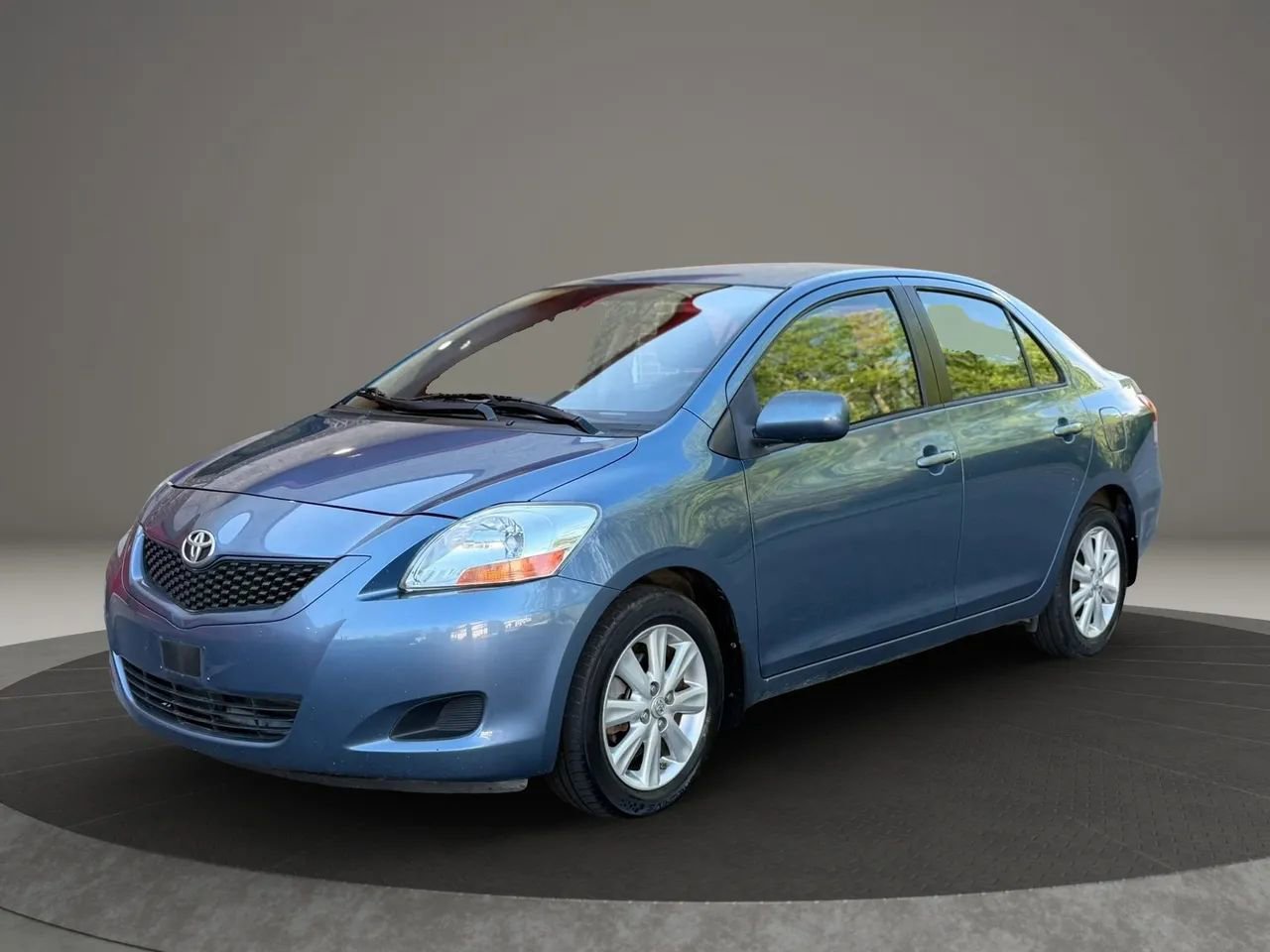
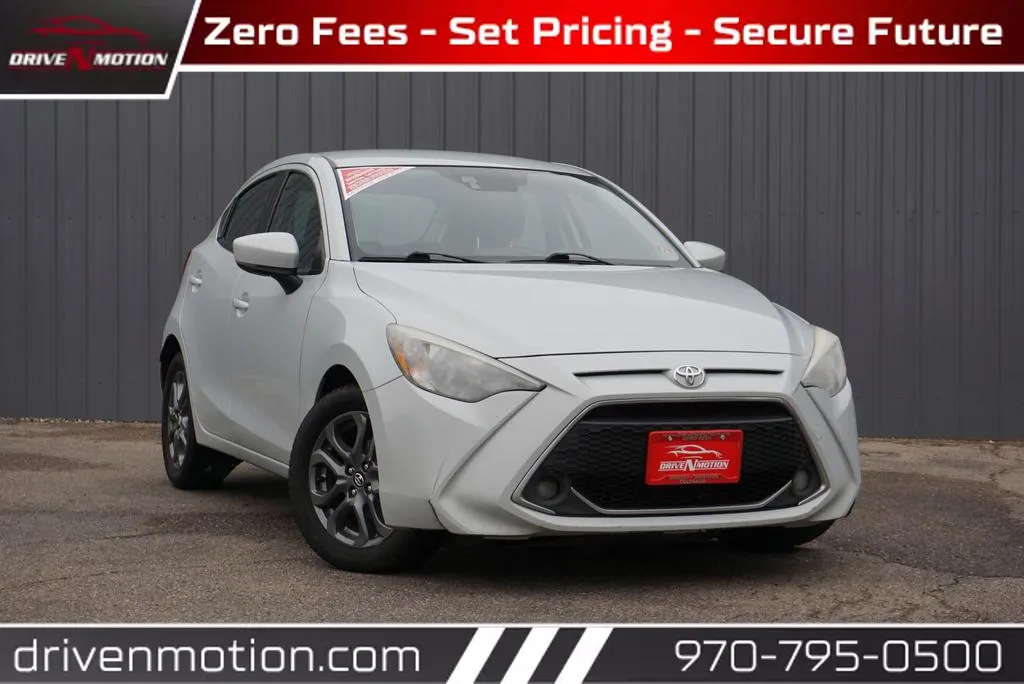
The Toyota Yaris hatchback and sedan share a family look but show clear shape differences. The hatchback ends with a steep liftgate and a short rear. The sedan has a classic trunk and a longer rear overhang. These shape choices affect style, visibility, and how the car fits in tight parking spots.
The difference between Toyota Yaris hatchback and sedan is obvious from the side profile. The hatch feels sportier. The sedan looks more formal and can read as slightly larger on the road.
49% off Today's Exclusive Deals
Limited-time Exclusive Deals. Check current discount on Amazon.
Check Price on Amazon As an Amazon Associate I earn from qualifying purchases.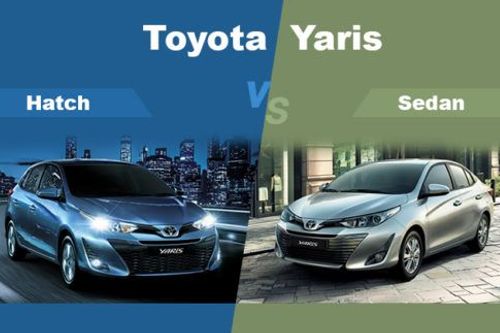
Interior space and comfort
Both Yaris models aim for comfort in a small footprint. Front seats are similar in feel and support. Rear seat space often favors the sedan by a bit in legroom. Headroom can be slightly better in the hatch because of the taller roofline near the rear.
From my time driving both, the hatch felt cozier in back. The sedan gave a more relaxed ride for taller passengers. If you regularly carry adults in the rear, the difference matters.
49% off Today's Exclusive Deals
Limited-time Exclusive Deals. Check current discount on Amazon.
Check Price on Amazon As an Amazon Associate I earn from qualifying purchases.Cargo and practicality
Cargo is where the hatchback often wins. A liftgate lets you load bulky items with ease. Folding rear seats in the hatch create a flat, long space for bikes, boxes, or small furniture. The sedan hides items in a trunk that can be deep, but awkward for tall loads.
Think about daily use. If you move gear, shop with large crates, or carry pets, the difference between Toyota Yaris hatchback and sedan will affect your life. The hatchback is simply more flexible for cargo tasks.
Performance and fuel economy
Mechanically, the hatch and sedan share many engines and gearboxes. That means similar horsepower and fuel use in most trims. The hatch can feel a touch more nimble because of a slightly shorter rear and lower curb weight in some versions. The sedan may feel more planted at steady highway speeds because of its longer shape.
In city driving, both deliver good fuel economy. When driven hard, the hatchback’s lighter rear helps it feel quicker off the line. Overall, differences are small but noticeable to an attentive driver.
Features, safety, and tech
Feature sets are often shared across the Yaris lineup. Expect modern infotainment, smartphone integration, and driver aids in both models. Toyota’s safety suite is commonly offered on both the hatchback and sedan, which helps reduce blind spots and adds lane support and pre-collision systems.
Trim choices can change which tech you get. Higher trims in the hatch or sedan add premium touches like bigger screens, leather-like seats, or upgraded lamps. Check trim lists closely to match features with price.

Cost, ownership, and resale
Sticker prices for the hatchback and sedan are usually close. Insurance and tax costs follow similar lines. The hatchback can command slightly higher resale in markets where small flexible cars are preferred. Conversely, the sedan can retain value in markets that favor a classic trunk.
Maintenance costs are nearly the same. Fuel bills will not differ by much. The real cost choice is what fits your routine: cargo flexibility or rear seat comfort.
Real-world buying guide: which Yaris to pick
To pick, answer simple questions about how you use the car:
- Do you need flexible cargo space often? Choose the hatchback.
- Do you carry rear-seat adults regularly? Lean toward the sedan.
- Do you park in tight city spots? The hatch is easier to maneuver and park.
- Do you prefer a more formal look for work or family? The sedan fits that style.
From personal tests, I recommend the hatchback for young drivers, city dwellers, and hobbyists who haul gear. I recommend the sedan for those who ferry adults and want a quieter rear seat.
Common buyer questions woven into the guide
- Will the hatchback cost more to insure? Often no. Insurance depends more on trim, driver record, and local rates than on hatch vs sedan.
- Is one model harder to service? No. Both share many parts and dealer service options are similar.
- Which model parks better in tight spots? The hatchback’s shape and shorter rear make parking slightly easier.
- Do both models come with the same safety tech? Most trims share the same core safety features, though higher trims add extras.
- Is fuel economy very different? No. Expect only minor variations between the hatchback and sedan versions.
Frequently Asked Questions about What is the difference between Toyota Yaris hatchback and sedan?
What is the main difference between the Toyota Yaris hatchback and sedan?
The main difference is body style: the hatchback has a rear liftgate while the sedan has a separate trunk. That leads to more flexible cargo space in the hatch and slightly better rear legroom in the sedan.
Does one Yaris model have better fuel economy?
Fuel economy is very similar across both models when they share the same engine and transmission. Any small differences come from weight and aerodynamics rather than a big design gap.
Which model is better for city driving?
The hatchback often suits city driving better thanks to its compact rear, easier parking, and flexible cargo access. It feels nimble in tight streets.
Is the hatchback less safe than the sedan?
No. Both models typically come with the same core safety systems and structural design standards. Safety depends on trim and available driver aids more than body style.
Which Yaris holds value better?
Resale depends on market tastes. In areas that value practicality and compact utility, the hatchback can hold a small edge. In areas that prefer traditional sedans, the sedan may retain value well.
Conclusion
Choosing between the Toyota Yaris hatchback and sedan comes down to use and taste. Pick the hatchback for cargo flexibility, easy loading, and city agility. Pick the sedan for a traditional look, a roomier rear seat, and a calm highway feel. Test drive both if you can, and match the trim to the features you need. If you found this helpful, try a quick test drive, compare trims, and leave a comment with your priorities or questions.