Winches are powerful tools used in many industries. You find them on construction sites, in factories, and on off-road vehicles. A winch can move heavy loads, lift objects, and pull vehicles out of tough spots. But while winches make jobs easier, they also bring risks. Accidents can happen quickly if proper safety steps are not followed. Many injuries are caused by mistakes, lack of training, or ignoring basic rules. Understanding winch safety precautions is not just about avoiding trouble; it’s about protecting people, property, and productivity. In this article, you’ll learn how to use winches safely, avoid common errors, and handle emergency situations. Whether you’re a beginner or an experienced operator, these guidelines can help you stay safe and confident every time you work with a winch.
Why Winch Safety Matters
Winch accidents are more common than many people think. According to OSHA, about 25% of workplace injuries related to material handling involve moving equipment like winches. These injuries include cuts, broken bones, and even fatalities. The main causes are usually operator error, poor maintenance, and using the wrong equipment. Unsafe winch use can damage machinery, lead to costly downtime, and create legal problems.

49% off Today's Exclusive Deals
Limited-time Exclusive Deals. Check current discount on Amazon.
Check Price on Amazon As an Amazon Associate I earn from qualifying purchases.A winch can pull thousands of pounds. If a cable snaps or the load shifts, the force released is enough to cause severe harm. In 2022, a report from the National Safety Council showed that winch-related accidents cost US businesses over $10 million in lost workdays and medical bills. The risks are real, but most accidents are preventable with the right precautions.
Types Of Winches And Their Risks
Different winches have different safety concerns. Knowing the type you’re using helps you understand what to watch out for.
| Winch Type | Main Uses | Key Risks |
|---|---|---|
| Manual Winch | Small loads, boats, trailers | Hand injuries, cable slip |
| Electric Winch | Off-road vehicles, workshops | Electrical faults, overload |
| Hydraulic Winch | Heavy industry, large trucks | Fluid leaks, high pressure |
| Pneumatic Winch | Factories, mining | Air hose failure, noise |
Each winch type needs special attention. For example, an electric winch can overheat if used too long. A hydraulic winch might leak oil, creating slippery surfaces and fire risks. Always check the manufacturer’s safety instructions for your winch.
49% off Today's Exclusive Deals
Limited-time Exclusive Deals. Check current discount on Amazon.
Check Price on Amazon As an Amazon Associate I earn from qualifying purchases.
Pre-operation Safety Checks
Before using any winch, a careful inspection is essential. Never rush through these checks.
1. Inspect The Cable Or Rope
Look for fraying, kinks, corrosion, or broken wires. A damaged cable can snap under load and cause serious injury. Replace cables that show wear.
2. Check The Winch Mounting
Make sure the winch is firmly attached to its base. Loose bolts or brackets can cause the winch to shift or break free under tension.
3. Test Controls And Power Source
For electric and hydraulic winches, check the power supply, switches, and remote controls. Faulty controls can start the winch unexpectedly.
49% off Today's Exclusive Deals
Limited-time Exclusive Deals. Check current discount on Amazon.
Check Price on Amazon As an Amazon Associate I earn from qualifying purchases.4. Look For Leaks Or Obstructions
Hydraulic and pneumatic winches need leak-free hoses and connections. Remove dirt, debris, or objects near the winch.
5. Read The Load Rating
Never exceed the winch’s maximum rated load. Overloading is one of the most common causes of accidents.
Performing these checks every time may seem slow, but it prevents costly mistakes. Many beginners skip inspections, thinking the equipment looks fine. This is a serious error. Problems are often hidden until it’s too late.
Essential Winch Safety Precautions
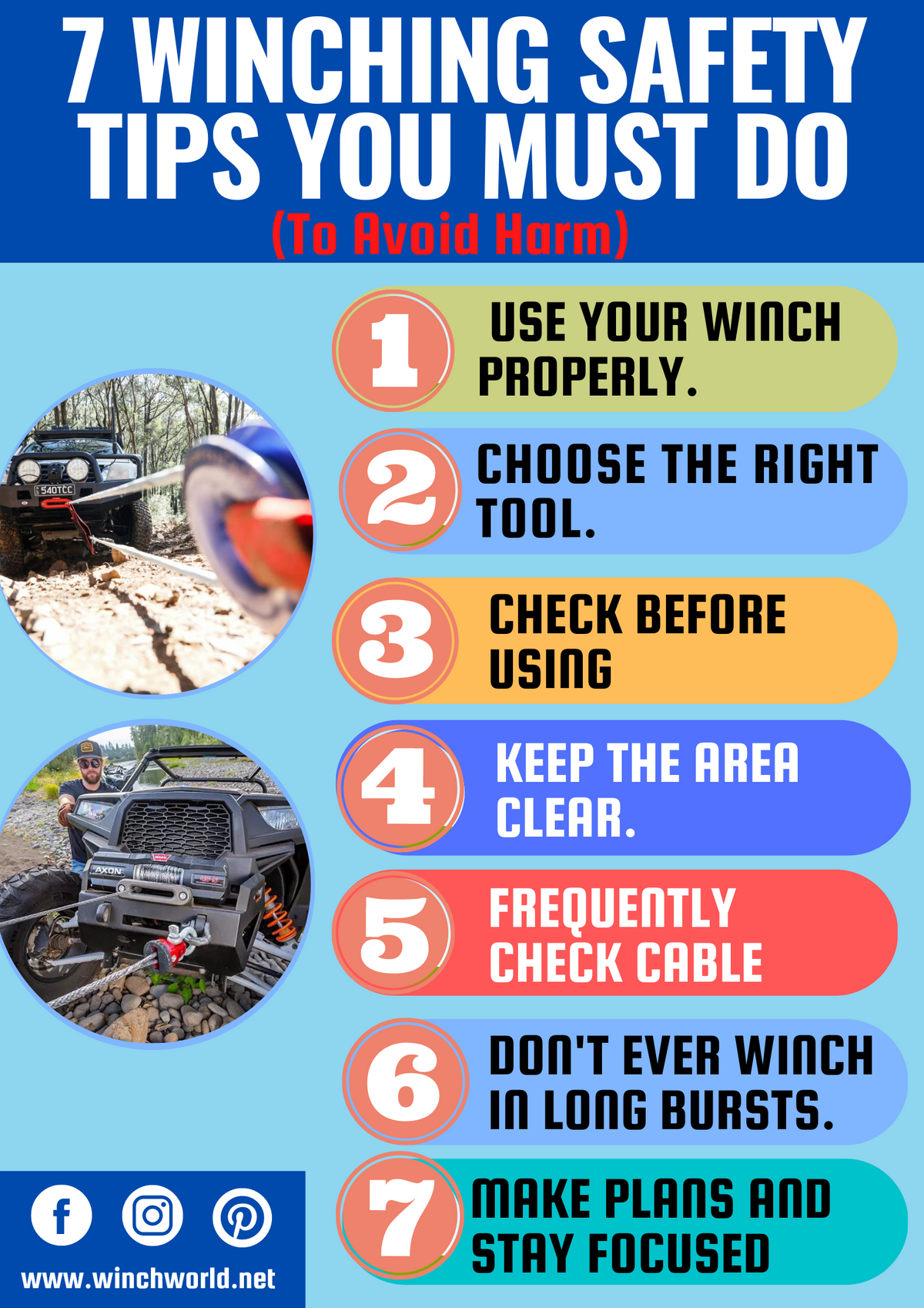
Following winch safety precautions is a must for everyone. Here are key steps that apply to almost every situation.
Wear The Right Personal Protective Equipment
Always use gloves, safety glasses, and steel-toed boots. Gloves protect against cable burns and cuts. Safety glasses keep dust and flying debris out of your eyes. Steel-toed boots prevent foot injuries from dropped equipment.
Keep Clear Of The Danger Zone
Never stand near or cross the line of pull (the path the cable follows). If the cable snaps, it can whip back at high speed. Stay at least 1.5 times the length of the cable away from the winch and the load.
Use A Winch Dampener
A winch dampener is a heavy blanket or bag placed over the cable. If the cable breaks, the dampener absorbs energy and reduces the chance of injury. Many professionals use a jacket or heavy cloth as a makeshift dampener.
Communicate Clearly
Use hand signals or radios to coordinate with your team. Make sure everyone knows when the winch will start and stop. Avoid shouting or assuming people understand your intentions.
Set Up Proper Anchoring
Make sure the winch anchor point is strong and stable. For vehicle recovery, use a tree saver strap or rated anchor shackle. Weak anchors can break free and cause accidents.
Plan Your Pull
Think about the load’s weight, shape, and movement. Use snatch blocks or pulleys to change direction and reduce strain on the winch. Avoid pulling at sharp angles, which can damage cables and equipment.
Use The Right Equipment
Never substitute cables, hooks, or shackles with unapproved parts. Only use equipment rated for your winch’s capacity. Using cheap or mismatched gear is a common beginner mistake.
Avoid Overloading
Check the load rating before every pull. If you’re unsure, use a load cell or scale to measure the weight. Overloading leads to cable failure, winch damage, and injuries.
Monitor The Cable During Operation
Stop the winch if the cable starts to twist, pile up, or move unevenly on the drum. Realign the cable before continuing. Twisted cables can catch and break suddenly.
Do Not Use The Winch As A Hoist
Winches are designed for pulling, not lifting loads vertically. Using a winch to lift heavy objects is dangerous and may violate safety rules.
Common Winch Safety Mistakes
Many accidents happen because people ignore simple precautions. Here are mistakes to avoid:
- Standing in the line of pull: Never stand in front of or behind the cable.
- Using damaged equipment: Replace cables, hooks, and straps at the first sign of wear.
- Ignoring load limits: Always check the winch’s capacity.
- Poor communication: Make sure everyone knows the plan.
- Rushing the job: Slow down and follow each step carefully.
- Skipping PPE: Even for small tasks, wear gloves and eye protection.
- Improper anchoring: Only use strong, stable anchor points.
One non-obvious mistake is using synthetic ropes without proper protection. Synthetic ropes are lighter and safer if they break, but they can be damaged by heat, sunlight, and sharp edges. Always use rope guards and inspect for UV damage.
Winch Safety For Different Environments
Winch safety is not the same everywhere. The risks change depending on where you use the winch.
Construction Sites
Winches are used for moving equipment and materials. Safety steps include:
- Marking the danger zone with cones or tape.
- Using trained operators only.
- Regularly checking cables for wear and tear.
Off-road Recovery
Vehicle winches help drivers escape mud, snow, or sand. Off-road safety tips:
- Use rated recovery gear.
- Always carry a winch dampener.
- Keep bystanders away from the winch and cable.
Factories And Workshops
Winches move heavy machines or parts. Factory safety steps:
- Use overhead winches only for horizontal pulls.
- Check electrical connections for electric winches.
- Inspect hydraulic hoses for leaks.
Marine Use
On boats, winches raise sails or anchor lines. Marine safety includes:
- Keeping hands clear of moving ropes.
- Using corrosion-resistant equipment.
- Wearing life jackets in case of accidents.
Emergency Situations
Sometimes winches are used in rescue operations. Extra safety measures:
- Double-check all gear before use.
- Use backup anchors.
- Communicate with all team members.
Training And Certification
Proper training is essential for safe winch operation. Many companies require operators to pass a winch safety course before using equipment. Training covers:
- Equipment inspection
- Safe operating procedures
- Emergency response
Some organizations offer certification, like the National Safety Council or OSHA. Certified operators are less likely to make mistakes and more likely to spot dangers early.
Training should include hands-on practice. Reading manuals is not enough. Operators must learn to recognize cable tension, spot signs of overload, and handle unexpected problems.
Maintenance And Long-term Safety
Maintaining your winch is as important as using it safely. Regular maintenance prevents breakdowns and extends the winch’s life.
Cleaning And Inspection
Clean winches work better. Remove dirt, mud, and grease from cables, drums, and controls. Inspect for rust, corrosion, and worn parts.
Lubrication
Apply the right lubricant to moving parts. For steel cables, use cable grease. For synthetic ropes, avoid oil-based lubricants; use dry silicone sprays.
Storage
Store winches in dry, cool places. Protect cables from UV light and moisture. Cover the winch when not in use.
Scheduled Maintenance
Follow the manufacturer’s maintenance schedule. Replace worn parts before they fail. Keep records of inspections, repairs, and replacements.
Quick Comparison: Steel Cable Vs. Synthetic Rope Maintenance
Here’s a look at how maintenance differs between steel cables and synthetic ropes:
| Feature | Steel Cable | Synthetic Rope |
|---|---|---|
| Cleaning | Brush, degreaser | Water, mild soap |
| Lubrication | Cable grease | Dry silicone spray |
| UV Protection | Not needed | Essential |
| Inspection | Look for rust, broken wires | Check for fraying, UV damage |
A common beginner error is not cleaning cables after muddy or wet jobs. Dirt and moisture cause fast wear and corrosion.
Emergency Procedures
Even with precautions, emergencies can happen. Knowing what to do can save lives.
Stop The Winch Immediately
If you see smoke, sparks, or hear unusual noises, stop the winch at once. Never try to fix problems while the winch is running.
Clear The Area
Evacuate everyone from the danger zone. Only trained personnel should inspect the winch.
Inspect Equipment
Check cables, hooks, and anchor points for damage. Never resume work until all issues are fixed.
Call For Help
If someone is injured or equipment is damaged, call emergency services or a supervisor.
Use Fire Extinguishers
For electric winch fires, use a CO2 or dry powder extinguisher. Water is not safe for electrical fires.
Many beginners forget to keep a fire extinguisher nearby. Always have one close during winch operations.
Winch Safety Statistics And Trends
Understanding the numbers behind winch safety helps highlight its importance.
- In 2021, the US Bureau of Labor Statistics reported over 1,500 winch-related injuries in workplaces.
- About 60% of these injuries happened due to improper use or lack of training.
- The average downtime after a winch accident is 7 days.
- Synthetic ropes reduce injury risk by about 40% compared to steel cables, but only if used correctly.
- Regular training and maintenance can lower accident rates by 50%.
Here’s a comparison of accident rates by winch type:
| Winch Type | Accident Rate (%) | Common Cause |
|---|---|---|
| Manual Winch | 5 | Hand injuries |
| Electric Winch | 15 | Overloading |
| Hydraulic Winch | 10 | Leaking fluid |
| Pneumatic Winch | 8 | Hose failure |
These numbers show that electric winches are the riskiest, mainly because people overload them or use faulty cables.

Legal And Regulatory Requirements
Winch safety is not just a suggestion; it’s a legal requirement in most places. OSHA and other agencies set strict rules for winch use. Employers must:
- Provide training and certification
- Inspect equipment regularly
- Keep records of maintenance
- Report accidents
Failure to follow these rules can lead to fines, lawsuits, and shutdowns. You can find more about safety regulations at OSHA’s official winch safety page.
Advanced Winch Safety Tips
Some tips are not obvious but make a big difference.
- Pre-tension the cable: Before pulling a heavy load, gently pull and release to remove slack. This reduces the shock load and prevents cable snapping.
- Use remote controls: Stand away from the danger zone by using wireless remotes. This is safer and gives better visibility.
- Avoid sudden jerks: Start slowly to prevent overload and equipment damage.
- Double up on anchor points: For heavy loads, use two anchors to distribute the force.
- Inspect after each job: Even if the winch looks fine, check cables and hooks after every use.
Beginners often miss the importance of pre-tensioning. A loose cable can snap or cause the load to shift suddenly.
Frequently Asked Questions
What Is The Most Common Cause Of Winch Accidents?
The main cause is overloading the winch beyond its rated capacity. This leads to cable failure and injuries. Other common causes include standing in the line of pull and using damaged equipment.
Can I Use A Winch To Lift Loads Vertically?
No. Winches are designed for pulling, not lifting. Using a winch as a hoist is unsafe and may violate safety regulations. Use a proper hoist for vertical lifting.
How Often Should I Inspect My Winch?
Inspect your winch before every use. For heavy-duty or daily operations, do a full inspection weekly. Check cables, anchors, and controls for wear and damage.
What Should I Do If The Winch Cable Breaks?
Stop all operations immediately. Clear the danger zone and inspect equipment. Replace the broken cable before resuming work. If someone is injured, call emergency services.
Are Synthetic Ropes Safer Than Steel Cables?
Synthetic ropes are safer if used correctly. They are lighter and less dangerous if they break. However, they can be damaged by UV light, heat, and sharp edges, so proper care is essential.
Winch safety precautions are crucial for anyone working with these powerful machines. By following clear steps, using the right gear, and paying attention to details, you protect yourself and your team. Good safety habits prevent accidents, save money, and ensure smooth operations.
Whether you’re on a construction site, off-road trail, or factory floor, always respect the power of the winch. Take time to learn, inspect, and train—every job depends on it.