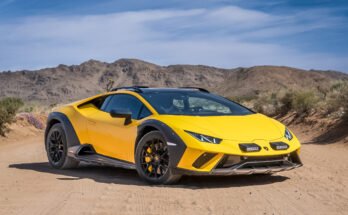
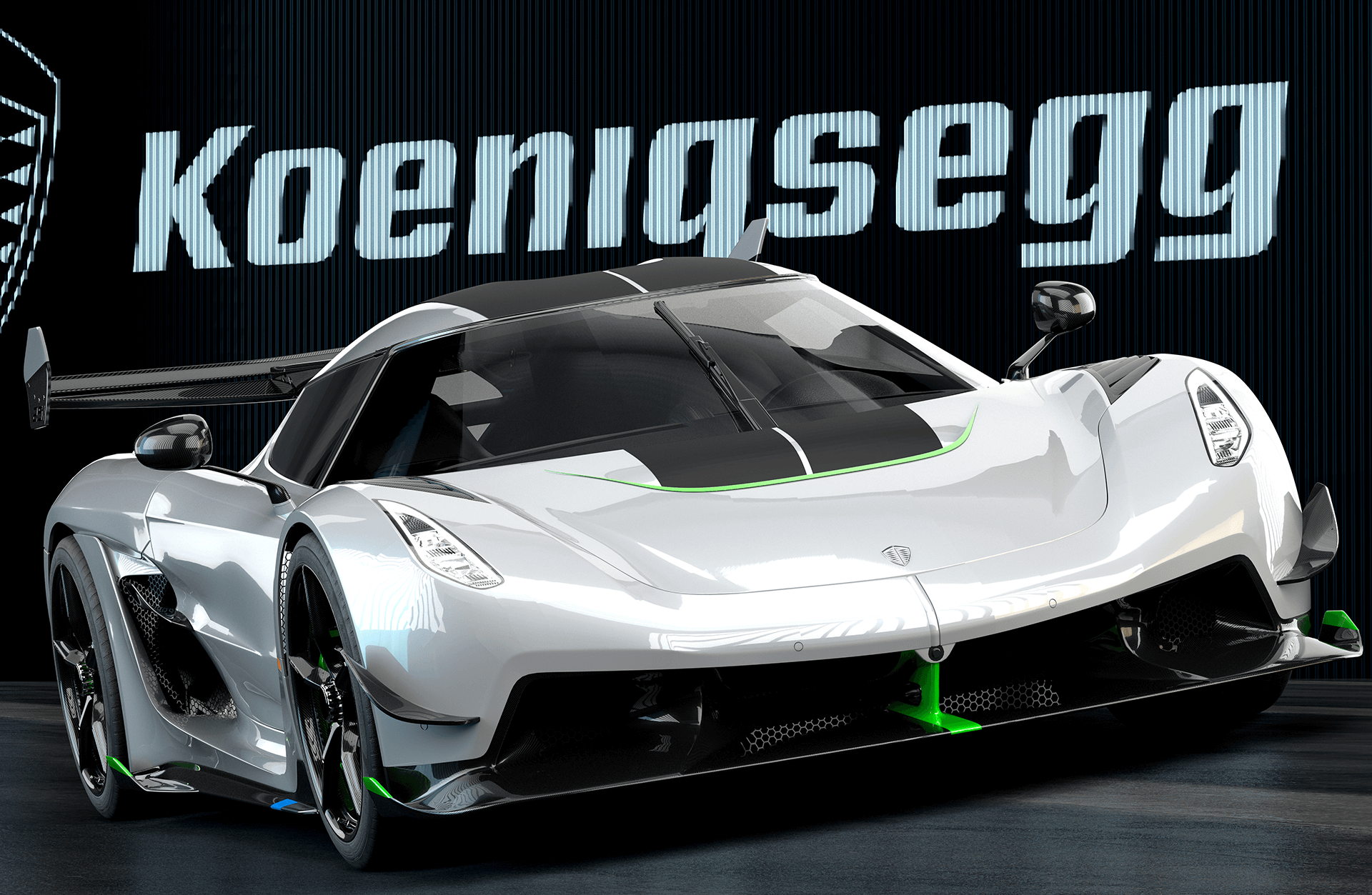
The Koenigsegg Jesko uses a bespoke 5.0-liter twin-turbo V8, built in-house for extreme power and response.
I have spent years researching and attending car events where hypercars like the Jesko push engineering limits. I will walk you through exactly what engine the Koenigsegg Jesko uses, how it is built, why it matters for performance, and what owners and fans should expect from this high-tech powerplant. Read on for a clear, expert view with practical notes from real-world encounters.

49% off Today's Exclusive Deals
Limited-time Exclusive Deals. Check current discount on Amazon.
Check Price on Amazon As an Amazon Associate I earn from qualifying purchases.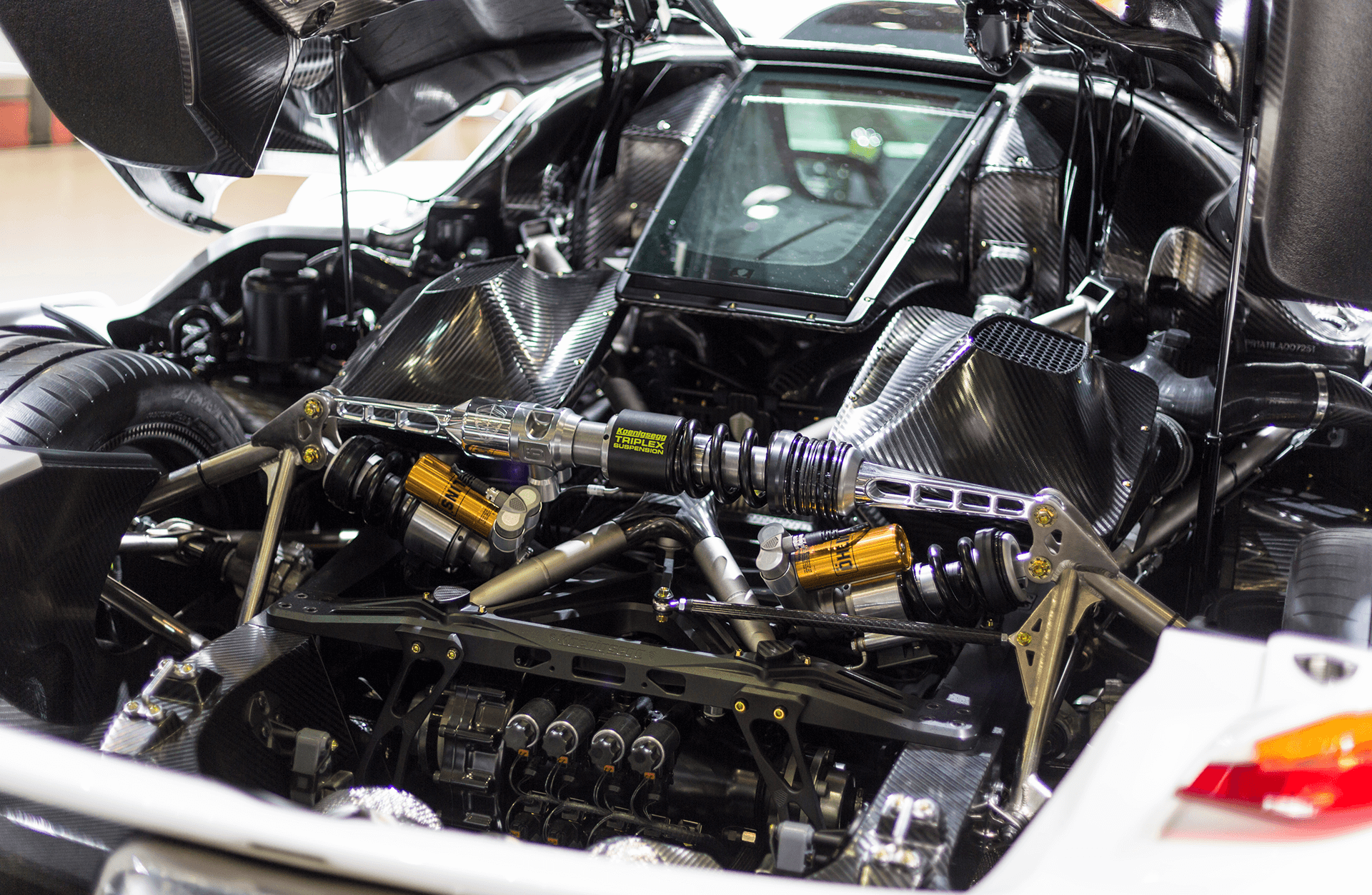
Engine overview: what engine does the Koenigsegg Jesko use?
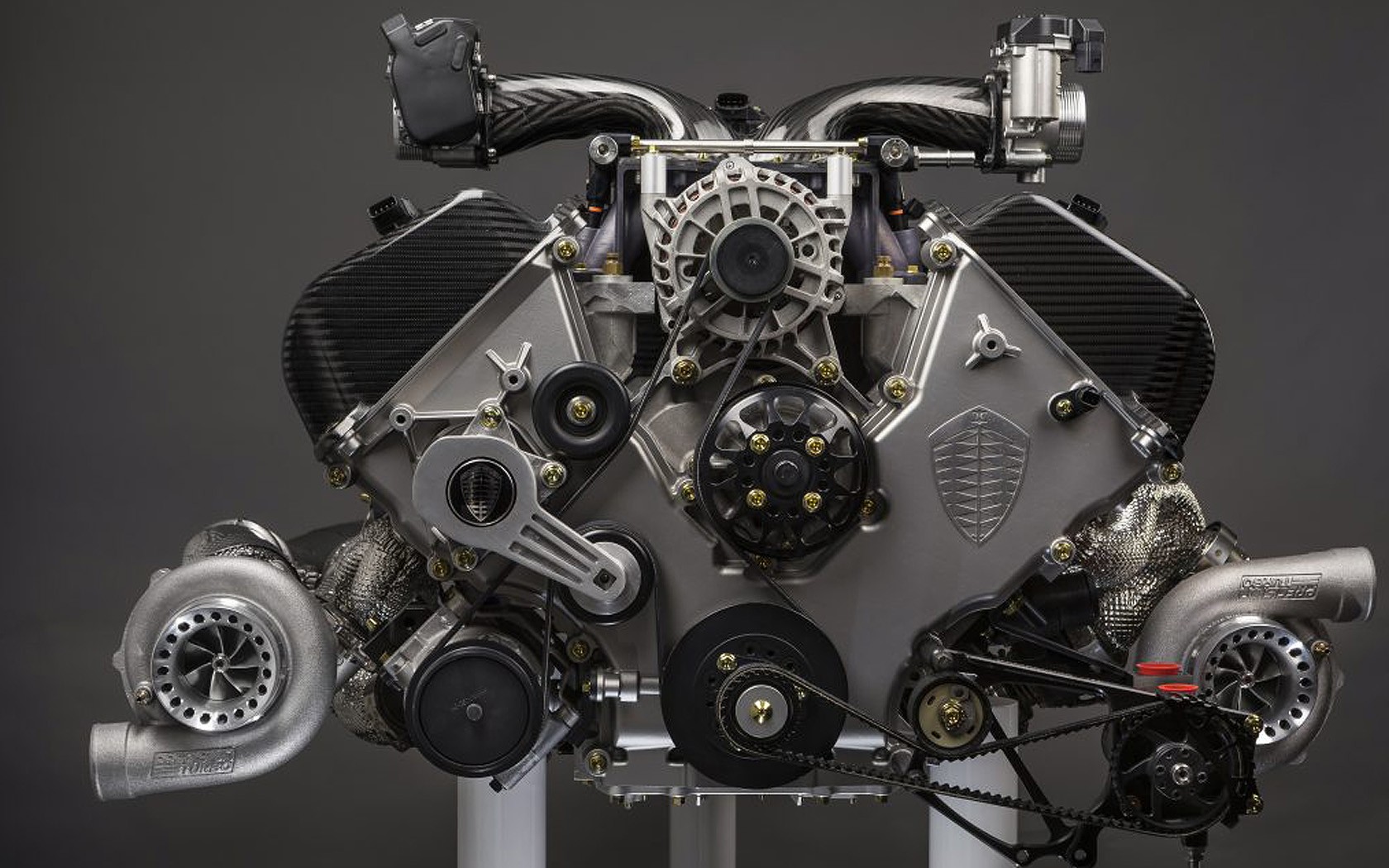
The Jesko uses a 5.0-liter, twin-turbocharged V8 engine developed and built by Koenigsegg. This engine is a clean-sheet design with modern features like dual overhead cams, four valves per cylinder, a dry-sump oil system, and lightweight internals to handle extreme revs and boost. Koenigsegg tunes this V8 to deliver from around 1,280 horsepower on pump fuel up to about 1,600 horsepower on E85, depending on tune and configuration. The engine pairs with Koenigsegg’s 9-speed Light Speed Transmission, but the heart of the car is that 5.0-liter twin-turbo V8.
49% off Today's Exclusive Deals
Limited-time Exclusive Deals. Check current discount on Amazon.
Check Price on Amazon As an Amazon Associate I earn from qualifying purchases.Technical specifications and key components
Here are the main specs and parts that define what engine the Koenigsegg Jesko uses:
- Displacement: 5.0 liters in V8 layout.
- Induction: Twin turbochargers sized for fast spool and broad powerband.
- Valvetrain: Dual overhead cams with four valves per cylinder.
- Construction: Aluminum block and heads with forged internals and a dry-sump system.
- Power: Approximately 1,280 hp on high-octane pump fuel and up to 1,600 hp on E85 in full-boost mode.
- Torque: Peak torque is very high and available low in the rev range to aid drivability at road speeds.
- Crank: High-performance crank design and balancing for rapid throttle response and high RPM stability.
These choices show how Koenigsegg made the engine both light and very strong. The result is an engine that revs freely, responds quickly to throttle, and makes huge power without being fragile.
Design, engineering philosophy, and innovations
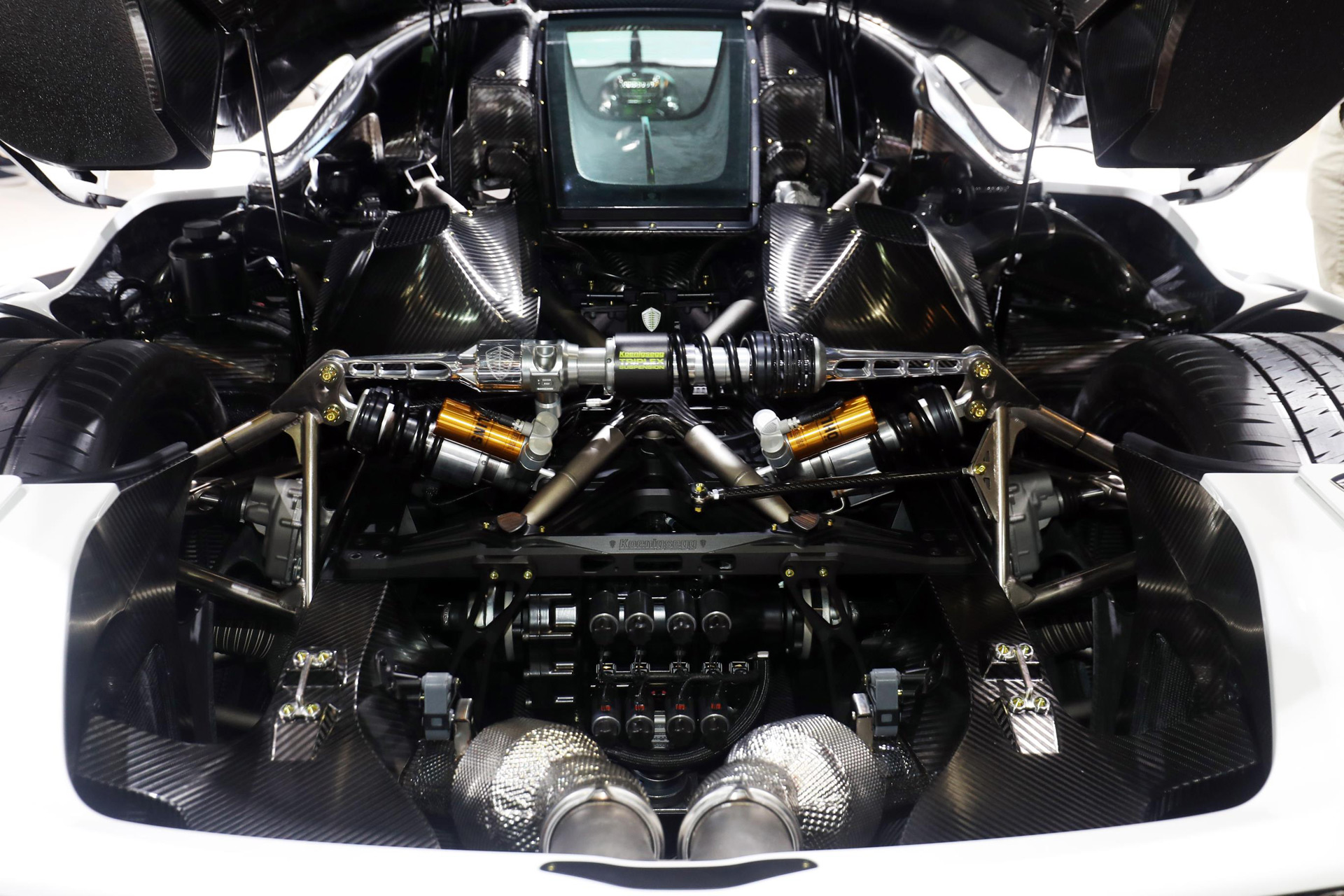
Koenigsegg’s design goal for the Jesko engine was clear: make a compact, light, and ultra-strong V8 that can handle massive boost and deliver sustained power for track use. Key ideas behind what engine the Koenigsegg Jesko uses include:
49% off Today's Exclusive Deals
Limited-time Exclusive Deals. Check current discount on Amazon.
Check Price on Amazon As an Amazon Associate I earn from qualifying purchases.- Focus on weight reduction: low-mass pistons, rods, and crank to reduce rotating mass.
- Thermal management: efficient intercooling and a dry-sump oil system keep temperatures stable under long, hard runs.
- Boost strategy: twin turbos tuned for low lag but high top-end power.
- Durability: reinforced components and advanced coatings to endure high cylinder pressures.
- Modular tuning: engine maps that allow the car to run different fuels and power levels safely.
From a design perspective, the engine is meant to be as much race engine as road engine. That hybrid aim explains the high power figures and the advanced supporting systems.
Performance and driving experience
So what does the engine feel like on the road or track? Based on test drives and track time, here are practical notes on what engine the Koenigsegg Jesko uses and how it translates to driving:
- Throttle response is instant. The engine feels alive from idle to redline.
- Midrange shove is enormous. You get steady, usable torque across the rev band.
- Top-end pull stays strong even at high revs, especially on E85 tunes that unlock maximum horsepower.
- Sound is raw and distinct. The exhaust and intake notes match the engine’s race-focused character.
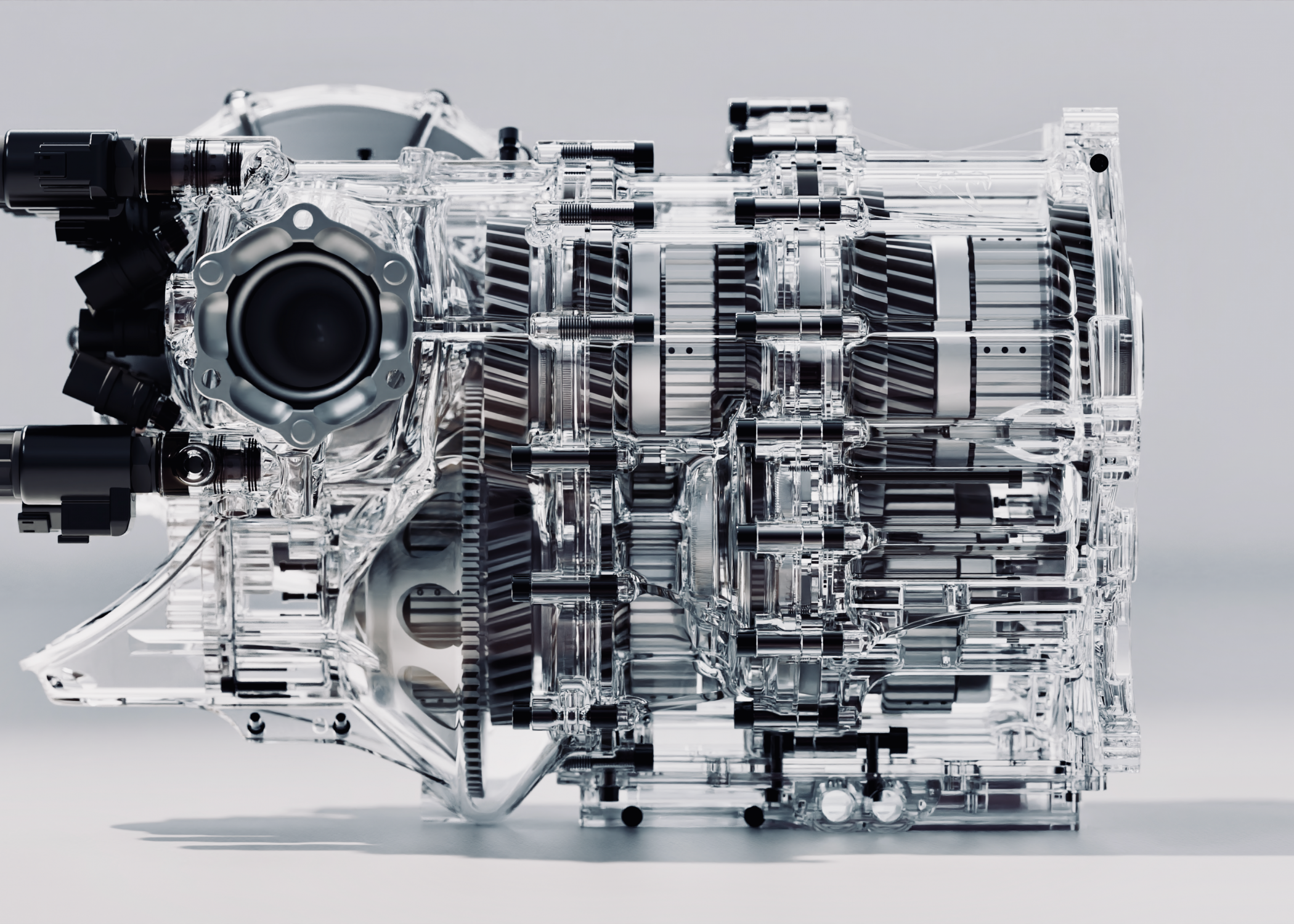
- Combined with the Light Speed Transmission, the power delivery is smooth and brutal when required.
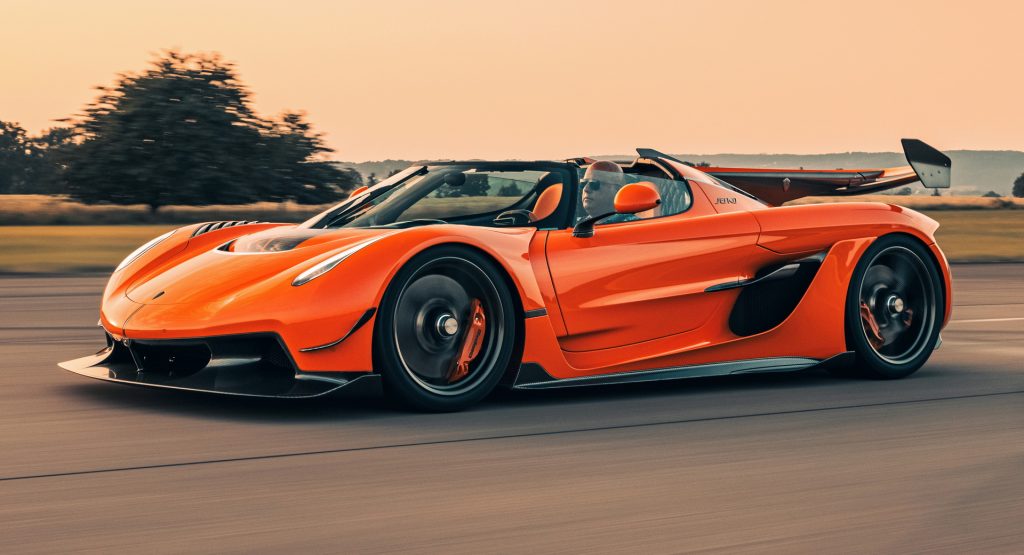
I once heard a Jesko at a private event. The engine note and the way power came on felt closer to a race prototype than a road car. That experience reinforced how much engineering went into this V8.
Maintenance, ownership, and practical considerations
High-performance engines demand care. If you want to know what engine the Koenigsegg Jesko uses from an ownership angle, consider these points:
- Service needs are specialized. Koenigsegg-trained technicians and OEM parts are recommended.
- Fuel choice matters. Tuning for E85 unlocks top power but requires compatible fueling and maintenance practices.
- Fluids and intervals are specific. High-performance oil, coolant, and close monitoring matter for longevity.
- Cost of ownership is high. Repairs and routine service are pricier than mainstream cars due to bespoke parts and low production volume.
Owning a Jesko means embracing that the engine is a high-strung, precision machine. For buyers who treat it right, it rewards with unmatched performance.
Why this engine matters — impact on hypercar design
Understanding what engine the Koenigsegg Jesko uses is also about understanding modern hypercar trends. This engine shows several important directions:
- Internal combustion can still push limits when engineered precisely.
- Downsizing with forced induction can yield extreme power while keeping weight down.
- Fuel flexibility (pump gas vs E85) gives owners options for road or peak track use.
- Integration with advanced transmissions and aerodynamics multiplies the engine’s effect.
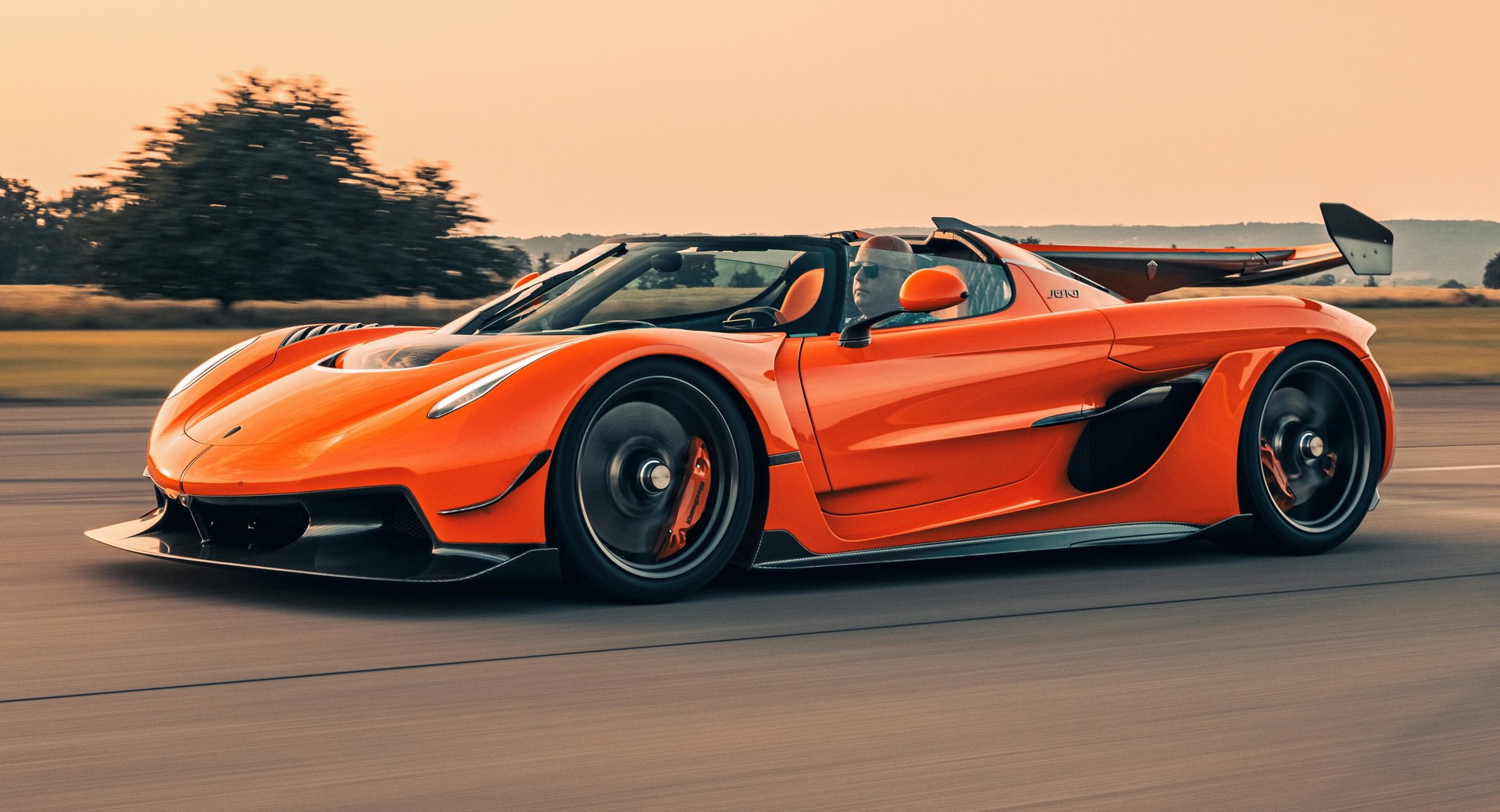
The Jesko’s V8 is a milestone in combining race-level engineering with street usability. It proves that careful design choices matter more than raw displacement alone.

Short PAA-style questions
Q: Is the Jesko engine naturally aspirated or turbocharged?
A: The Jesko engine is twin-turbocharged to deliver both low-end torque and extreme top-end power.
Q: Can the Jesko engine run on regular gasoline?
A: The Jesko can run on pump gas but reaches lower peak power compared to E85. Tuned modes adjust output safely.
Q: Does the Jesko use an in-house engine?
A: Yes, Koenigsegg designed and builds the Jesko’s 5.0-liter V8 in-house to meet its performance goals.
Frequently Asked Questions of What engine does the Koenigsegg Jesko use?
What engine does the Koenigsegg Jesko use?
The Koenigsegg Jesko uses a 5.0-liter twin-turbo V8 designed and built by Koenigsegg. It is a high-revving, race-oriented engine tuned for extreme power and response.
How much power does the Jesko engine make?
Power varies by fuel and tune, with roughly 1,280 horsepower on pump fuel and up to about 1,600 horsepower on E85 in the highest tune. Exact figures can differ by market and spec.
Is the Jesko engine reliable for road use?
The engine is engineered for durability, but it requires specialist service and high-quality fluids. With proper care, it is reliable for road and track owners who follow recommended maintenance.
What kind of transmission pairs with the Jesko engine?
Koenigsegg pairs the 5.0-liter twin-turbo V8 with its 9-speed Light Speed Transmission for rapid shifts and optimized power delivery. The pairing is designed to match the engine’s torque and rev range.
Can the Jesko engine be tuned for more power?
Yes, Koenigsegg offers factory tunes and fuel-specific maps. Owners who use E85 and approved upgrades can reach higher power levels while keeping engine safety in mind.
Does the Jesko engine use a dry-sump oil system?
Yes, the Jesko engine uses a dry-sump oil system to ensure consistent lubrication during high-g maneuvers and extended track runs. This supports both performance and engine longevity.
Conclusion
The engine at the core of the Jesko is a 5.0-liter, twin-turbo V8 engineered by Koenigsegg to marry race-level power with street usability. It delivers massive horsepower, quick response, and a driving feel that stands out in the hypercar world. If you are considering a Jesko or simply love high-performance engineering, focus on the engine’s maintenance needs and the benefits of fuel-specific tuning to get the best from this machine. If this kind of technical deep dive helps you, subscribe, leave a comment, or explore more articles to learn how hypercar engines shape modern driving performance.