A winch can be a lifesaver in tough situations, especially when your vehicle is stuck or you need to move something heavy. Among all winches, the 12V winch is one of the most popular choices for off-roaders, truck owners, and utility workers. But what exactly is a 12V winch? How does it work, and why do so many people trust it for recovery and hauling jobs? Let’s explore the world of 12V winches and see why they have become essential tools for anyone who needs reliable pulling power on the go.
What Is A 12v Winch?
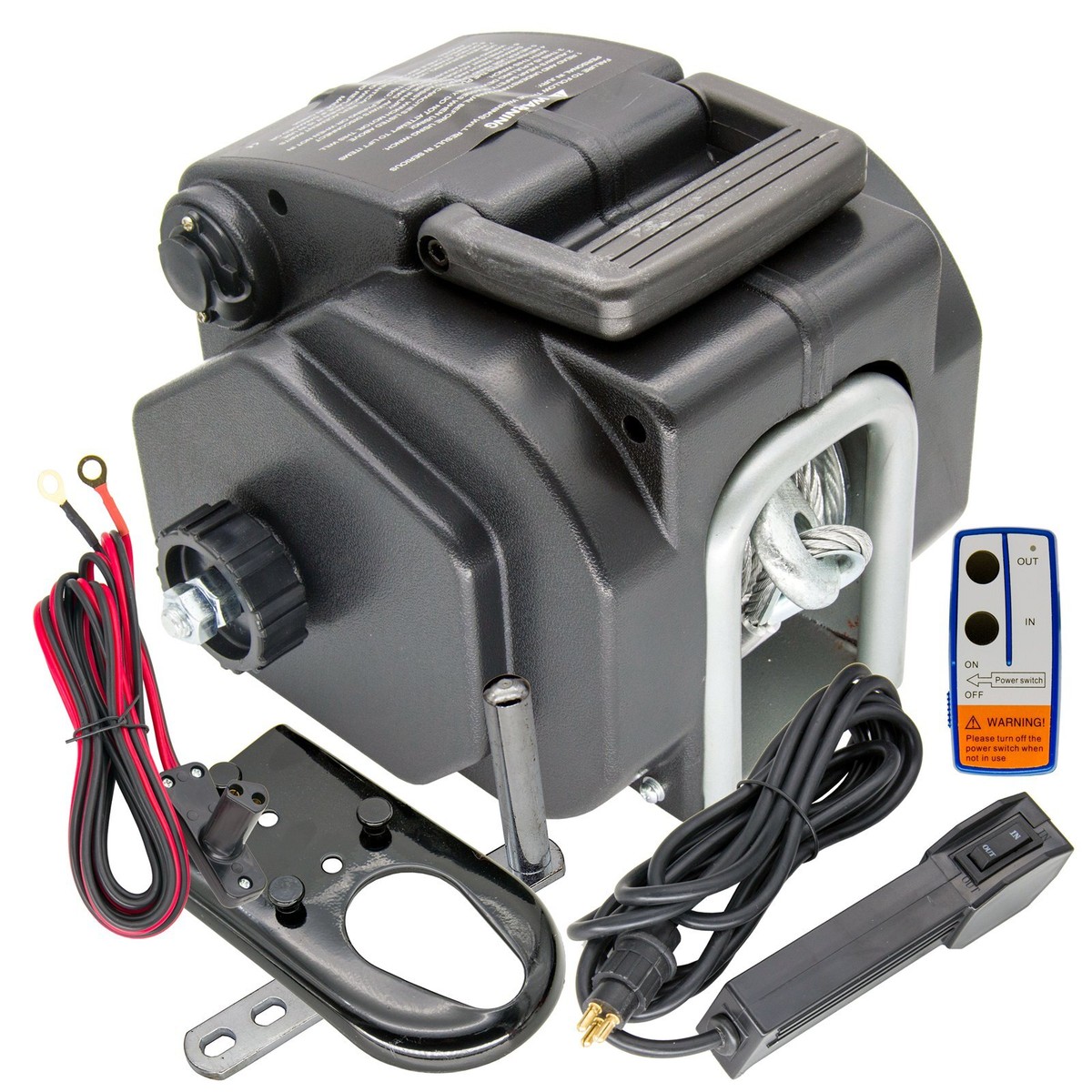
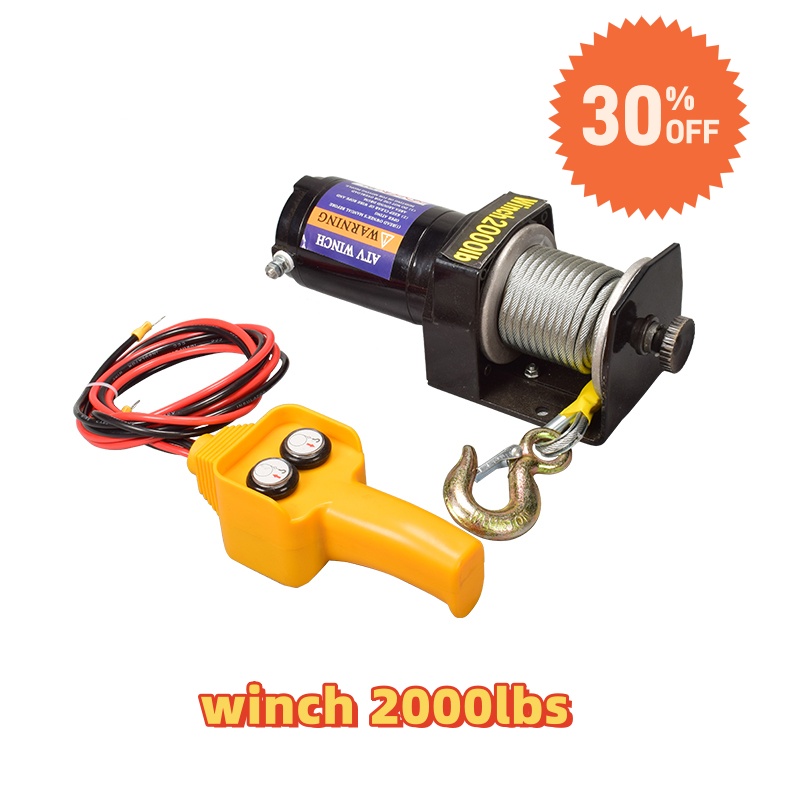
A 12V winch is a mechanical device powered by a 12-volt direct current (DC) electrical system, usually from a vehicle’s battery. It uses a motor to pull in (wind up) or let out (wind out) a cable or rope wrapped around a drum. The main purpose is to move, lift, or pull heavy loads that would be impossible to handle by hand.

49% off Today's Exclusive Deals
Limited-time Exclusive Deals. Check current discount on Amazon.
Check Price on Amazon As an Amazon Associate I earn from qualifying purchases.You’ll often find 12V winches mounted on the front of trucks, jeeps, ATVs, and trailers. They are also used in boats, utility vehicles, and even some fixed installations. The “12V” refers to the voltage needed to power the winch motor, which matches the standard electrical system in most cars and light trucks.
How Does A 12v Winch Work?
A 12V winch works by converting electrical energy from your vehicle’s battery into mechanical energy. Here’s a simple breakdown of the process:
- Power Source: The winch connects to a 12V battery, typically the one under your vehicle’s hood.
- Electric Motor: When you activate the winch, electric current flows to the motor, making it spin.
- Gear Train: The spinning motor turns a series of gears, multiplying the force and controlling the speed.
- Drum and Cable: The gears rotate the drum, winding or unwinding the steel cable or synthetic rope.
- Hook and Line: The rope is attached to a hook, which you secure to whatever needs pulling—another vehicle, a tree, or an anchor point.
A handheld remote or wireless control usually operates the winch, so you can stay clear of the action for safety.
49% off Today's Exclusive Deals
Limited-time Exclusive Deals. Check current discount on Amazon.
Check Price on Amazon As an Amazon Associate I earn from qualifying purchases.Types Of 12v Winches
Not all 12V winches are the same. There are a few main types, each suited for specific tasks:
Electric 12v Winch
This is the most common type. It uses an electric motor powered directly by the vehicle’s battery. These winches are popular for their ease of use, portability, and ability to run when the vehicle’s engine is off (though it will drain the battery).
Hydraulic 12v Winch
Though less common, some winches use hydraulic power. These need a hydraulic pump, which can be powered by a 12V motor. Hydraulic winches are known for their continuous duty cycle and strength, making them ideal for industrial or heavy-duty use.
Integrated Vs. Non-integrated
- Integrated winch: The control box is built into the winch body, making installation easier and more compact.
- Non-integrated winch: The control box is separate, allowing more flexible mounting options but requiring more space.
Main Components Of A 12v Winch
Understanding the main parts of a 12V winch helps you use and maintain it better:
49% off Today's Exclusive Deals
Limited-time Exclusive Deals. Check current discount on Amazon.
Check Price on Amazon As an Amazon Associate I earn from qualifying purchases.- Motor: The heart of the winch, providing the power to pull loads.
- Drum: The cylinder where the cable or rope is wrapped.
- Cable or Rope: Can be steel (more durable) or synthetic (lighter, safer).
- Gear Train: Transfers and multiplies the motor’s power.
- Brake System: Holds the load in place when you stop pulling.
- Solenoid/Contactor: An electrical switch that safely handles the high current.
- Control Switch: Usually a wired or wireless remote.
- Fairlead: Guides the cable smoothly onto the drum and prevents damage.
Where Are 12v Winches Used?
A 12V winch is a versatile tool with many uses:
- Off-Road Recovery: Getting stuck in mud, sand, or snow is common for off-roaders. A 12V winch can pull your vehicle out when nothing else can.
- Towing and Hauling: Winches help load cars onto trailers, move boats, or tow heavy items.
- Utility Work: Farmers, ranchers, and workers use winches to move equipment, pull downed trees, or stretch fences.
- Boating: Many boat trailers have 12V winches to pull boats safely out of the water.
- Emergency Rescue: Winches are used by rescue teams for pulling vehicles or debris in emergencies.
Advantages Of A 12v Winch
Choosing a 12V winch offers some clear benefits:
- Portability: Fits on most vehicles and is easy to install or remove.
- Self-Sufficiency: Uses your vehicle’s battery, so you don’t need extra power sources.
- Wide Availability: Many brands and models, with parts and accessories easy to find.
- Simple Operation: User-friendly controls, often with wireless remotes.
- Affordability: Usually less expensive than hydraulic or high-voltage winches.

Disadvantages And Limitations
Despite its strengths, a 12V winch isn’t perfect:
- Battery Drain: Heavy use can quickly drain your vehicle’s battery if the engine isn’t running.
- Duty Cycle: Most 12V winches can’t run non-stop; they need cool-down breaks to avoid overheating.
- Limited Power: They are powerful, but not as much as industrial or hydraulic winches. Know your winch’s capacity.
- Maintenance: Regular checks are needed for cables, connections, and the motor.
Key Features To Consider When Buying A 12v Winch
Buying the right winch can be confusing, especially for beginners. Here’s what really matters:
1. Pulling Capacity
This is the maximum weight a winch can pull, usually measured in pounds. For vehicles, experts recommend a winch rated at 1.5 times your vehicle’s gross weight. For example, if your truck weighs 4,000 lbs, a winch rated at 6,000 lbs or more is safer.
2. Line Type
- Steel cable: Very strong, long-lasting, but heavy and can snap dangerously.
- Synthetic rope: Lighter, floats on water, easier to handle, but less resistant to heat and abrasion.
3. Motor Power
Look for a high-torque motor with a good balance between speed and pulling strength. Series-wound motors are more efficient for heavy-duty use, while permanent magnet motors are fine for lighter jobs.
4. Gear Ratio
A lower gear ratio means more pulling power but slower line speed. Higher ratios are faster but less powerful. Choose based on your main use.
5. Waterproofing
A winch exposed to mud, rain, or snow should have good IP ratings (like IP67) to protect the motor and electronics.
6. Remote Control
Most winches come with a wired remote, but a wireless remote adds convenience and safety. Make sure the remote’s range fits your needs.
7. Mounting Options
Some winches are designed for permanent mounts; others can be used with portable mounting plates. Check your vehicle’s bumper or tray compatibility.
8. Price And Warranty
Expect to pay more for top brands and extra features, but a good warranty can save you headaches later.
Comparing Steel Cable Vs. Synthetic Rope
Choosing between steel cable and synthetic rope is a key decision. Here’s a side-by-side look:
| Feature | Steel Cable | Synthetic Rope |
|---|---|---|
| Strength | Very strong, handles abrasion well | Strong, but can be damaged by sharp edges |
| Weight | Heavy | Lightweight |
| Safety | Can snap violently if overloaded | Less dangerous if it breaks |
| Maintenance | Needs lubrication, rust-resistant care | Easy to clean, less prone to rust |
| Cost | Usually cheaper | Costs more, but safer |
| Water Use | Sinks in water | Floats on water |
Popular Uses: 12v Winch In Real Life
Off-road Vehicles
Off-roaders trust 12V winches to pull their Jeeps or trucks out of deep mud or snow. In off-road clubs, it’s common to see every vehicle with a front-mounted winch.
Boat Trailers
If you need to load a heavy boat onto a trailer, a 12V winch makes the job much safer and quicker. Many boat owners upgrade to synthetic rope for corrosion resistance.
Car Hauling
Auto transporters use 12V winches to pull broken-down cars onto flatbed trailers. This is faster and safer than pushing or using chains.
Farm And Ranch
Farmers use winches to move logs, stretch fence wire, or even pull small equipment out of ditches.
Common Mistakes When Using A 12v Winch
Even experienced users can make dangerous mistakes. Here are some to avoid:
- Underrating the Winch: Using a winch too small for your vehicle or load can cause cable failure or motor burnout.
- Ignoring the Duty Cycle: Winches need rest between pulls. Overheating can permanently damage the motor.
- Poor Battery Connection: Loose or dirty connections reduce power and can damage electronics.
- Skipping Safety Gear: Always use gloves with steel cable, and use a winch dampener or blanket over the cable to prevent snapback.
- Not Checking Line Spool: A tangled or unevenly wound cable can jam the winch or cause sudden failure.
Practical Tips For 12v Winch Owners
- Keep the engine running during heavy winching to avoid draining the battery.
- Inspect the cable or rope before every use. Look for frays, kinks, or corrosion.
- Practice winching before you need it. Learn to use the remote, hook up to anchor points, and handle the line safely.
- Use a snatch block (pulley) to double your pulling power or change the pulling direction.
- Carry recovery gear: Gloves, shackles, tree protectors, and blankets.
- Clean and dry the winch after use, especially if used in mud or water.
Performance Comparison: 12v Winch Vs. Hydraulic Winch
Some users consider hydraulic winches. Here’s a comparison to see if a 12V winch is right for you:
| Feature | 12V Electric Winch | Hydraulic Winch |
|---|---|---|
| Power Source | Vehicle battery (12V DC) | Hydraulic pump (engine-driven) |
| Installation | Simple, plug-and-play | Complex, needs hydraulic lines |
| Duty Cycle | Limited, needs cool-down | Continuous, can run non-stop |
| Cost | Lower price | Higher price |
| Common Use | Off-road, recreation, trailers | Tow trucks, industry, rescue |
| Maintenance | Low | High (hydraulics) |
How To Install A 12v Winch
Installing a 12V winch is a project you can do at home with basic tools:
- Choose a Strong Mounting Point: The winch must be bolted to a solid bumper or winch plate. Do not use thin metal or plastic.
- Secure the Winch: Use grade 8 bolts and follow the manufacturer’s torque specs.
- Wire the Winch: Connect the power cables directly to the battery terminals, not to the fuse box or accessories. Red is positive, black is negative.
- Mount the Control Box: Place it in a spot safe from heat and water, but within reach of the cable.
- Test Operation: Before first use, run the winch in and out with no load. Check for smooth operation and response to the remote.
Practical Example
Suppose you bought a 9,500 lb 12V winch for your Jeep. You install it with a steel bumper, connect the cables to the battery, and mount the remote port inside the engine bay. After double-checking the bolts and wiring, you test it by pulling a 200 lb log.
The winch performs smoothly, showing it’s ready for real recovery work.
Maintenance And Care
A winch is an investment, so keep it working with regular checks:
- Clean after use, especially if exposed to mud, salt, or water.
- Lubricate moving parts every few months.
- Check all electrical connections for corrosion or looseness.
- Inspect the drum and fairlead for wear or sharp edges.
- Replace damaged cables or ropes immediately.
A well-maintained winch can last many years and pay for itself in saved towing fees.
Legal And Safety Considerations
Winch use may be regulated in some areas:
- Check local laws for bumper modifications or winch installations.
- Never overload the winch beyond its rated pull.
- Always use rated anchor points and recovery gear.
- Warn bystanders to stay clear when operating.
Most injuries happen because of poor training or taking shortcuts. Take winching seriously and you’ll stay safe.
Choosing The Right 12v Winch Brand
There are many brands, but some stand out for quality and reliability. Well-known brands include Warn, Smittybilt, Superwinch, Badland, and Champion. These brands offer good support, warranties, and replacement parts.
When comparing, look for:
- Customer reviews and ratings
- Warranty terms
- Availability of parts and service
- Compatibility with your vehicle
For more on winch technology, see the history and development of winches on the Wikipedia Winch page.
Frequently Asked Questions
What Size 12v Winch Do I Need For My Vehicle?
Choose a winch rated at least 1.5 times your vehicle’s gross weight. For example, if your truck weighs 6,000 lbs, a 9,000 lb winch is a safe choice.
Can I Run A 12v Winch With The Engine Off?
You can, but it’s not recommended for heavy pulls. The winch draws a lot of current, which can quickly drain the battery. Keep the engine running for best results.
How Do I Maintain A Synthetic Winch Rope?
Clean it with water and mild soap, let it dry fully before storage, and avoid dragging it over sharp edges. Check regularly for cuts or fraying.
Is A Wireless Remote Better Than A Wired One?
A wireless remote offers more convenience and safety because you can stand farther from the winch. However, some users prefer wired remotes for reliability in harsh conditions.
Can I Install A 12v Winch Myself?
Yes, most 12V winches come with clear instructions and can be installed with basic tools. Make sure your mounting point is strong and follow all safety guidelines.
A 12V winch is more than just a tool—it’s a lifeline in difficult situations. Whether you’re off-roading, hauling, or working on the farm, understanding how a 12V winch works, what to look for, and how to use it safely will help you get the most value from your investment.
With the right choice and good care, a 12V winch will be a reliable partner for many years to come.